
Tangier bay at night — History & Facts
Could beauty survive in a century of chaos? In the stillness of twilight, as the sun yields to night, a luminous tranquility envelops the bay of Tangier. The shimmering waters reflect a world both distant and intimate, inviting contemplation of the delicate balance between obsession and serenity. Look to the center where the embrace of the moonlight dances across the rippling waves, illuminating the pathway to the horizon. The gentle brush strokes evoke a sense of calm, while the deep blues and silvers contrast with hints of warm ochre lingering on the edges.
Notice how the buildings on the rocky shore rise like sentinels against the darkened sky, their silhouettes grounding the scene, encapsulating a moment suspended in time. Yet, beneath this serene exterior lies a deeper tension. The interplay of light and shadow suggests an unspoken yearning, a haunting obsession that tugs at the heart of the viewer. The stillness of the bay invites reflection on the beauty that persists amidst turmoil, while the darkness encroaching from the edges hints at the chaos of life just beyond the canvas.
This duality of peace and anxiety encapsulates the very essence of human experience. At the time this piece was created, Lavery was exploring the interplay of light in his works, influenced by the vibrant atmosphere of the early 20th-century art scene. He likely painted this during his travels, capturing the allure of Tangier, a city that drew artists and writers alike. This period in Lavery's life was marked by a burgeoning interest in the emotive power of color and light, capturing moments that speak to the soul amidst the constant flux of the world.
More Artworks by Sir John Lavery
Browse all →
On The Sands
Sir John Lavery

The Beach, Tangier
Sir John Lavery

Evening, The Bay Of Tunis
Sir John Lavery
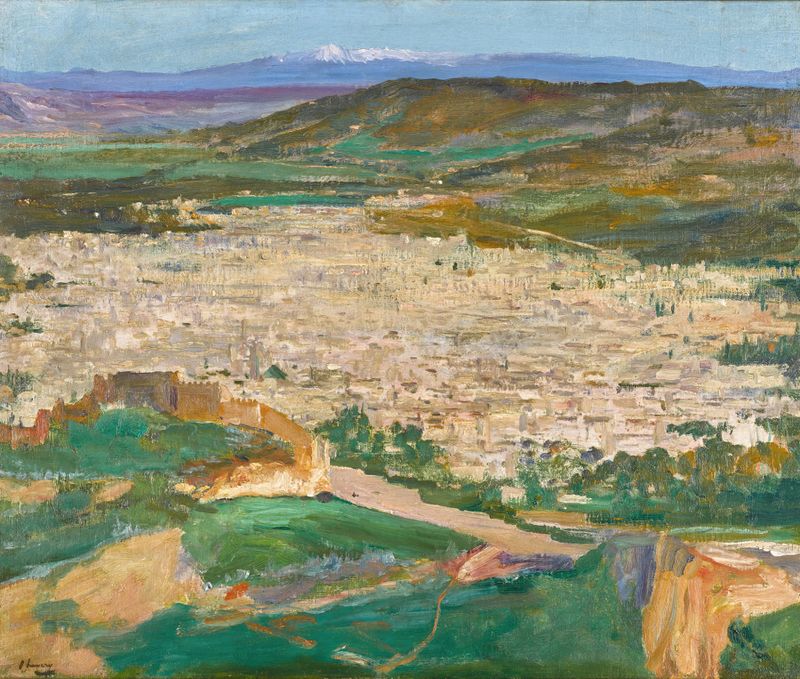
A View of Fez
Sir John Lavery
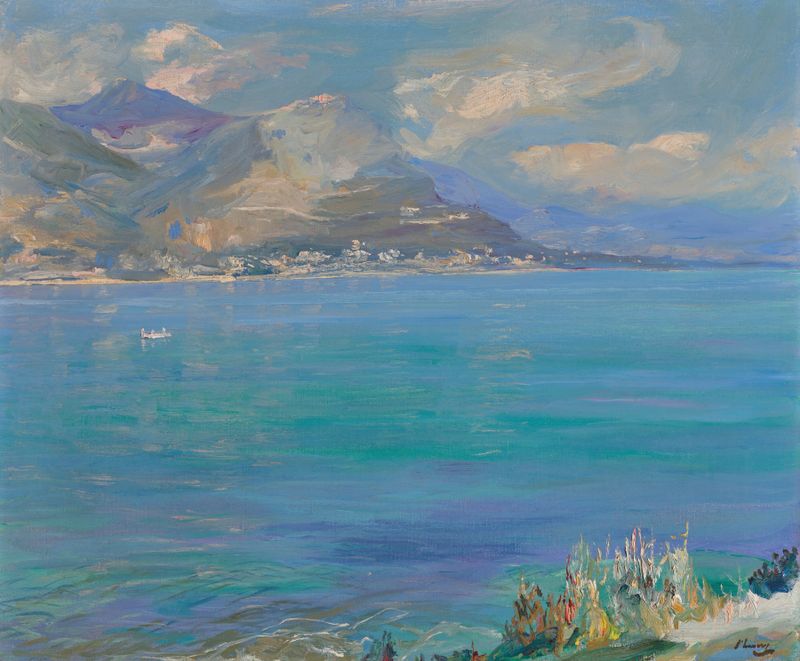
Beaulieu
Sir John Lavery
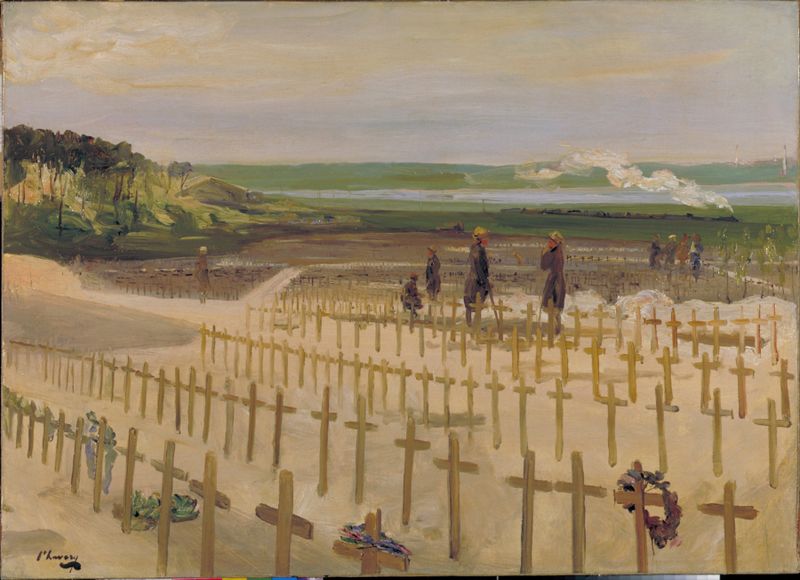
The Cemetery, Etaples, 1919
Sir John Lavery
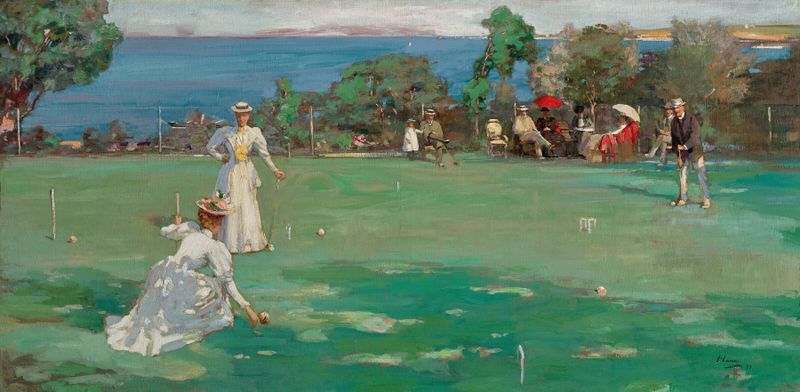
The Croquet Party
Sir John Lavery
Chiswick Baths
Sir John Lavery

Hounslow
Sir John Lavery

The Little White Boats, Cap Ferrat
Sir John Lavery





