
The Beach, Tangier — History & Facts
When did color learn to lie? In the shimmering landscape of reality and illusion, The Beach, Tangier reveals the delicate dance of faith in both nature and perception. Look to the center of the canvas where sun-drenched sands meet gentle waves, both crafted with sweeping brushstrokes that pulse with life. Notice how the vibrant hues of azure and gold blend seamlessly, capturing the intoxicating warmth of a North African sun. The figures scattered along the shore, rendered with soft outlines, are mere whispers against the vast backdrop, inviting the viewer to contemplate their presence rather than focus solely on their individuality. A deeper examination reveals layers of emotional tension within this idyllic scene.
The contrast of the tranquil beach and the distant, tumultuous sea hints at the unpredictability of life. The figures’ poses, both relaxed and poised, evoke a sense of fleeting moments and the quiet faith in the beauty of existence, despite the chaotic world beyond the frame. The golden light, while radiant, also casts long shadows, reminding us of the thin line between serenity and uncertainty. Created in 1911, this piece emerged during a significant period for the artist, who was deeply influenced by the light and culture of Tangier while on a trip to Morocco.
Lavery sought to capture not only the visual splendor of the landscape but also its emotive depth, reflecting the broader artistic movement of Impressionism which was unearthing the power of color and light against the backdrop of a rapidly changing world.
More Artworks by Sir John Lavery
Browse all →
On The Sands
Sir John Lavery

Evening, The Bay Of Tunis
Sir John Lavery

Tangier bay at night
Sir John Lavery
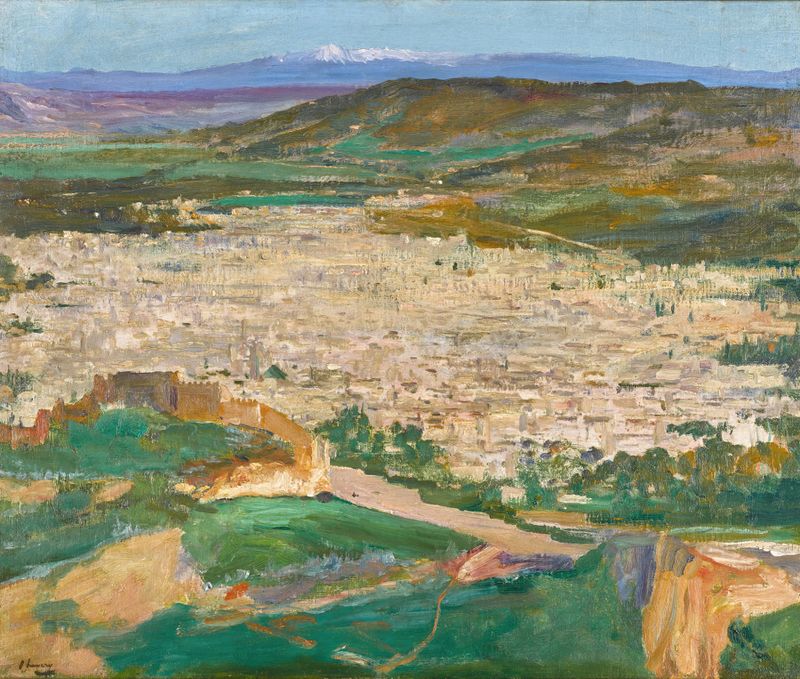
A View of Fez
Sir John Lavery
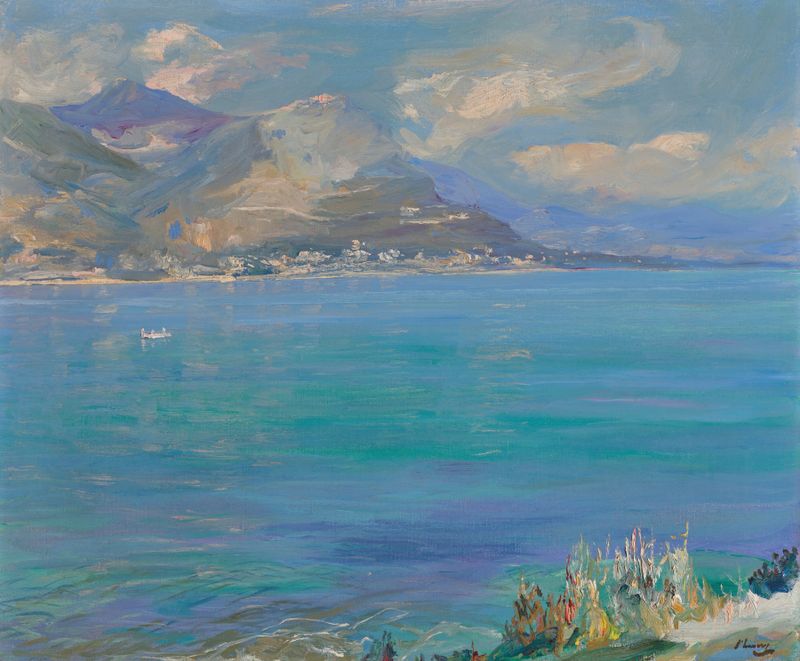
Beaulieu
Sir John Lavery
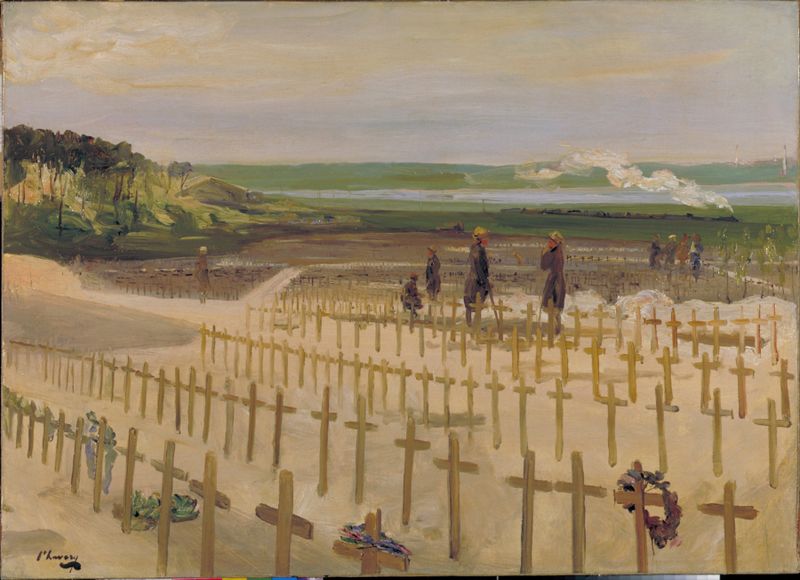
The Cemetery, Etaples, 1919
Sir John Lavery
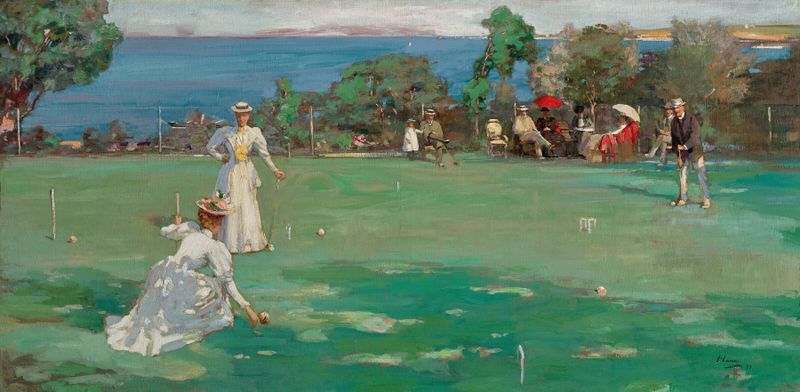
The Croquet Party
Sir John Lavery
Chiswick Baths
Sir John Lavery

Hounslow
Sir John Lavery

The Little White Boats, Cap Ferrat
Sir John Lavery





