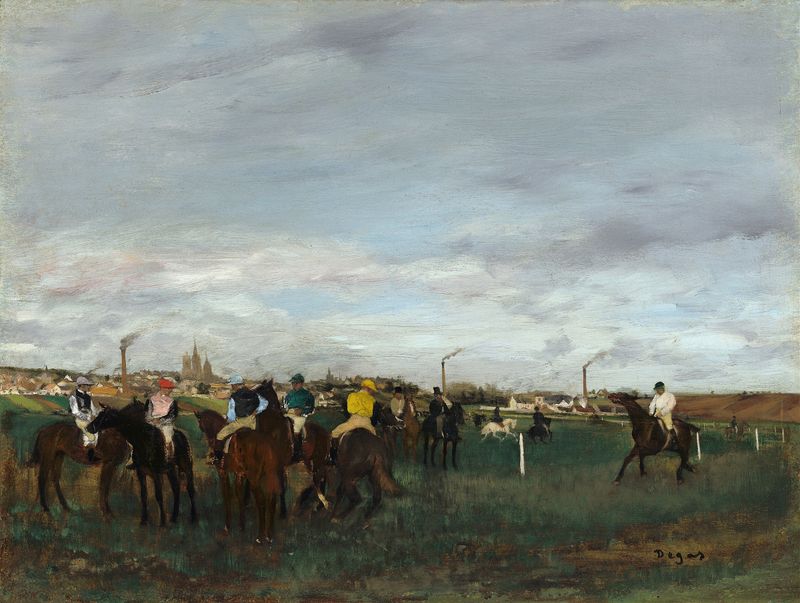
El Torro — History & Facts
What if silence could speak through light? In El Torro, the interplay of shadow and illumination conveys a dynamic tension that pulls the viewer into a realm of emotional resonance and refined movement. Look to the left at the striking contrast of the deep, dark hues that envelop the bull, grounding it with an air of gravity. The artist uses bold brushstrokes, capturing the creature’s muscular form and rippling strength, while the surrounding space vibrates with fragmented light, suggesting movement. Notice how the undulating lines of the background seem to echo the bull’s powerful presence, creating a rhythmic flow that draws the eye toward the heart of the composition. There’s a palpable contrast between the solidity of the bull and the ethereal quality of the light, reflecting a struggle between force and vulnerability.
The luminous streaks that dart around the figure evoke a sense of urgency and intensity, as if the very essence of the bull is alive, caught in a moment of motion. This duality speaks to the themes of power and fragility, inviting contemplation on the nature of existence itself. During the early 1920s, while Haskell was working in New York, modernist movements were evolving rapidly. This period marked a significant time for artistic experimentation, as artists like him sought to explore new expressions of form and emotion.
Engaged with the spirit of innovation and change, he crafted El Torro as a reflection of both his personal journey and the broader artistic landscape of the time, navigating the intersection of representation and abstraction.
More Artworks by Ernest Haskell
Browse all →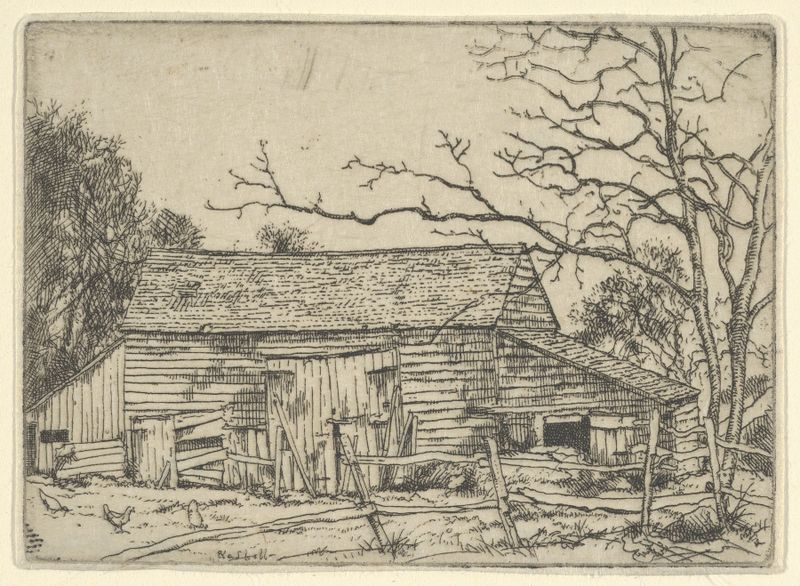
The Barn–Staten Island, N.Y.
Ernest Haskell

Four Live Oaks
Ernest Haskell
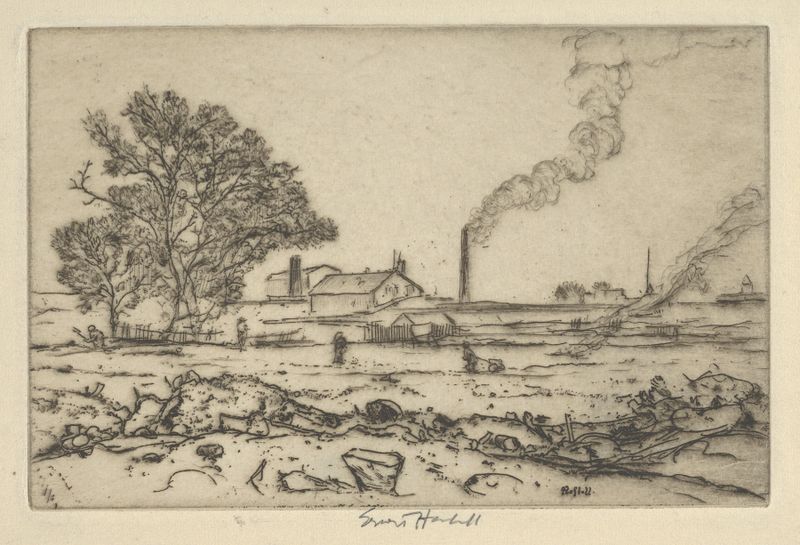
Outskirts of Boston
Ernest Haskell
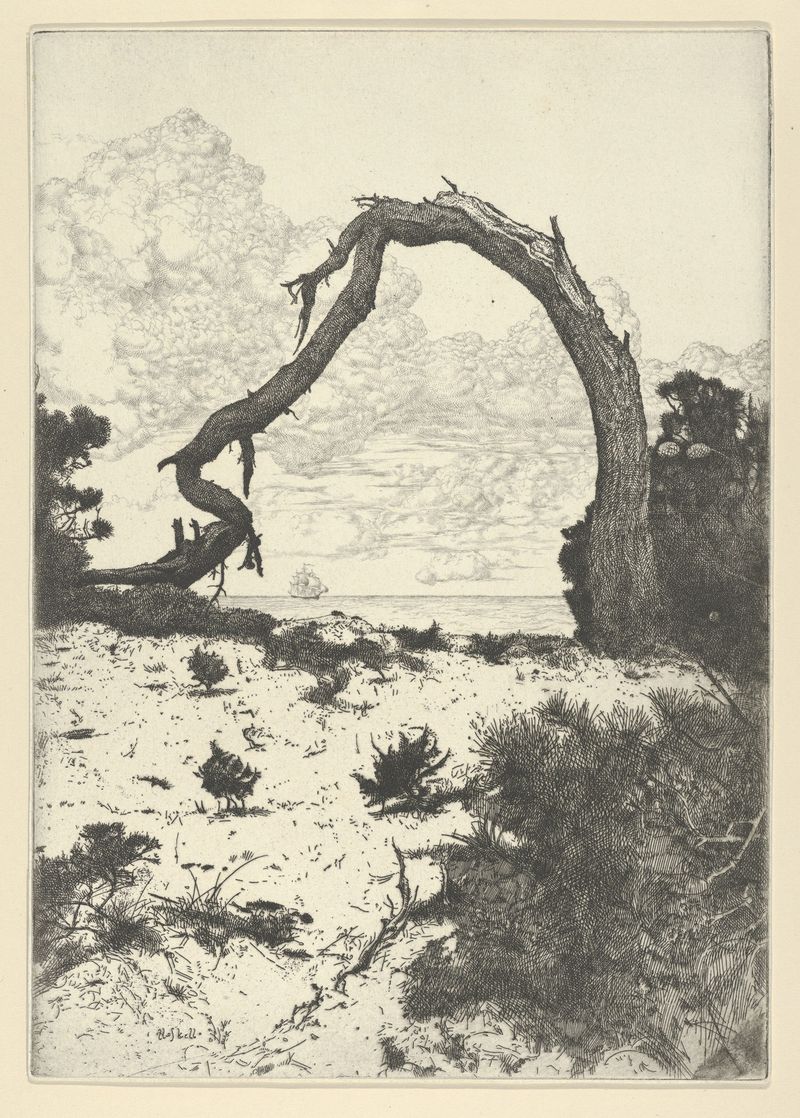
Pine Arch
Ernest Haskell

General Sherman
Ernest Haskell
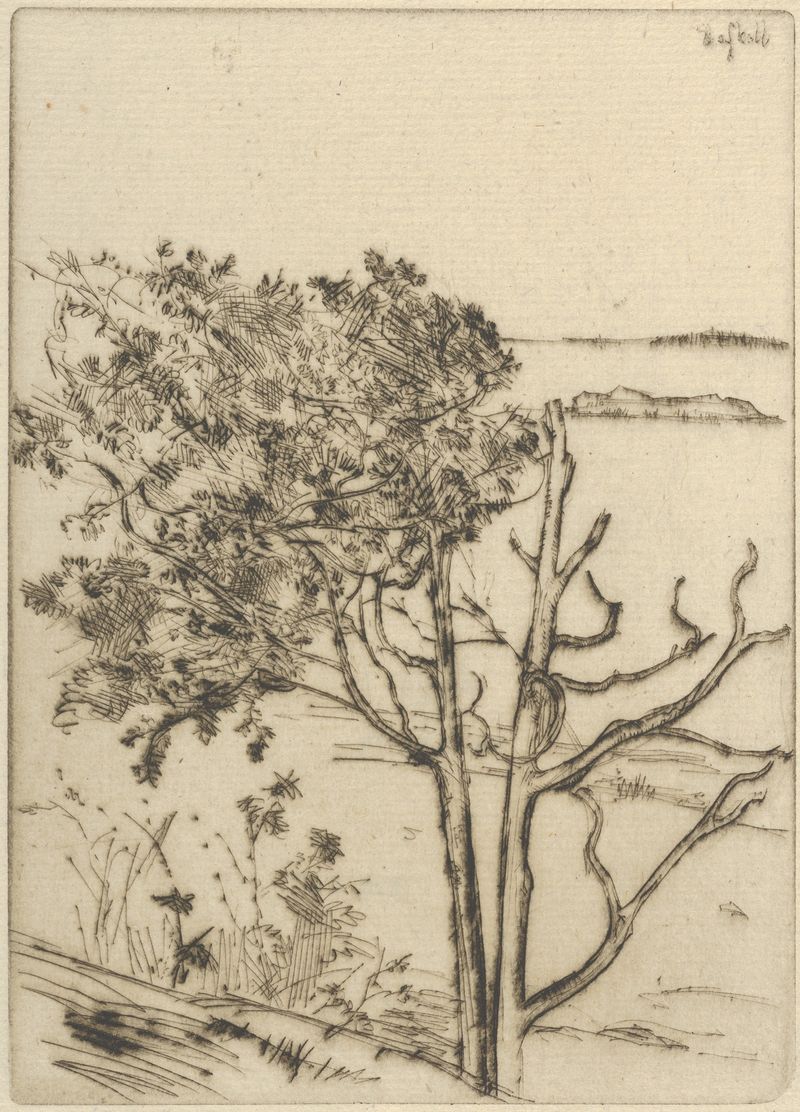
Ragged Tree – Maine
Ernest Haskell

Tide Mill
Ernest Haskell

Ship Building
Ernest Haskell
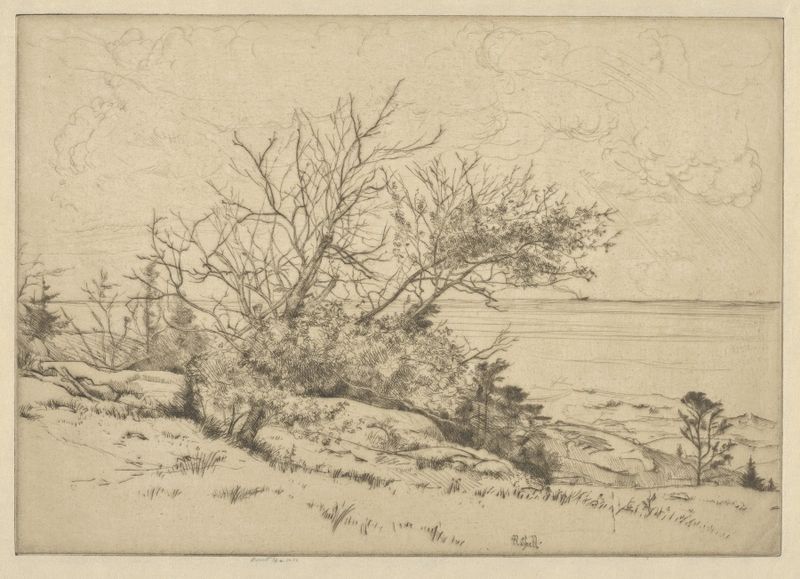
To the Southward – Ragged Island, Me.
Ernest Haskell
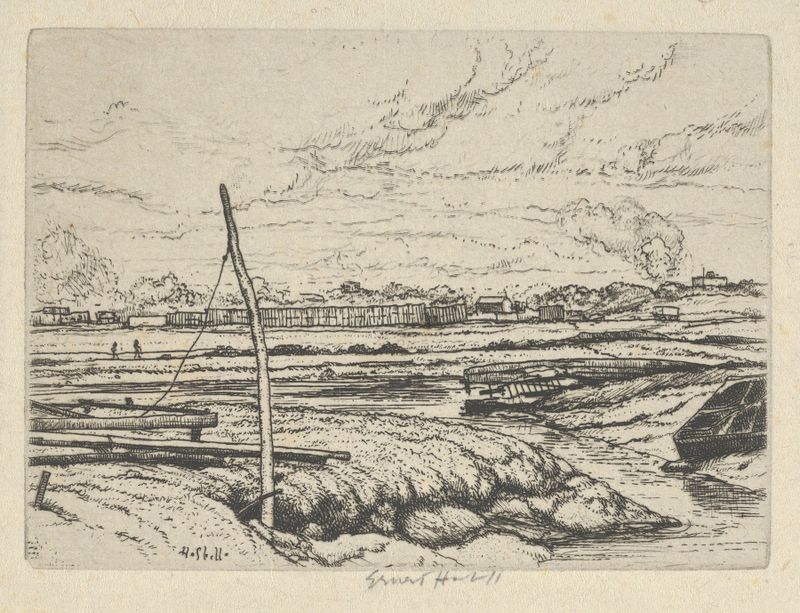
Long Island Marshes
Ernest Haskell