
Elders — History & Facts
Is this a mirror — or a memory? The delicate interplay of reality and illusion blurs the line between what we see and what we feel, inviting us to explore the depths of our own reflections. Focus on the figures at the center, their faces etched with lines that tell stories of a life well-lived. Notice the way the soft pastels melt into one another, creating a dreamlike haze that envelops the subjects, as if they are suspended between the past and the present. The gentle strokes of paint suggest movement, a whisper of nostalgia that lingers in the air, drawing the viewer into their quiet contemplation. As you examine further, the contrast between light and shadow becomes striking.
The warm glow illuminating the faces reveals an emotional weight, suggesting wisdom gained through years of experience. Meanwhile, the cooler tones surrounding them evoke a sense of solitude, hinting at the isolation that often accompanies aging. This duality reflects not just the physical realm but also the inner lives of the elders, a poignant reminder of our shared human journey. In 1900, Jan Stanisławski was immersed in the burgeoning art scene of Poland, a time when the country faced both political strife and a quest for cultural identity.
Working out of Warsaw, he was influenced by Impressionism and the Symbolism movement, which sought to capture deeper emotional truths. Elders emerged from this period of exploration—an evocative inquiry into memory, existence, and the passage of time, encapsulating the universal experience of aging and introspection.
More Artworks by Jan Stanisławski
Browse all →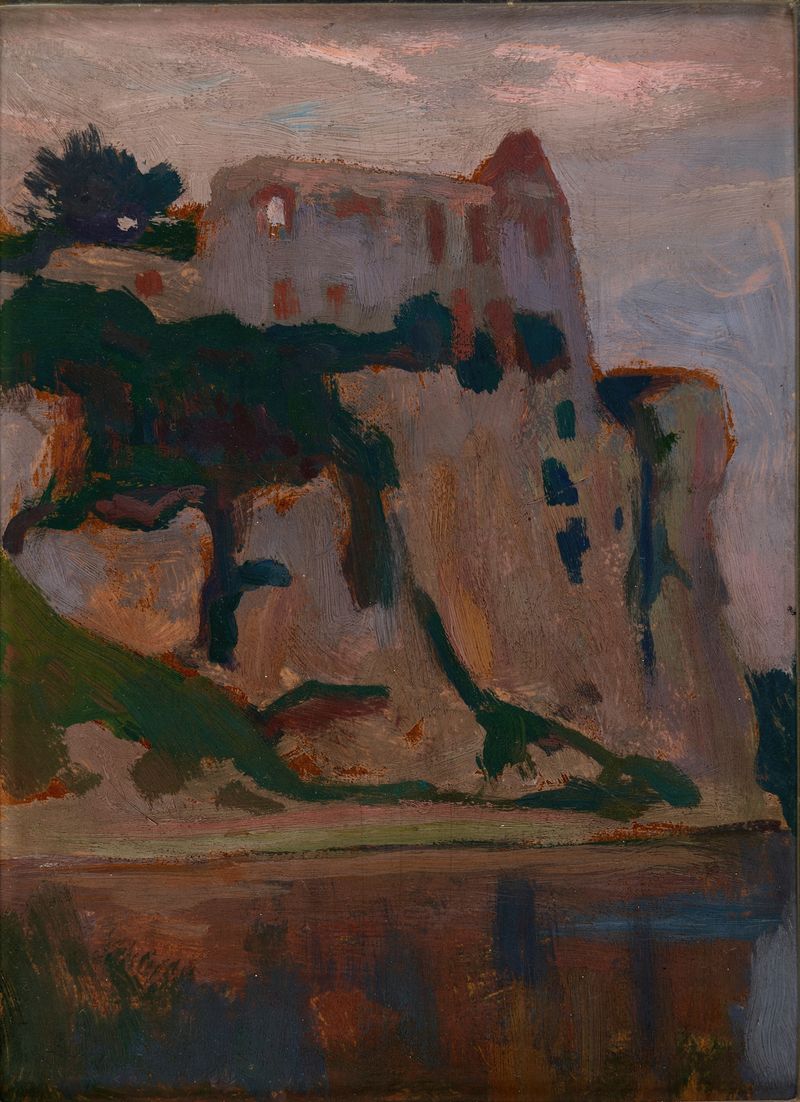
Tyniec at Dawn
Jan Stanisławski
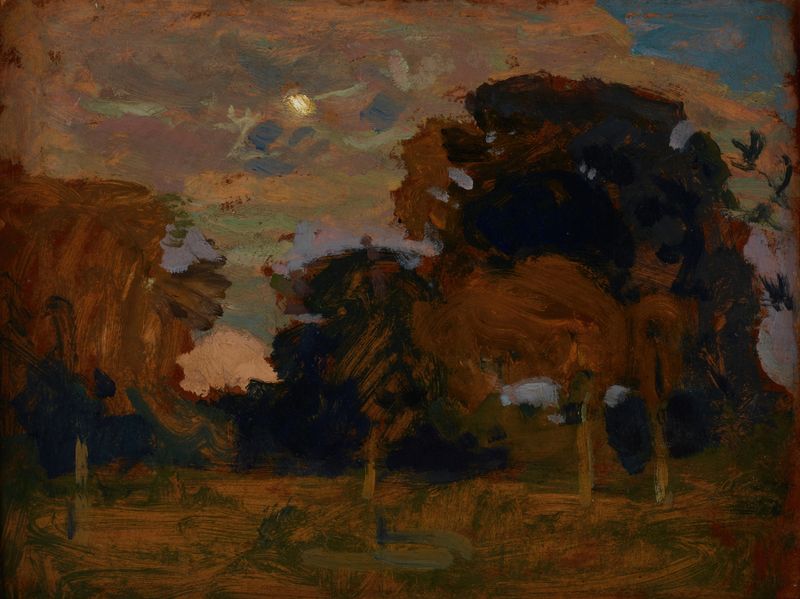
Moon in the Clouds
Jan Stanisławski
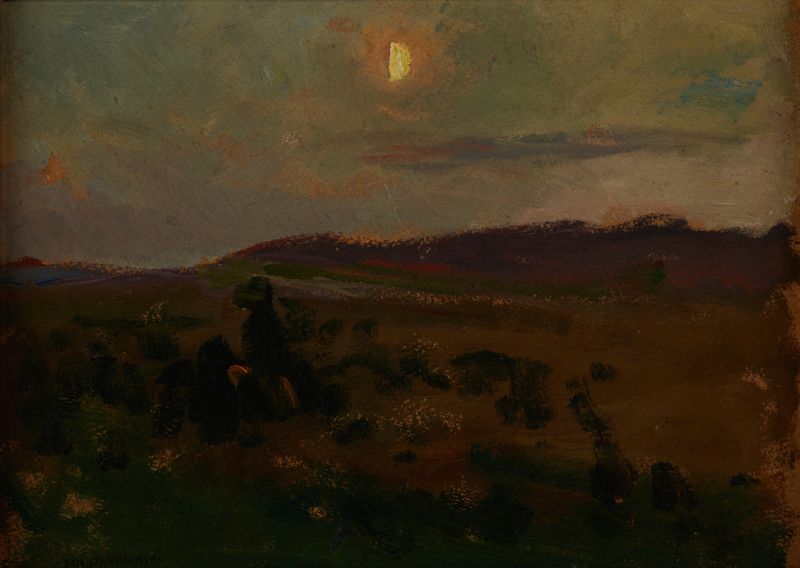
Moonrise
Jan Stanisławski
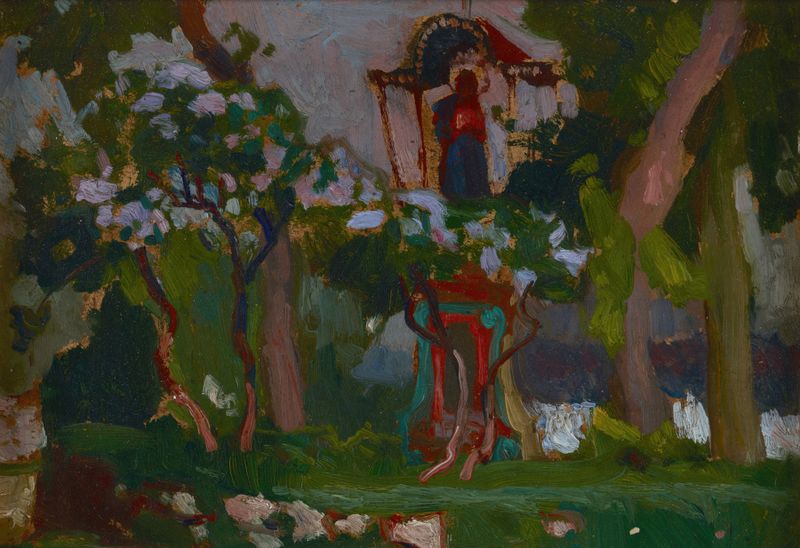
May
Jan Stanisławski
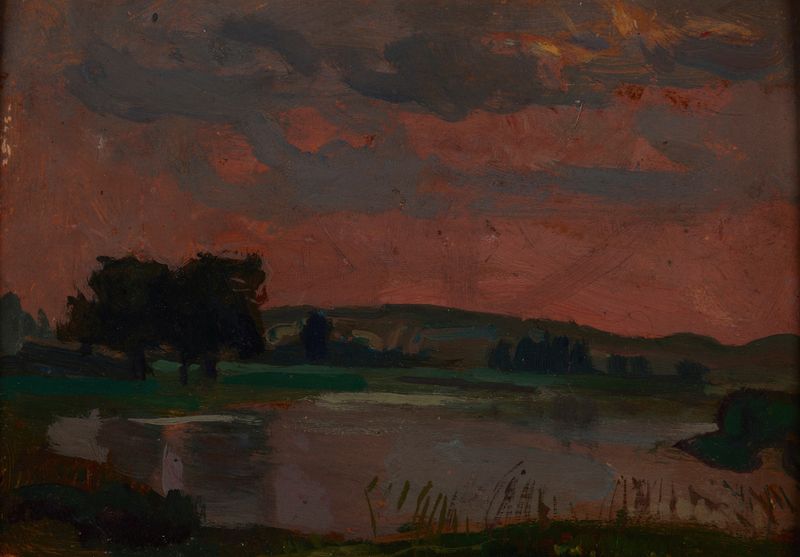
The Vistula in the Twilight
Jan Stanisławski
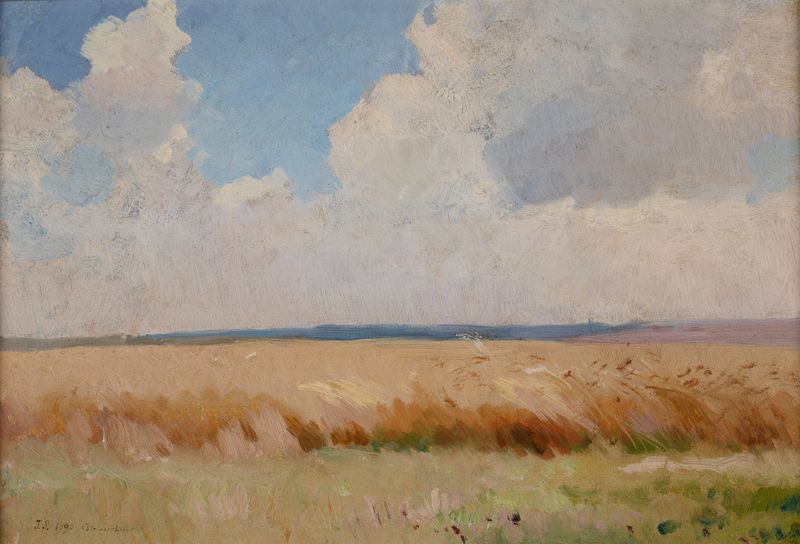
Field at Białocerkiew (Bila Tserkva)
Jan Stanisławski
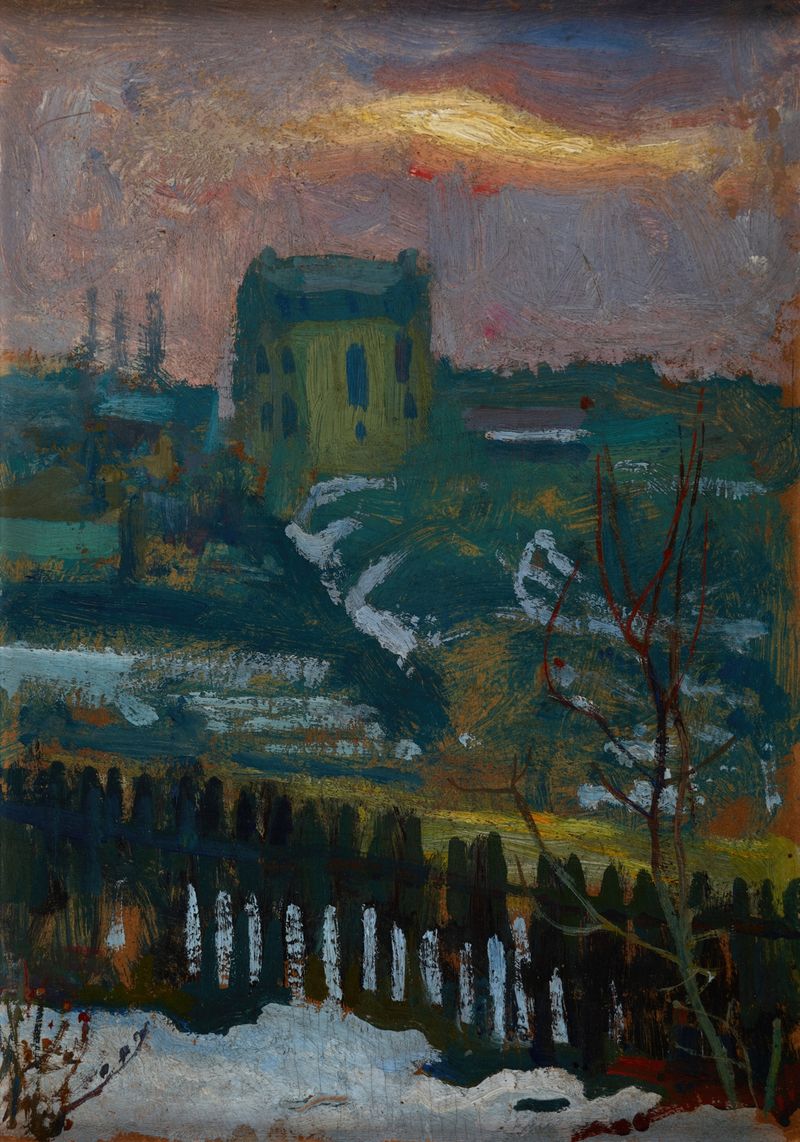
House in Winter
Jan Stanisławski
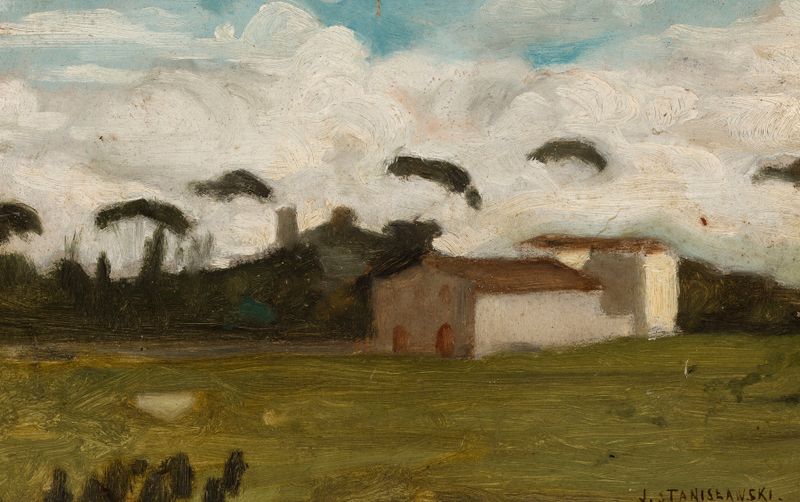
Landscape
Jan Stanisławski
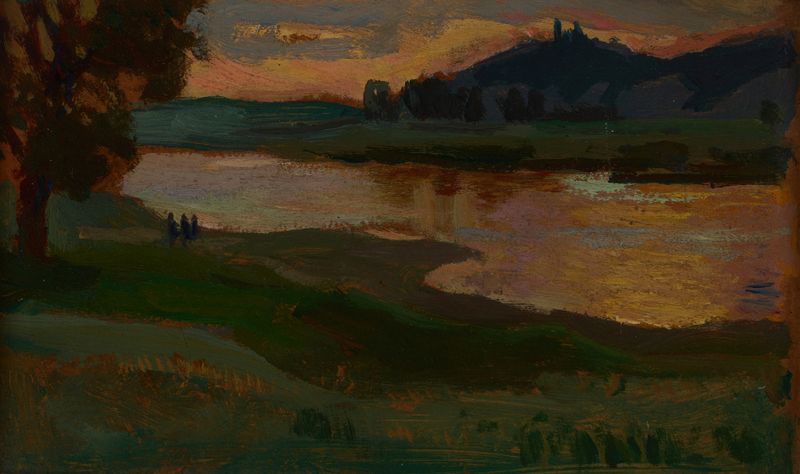
Bielany at Dusk
Jan Stanisławski
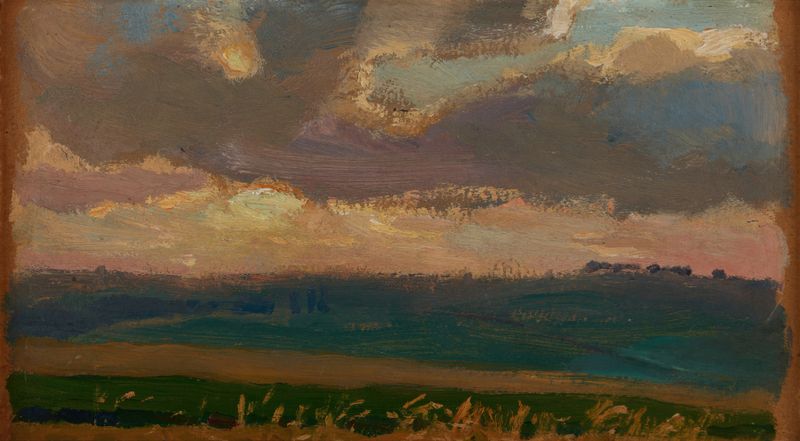
Fields at Proszowice
Jan Stanisławski
More Portrait Art
Browse all →
Las meninas
Diego Velázquez

Self-portrait with a Bandaged Ear and Pipe
Unidentified artist

Girl with a Pearl Earring
Johannes Vermeer

The Sampling Officials of the Amsterdam Drapers’ Guild, Known as ‘The Syndics’
Rembrandt van Rijn

The Hundred Guilder Print: the man seen on the back in the lower left corner
Rembrandt van Rijn

Portrait of Dr Gachet
Vincent van Gogh