Field at Białocerkiew (Bila Tserkva) — History & Facts
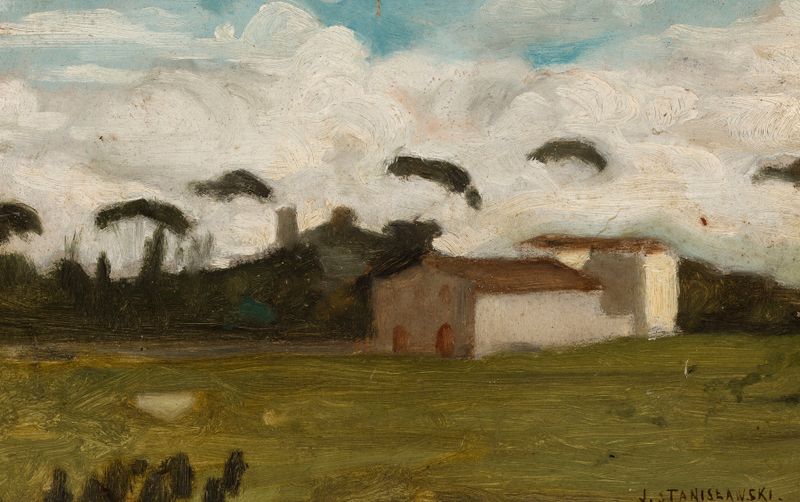
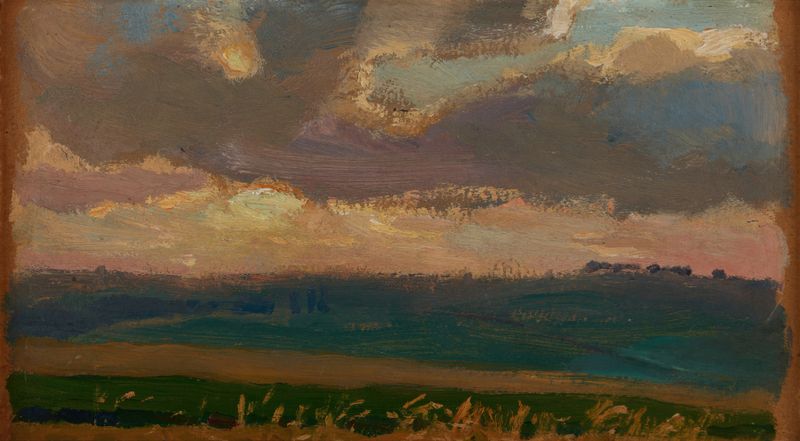
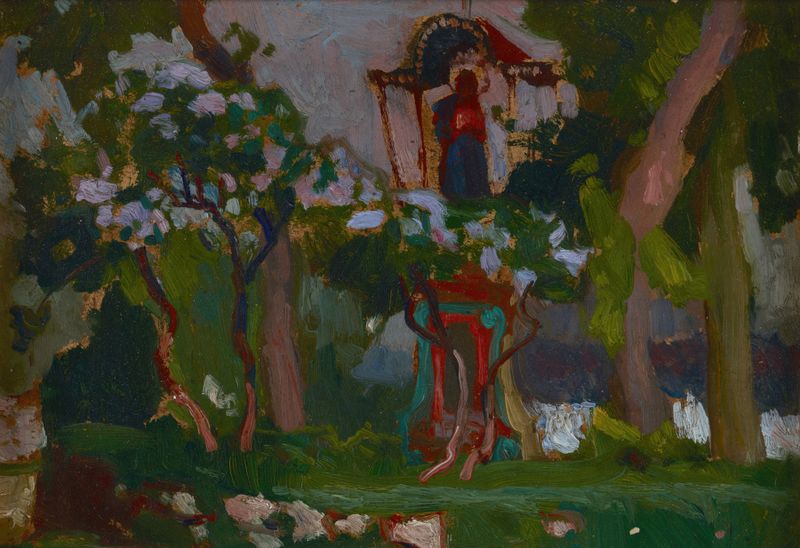
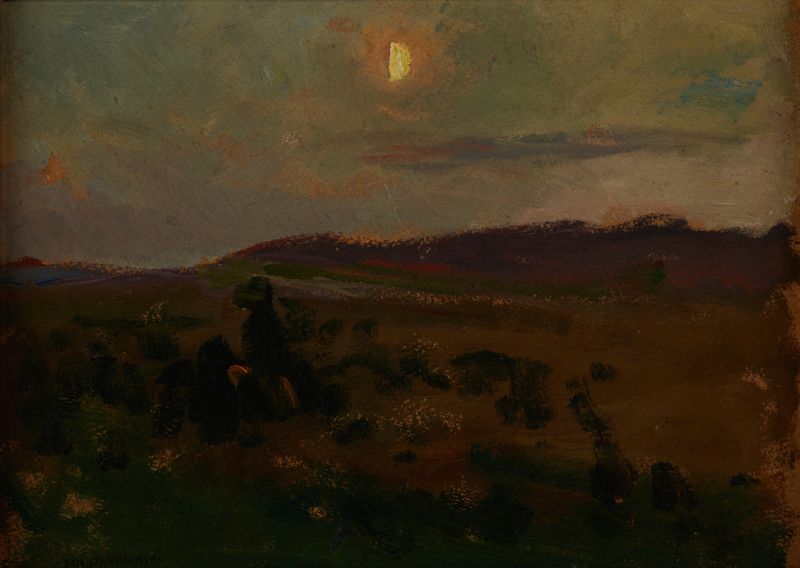
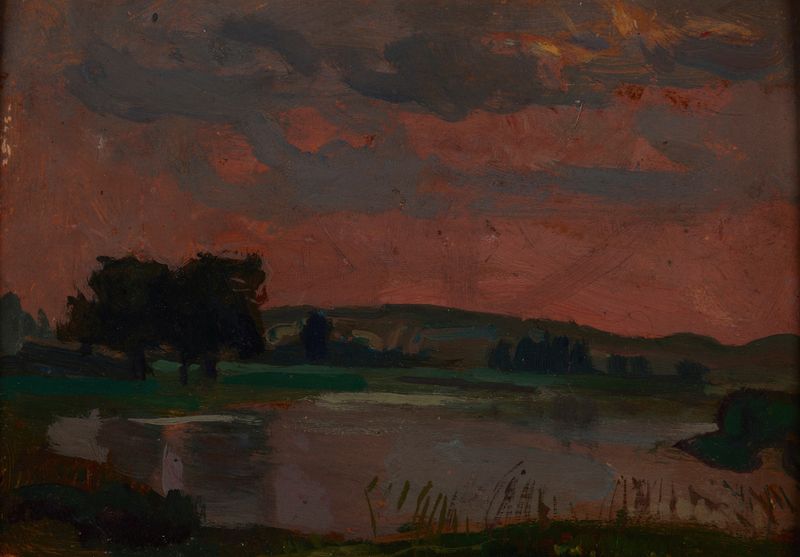
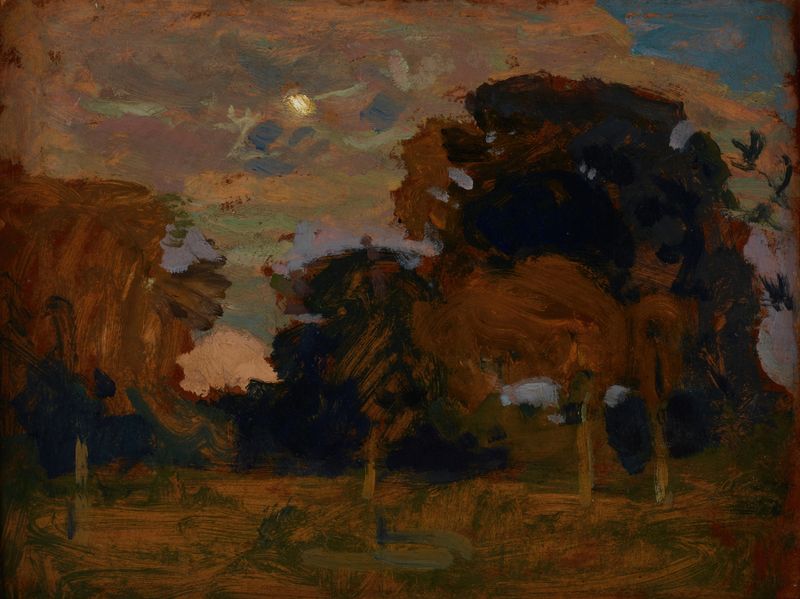
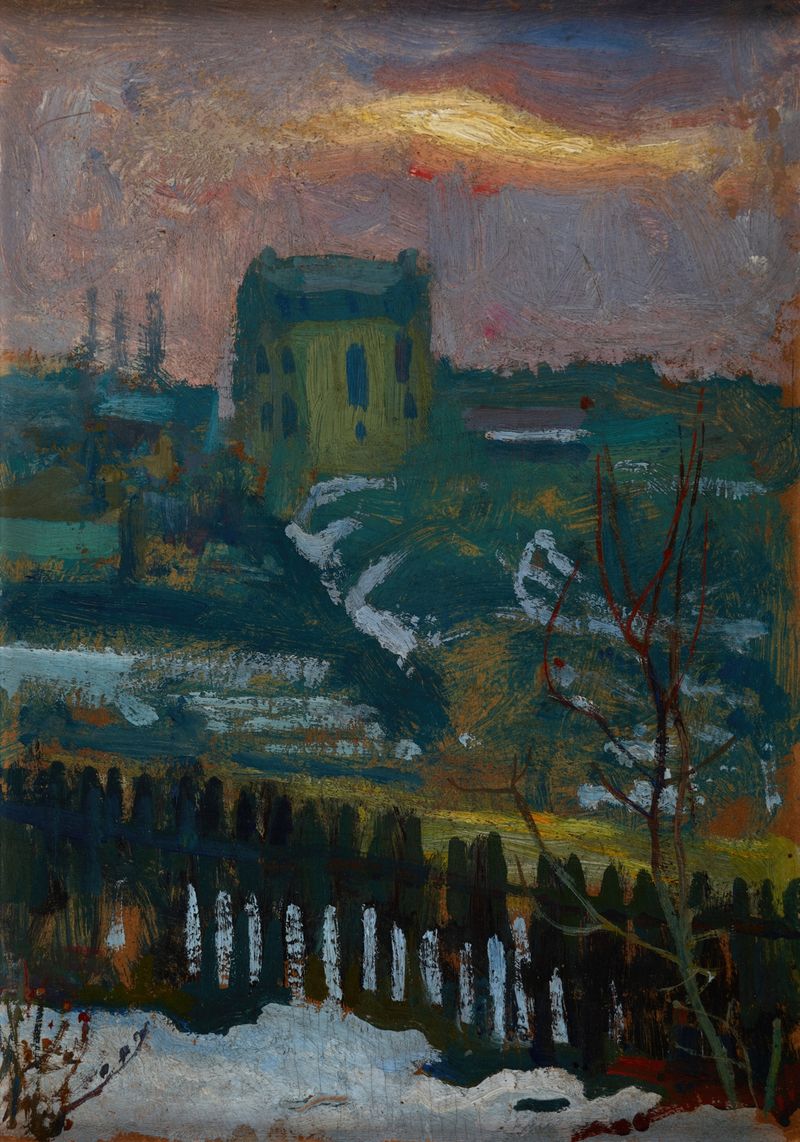
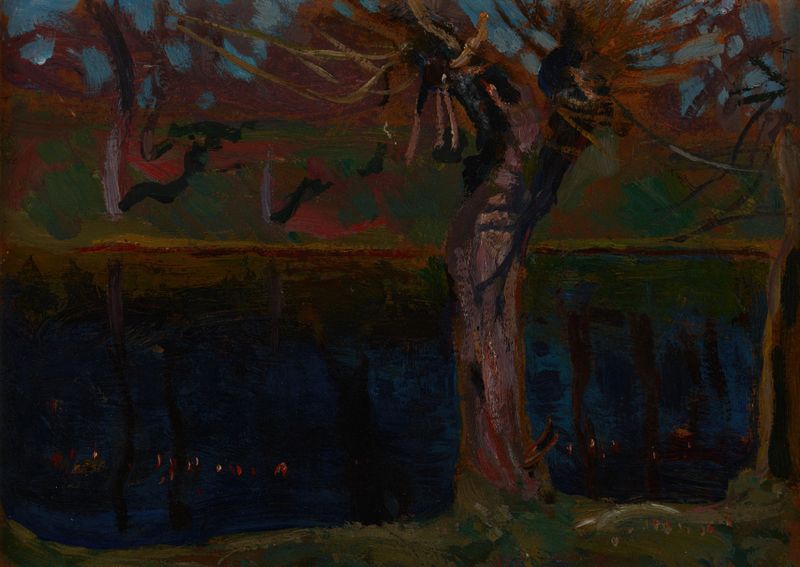
Where does light end, and longing begin? In Field at Białocerkiew, an ethereal landscape beckons with a quiet tension that speaks of both beauty and betrayal. The interplay of golden sunlight and shadow leads the viewer to explore the depths of emotion within the serene countryside. Look to the left at the rich, emerald grasses that sway gently in the breeze, reflecting the light with a warmth that feels almost alive. Notice how the brushstrokes dance, creating a sense of movement that ripples through the field, while the horizon blurs into soft pastels.
The composition's balance—between the vivid foreground and the tranquil sky—invites contemplation and reminds us that even in serenity, there lurks a hint of melancholy. In this field, the lushness may symbolize a fleeting moment of happiness, yet hints of desolation linger in the undercurrents. The contrast between light and shadow suggests an inner turmoil, a longing for what has been lost or remains unfulfilled. Each blade of grass stands not just as a part of the landscape but as a testament to memories woven into the fabric of nature, hinting at the betrayals that can transform joy into sorrow. In 1890, Jan Stanisławski painted this evocative piece while immersed in the vibrant art scene of Warsaw, influenced by the Impressionist movement that swept across Europe.
At this time, he sought to capture the essence of nature with emotional resonance, delving into personal experiences and the complexities of human sentiment. The world around him was shifting, and this artwork reflects both his artistic exploration and the broader societal changes taking place.