
Bielany at Dusk — History & Facts
What secret hides in the quiet of the canvas? In Jan Stanisławski's Bielany at Dusk, a palpable fear lingers just beneath the surface of twilight's embrace, whispering to us from the depths of the landscape. Look to the left at the darkening trees, their silhouettes jagged against the fading sky, where deep blues and purples bleed into one another. Notice how the light delicately caresses the foreground, casting an ethereal glow upon the gently rippling water through masterful brushwork that contrasts with the looming shadows. The composition draws the eye towards the horizon, where the last vestiges of daylight flicker like a candle struggling against the dark, hinting at the transient beauty of the moment and the ephemeral nature of life itself. Delve deeper into the painting's emotional landscape, where the interplay of light and shadow manifests a duality—beauty intertwined with unease.
The tranquil water reflects serenity, yet the encroaching darkness hints at the unknown, generating a tension that evokes introspection. The soft hues invite contemplation, but beneath their surface lies an undercurrent of fear, suggesting that twilight transitions are not merely endings, but also beginnings fraught with uncertainty. In 1905, Stanisławski was immersed in the artistic currents of Poland, capturing landscapes that spoke to the national identity amidst a backdrop of political turmoil. He painted Bielany at Dusk during a time when Impressionism was evolving, revealing his exploration of light and atmosphere, as well as his own emotional response to the world around him.
This piece reflects not just a moment in time, but the complexity of human emotion confronted by nature’s quiet, yet formidable, presence.
More Artworks by Jan Stanisławski
Browse all →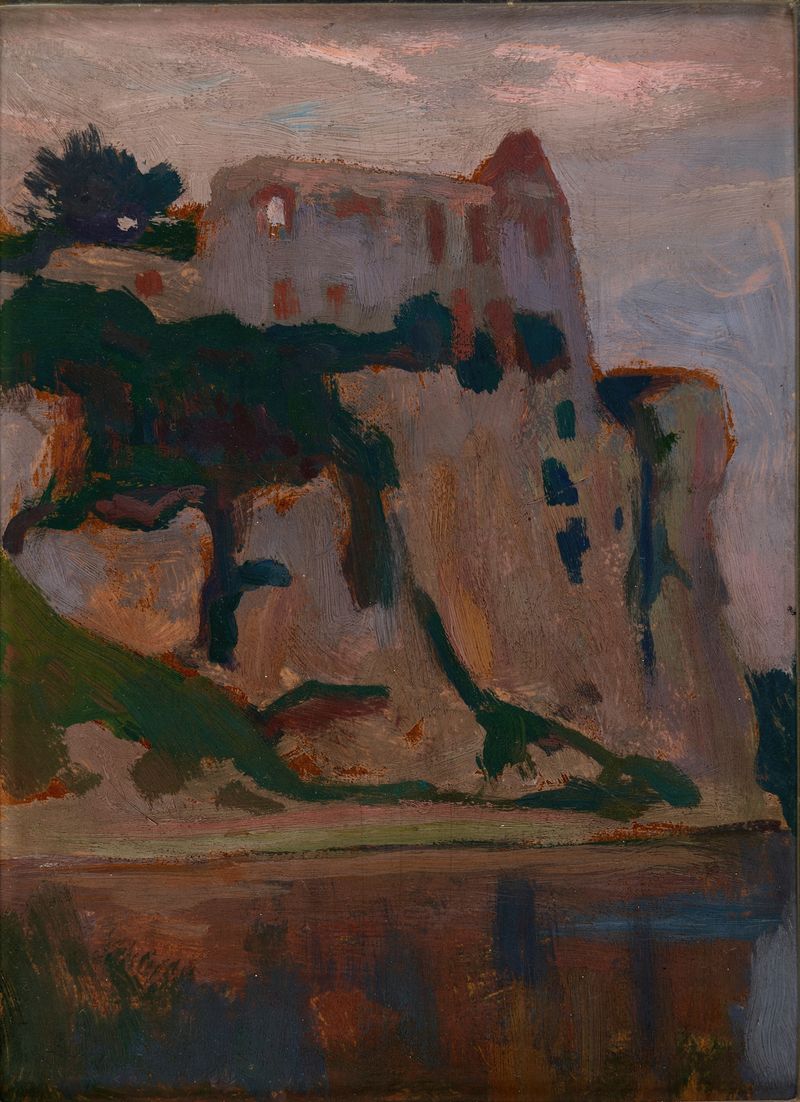
Tyniec at Dawn
Jan Stanisławski
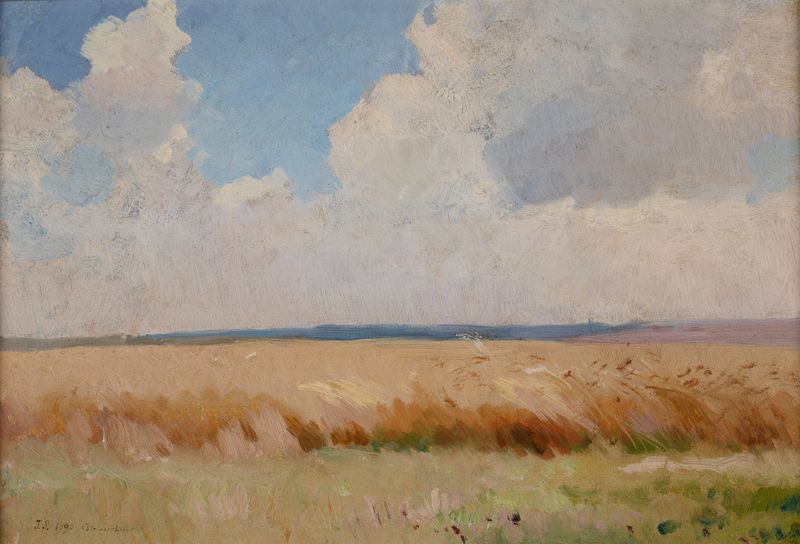
Field at Białocerkiew (Bila Tserkva)
Jan Stanisławski
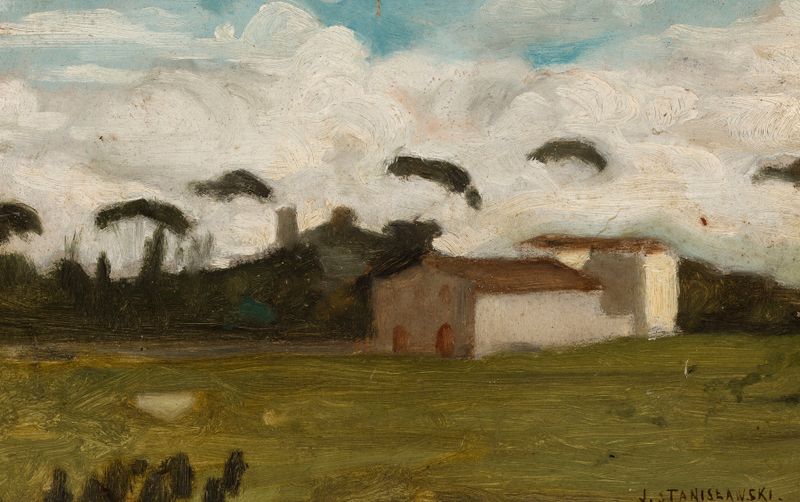
Landscape
Jan Stanisławski
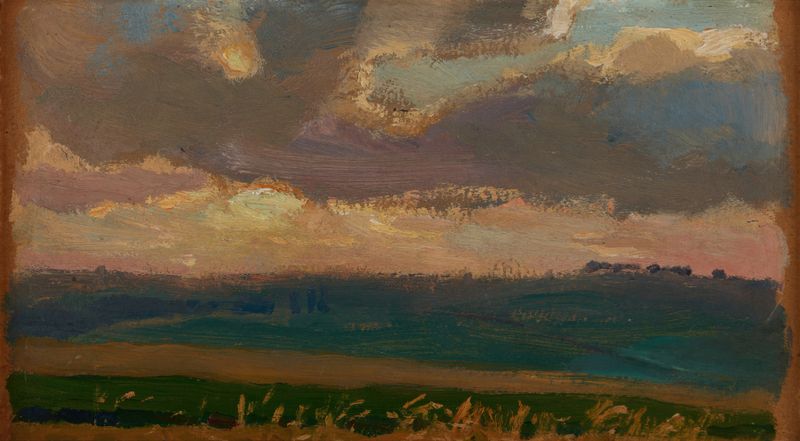
Fields at Proszowice
Jan Stanisławski
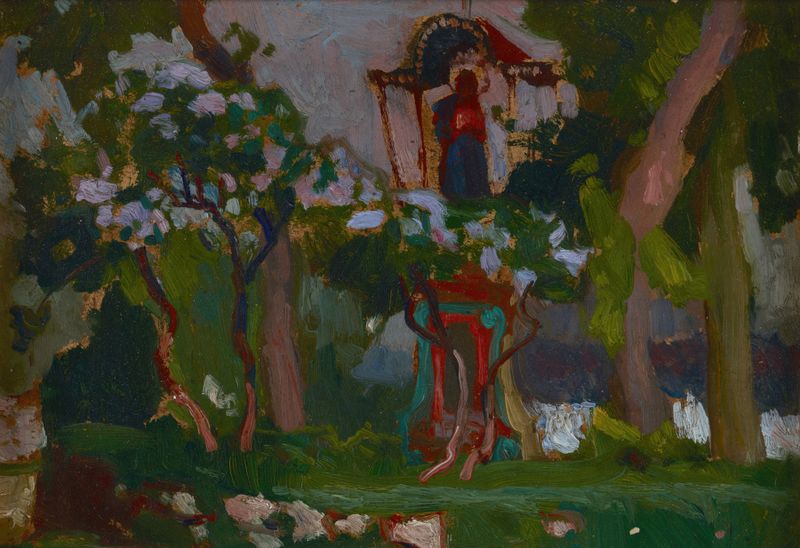
May
Jan Stanisławski
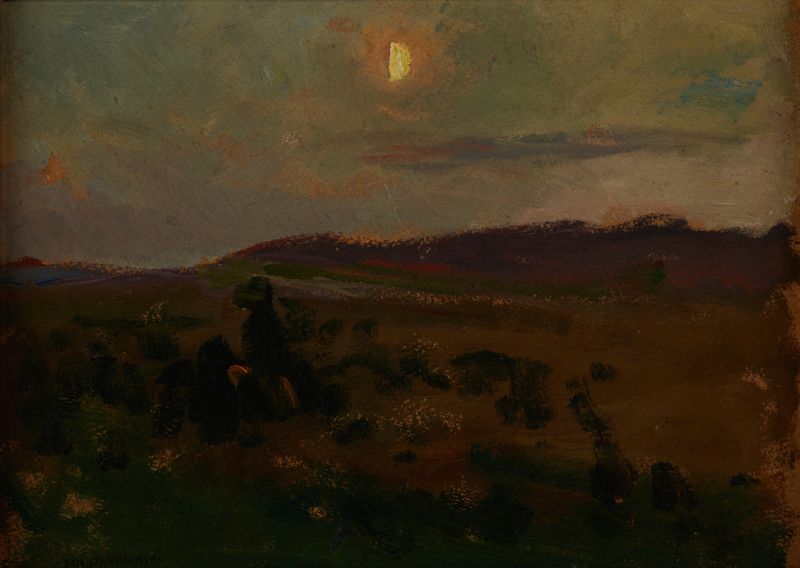
Moonrise
Jan Stanisławski
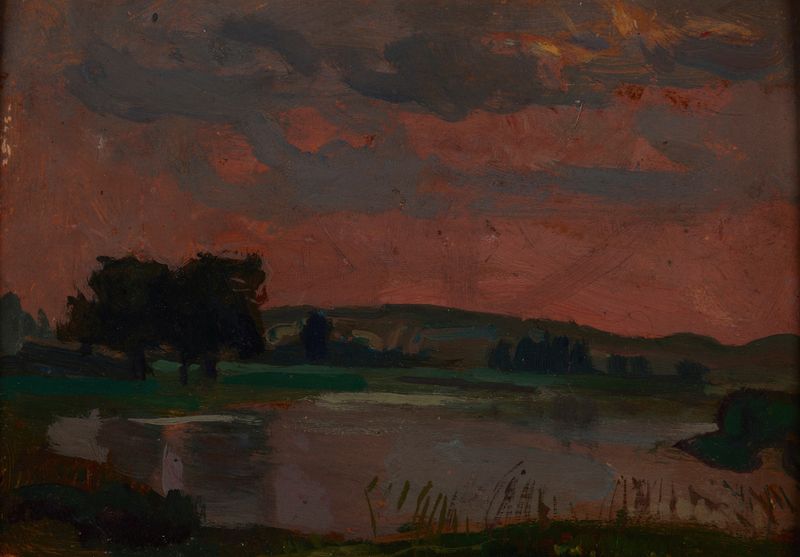
The Vistula in the Twilight
Jan Stanisławski
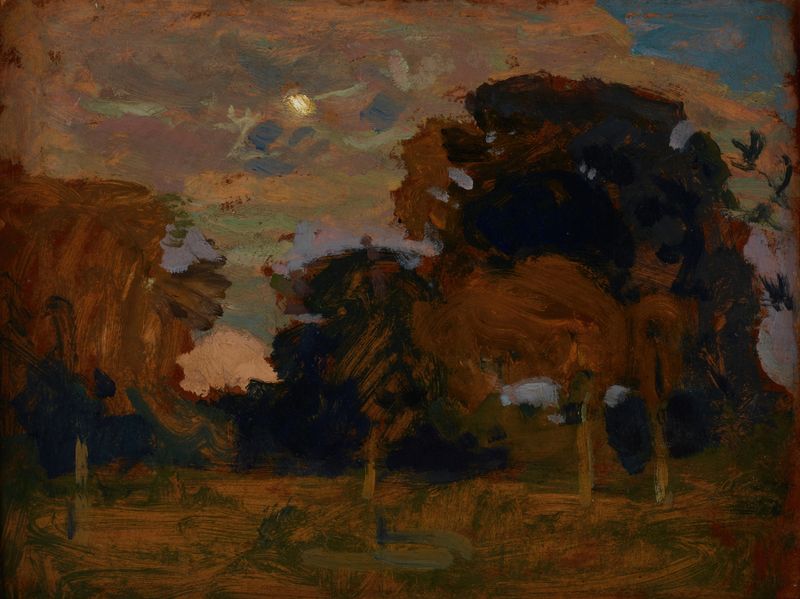
Moon in the Clouds
Jan Stanisławski
House in Winter
Jan Stanisławski
Pond
Jan Stanisławski





