
Moonrise — History & Facts
In the intimate embrace of twilight, moments of wonder unfurl like petals in the dark; a quiet stillness envelops the viewer, inviting them to pause and reflect. Look to the center of the canvas where the moon, a radiant orb of silvery light, rests above the horizon, casting a shimmering path across the water. Notice how the artist's brushstrokes blend deep blues and soft whites, creating a serene atmosphere that draws the eye into the depths of the night sky. The gentle ripples in the water mirror the celestial dance, while the surrounding landscape, a mix of silhouettes and muted colors, serves as a harmonious backdrop, amplifying the moon's ethereal glow. Delve deeper into the layers of this piece, and you'll find a conversation between solitude and connection.
The moon, a symbol of inspiration and mystery, invites both contemplation and unity, bridging the gap between earth and sky. The subtle interplay of light and shadow hints at the emotions of longing and introspection, revealing the dichotomy of awe and the vastness of existence that each viewer may interpret in their own way. In 1906, Jan Stanisławski painted Moonrise during a period marked by the rise of modernism in Polish art. Living in Warsaw, he was actively engaging with new techniques and ideas, inspired by the Symbolist movement.
This work reflects not only his personal exploration of nature and emotion, but also the shifting artistic landscape of the time, as artists began to embrace a more subjective and introspective approach to their creations.
More Artworks by Jan Stanisławski
Browse all →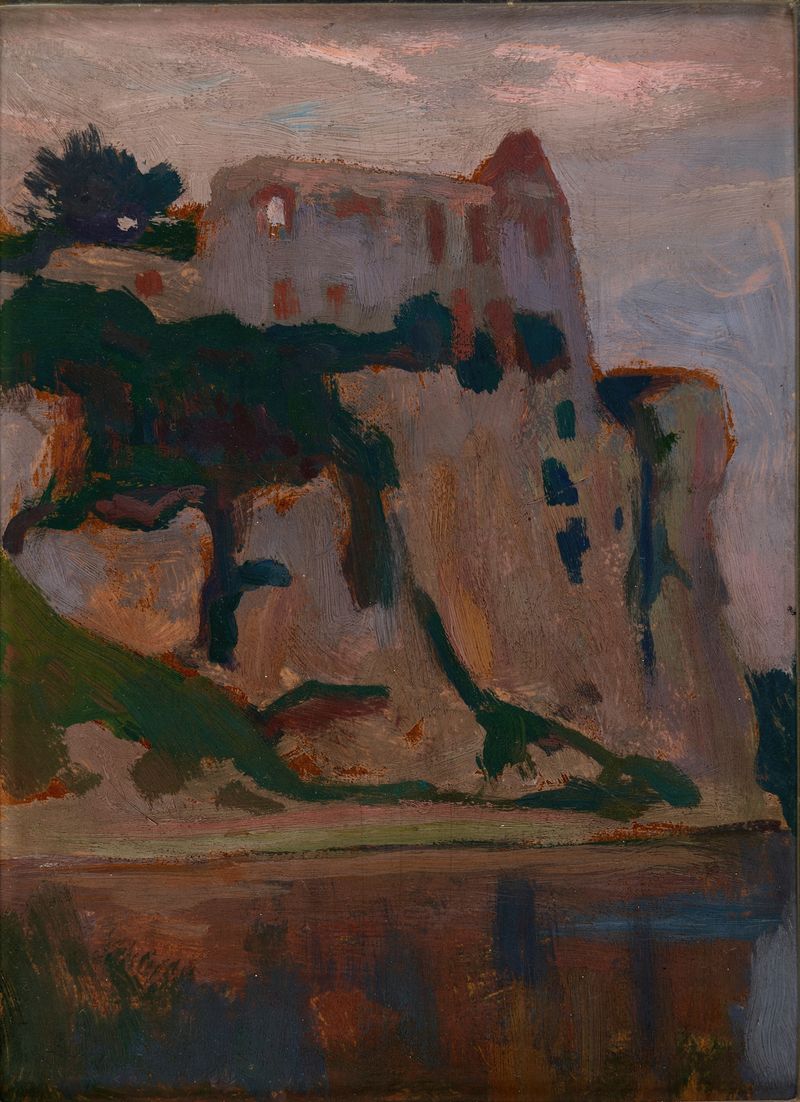
Tyniec at Dawn
Jan Stanisławski
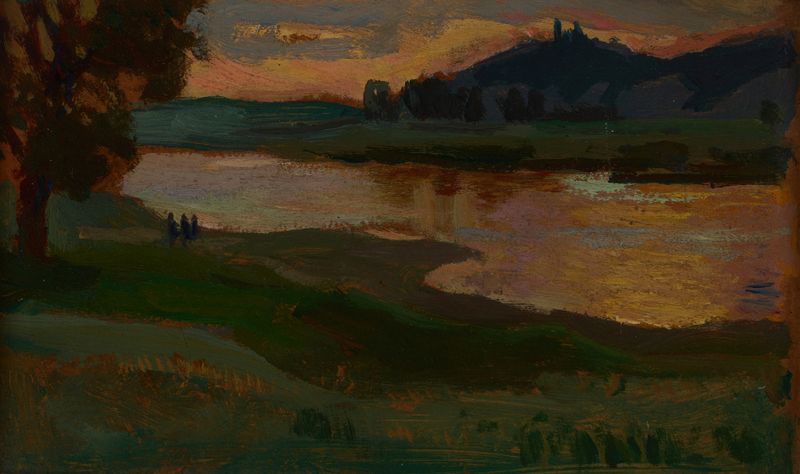
Bielany at Dusk
Jan Stanisławski
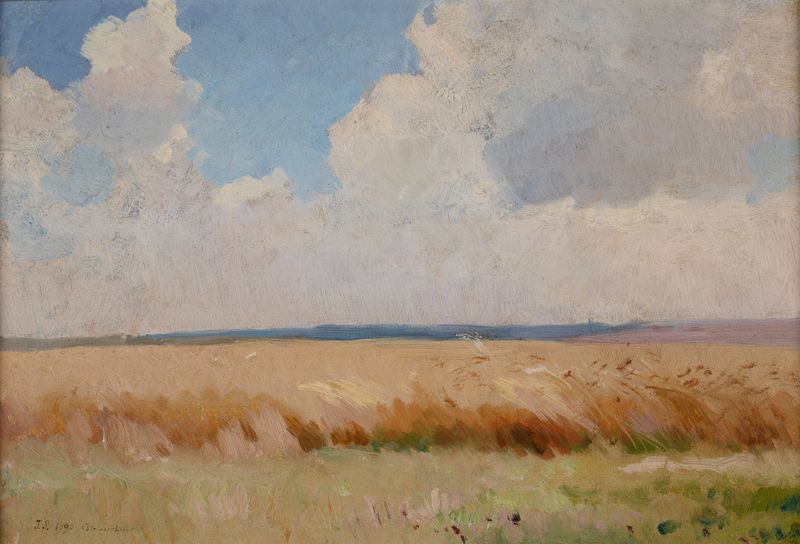
Field at Białocerkiew (Bila Tserkva)
Jan Stanisławski
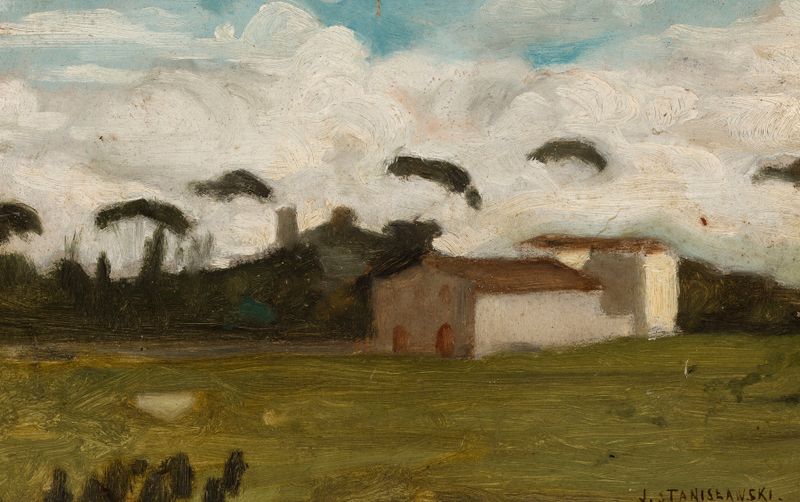
Landscape
Jan Stanisławski
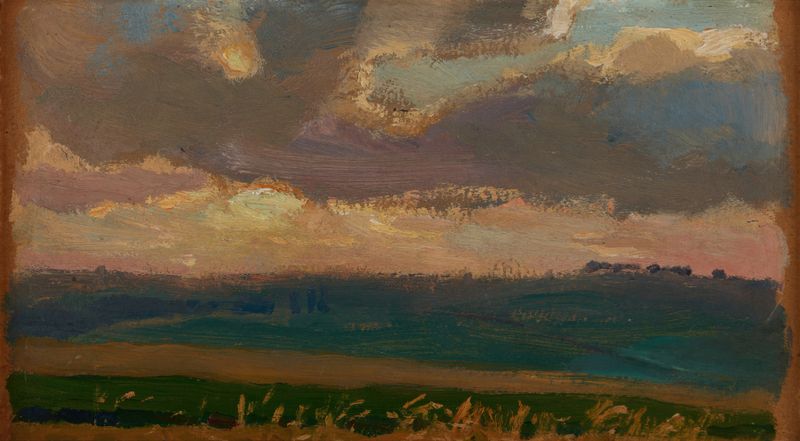
Fields at Proszowice
Jan Stanisławski
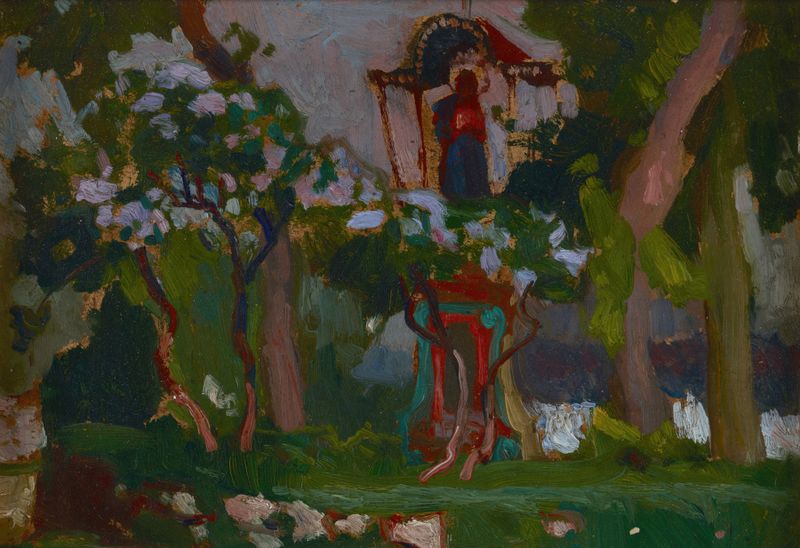
May
Jan Stanisławski
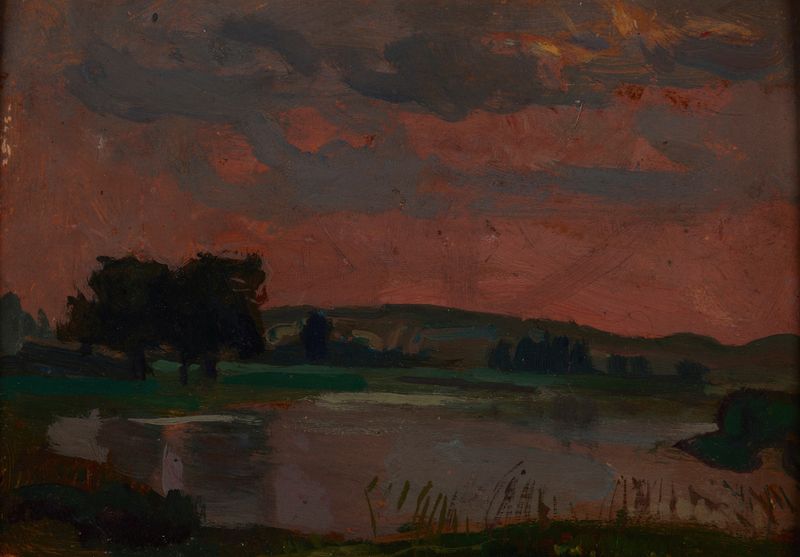
The Vistula in the Twilight
Jan Stanisławski
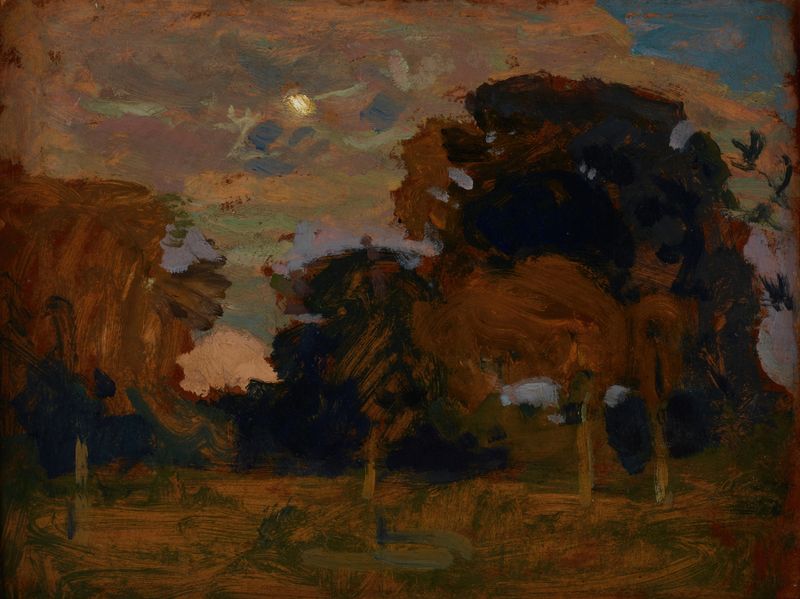
Moon in the Clouds
Jan Stanisławski
House in Winter
Jan Stanisławski
Pond
Jan Stanisławski





