
The Vistula in the Twilight — History & Facts
What if silence could speak through light? In The Vistula in the Twilight, a hushed moment reveals a world suspended between day and night, where whispers of color blend seamlessly into the vast, tranquil expanse of the river. Focus on the soft gradient of twilight embracing the horizon, where warm hues of orange and pink dissolve into the deepening blues. The winding river, framed by gentle silhouettes of trees, invites your gaze to flow along its surface, reflecting the delicate interplay of light and shadow. Notice how the artist employs broad, textured brushstrokes, creating a sense of movement that mirrors the soft lapping of water, as if the scene breathes with life even in stillness. The contrast between the vibrant sky and the darkening land evokes a profound sense of longing, as if the viewer stands on the cusp of two worlds—the known and the unknown.
This dichotomy speaks to an obsession with the fleeting moments of beauty in life, capturing the ephemeral nature of twilight before it fades into darkness. Look closely at the subtle details in the foliage, where each stroke seems to pulse with emotion, hinting at stories untold. Painted in 1906, this work emerged during a significant period for the artist, who was deeply influenced by the Impressionist movement. Stanisławski was based in Poland at the time, navigating an art world that was beginning to explore new techniques and emotional depths.
The vibrant natural landscapes around him inspired a dedication to capturing the essence of light and atmosphere, marking a pivotal moment in his artistic journey.
More Artworks by Jan Stanisławski
Browse all →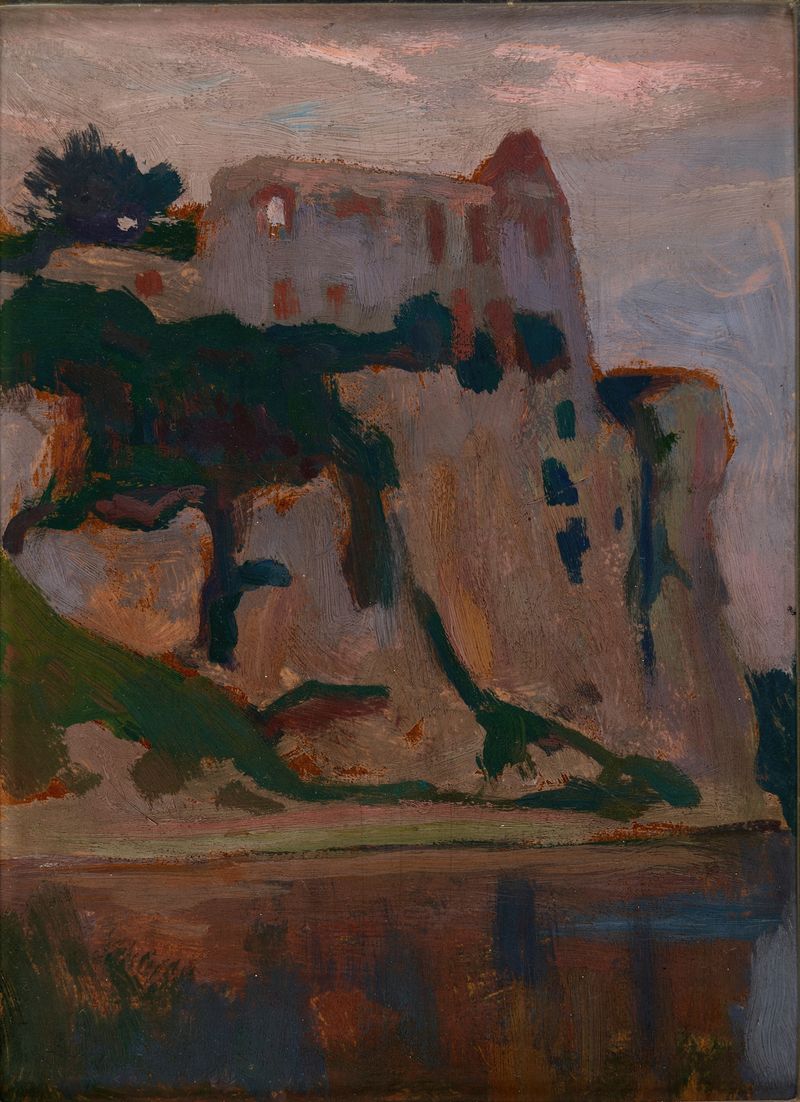
Tyniec at Dawn
Jan Stanisławski
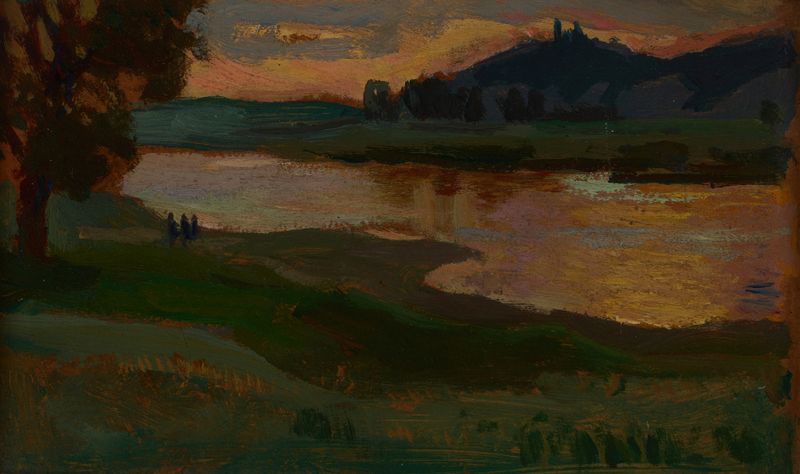
Bielany at Dusk
Jan Stanisławski
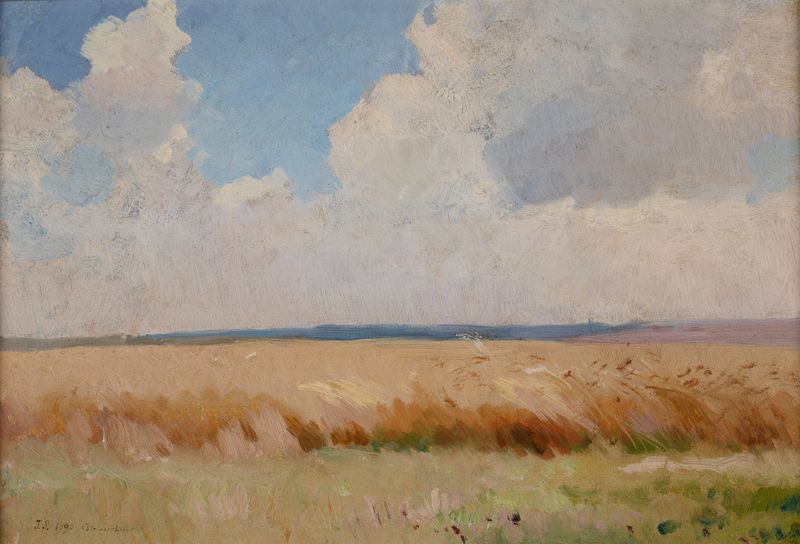
Field at Białocerkiew (Bila Tserkva)
Jan Stanisławski
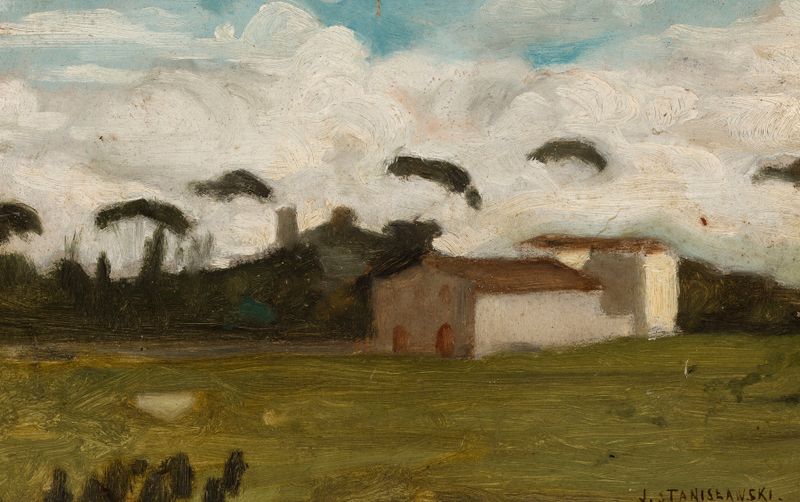
Landscape
Jan Stanisławski
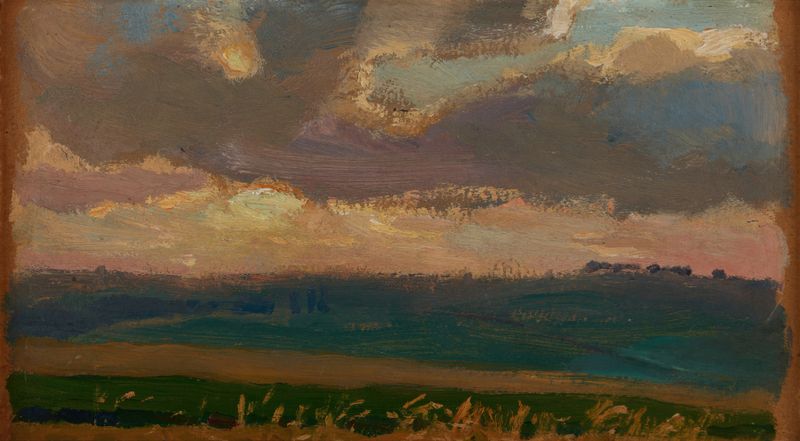
Fields at Proszowice
Jan Stanisławski
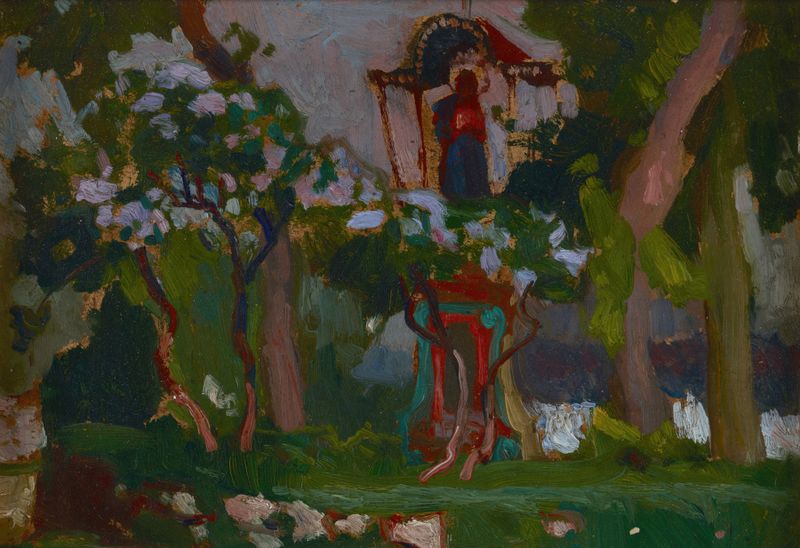
May
Jan Stanisławski
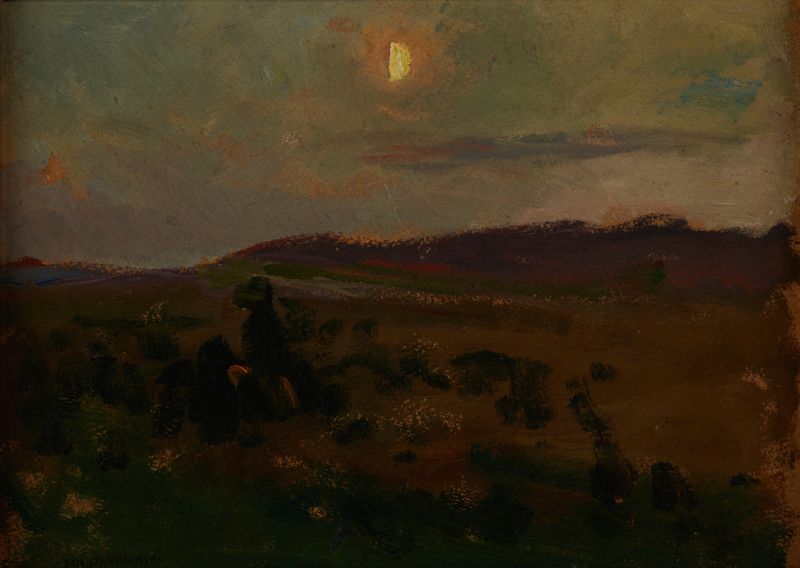
Moonrise
Jan Stanisławski
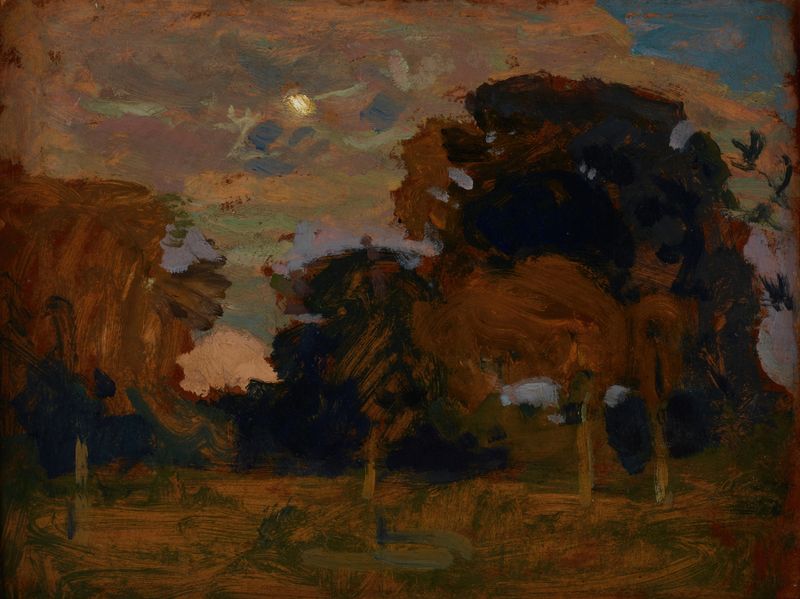
Moon in the Clouds
Jan Stanisławski
House in Winter
Jan Stanisławski
Pond
Jan Stanisławski





