
House in Winter — History & Facts
In the heart of winter, chaos settles into a quiet embrace, revealing the profound stillness that lies beneath the surface of life. Look to the center of the painting where the house stands resolute against a backdrop of swirling snow. Its muted colors—soft grays and blues—capture a sense of solitude, while the white canvas of snow wraps around it like a shroud, enhancing the isolation. Notice how the brushstrokes mimic the gentle fall of snowflakes, blending the edges of the home and surrounding trees, creating a dance between structure and nature.
This technique draws the eye inward, inviting contemplation of both the warmth within and the chill outside. The stark contrast between the solidity of the house and the ethereal quality of the snow suggests an internal struggle between chaos and harmony. The artist captures the tension of a world suspended in time; while the exterior is consumed by winter’s chaos, the house symbolizes endurance and shelter. Each window, dark and uninviting, hints at stories untold and secrets kept, amplifying the emotional weight of silence woven throughout the scene. In 1901, Jan Stanisławski painted this work during a pivotal period of his career in Poland, where he was exploring the interplay of light and shadow through the lens of Impressionism.
At this time, the art world was shifting, and artists were beginning to embrace new styles that reflected the complexities of their environments. Stanisławski's focus on atmospheric elements and emotional resonance marked his unique contribution to the movement, capturing the raw beauty of winter's embrace amid the chaos of life.
More Artworks by Jan Stanisławski
Browse all →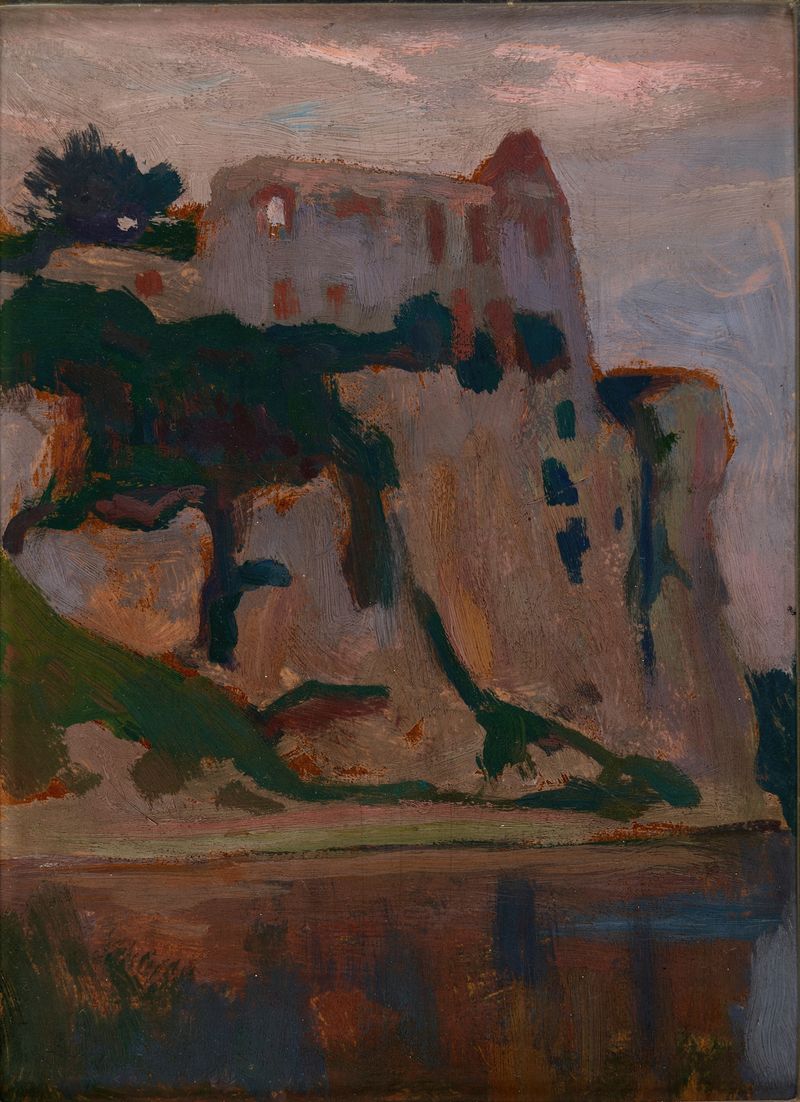
Tyniec at Dawn
Jan Stanisławski
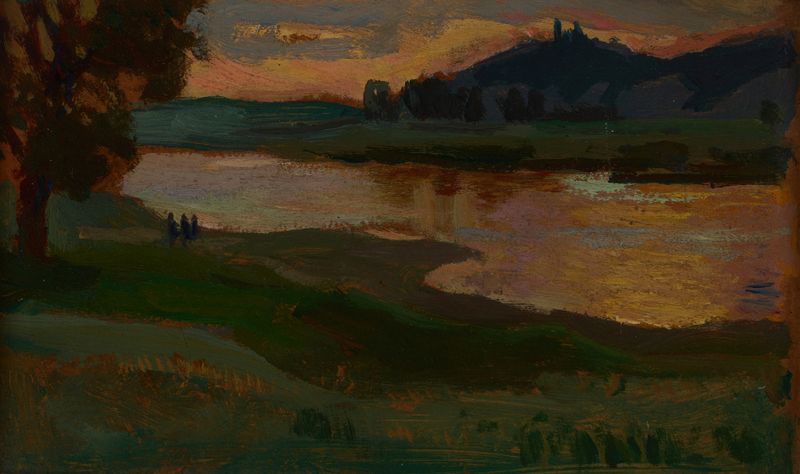
Bielany at Dusk
Jan Stanisławski
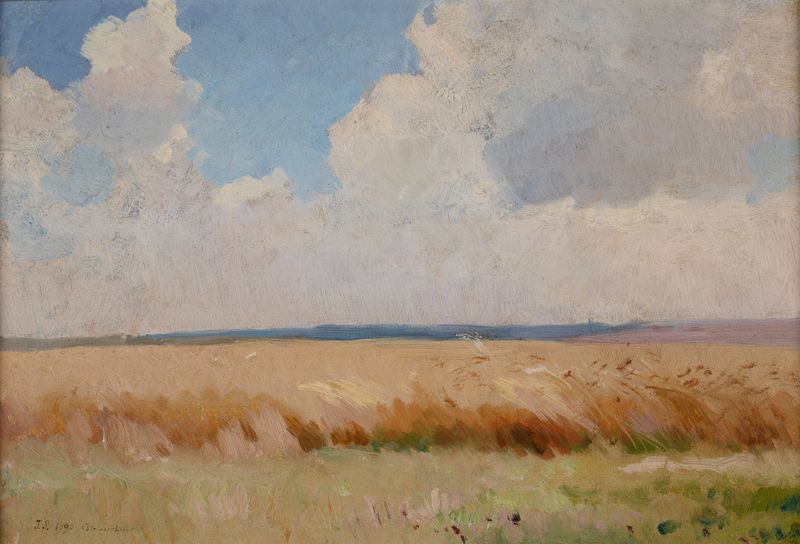
Field at Białocerkiew (Bila Tserkva)
Jan Stanisławski
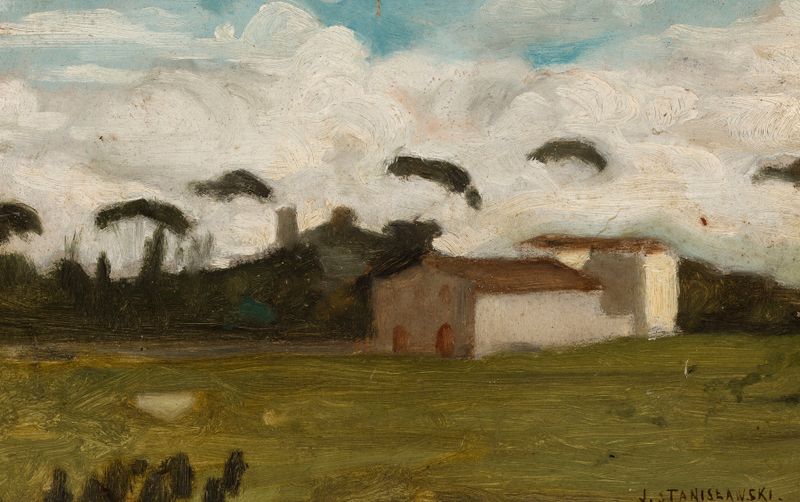
Landscape
Jan Stanisławski
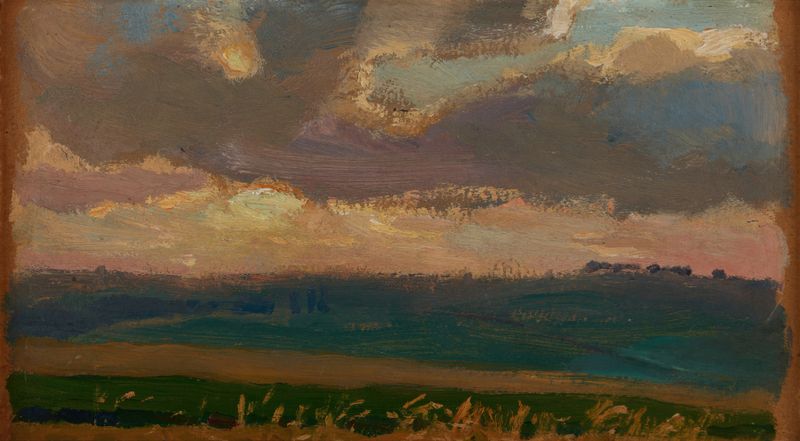
Fields at Proszowice
Jan Stanisławski
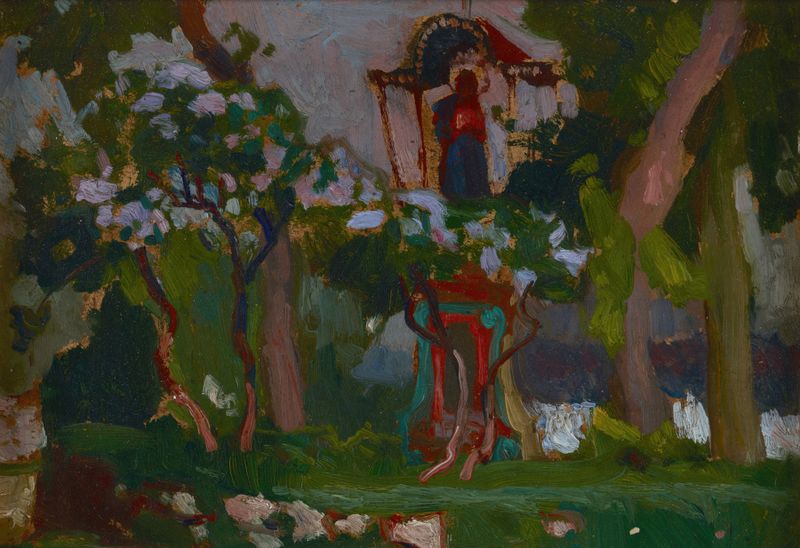
May
Jan Stanisławski
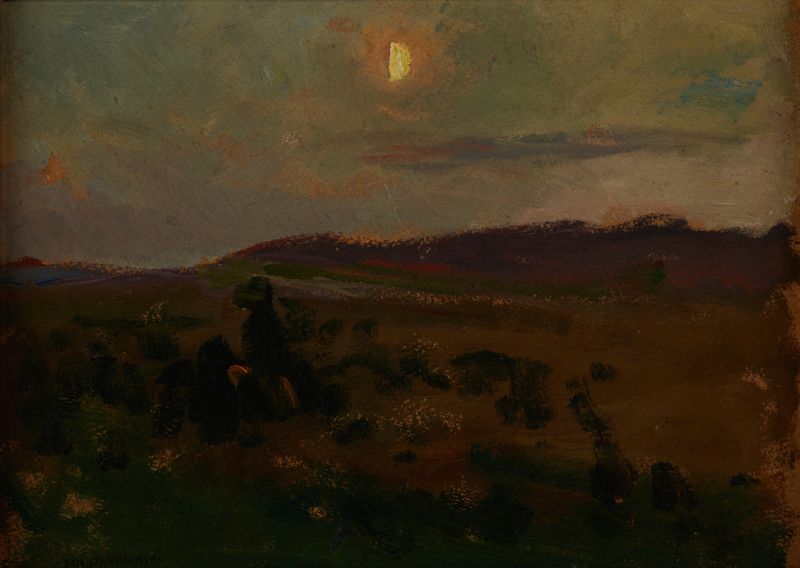
Moonrise
Jan Stanisławski
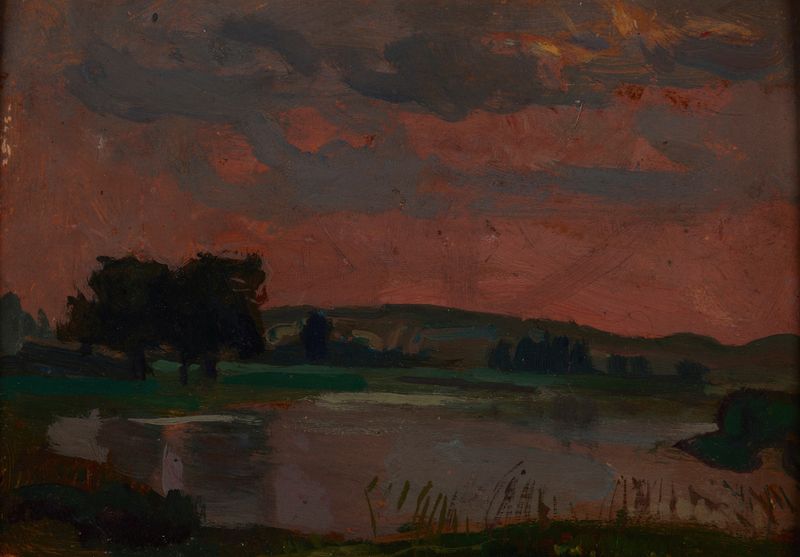
The Vistula in the Twilight
Jan Stanisławski
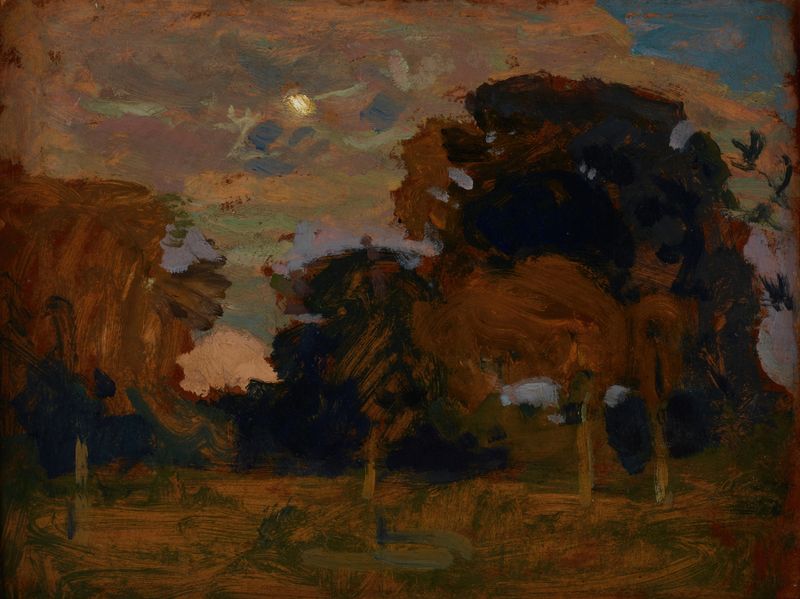
Moon in the Clouds
Jan Stanisławski
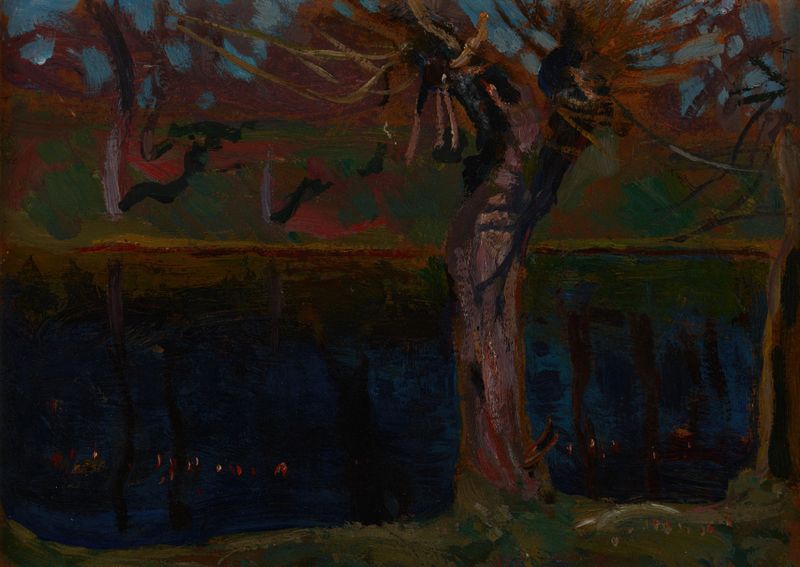
Pond
Jan Stanisławski





