
Tyniec at Dawn — History & Facts
Can paint confess what words never could? As the early light spills over the horizon, the canvas breathes with whispers of obsession, revealing truths found only in the quiet of dawn. Focus on the soft palette of blues and pinks that envelops the landscape, guiding your eyes first to the shimmering reflections on the water's surface. Notice how the gentle brushstrokes imitate the fluidity of water, while the delicate interplay of light and shadow frames the church atop the hill, standing resolute against the waking day. The composition draws you in, inviting contemplation and an appreciation for the serene yet powerful beauty of this moment. Delve deeper into the contrasts within the piece: the tranquility of the dawn juxtaposed with the towering structures that symbolize humanity’s quest for permanence.
The ethereal glow hints at both hope and the inevitable passage of time, urging the viewer to reflect on the fleeting nature of existence. Here, the artist captures not just a landscape, but an emotional landscape, where the sacred and the mundane intertwine in silent dialogue. In 1904, Jan Stanisławski painted this piece during a time of personal exploration in his career. Living in Poland, he was heavily influenced by the art movements of the period, striving to convey emotional depth through his landscapes.
This work is emblematic of his commitment to capturing the essence of a moment — a testament to his belief that art could express the inexpressible.
More Artworks by Jan Stanisławski
Browse all →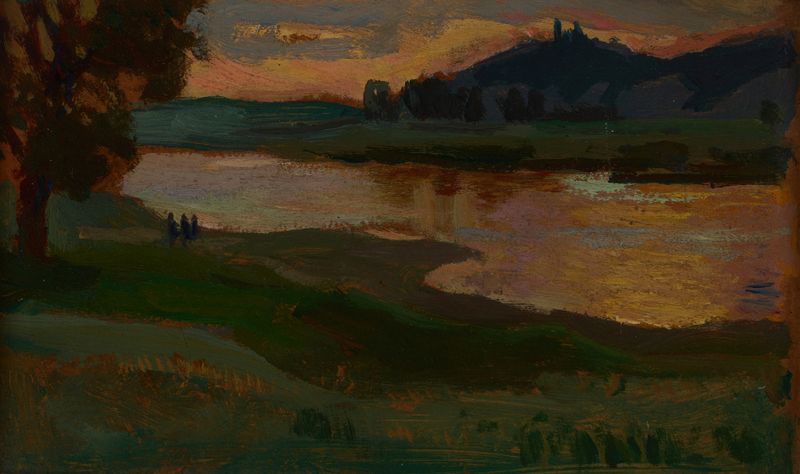
Bielany at Dusk
Jan Stanisławski
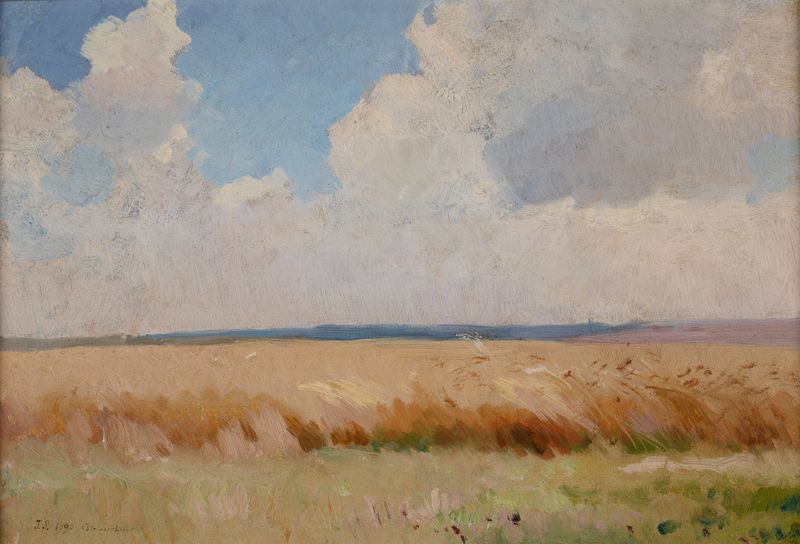
Field at Białocerkiew (Bila Tserkva)
Jan Stanisławski
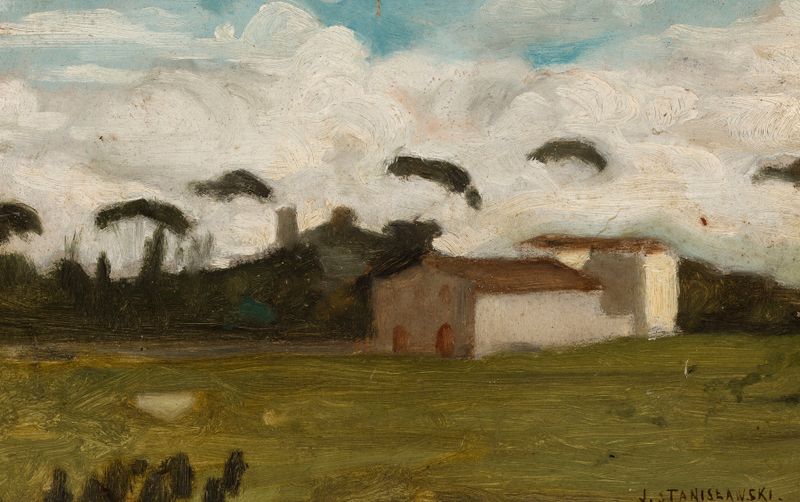
Landscape
Jan Stanisławski
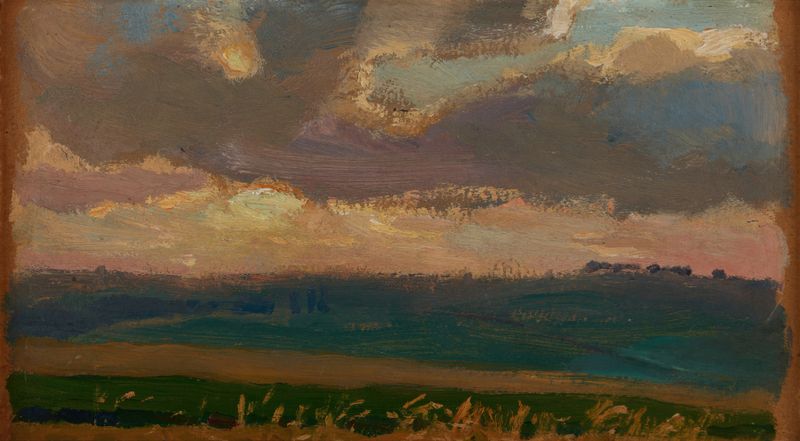
Fields at Proszowice
Jan Stanisławski
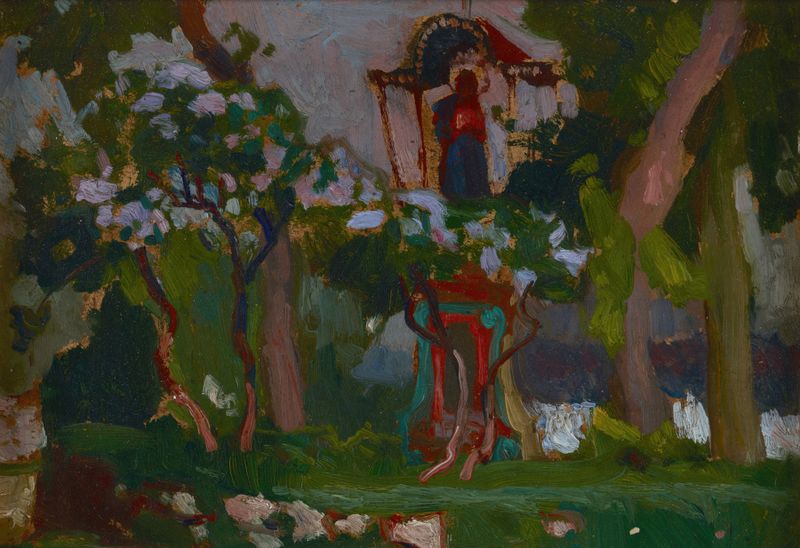
May
Jan Stanisławski
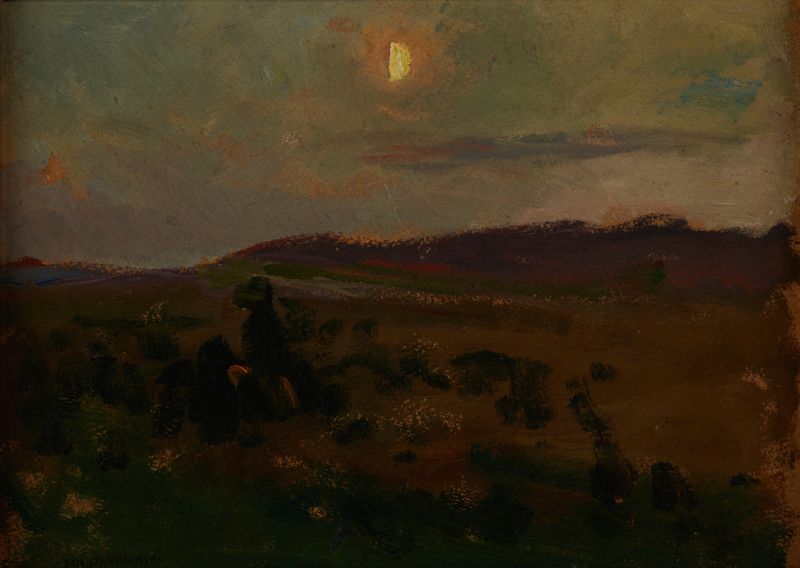
Moonrise
Jan Stanisławski
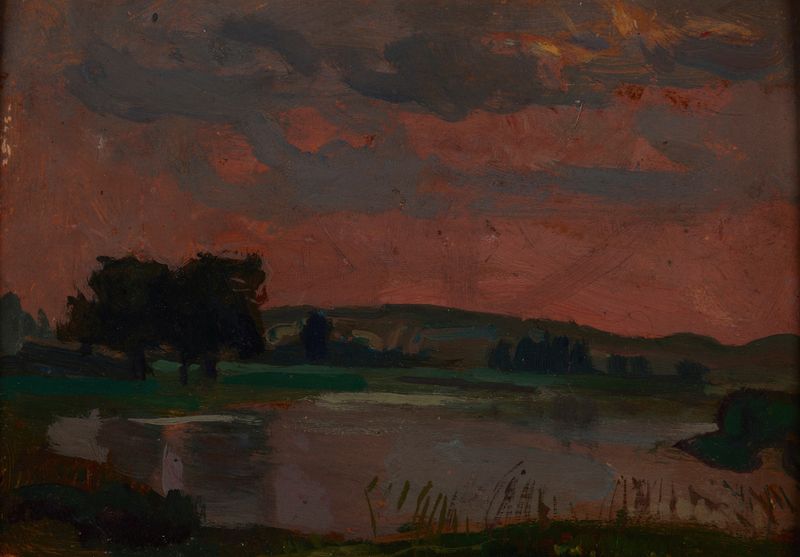
The Vistula in the Twilight
Jan Stanisławski
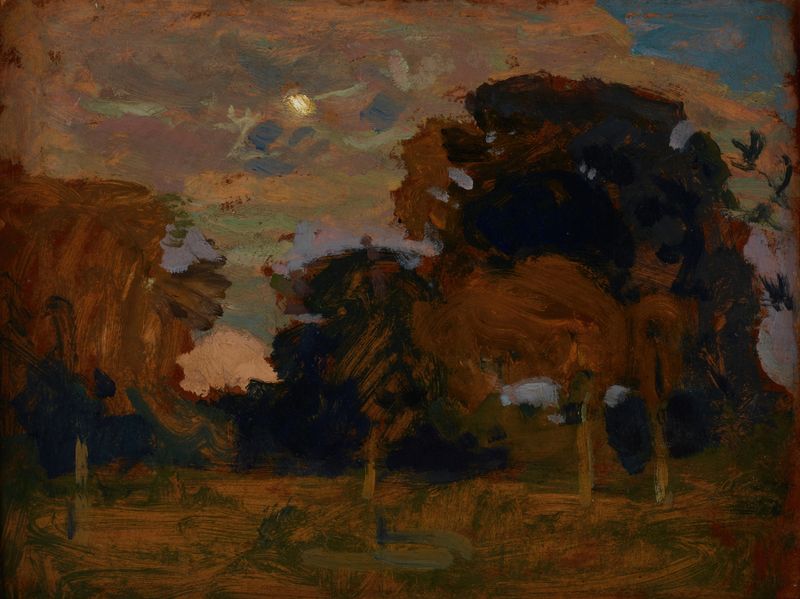
Moon in the Clouds
Jan Stanisławski
House in Winter
Jan Stanisławski
Pond
Jan Stanisławski





