
Emperor Maximilan I. (1459-1519) — History & Facts
What first seizes the viewer in this portrait is the sharp, almost architectural profile of the sitter, crowned by a fur hat that seems to float above a mane of golden hair. The gaze is fixed, unswerving, as if the subject is looking not at us, but toward a future only he can see. Every detail is a signal of power and lineage: the heavy gold chain across his shoulders, the rich fur, the patterned crimson beneath.
The green background, smooth and unbroken, throws every element of the figure into relief, isolating him as an emblem of authority. The inscription at the top is not mere decoration—it proclaims identity, reign, and age, transforming the painting into both likeness and public statement. Works like this, emerging from the world of the early sixteenth century, were not simply private mementos but tools of dynastic image-making. Portraits of rulers such as Emperor Maximilian I were commissioned to assert legitimacy, to circulate a controlled image of power across the courts of Europe.
Albrecht Dürer was famed for his ability to blend northern precision with Italian grandeur, and even if little is recorded about this specific painting from the Staatliche Museen zu Berlin, its style and ambition speak to the era’s hunger for both likeness and legacy. The painting invites us to linger on the face that once shaped the fate of an empire, and to wonder what it meant to be seen, and remembered, in such a way.
More Artworks by Albrecht Dürer

Melancholia
Albrecht Dürer

St. George and the dragon.
Albrecht Dürer
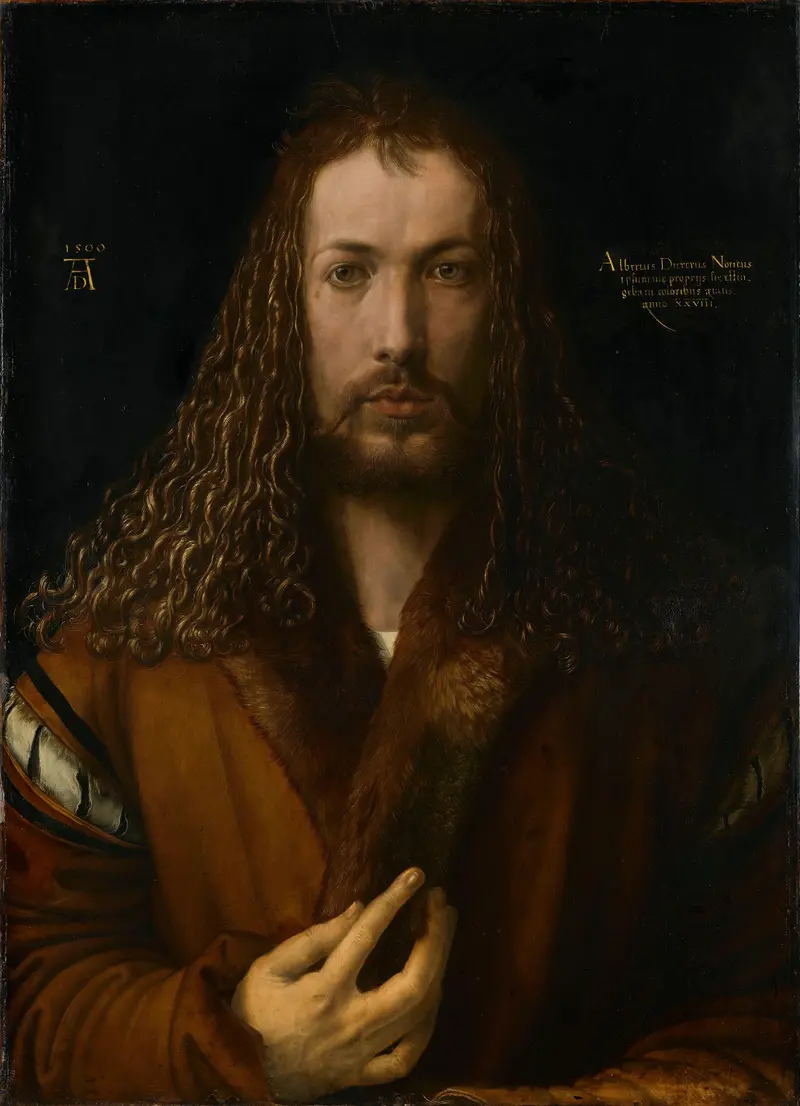
Self-Portrait with Fur-Trimmed Robe
Albrecht Dürer

Wing of a European Roller
Albrecht Dürer
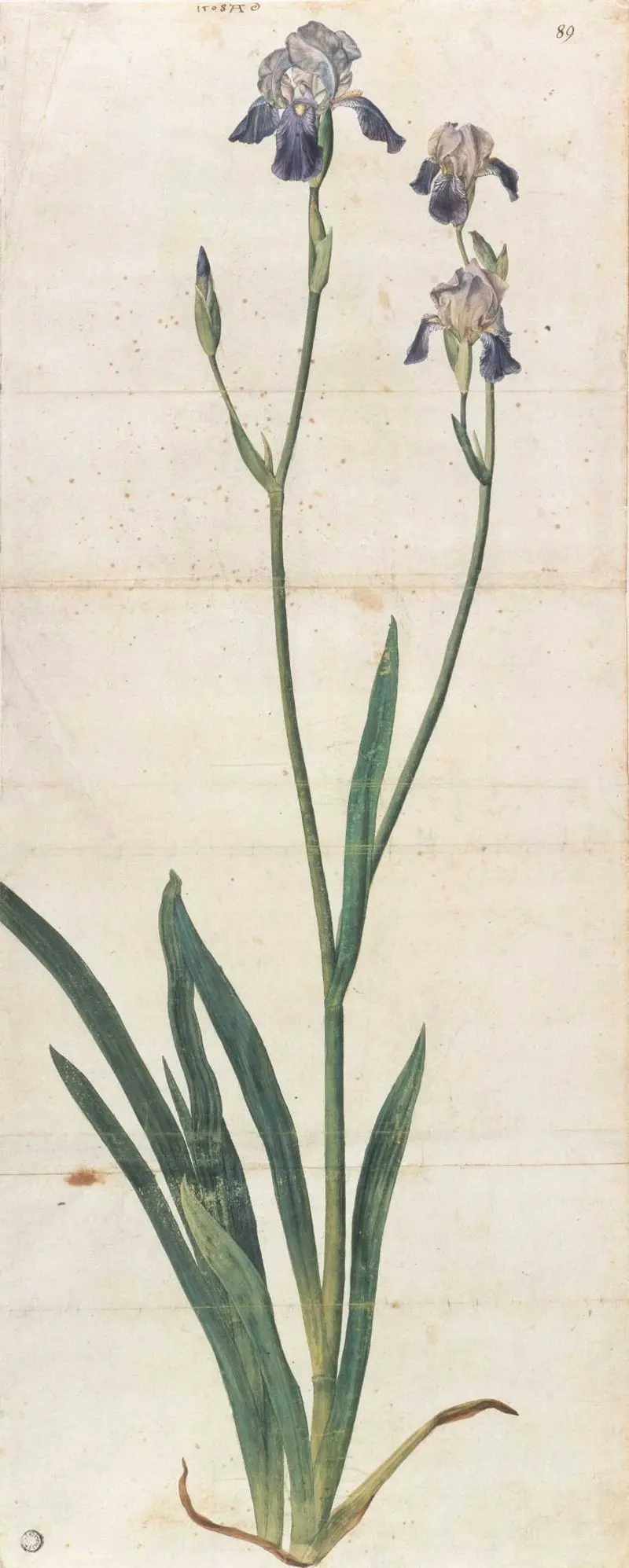
Iris
Albrecht Dürer
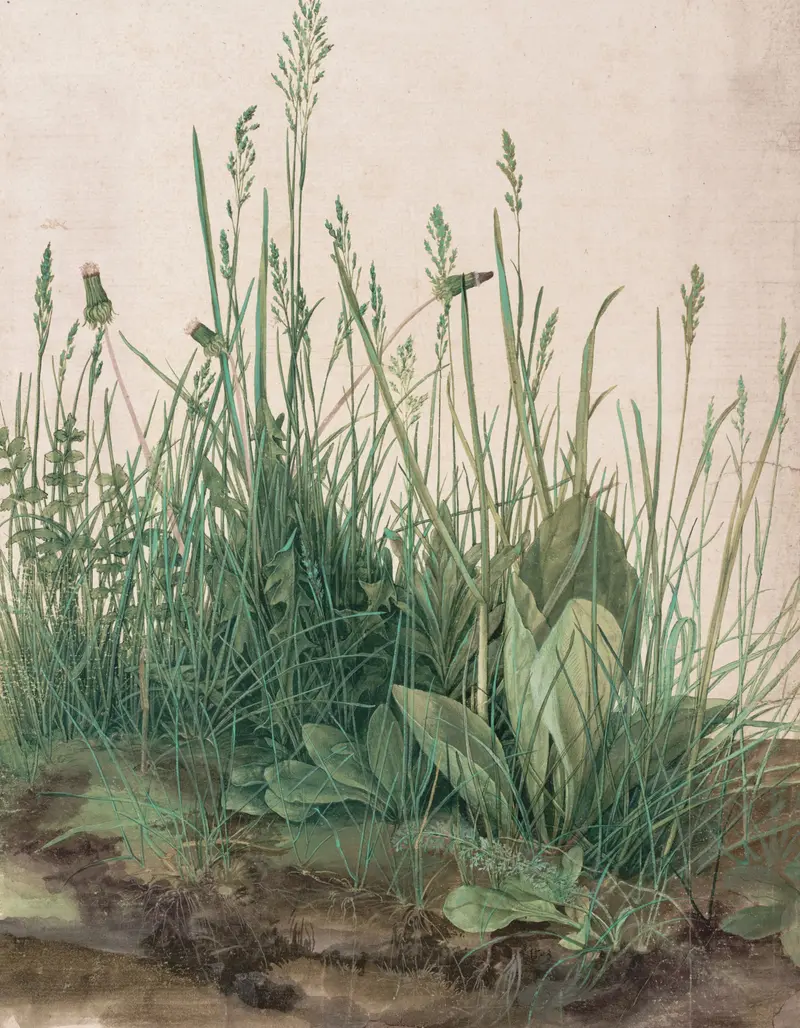
The Great Piece of Turf
Albrecht Dürer
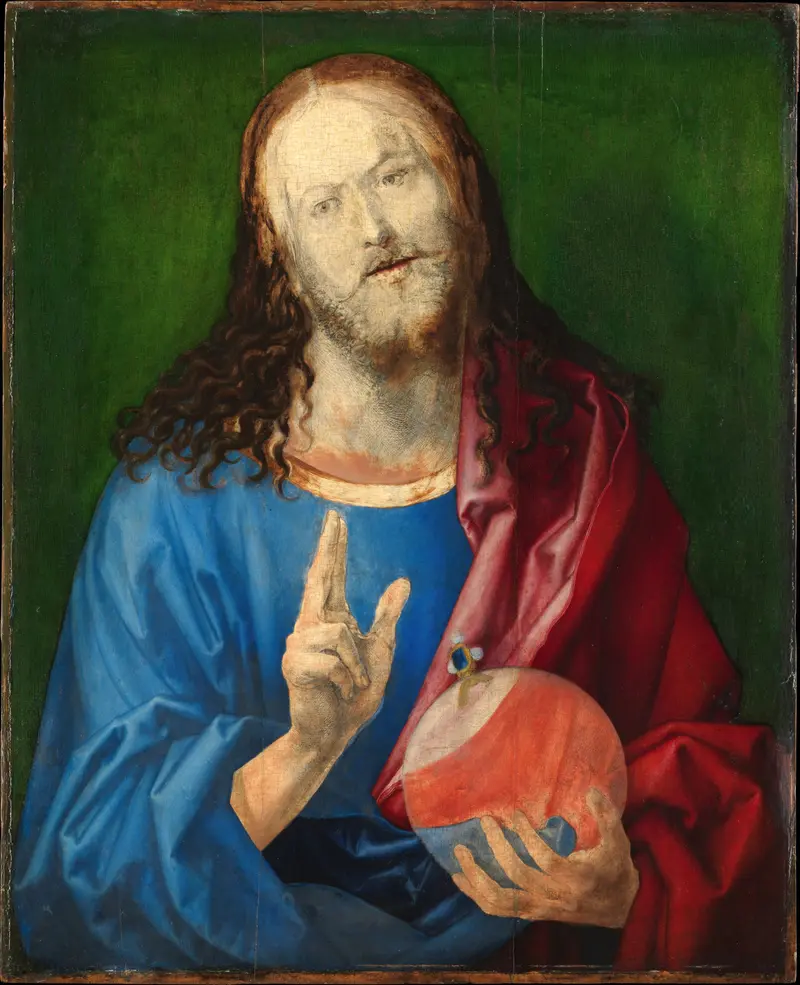
Salvator Mundi
Albrecht Dürer
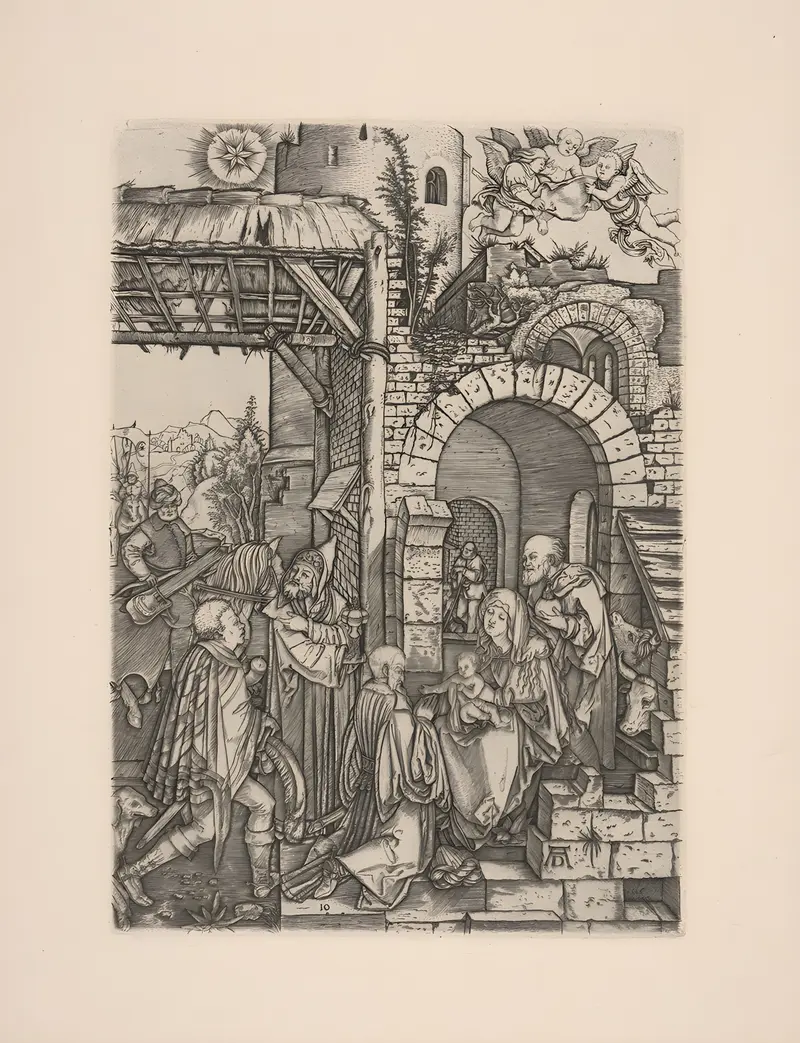
The Adoration of the Magi
Albrecht Dürer
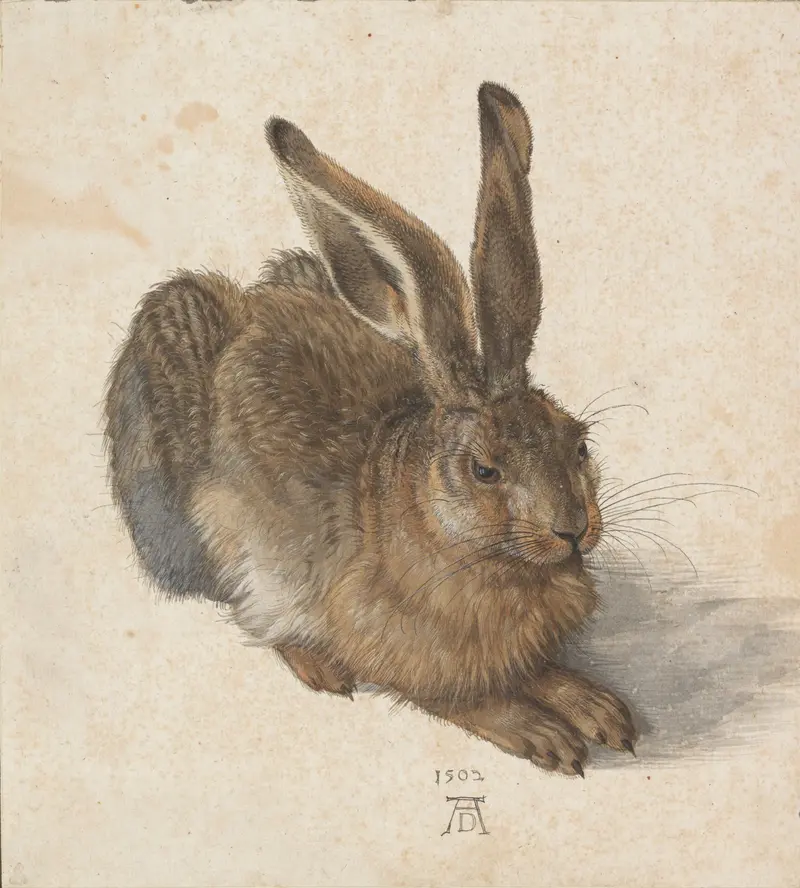
Young Hare
Albrecht Dürer
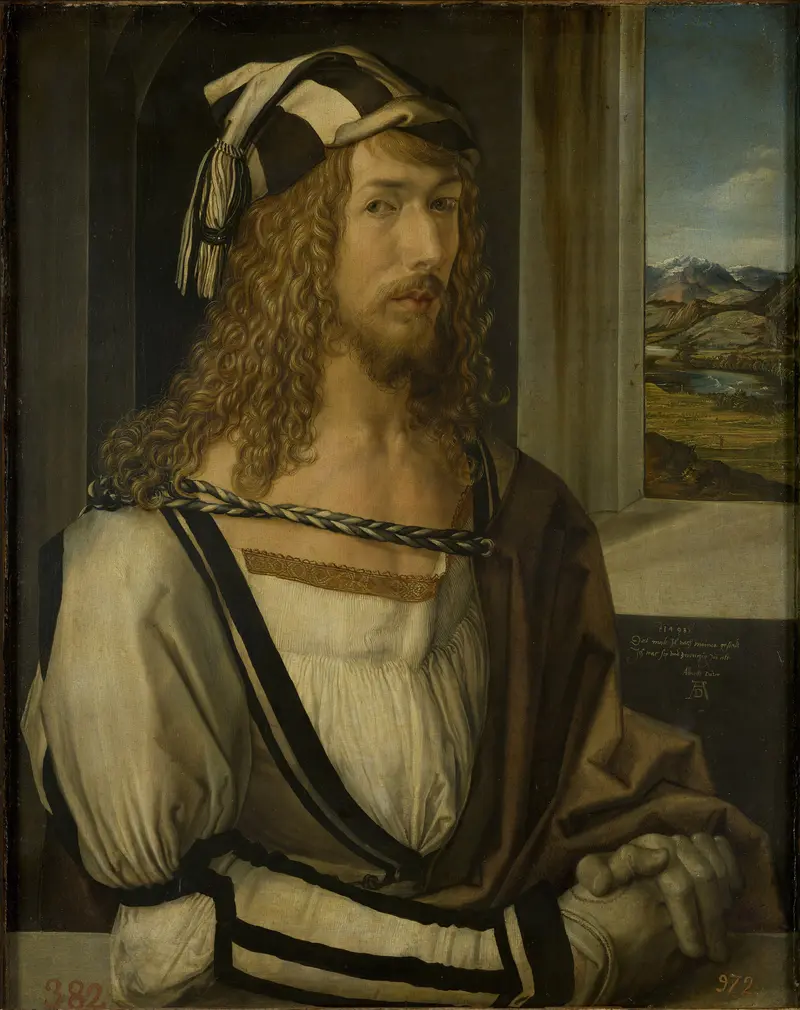
Self-portrait
Albrecht Dürer





