
Emperor Maximilian I — History & Facts
What first seizes the eye in Emperor Maximilian I is the unflinching directness of the emperor’s gaze—turned away from the viewer, yet weighted with the sense of a mind deep in calculation. The fur collar, rendered with almost tactile precision, is less a symbol of comfort than of burden, its heavy folds echoing the responsibilities of rule. Maximilian’s hand, cradling the imperial orb, is caught in a moment of stillness, the fingers gently but firmly encircling the emblem of empire.
Above, a Latin inscription proclaims his virtues and the span of his reign, while the imperial coat of arms glows gold against the subdued green, anchoring the sitter in the world of power and legacy. The palette is sober, the background unadorned, pushing the figure forward and inviting the viewer to consider the cost of sovereignty. Painted in 1519, this portrait stands at the threshold between the late Gothic and the dawning Renaissance in northern Europe, a period when rulers sought to immortalize themselves not just through deeds, but through likeness. Artists like Albrecht Dürer—whose monogram appears crisply at the right—were in high demand for their ability to blend psychological insight with surface realism.
Such portraits were often commissioned to assert legitimacy, to circulate at courts, or to serve as lasting records of dynastic power. While history has kept few traces of this specific painting’s early journey, its presence in a digital collection today allows us to study every detail, from the fur’s sheen to the emperor’s weathered skin, and to imagine the world that shaped both sitter and artist.
More Artworks by Albrecht Dürer

Melancholia
Albrecht Dürer

St. George and the dragon.
Albrecht Dürer
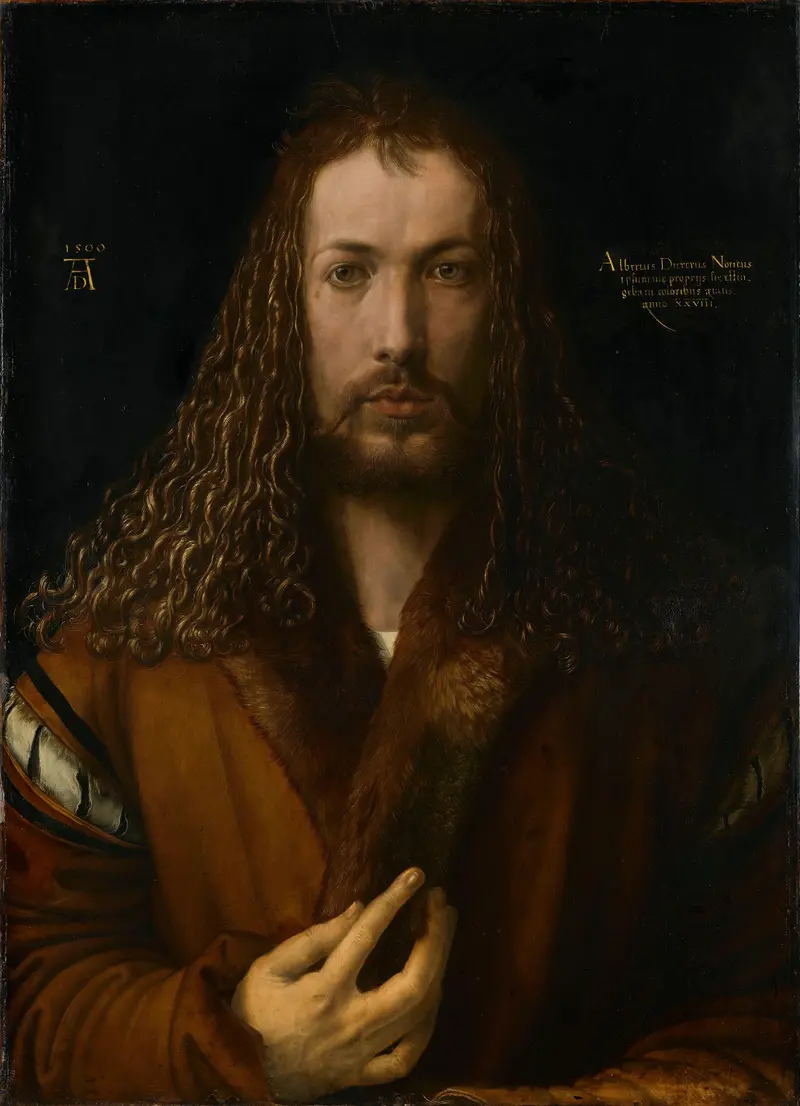
Self-Portrait with Fur-Trimmed Robe
Albrecht Dürer

Wing of a European Roller
Albrecht Dürer

Iris
Albrecht Dürer

The Great Piece of Turf
Albrecht Dürer
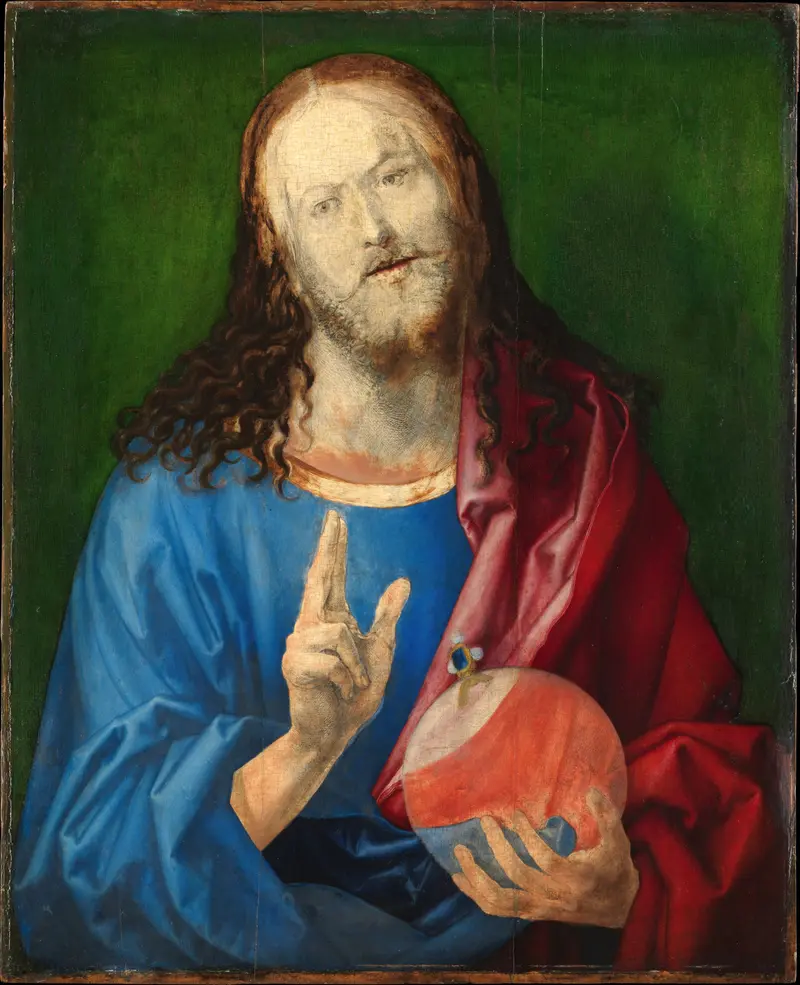
Salvator Mundi
Albrecht Dürer
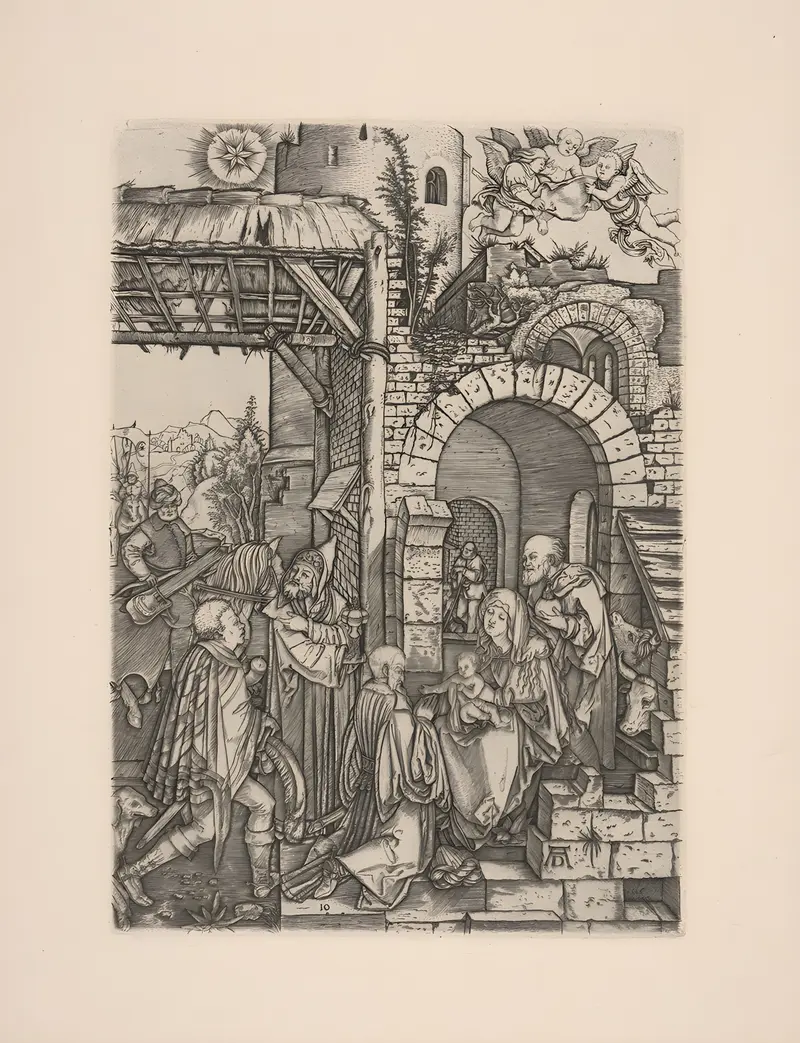
The Adoration of the Magi
Albrecht Dürer
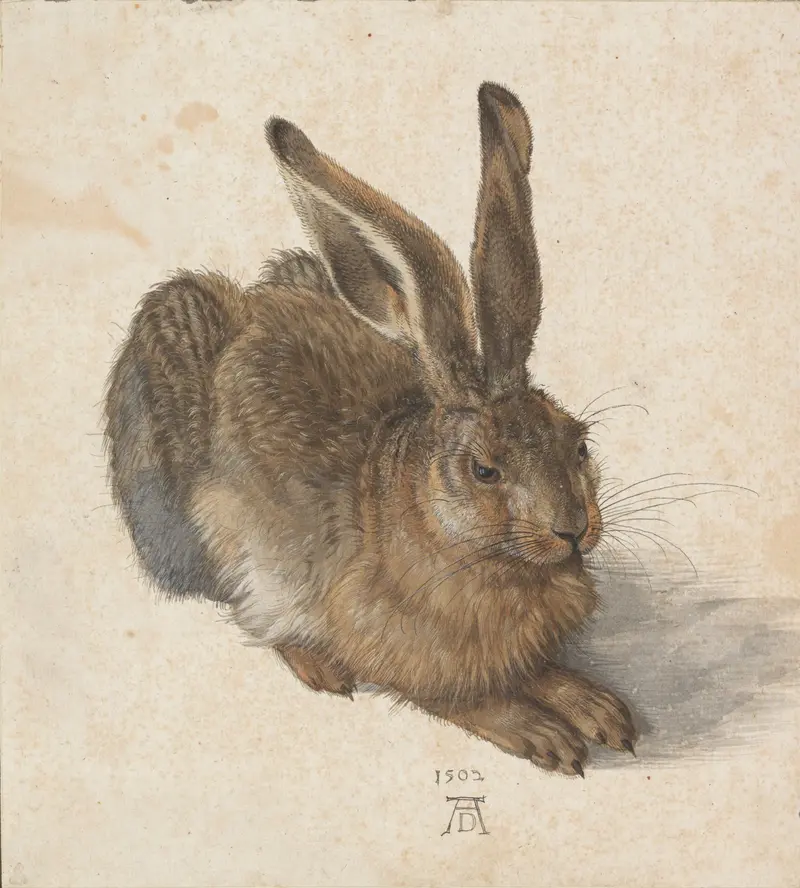
Young Hare
Albrecht Dürer
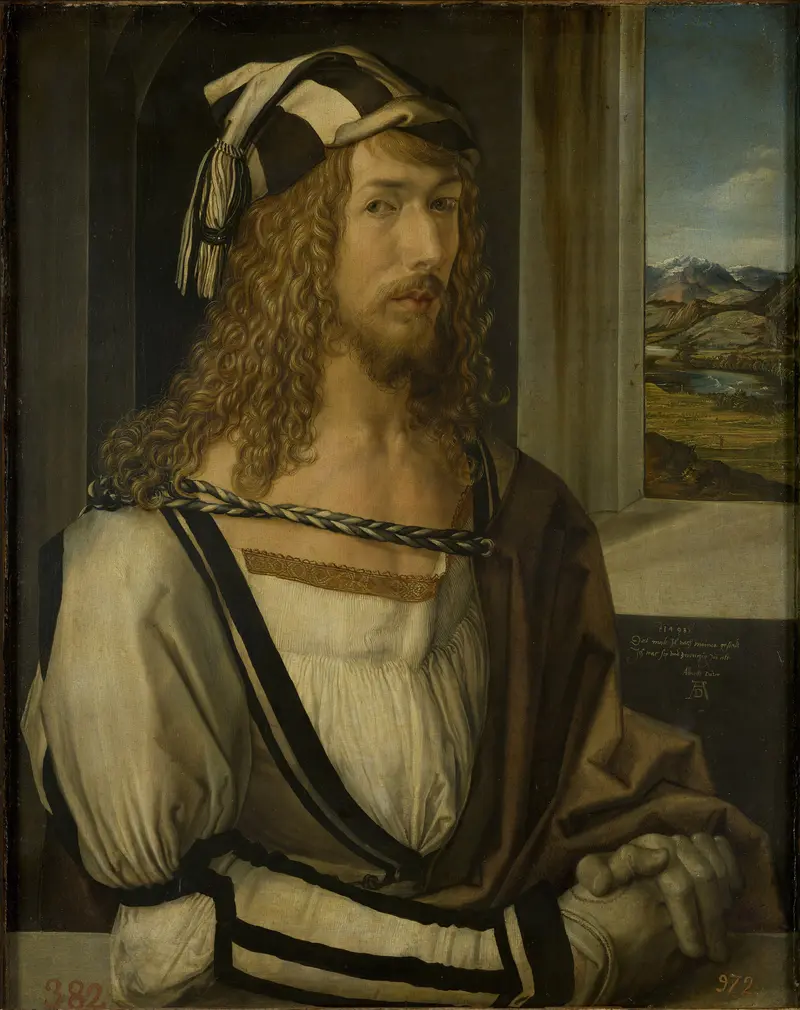
Self-portrait
Albrecht Dürer





