
Entering the War — History & Facts
What if beauty was never meant to be finished? In Entering the War, the brushstrokes linger like memories half-formed, each detail whispering untold stories of courage and loss. Look to the left at the soldier poised at the entrance of a war-torn landscape, his figure cloaked in a spectrum of muted greens and grays. Notice how the light, dim yet penetrating, bathes the scene in a somber glow, highlighting the determination on his face and the weariness in his stance. The composition draws your eye forward, guiding you into the heart of the chaos, where the horizon blurs with uncertainty, echoing the turmoil of the era. The juxtaposition of strength and vulnerability is palpable, as the soldier’s resolute posture contrasts sharply with the ravaged background of war.
This dichotomy speaks volumes about the human spirit facing the unknown. The subtle brushwork captures not only the physicality of the soldier but also the emotional burden he carries, suggesting that every act of bravery is intertwined with the weight of memory and sacrifice. In 1922, as Europe was grappling with the aftermath of the Great War, the artist painted this piece during a period of deep reflection on conflict and humanity. Sargent, renowned for his portraiture and mastery of light, sought to capture the essence of a soldier’s resolve amidst chaos, marking a poignant transition in his work as he moved from the glamour of society portraits to the haunting realities of war.
More Artworks by John Singer Sargent
Browse all →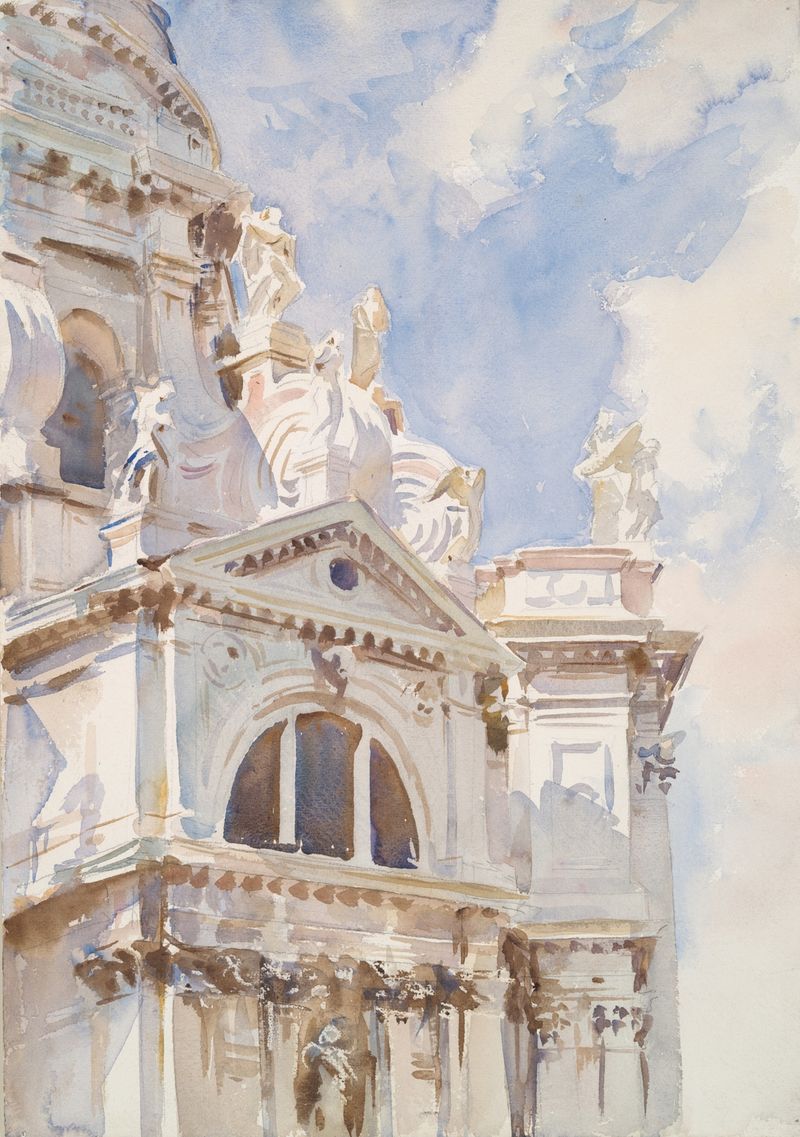
The Salute, Venice
John Singer Sargent

Mrs. Charles Deering (Marion Denison Whipple)
John Singer Sargent
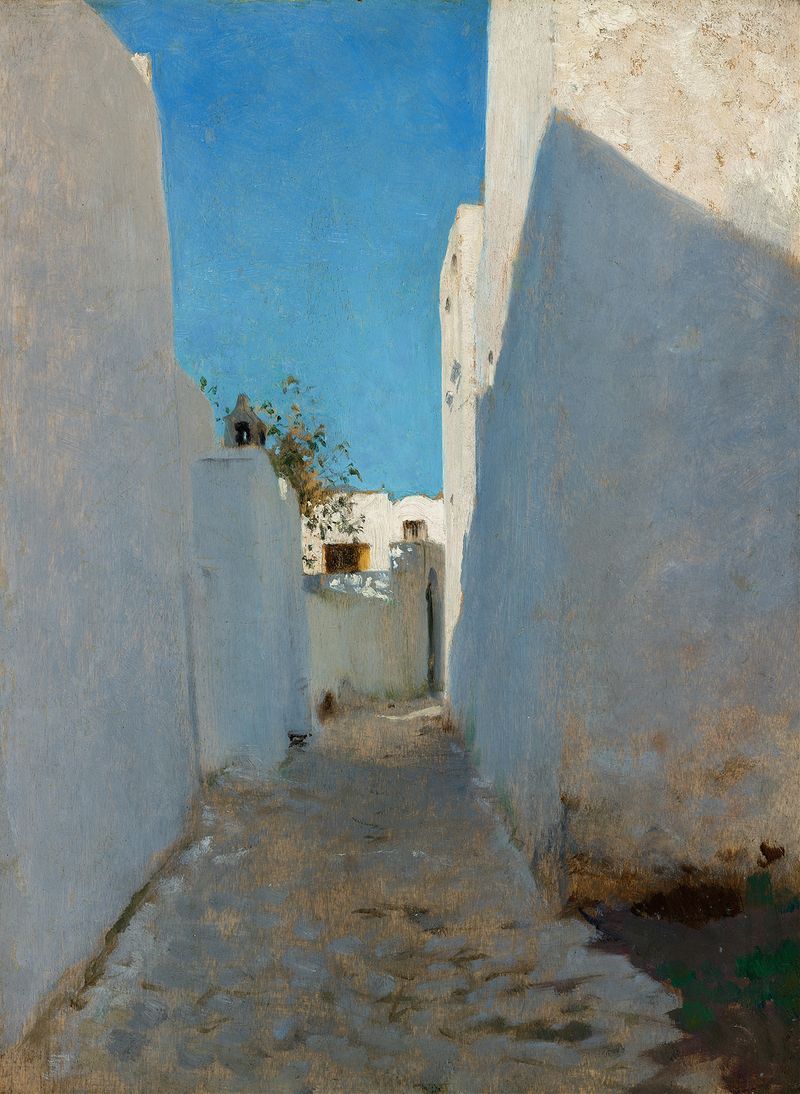
A Moroccan Street Scene
John Singer Sargent
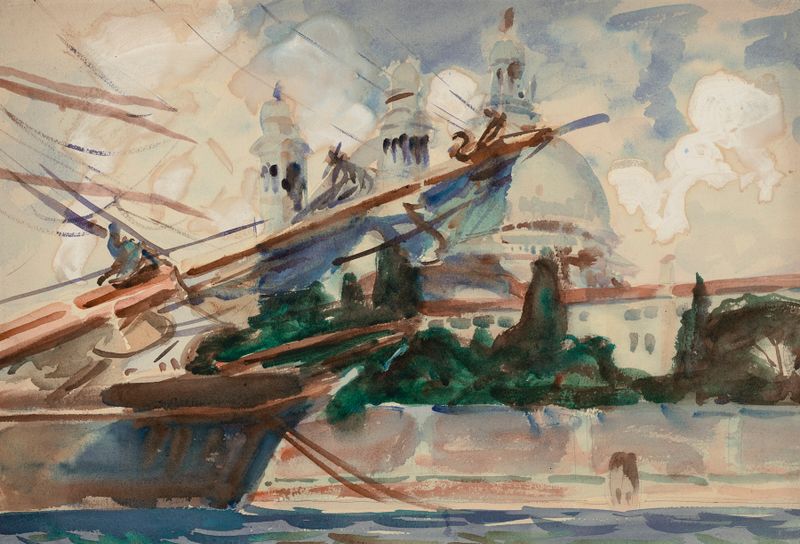
The Salute, Venice
John Singer Sargent
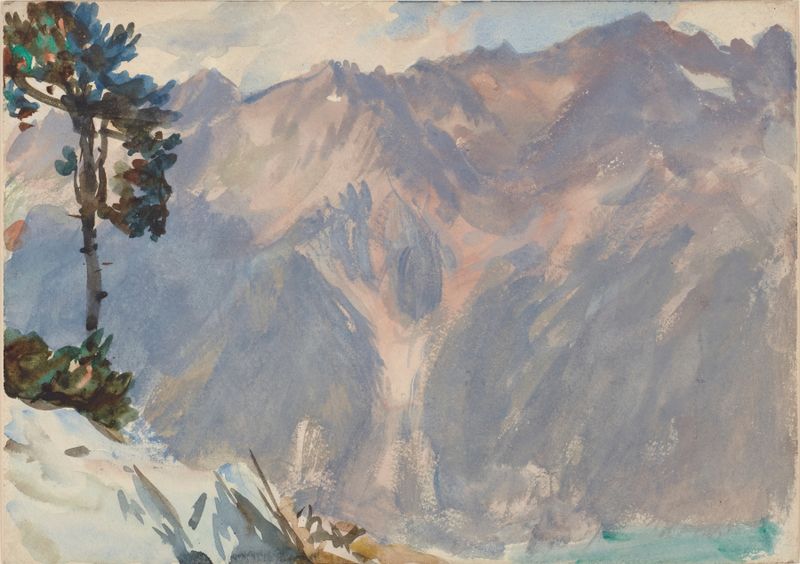
Tyrol
John Singer Sargent
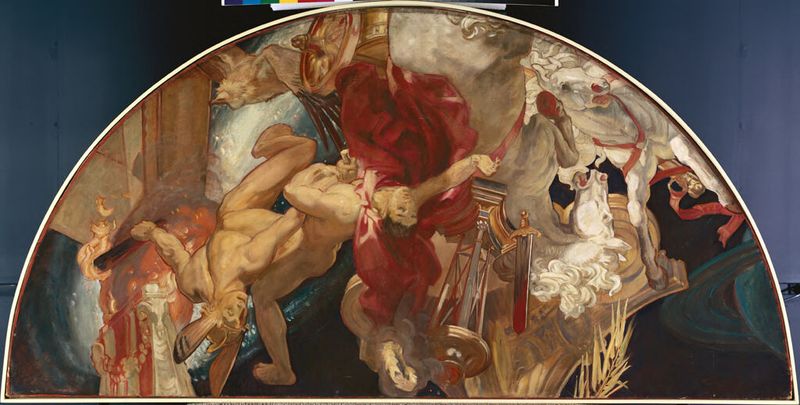
Study for "Gog and Magog," for the Boston Public Library
John Singer Sargent
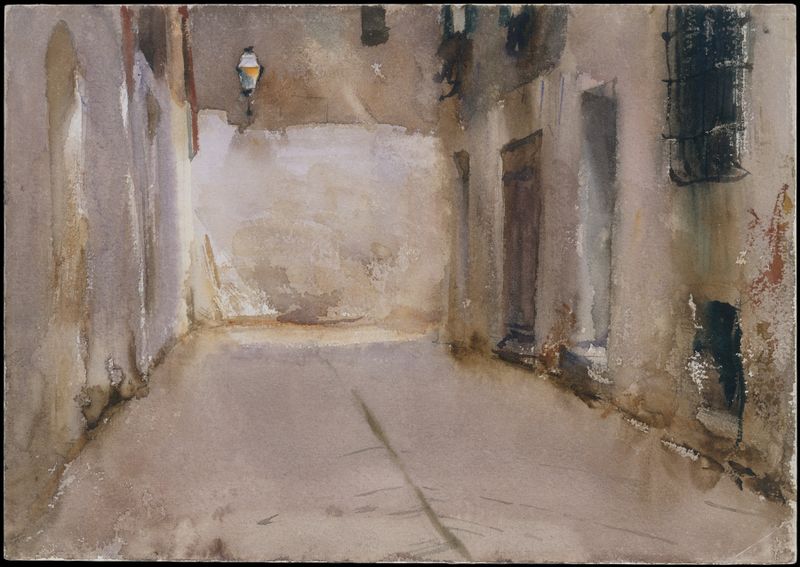
Venice
John Singer Sargent
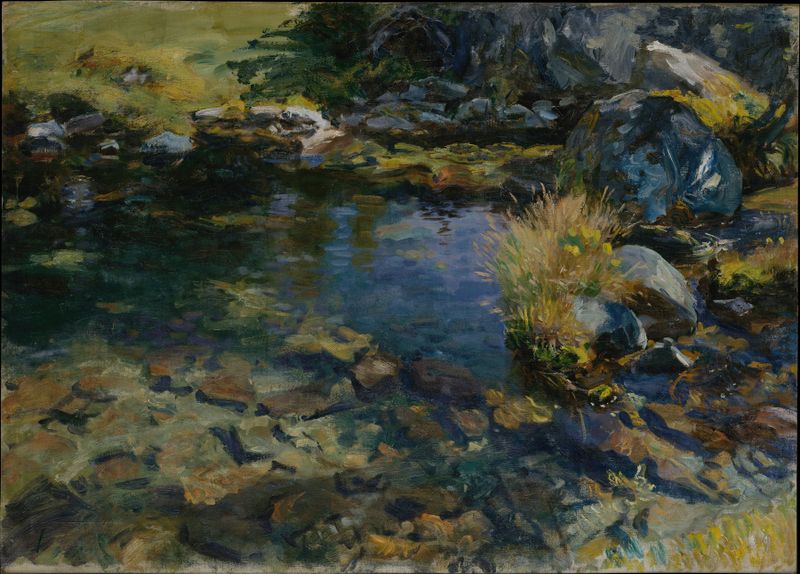
Alpine Pool
John Singer Sargent
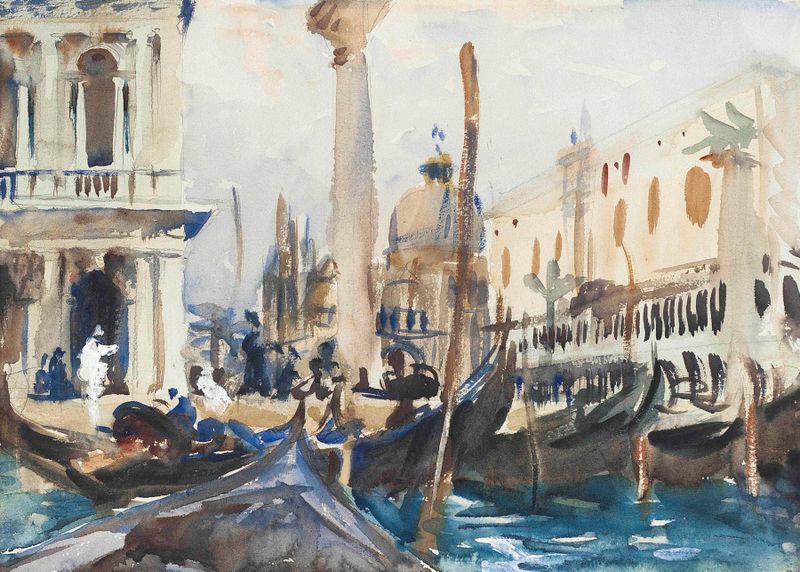
The Piazzetta with Gondolas
John Singer Sargent
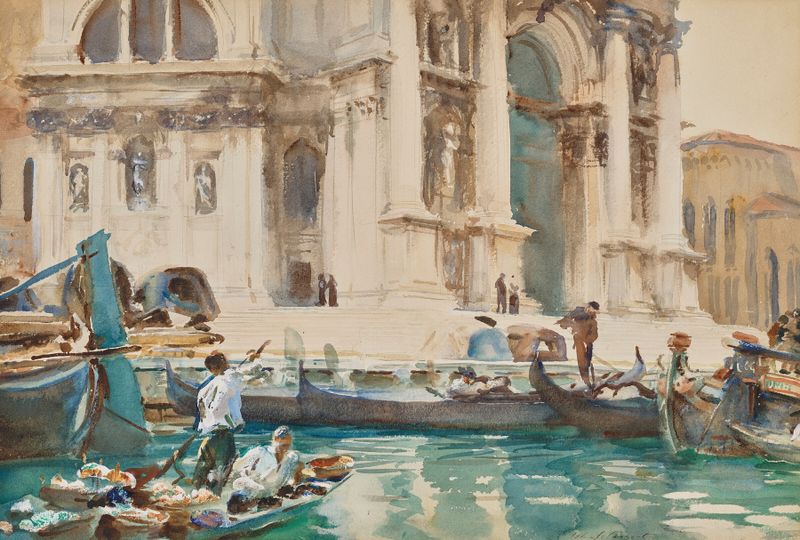
The Façade of La Salute, Venice
John Singer Sargent
More Historical Art
Browse all →
The Night Watch Militia Company of District II under the Command of Captain Frans Banninck Cocq
Rembrandt van Rijn
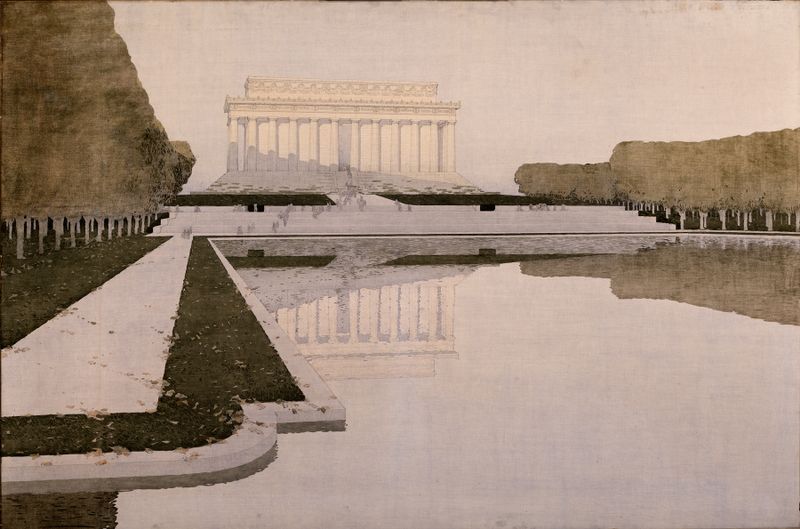
Lincoln Memorial
Henry Bacon
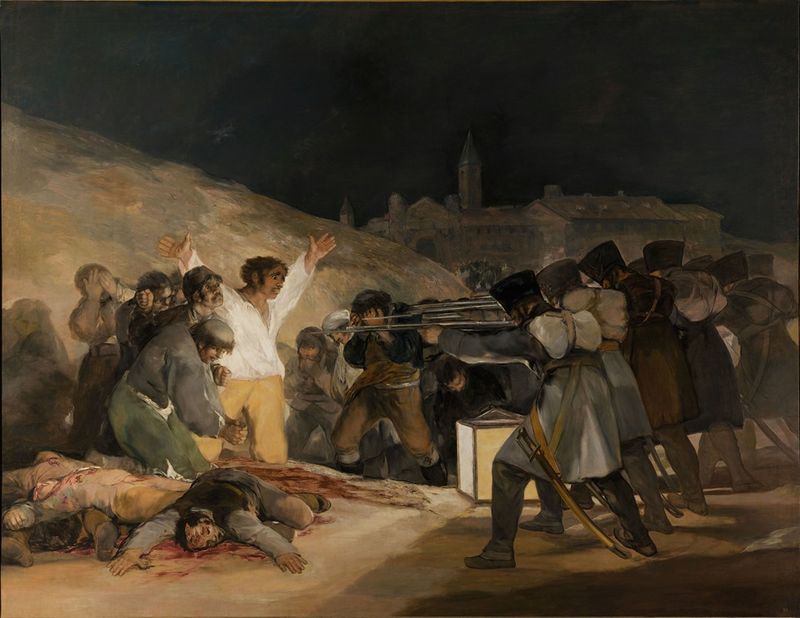
The Third of May 1808
Francisco de Goya

Isaac and Rebecca, Known as ‘The Jewish Bride’
Rembrandt van Rijn
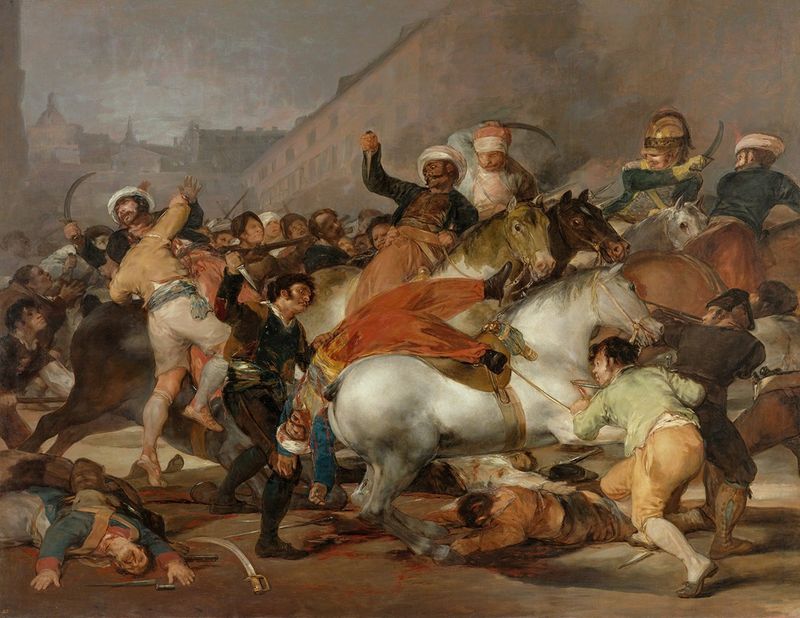
The Charge of the Mamelukes (1814)
Francisco de Goya

De vier ruiters van de apocalyps
Albrecht Dürer