
Entrée de la Canche (Étaples, Pas-de-Calais) — History & Facts
What secret hides in the quiet of the canvas? In the delicate interplay between light and shadow, Entrée de la Canche invites us to explore the tremors of unease subtly woven into its tranquil scene. Look to the left at the gentle curve of the river, where the water reflects a muted palette of blues and greens. The brushwork is both fluid and precise, evoking the stillness of a moment caught between time. Notice how the trees, their leaves kissed by the soft light, create a silhouette that stretches across the canvas, suggesting both shelter and entrapment.
Each stroke reveals Joyau's mastery of color, inviting the viewer to linger in an atmosphere that feels both serene and unsettling. Yet, beneath the surface lies a tension that speaks to innate fears — the calmness of the setting contrasts with an unshakeable sense of vulnerability. The solitary figure on the riverbank appears almost ghostly, caught in a pensive gaze that hints at an unspoken story of longing or loss. The horizon, while beautiful, looms darkly, evoking a sense of the unknown, as if the entry to the river also leads to deeper, more treacherous waters. Amédée Joyau painted Entrée de la Canche in 1900, during a period of personal introspection and artistic experimentation.
Living in Étaples, a coastal town that attracted many artists, he was influenced by the evolving styles of Impressionism and Post-Impressionism. This piece encapsulates his journey at a time when the art world was shifting, reflecting both his technical skill and the haunting currents of emotion that ran beneath the tranquil surface of his work.
More Artworks by Amédée Joyau
Browse all →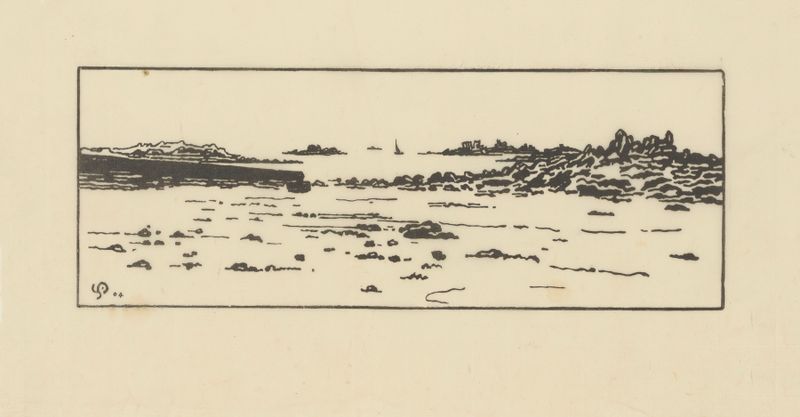
Côte de Roscoff, Marée basse
Amédée Joyau
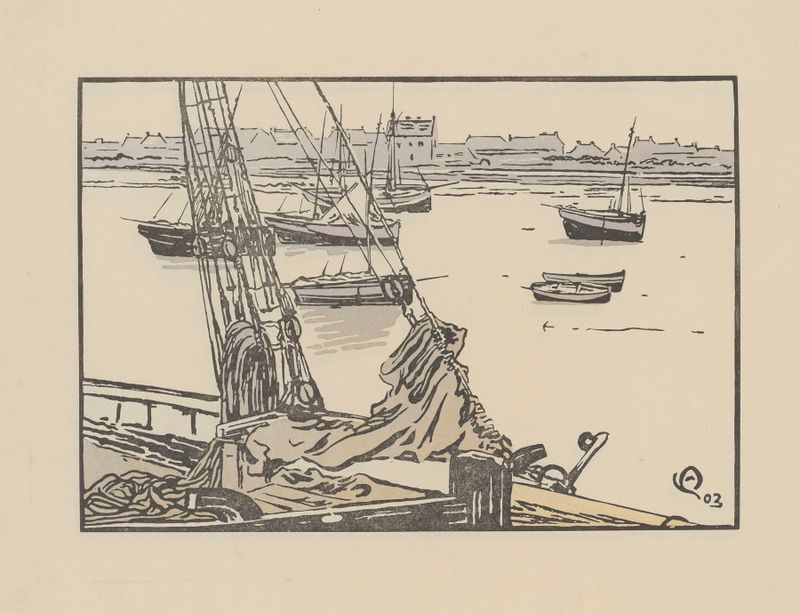
Roscoff, Matinée claire
Amédée Joyau
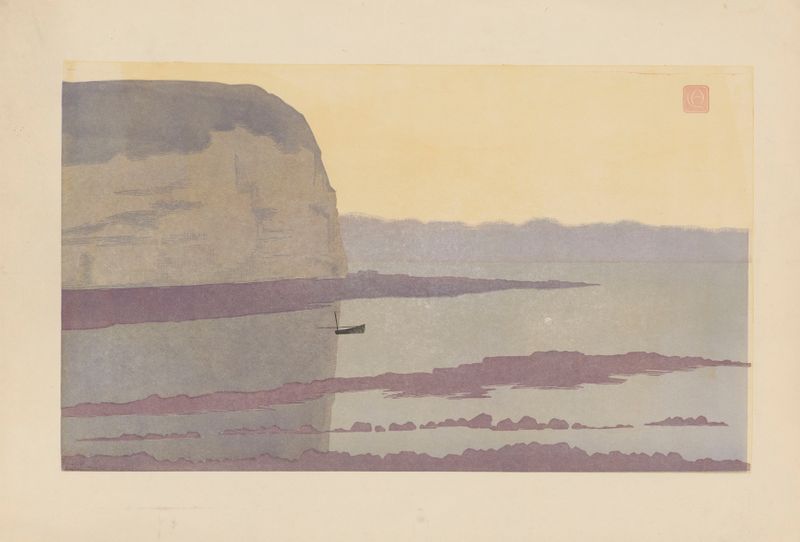
La Falaise, crépuscule (Yport)
Amédée Joyau
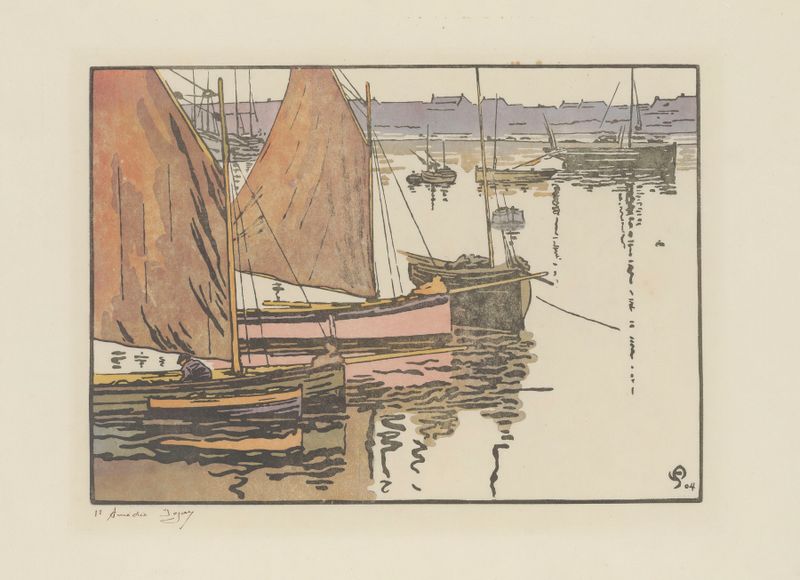
Roscoff, Les voiles rouges
Amédée Joyau
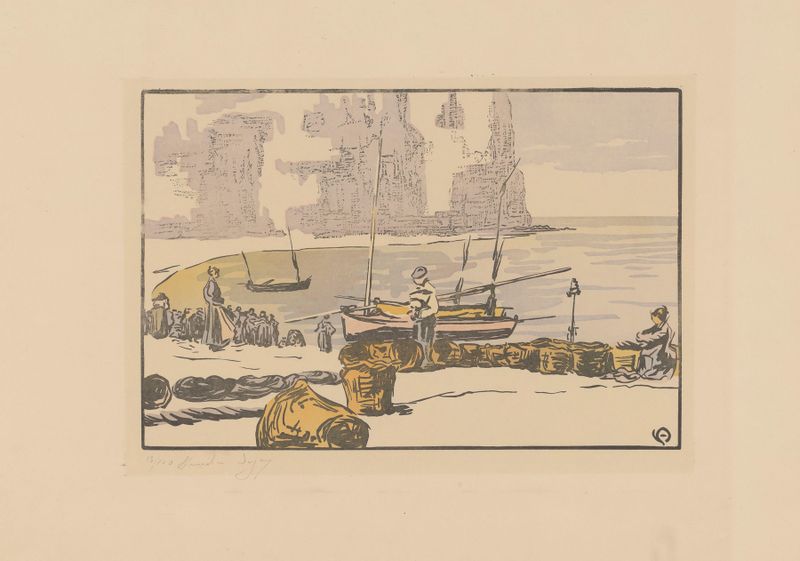
La Petite plage (Yport)
Amédée Joyau
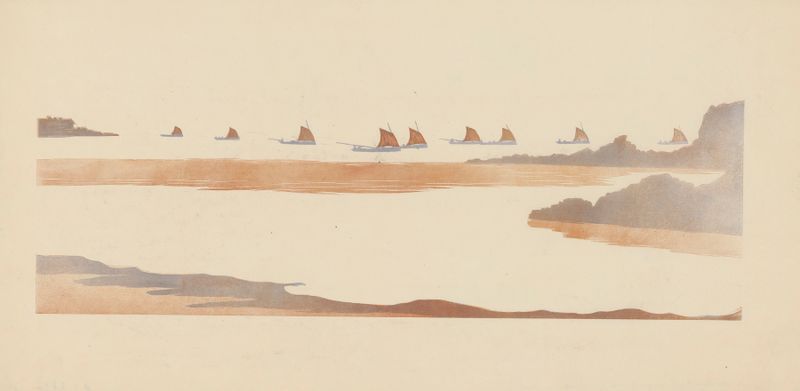
Rentrée des Sardiniers (Douarnenez, Finistère)
Amédée Joyau
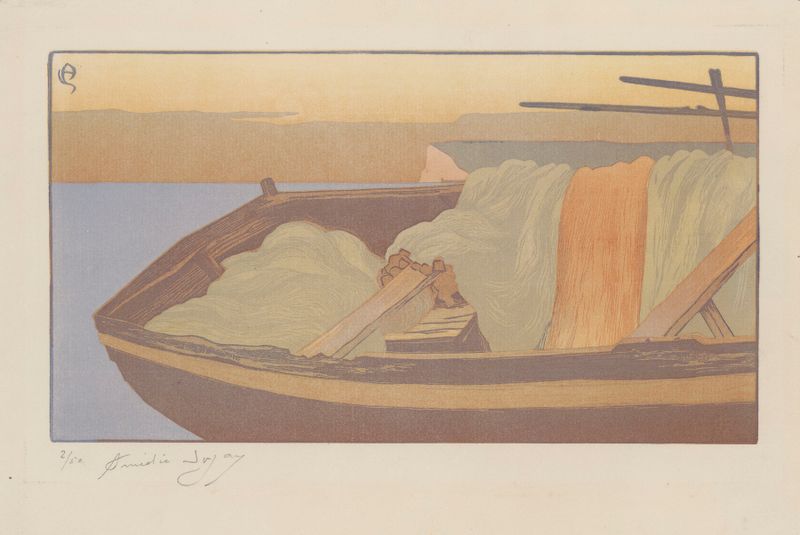
Les Filets (Yport)
Amédée Joyau
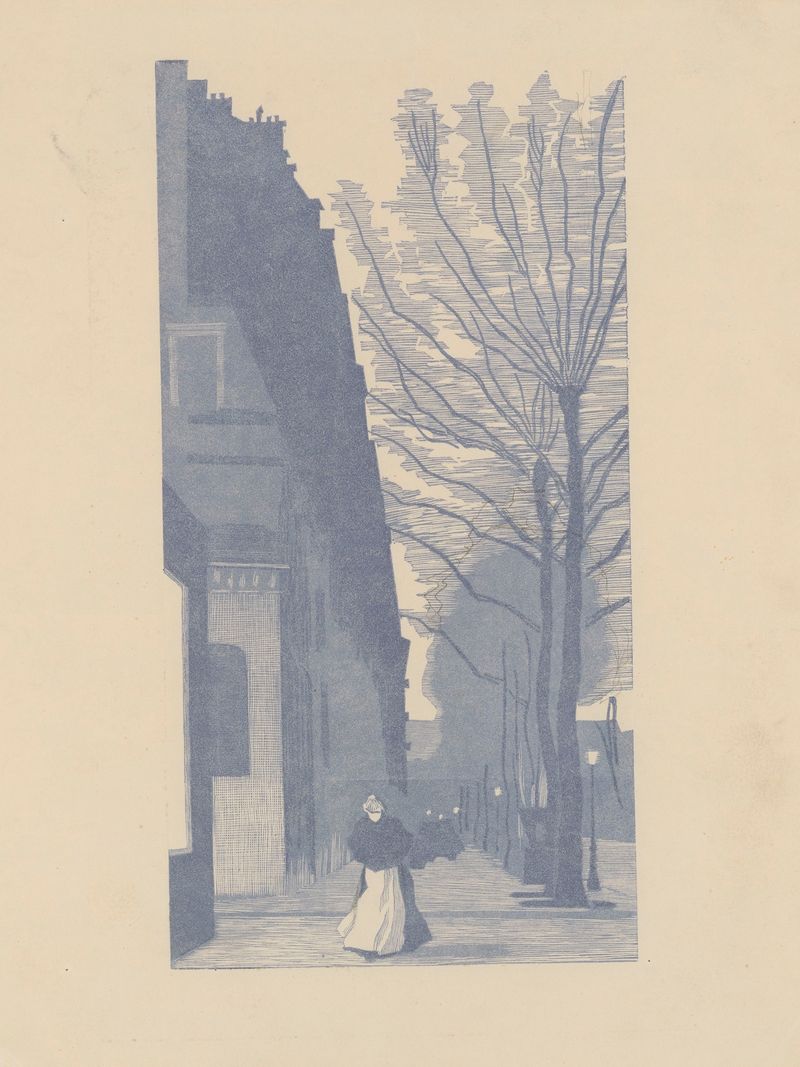
Avenue de Villiers (Paris)
Amédée Joyau
Roscoff, Les voiles rouges
Amédée Joyau
Roscoff, Les Goélettes
Amédée Joyau





