Entry to Rousseau’s Studio and the Millet Home — History & Facts
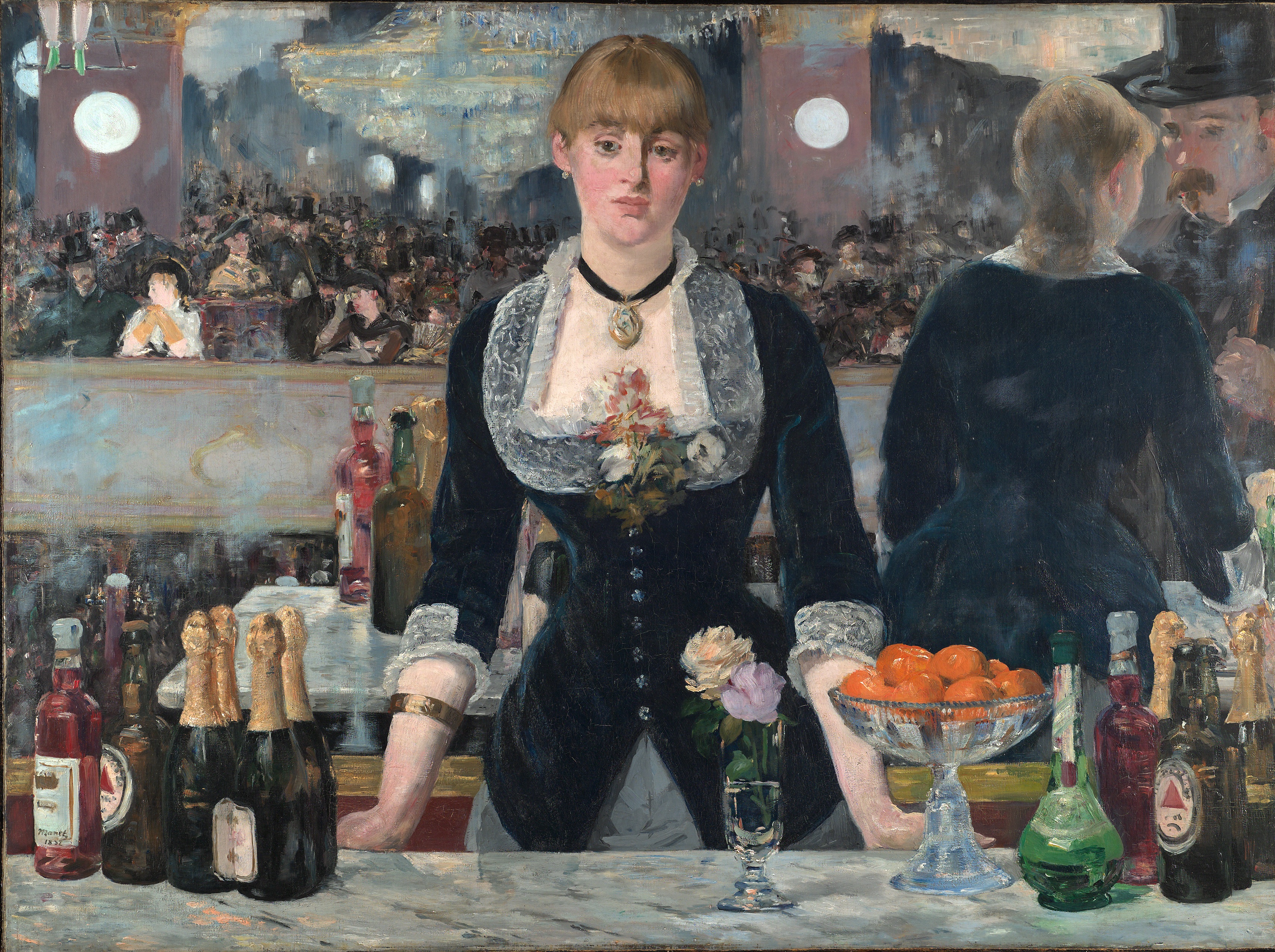
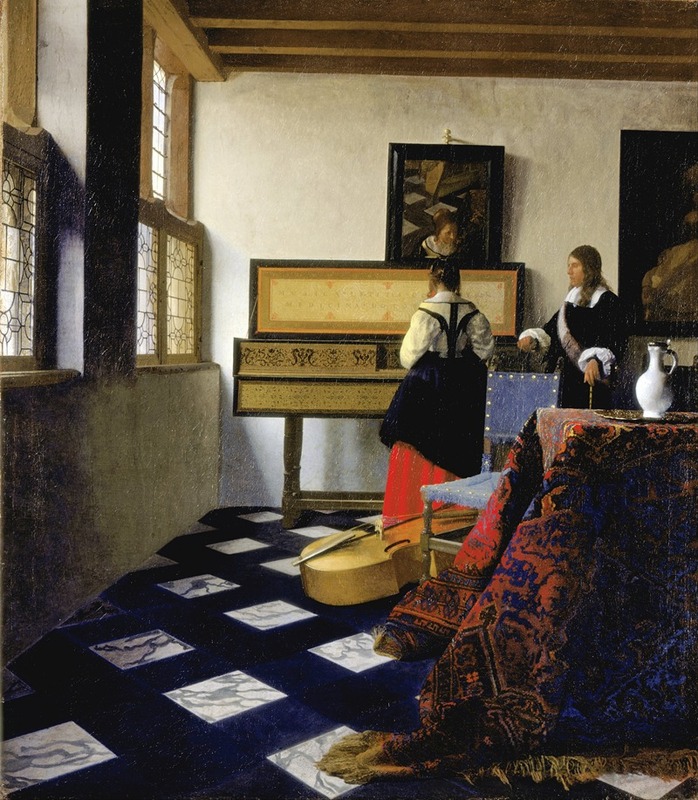
When did color learn to lie? In this painting, the vibrant hues contrast sharply with the void they seem to fill, creating a dissonance that resonates with unspoken truths. Look to the left, where the warm ochres and rich browns of the studio beckon you into a world teeming with creativity. The artist effectively uses light to delineate the space, casting soft shadows that dance along the textured surfaces of the room. Notice how the figures, absorbed in their pursuits, almost dissolve into the their surroundings, blurring the line between artist and creation.
The brushwork conveys movement and breath, yet there is an underlying stillness that captivates and invites reflection. As you peer closer, details reveal deeper meanings. The juxtaposition of the intimate domestic sphere against the looming presence of the studio hints at the tension between personal life and artistic ambition. Each figure bears a distinct weight of expression, embodying the complexities of ambition, vulnerability, and the incessant search for authenticity.
The void, ever-present in the background, serves as a reminder of the unfulfilled desires and dreams that linger just beyond the canvas's edge. In 1890, while residing in Paris, Lepère painted this piece during a period marked by a growing interest in realism and the lives of ordinary people. His exposure to the works of both Rousseau and Millet influenced his approach, merging vibrant colors with the emotional undercurrents of everyday life. During this time, the art world was undergoing a transformation, as artists began to challenge traditional norms, seeking new ways to express the human experience through their work.
More Artworks by Auguste Louis Lepère
Browse all →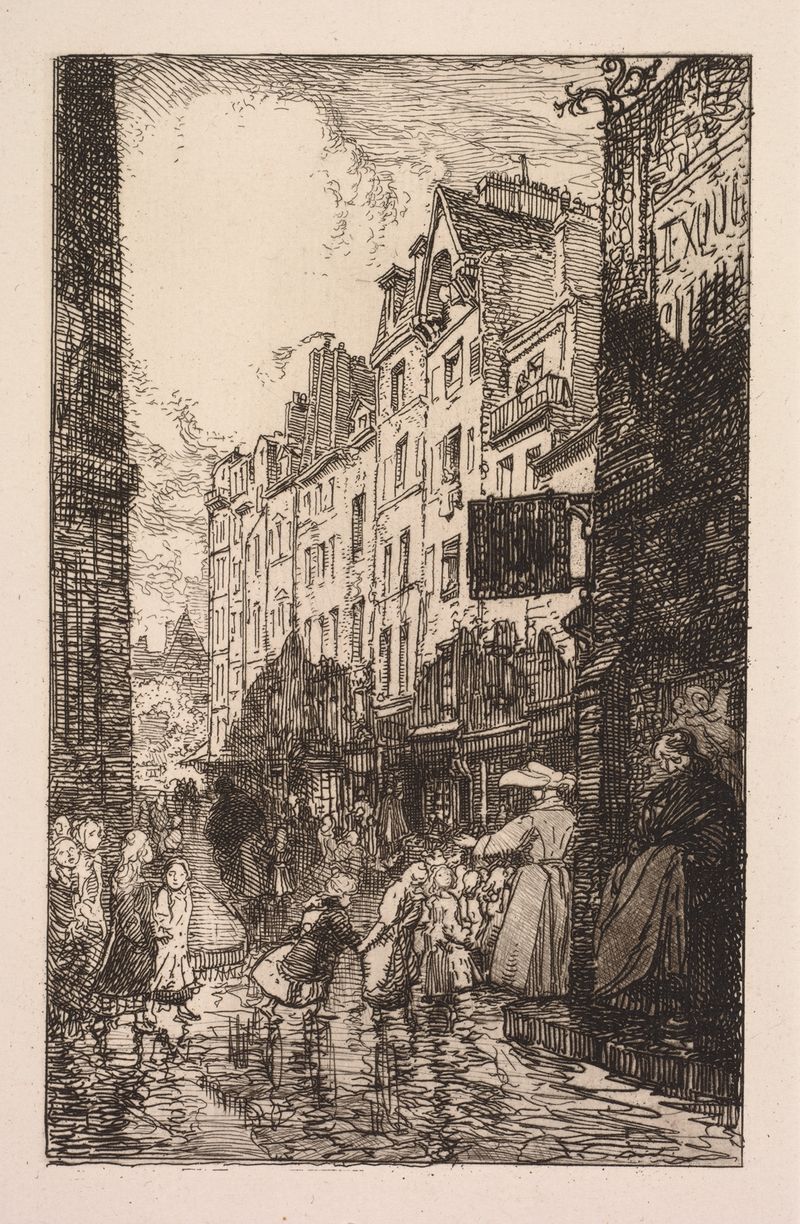
La Rue des Prêtres Saint-Séverin
Auguste Louis Lepère
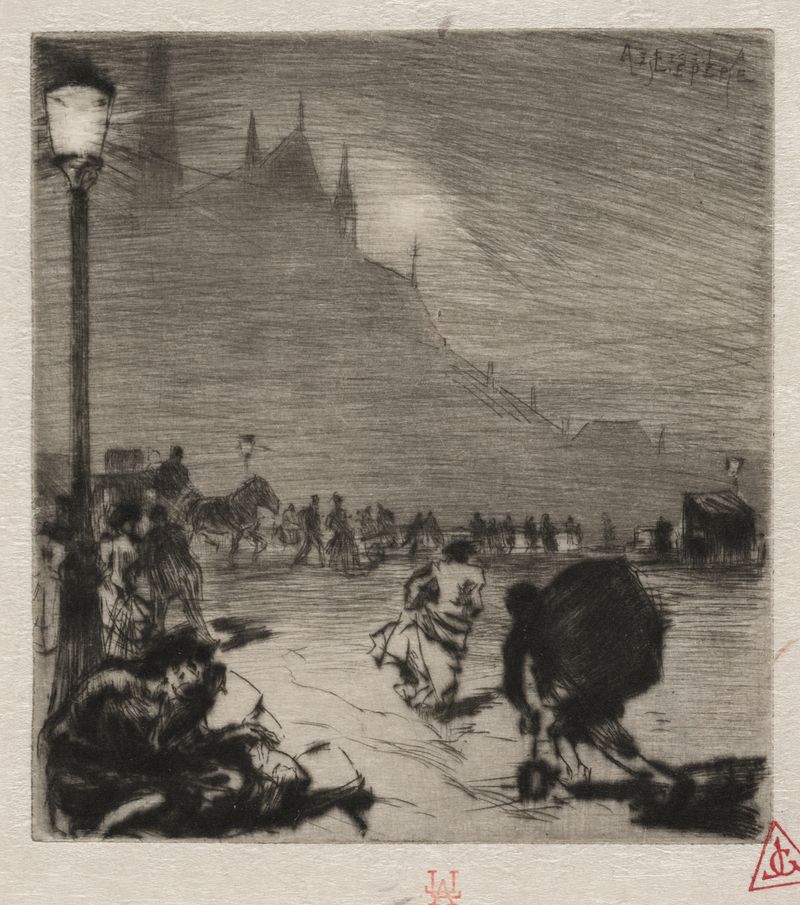
Au Coin du Pont-aux-Doubles
Auguste Louis Lepère
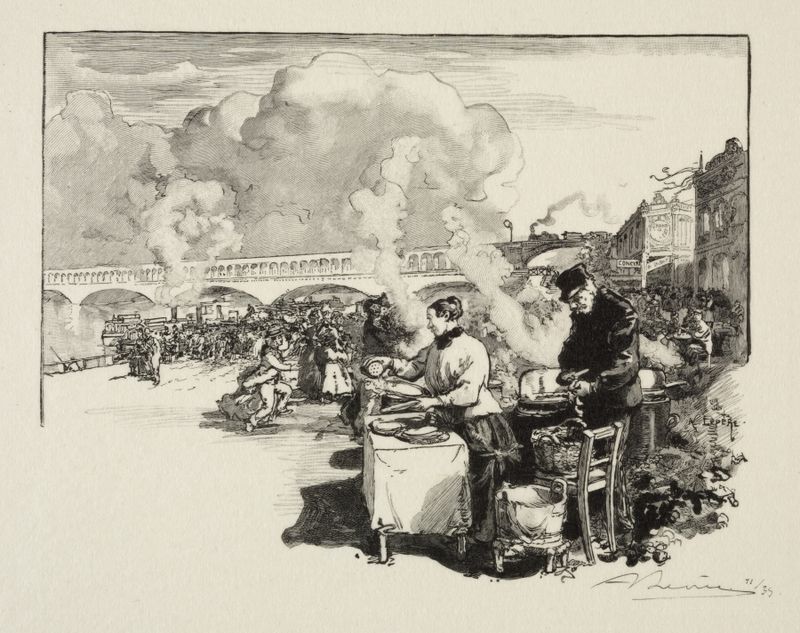
Debarcadère des bateaux-omnibus
Auguste Louis Lepère

La Seine, au quai de la Rapée
Auguste Louis Lepère
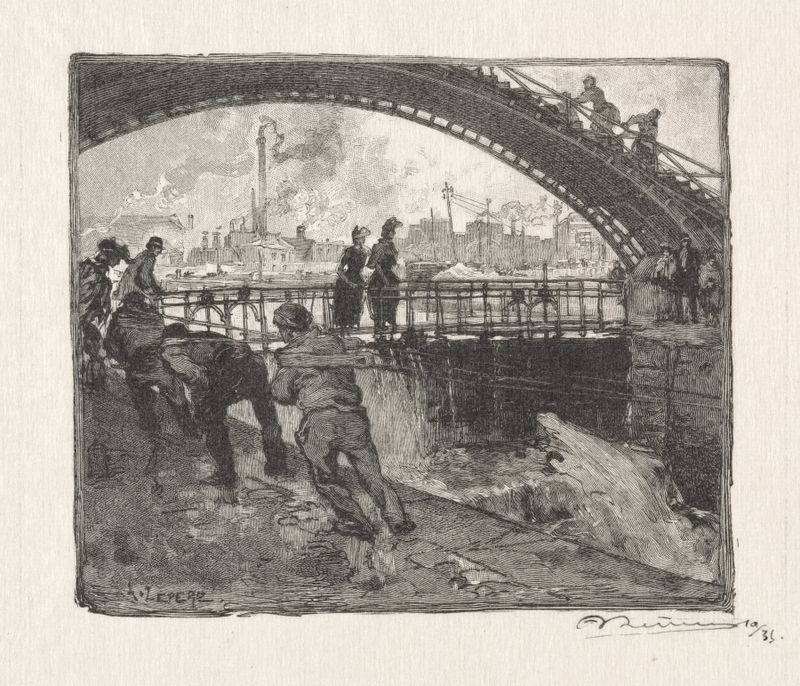
L’Ecluse du Canal St. Martin
Auguste Louis Lepère

Le Boulevard Montmartre, le Soir
Auguste Louis Lepère

Une Chasse au Mont Gérard
Auguste Louis Lepère
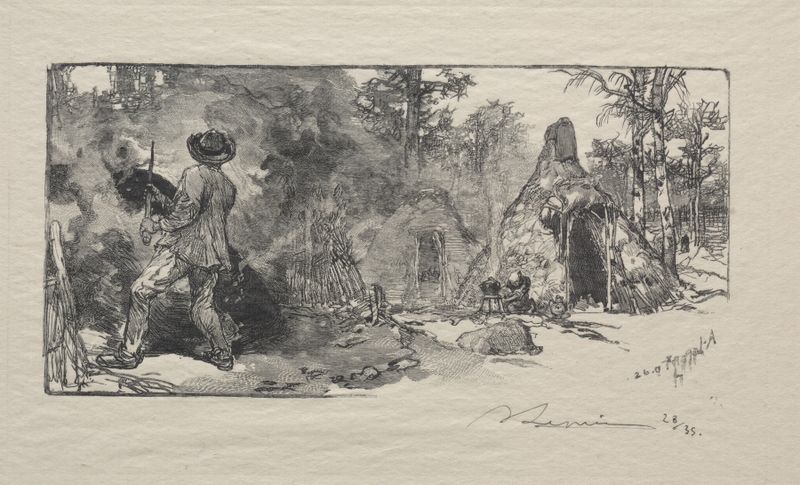
Les Charbonniere
Auguste Louis Lepère
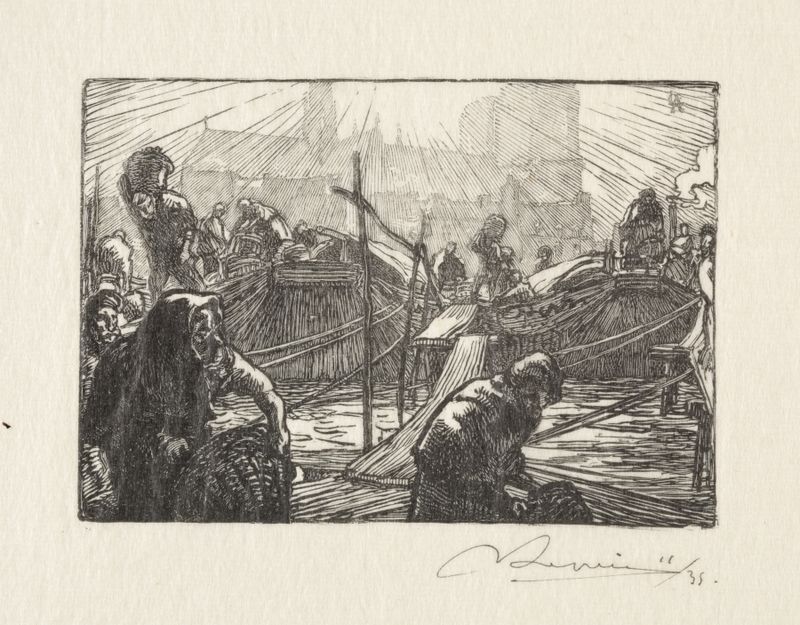
Notre Dame vue du Marché aux pommes
Auguste Louis Lepère

Le Palais des Arts Liberaux, Intèrieur
Auguste Louis Lepère