
Discover insights about this artwork
Equestrian monument — History & Facts
In Equestrian Monument, Carl Spitzweg presents a striking figure on horseback, set against a tranquil landscape. The colors are warm and inviting, with earthy tones dominating the scene. The figure, dressed in period attire, exudes a sense of authority and grace.
Surrounding the horse and rider are lush greenery and soft hills, enhancing the serene atmosphere. The painting is executed in oil on canvas, a medium that allows for rich textures and vibrant colors. The dimensions are approximately 100 x 150 cm, making it a substantial piece that commands attention. The brushwork is detailed, particularly in the rendering of the horse's mane and the folds of the rider's clothing.
This attention to detail is a hallmark of Spitzweg's style, reflecting his commitment to realism. Carl Spitzweg was a prominent figure in the Romantic movement, known for his depictions of everyday life and landscapes. This work, created in the 1850s, showcases his ability to blend historical themes with a romanticized view of nature. An interesting fact about this painting is that it reflects the growing interest in equestrian monuments during the 19th century, symbolizing power and nobility.
Spitzweg's unique approach to this theme sets it apart from more traditional representations.
More Artworks by Carl Spitzweg
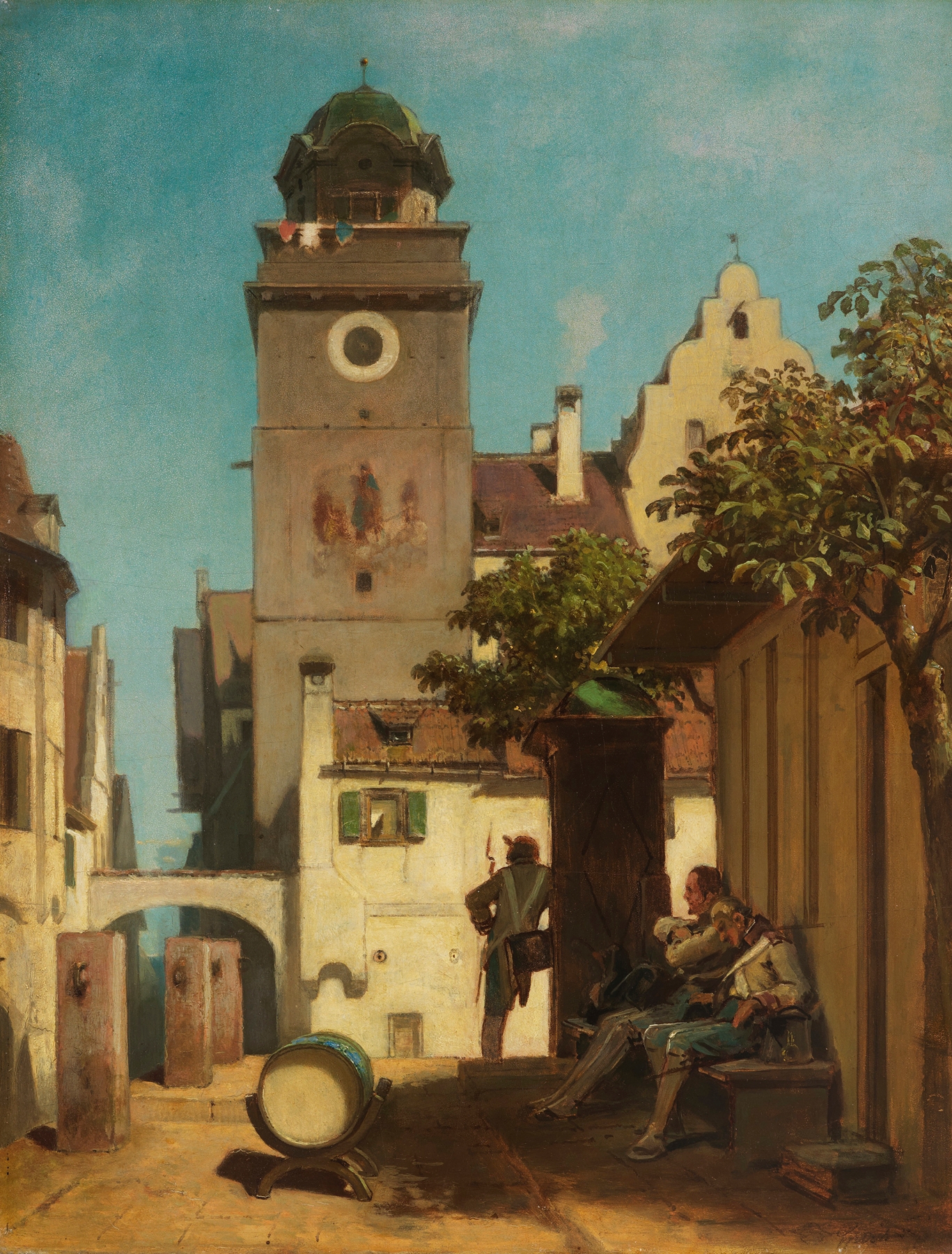
Die Stadtwache
Carl Spitzweg
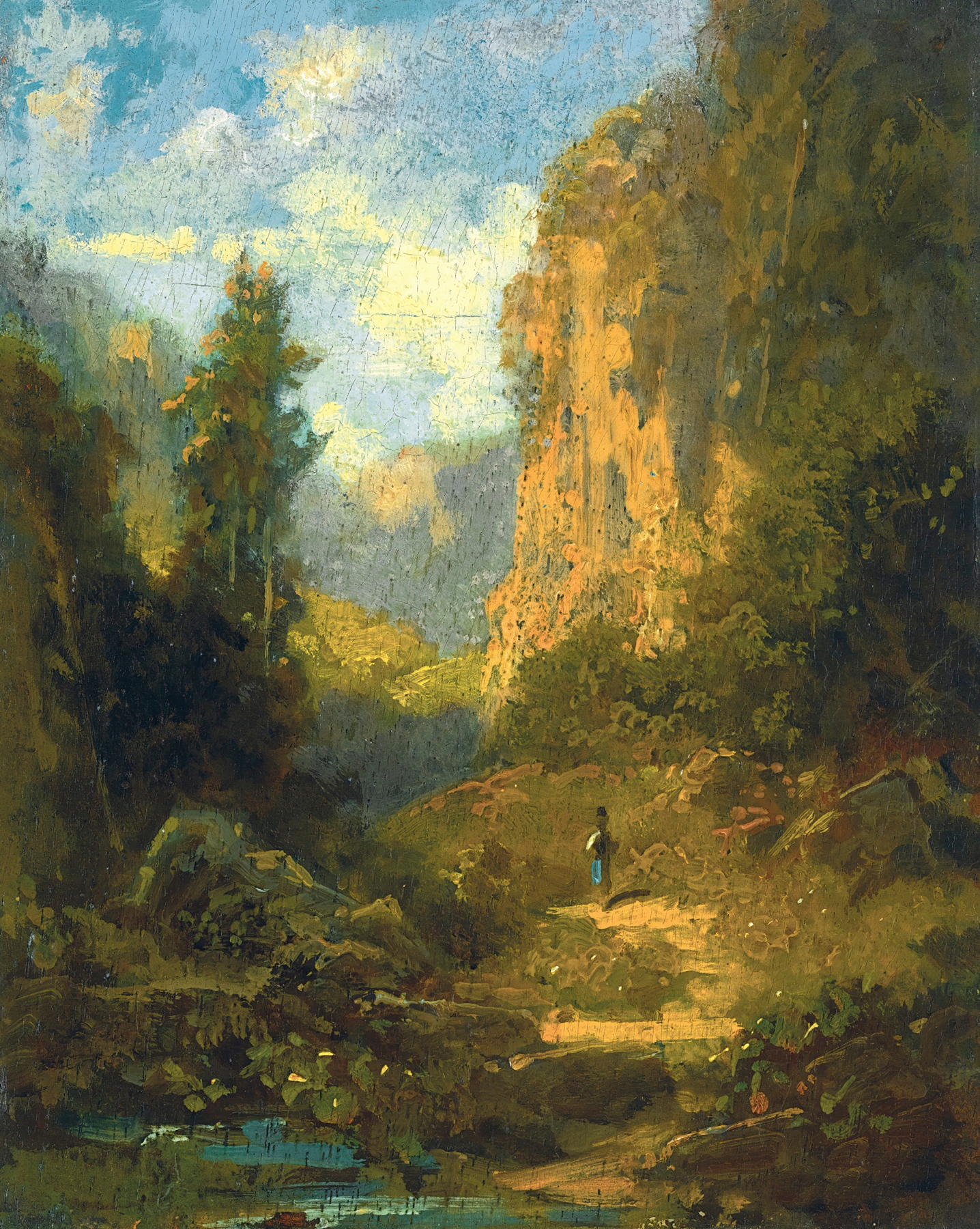
Gebirgslandschaft
Carl Spitzweg
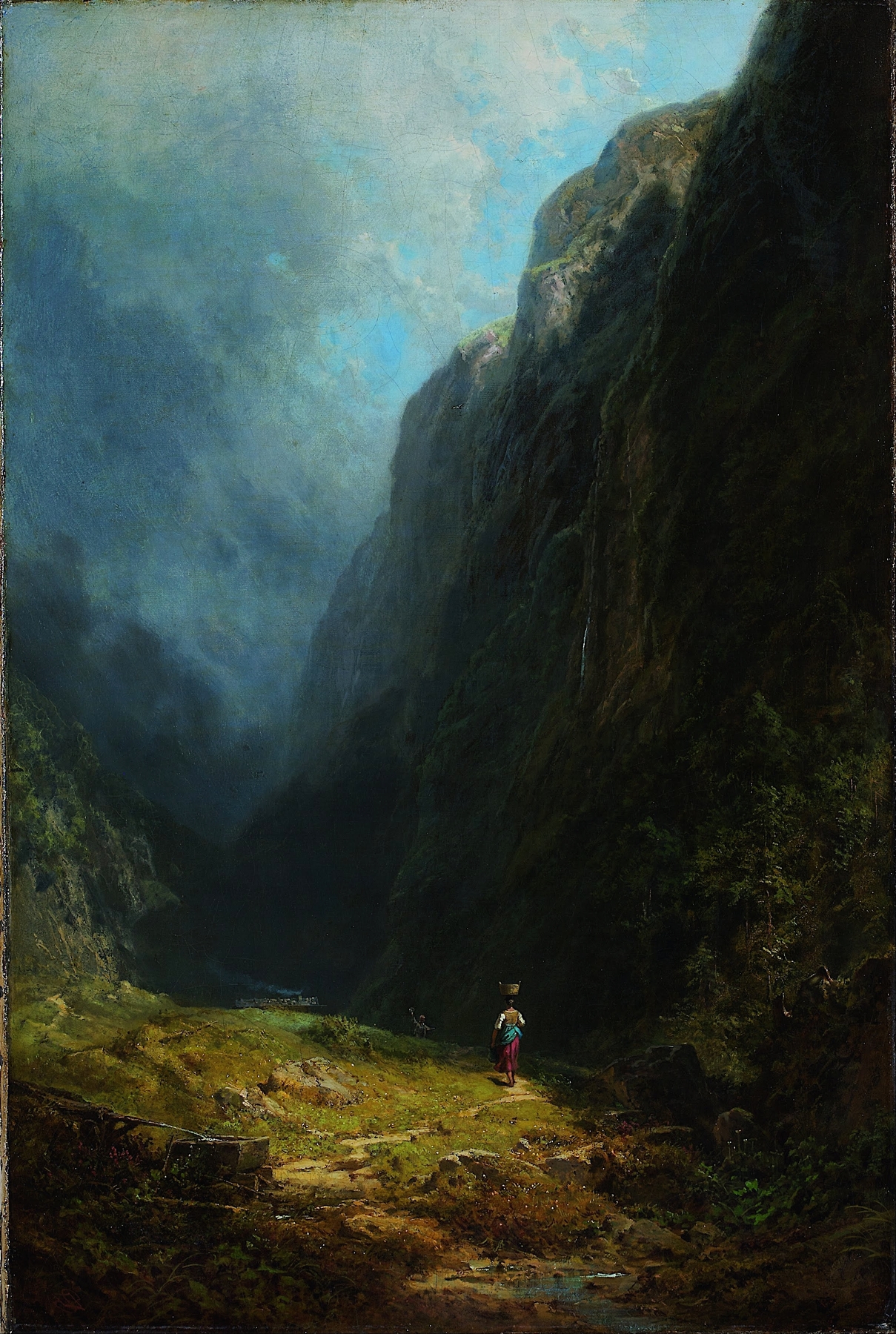
In the Alpine High Valley (Landscape with Mt. Wendelstein)
Carl Spitzweg
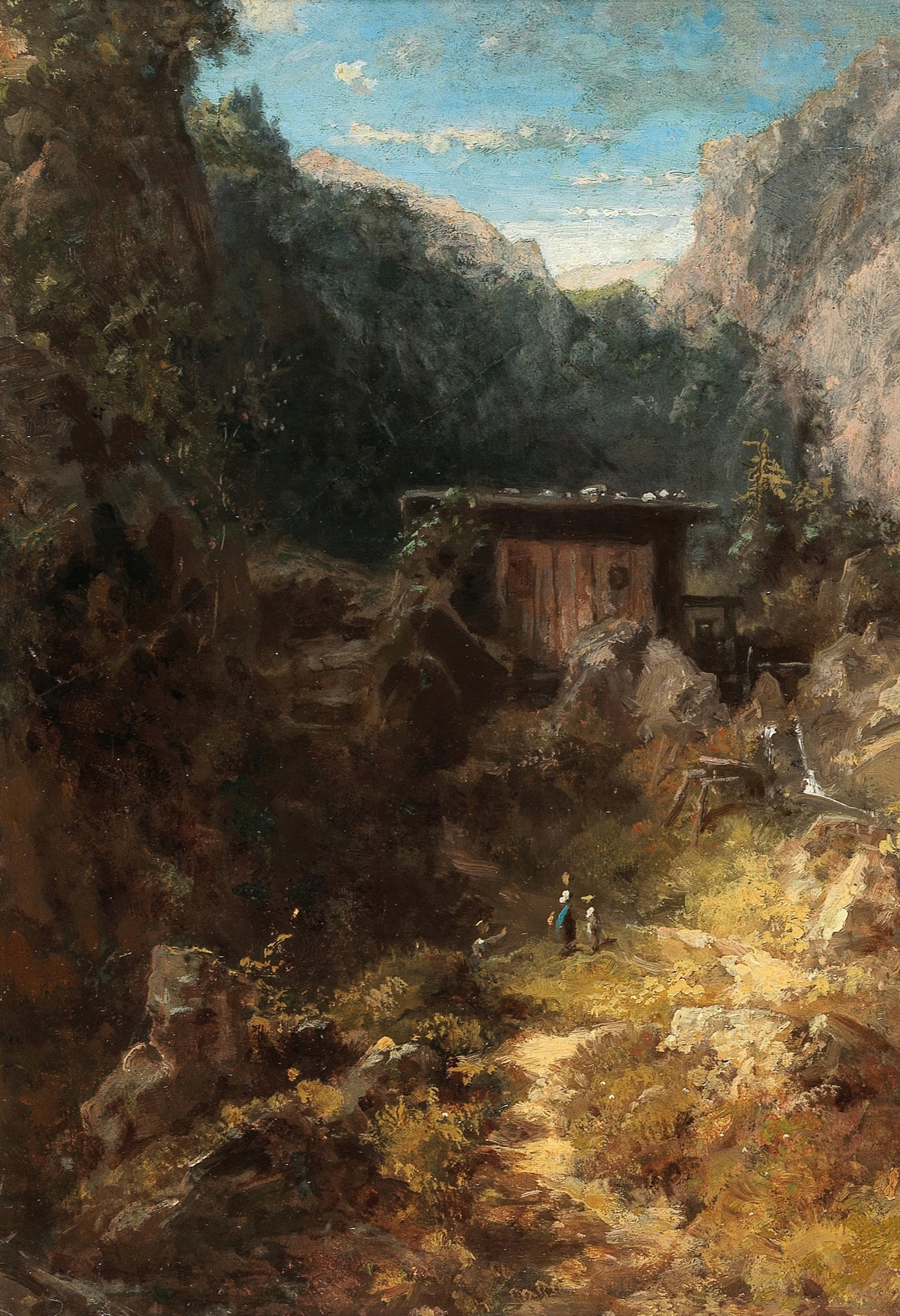
Gebirgsmühle
Carl Spitzweg
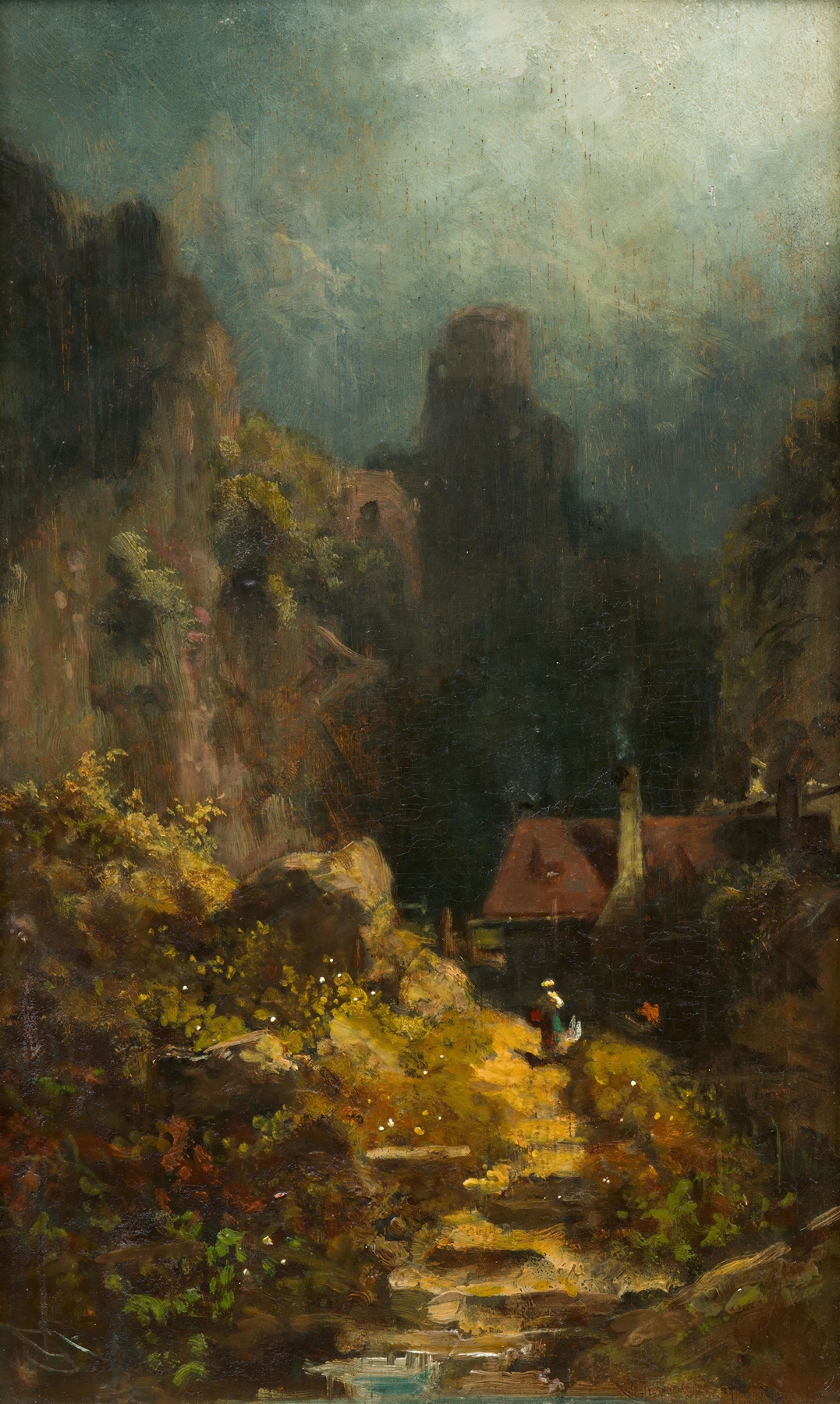
In der Schlucht
Carl Spitzweg
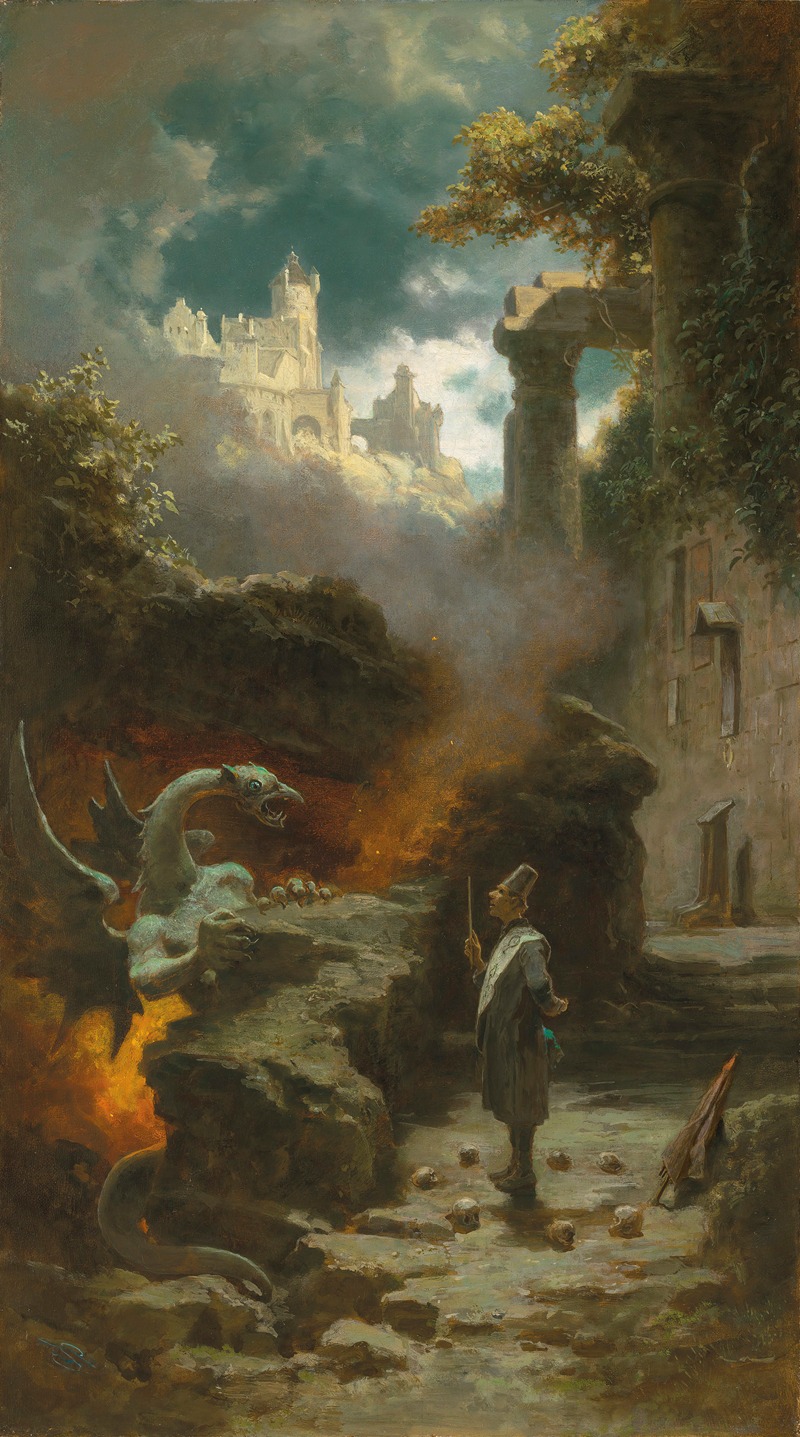
Der Hexenmeister (The Sorcerer)
Carl Spitzweg
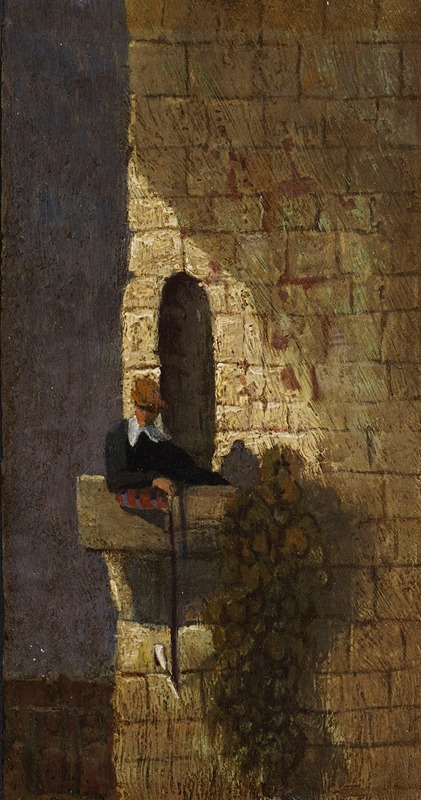
Der Student im Karzer
Carl Spitzweg
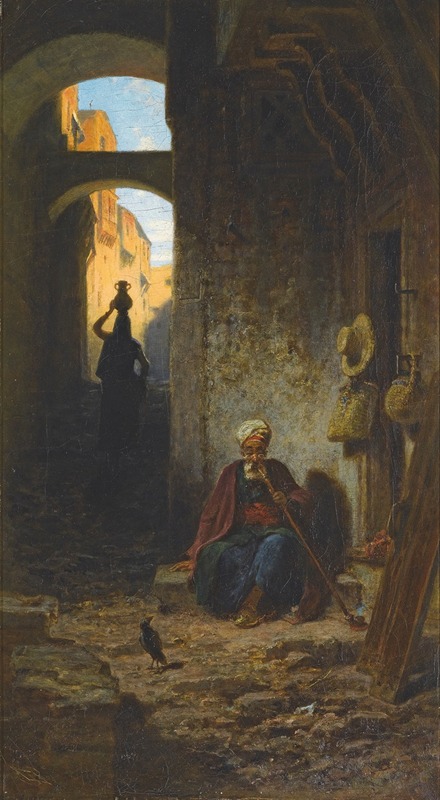
Out Of The Orient
Carl Spitzweg
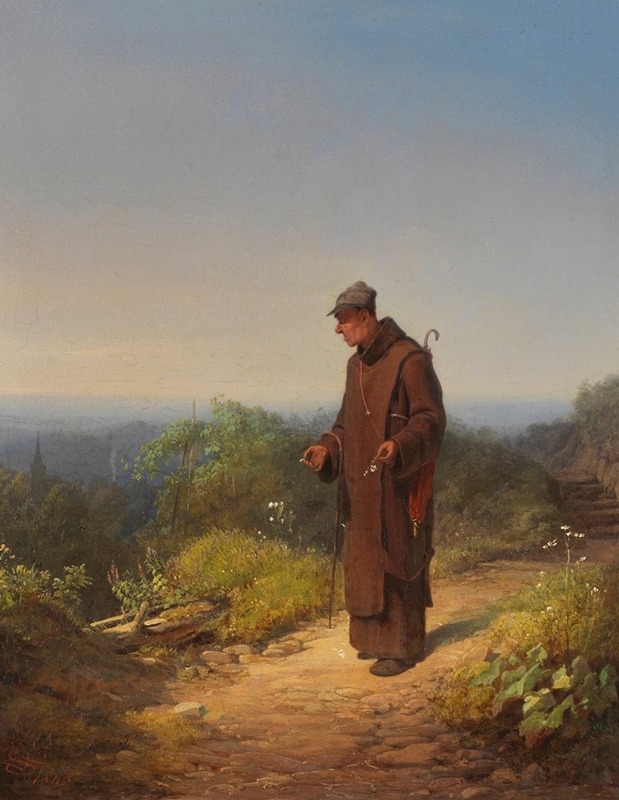
Mönch (‘Sie liebt mich von Herzen, ein wenig…’)
Carl Spitzweg
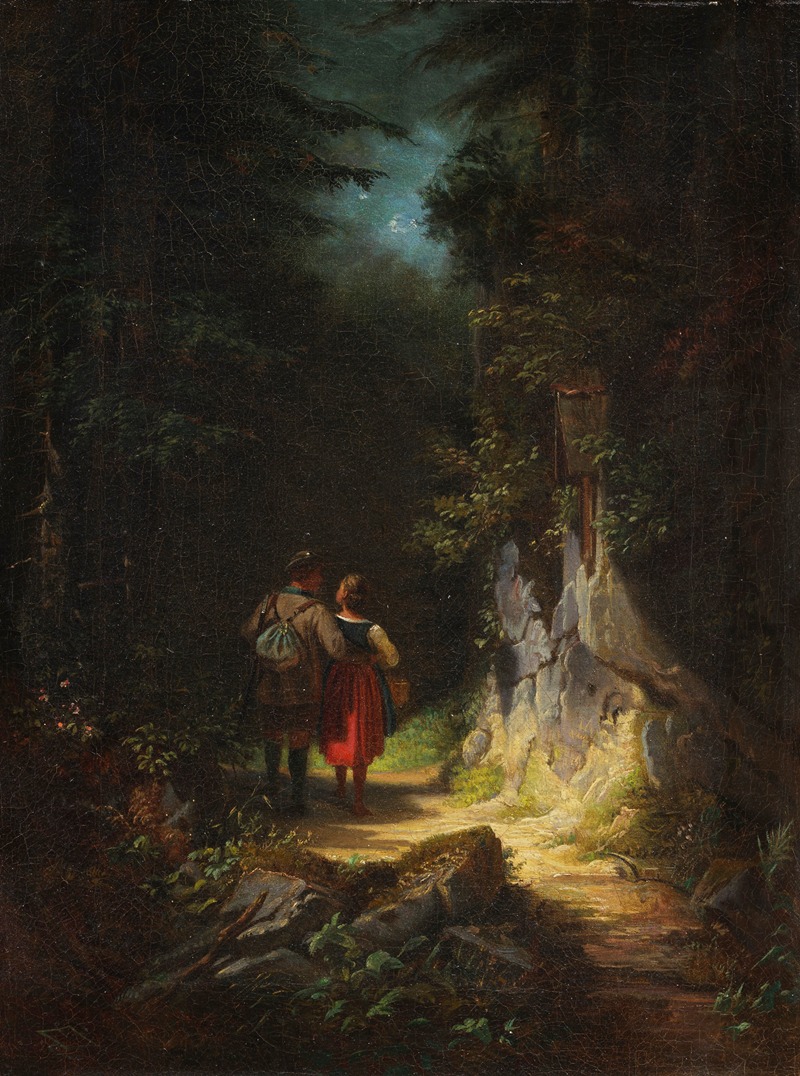
Jäger mit Mädchen (Der verliebte Jäger)
Carl Spitzweg
More Historical Art
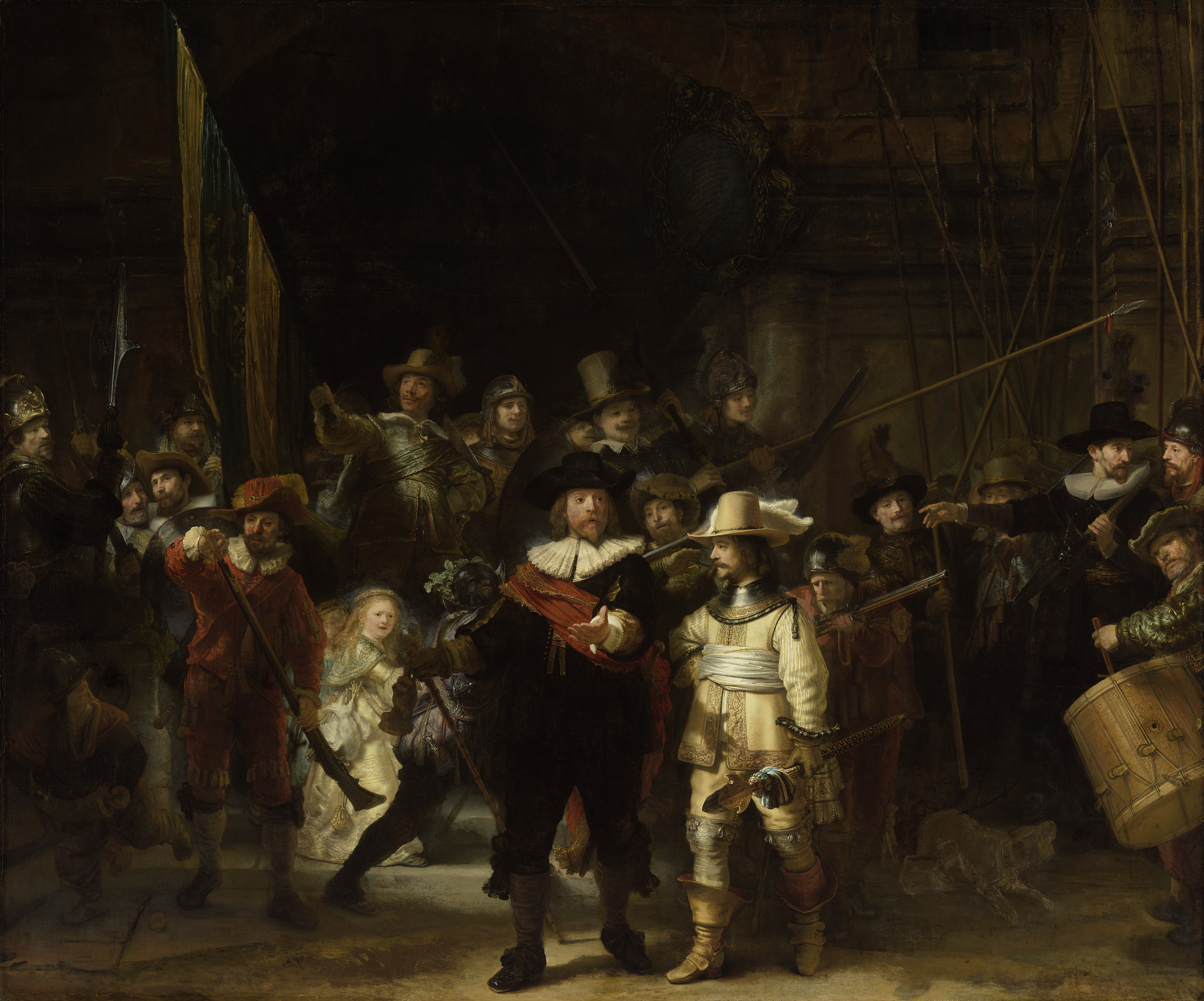
The Night Watch Militia Company of District II under the Command of Captain Frans Banninck Cocq
Rembrandt van Rijn
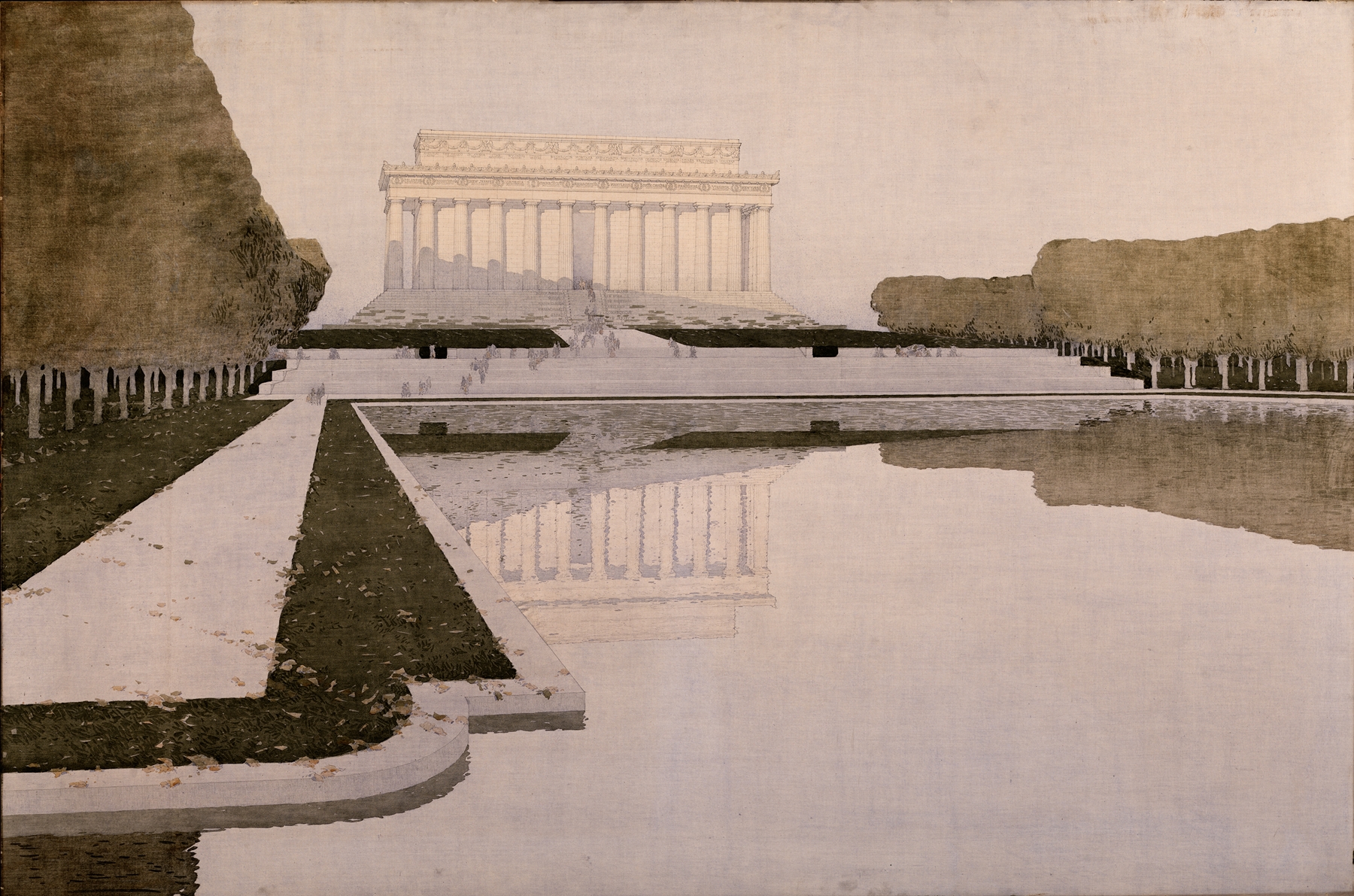
Lincoln Memorial
Henry Bacon
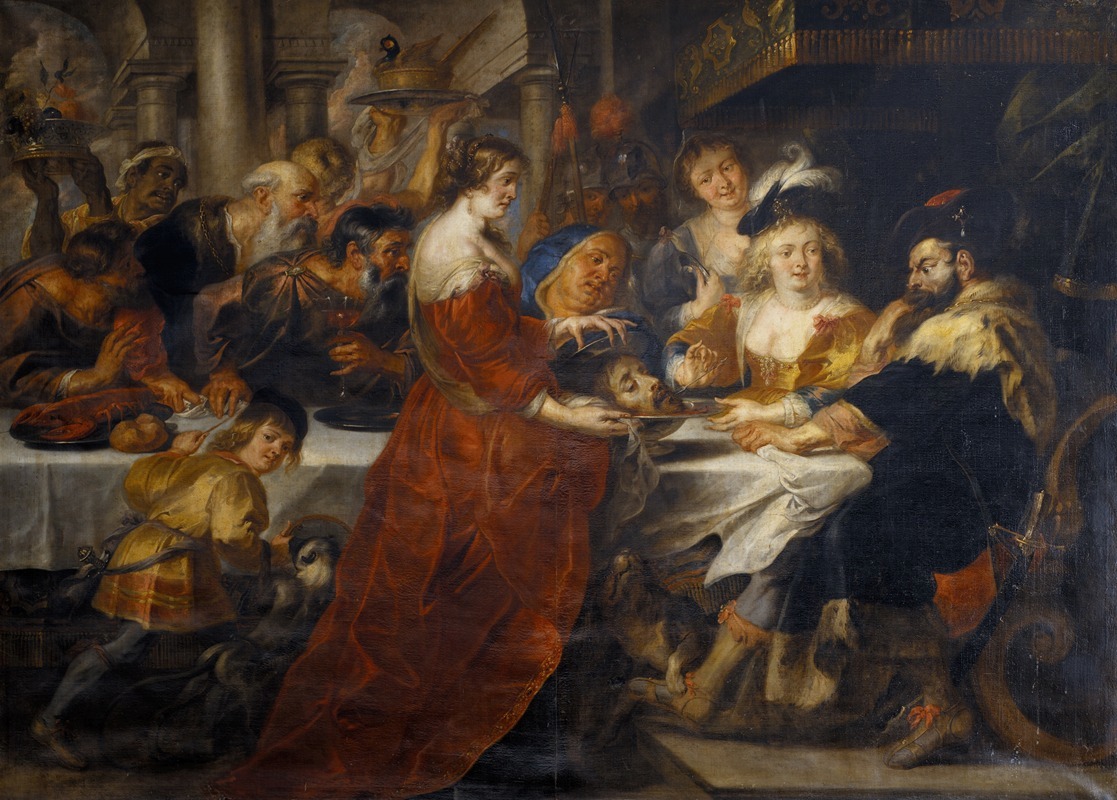
The Feast of Herod. Salome Bringing the Head of St John the Baptist on a Charger
Peter Paul Rubens
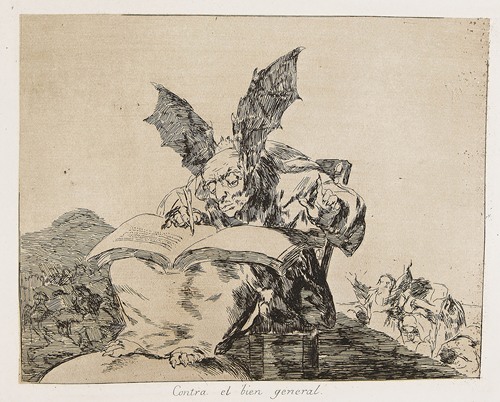
Los desastres de la guerra
Francisco de Goya
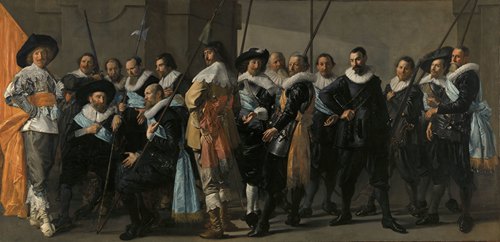
Militia Company of District XI under the Command of Captain Reynier Reael, Known as ‘The Meagre Company’
Frans Hals
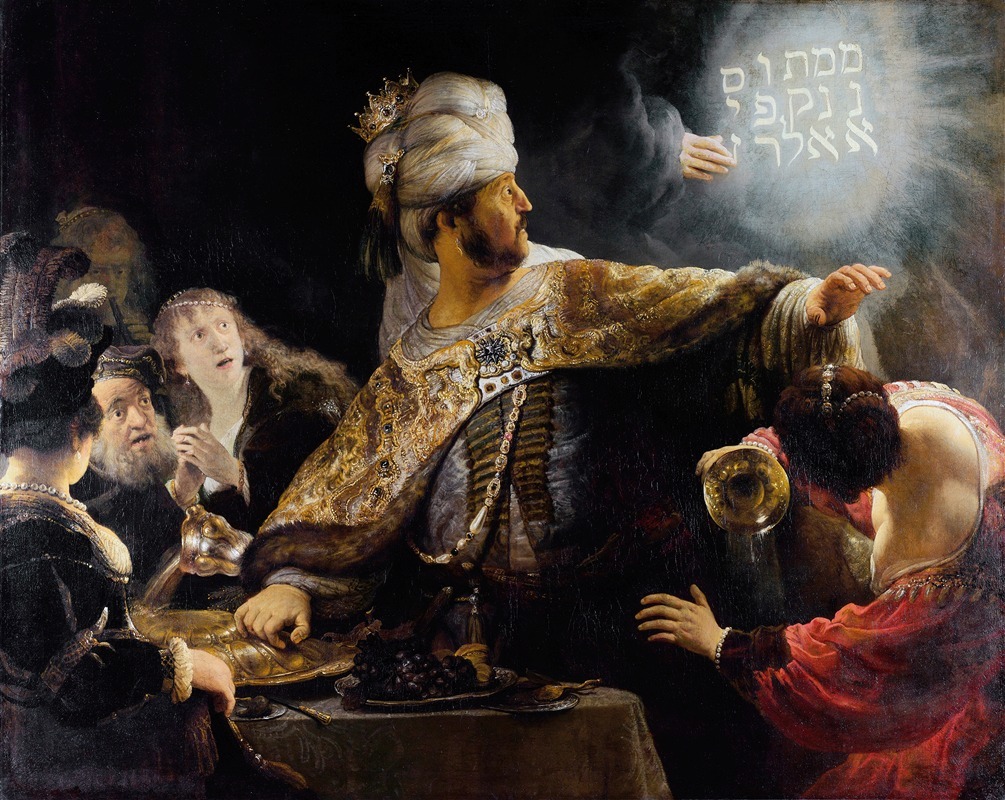
Belshazzar’s feast
Rembrandt van Rijn