
Eriksberg — History & Facts
In the stillness of creative endeavor, every brushstroke breathes life into imagination and possibility. Each painting becomes a testament to the interplay between vision and reality, inviting viewers to explore what lies beyond the surface. Look to the center, where the rhythmic lines of the landscape converge, guiding your gaze toward a serene waterway that reflects a delicate balance of blues and greens. The painter’s skill in layering color creates depth, with hints of gold illuminating the scene, suggesting the glow of late afternoon sunshine.
The composition is anchored by bold architectural forms that rise confidently against the soft backdrop, a testament to the artist’s ability to harmonize structure with nature. Beneath the tranquil surface lies a complex interplay of harmony and tension. The juxtaposition of the solid structures and the fluidity of water evokes a sense of duality, representing the relationship between man-made beauty and the natural world. Small details, like the ripples on the water’s surface, whisper stories of change and reflection, while the vibrant colors hint at the fleeting nature of time, urging viewers to consider what remains when the day fades. Ferdinand Boberg created Eriksberg between 1915 and 1924 during a period marked by significant artistic evolution in Sweden.
He was deeply immersed in the burgeoning movement of Nordic Classicism, which sought to infuse architectural design with natural elements. As Europe emerged from the turmoil of World War I, his work reflected a desire for stability and beauty, bridging the past with the present and capturing a moment of serene creation amidst the upheaval.
More Artworks by Ferdinand Boberg
Browse all →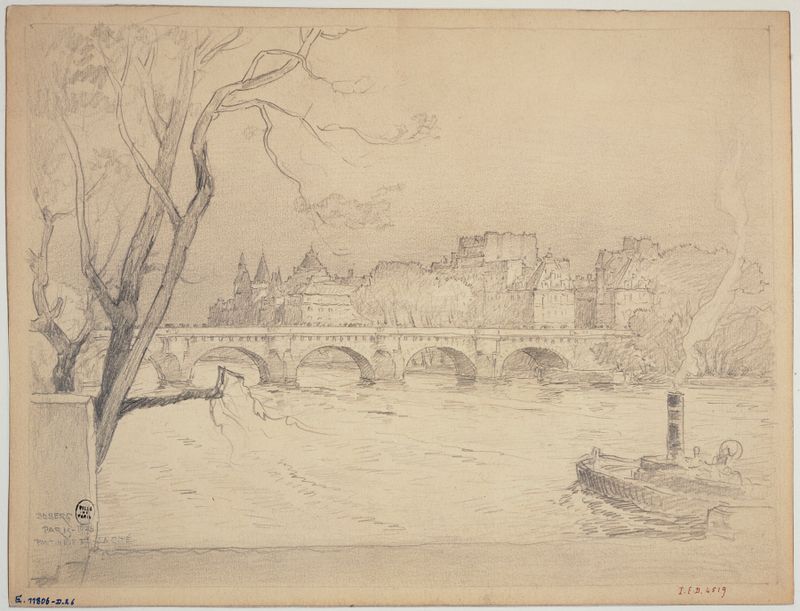
Le Pont-Neuf et la Cité
Ferdinand Boberg
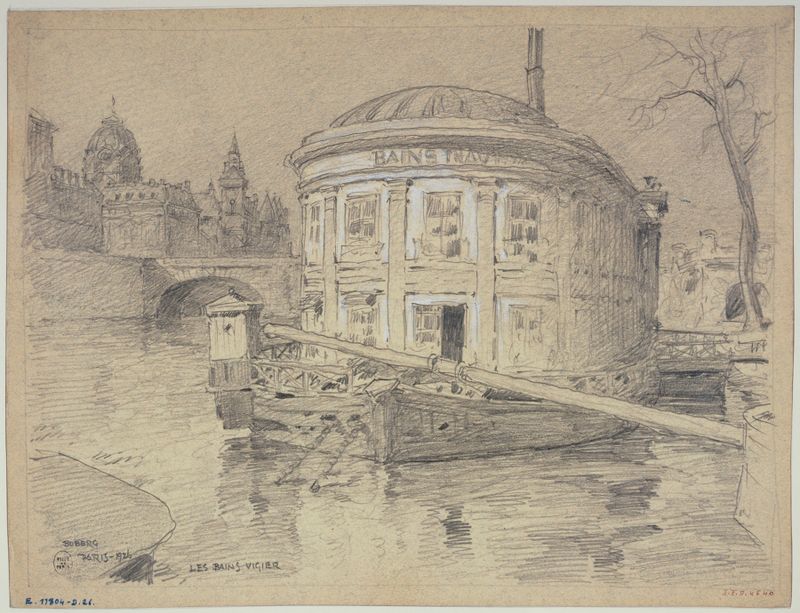
Les bains Vigier au Pont-Neuf
Ferdinand Boberg
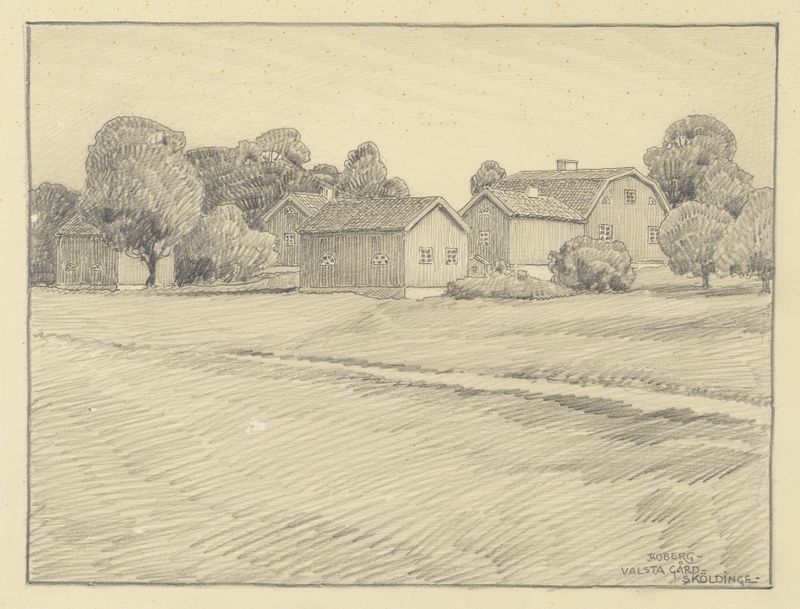
Valsta Gård
Ferdinand Boberg
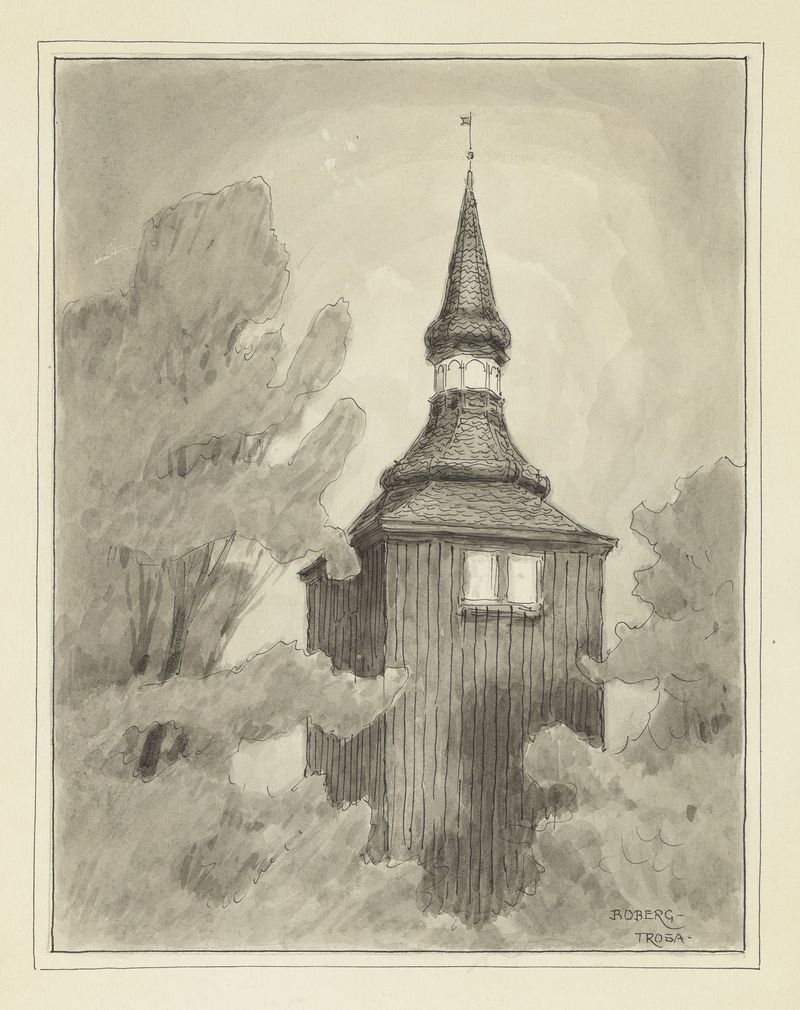
Trosa
Ferdinand Boberg
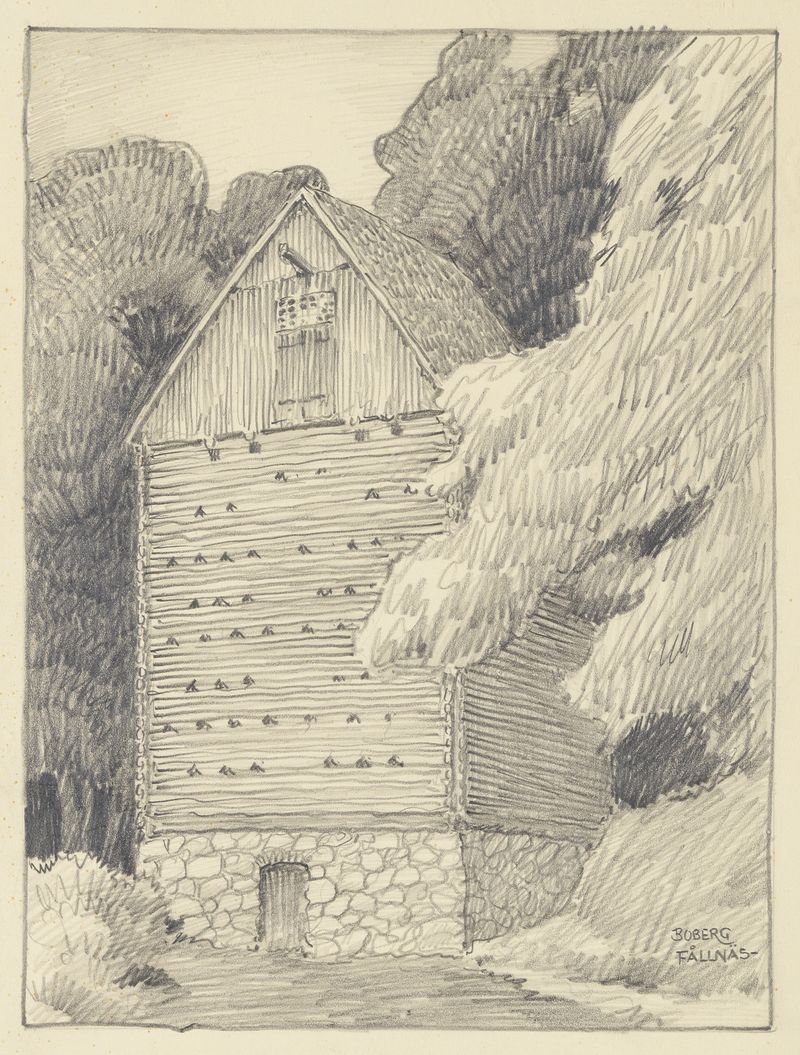
Fållnäs
Ferdinand Boberg
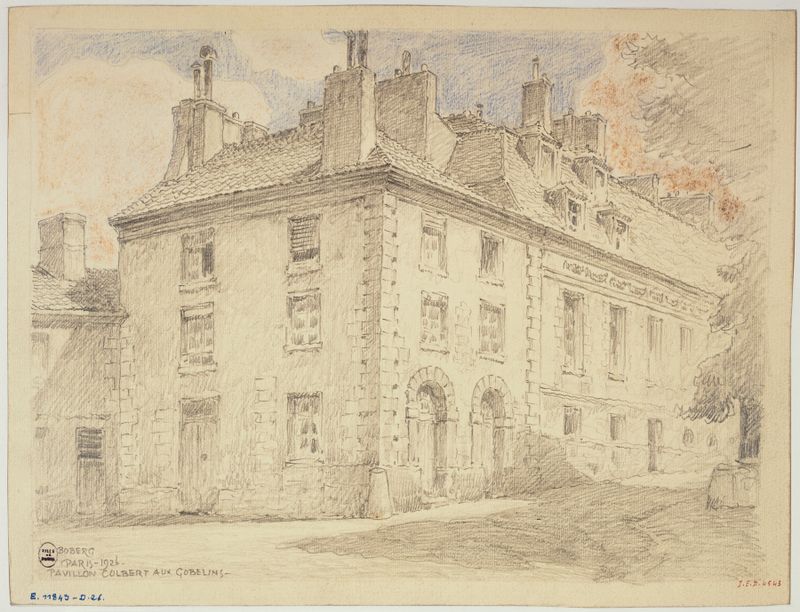
Le pavillon Colbert aux Gobelins
Ferdinand Boberg
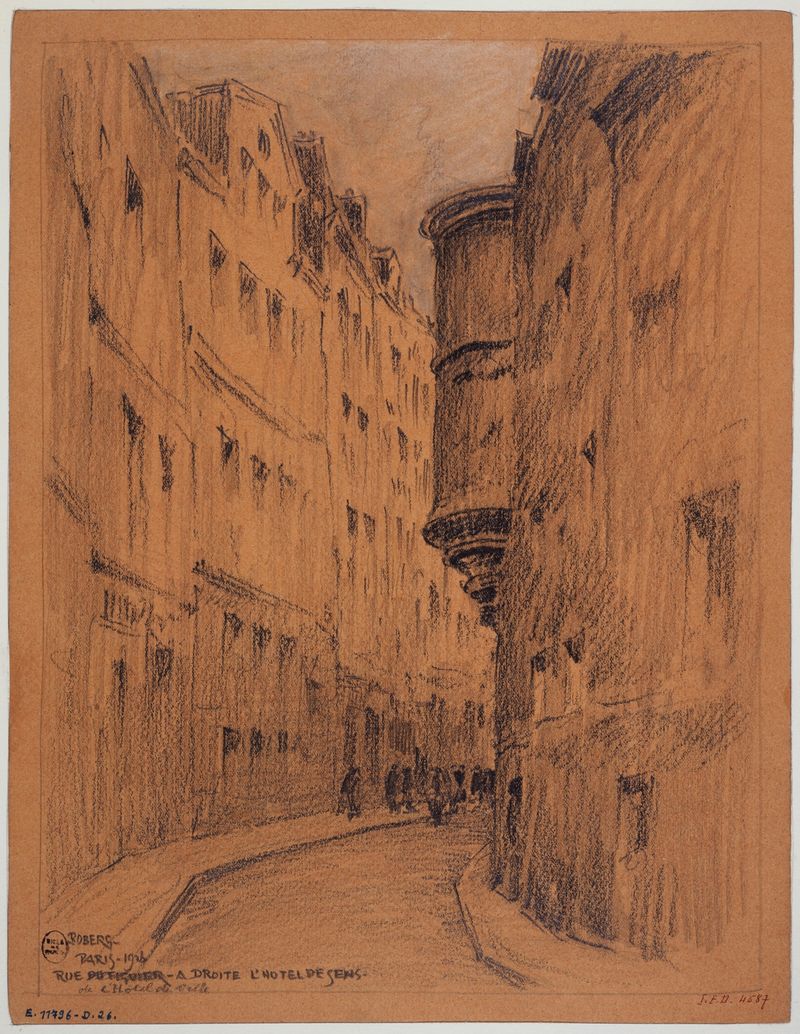
Rue de l’Hôtel de Ville; l’hôtel de Sens
Ferdinand Boberg
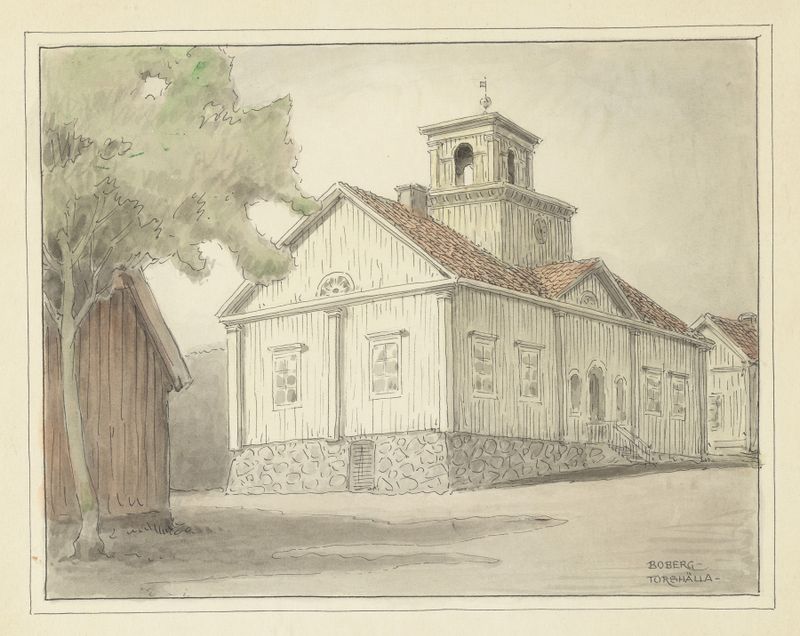
Torshälla
Ferdinand Boberg
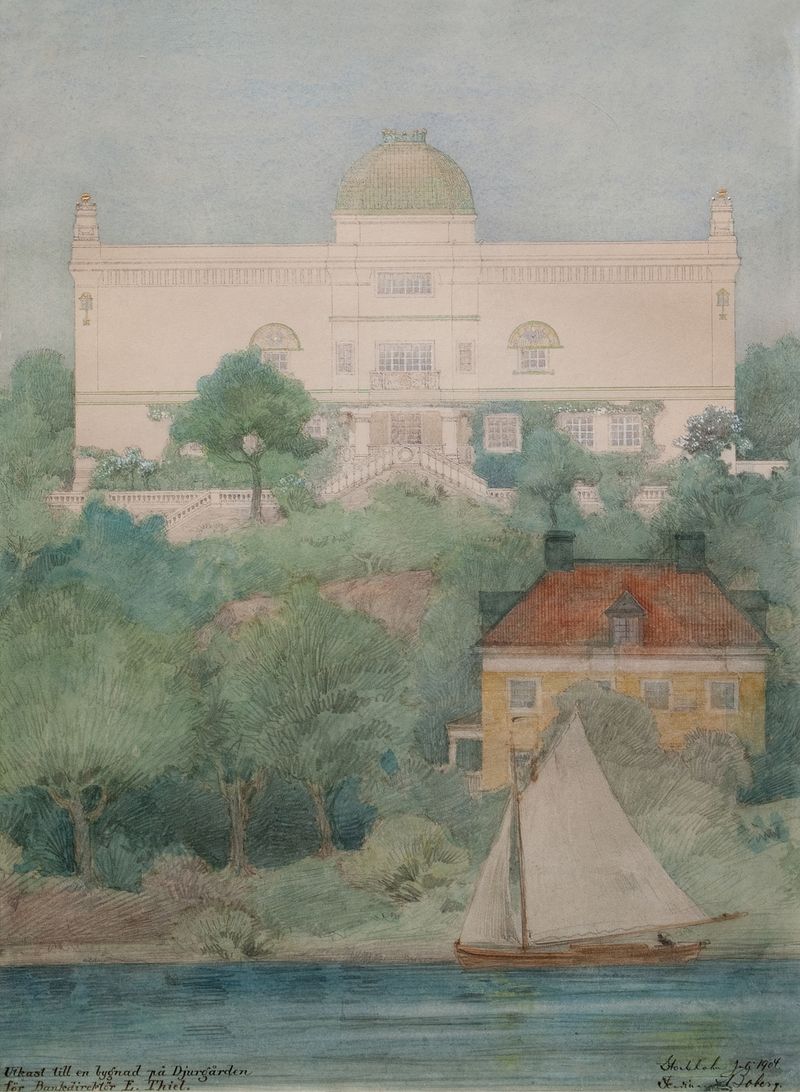
Sketch for a building for Thiel’s Gallery
Ferdinand Boberg
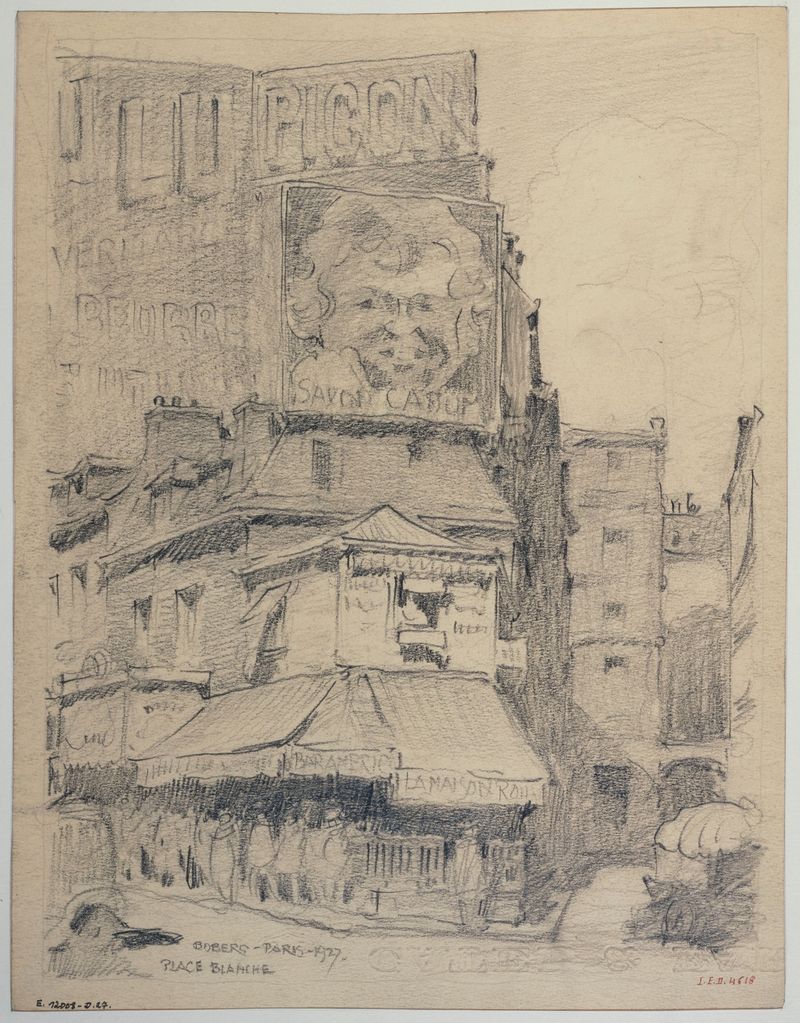
La place Blanche
Ferdinand Boberg





