
Ermite agenouillé sous des voûtes — History & Facts
This sentiment resonates deeply within the quiet confines of a world cloaked in shadow and reverie. Here, the fragile balance between fear and solace unfolds in whispers, challenging us to confront the unseen depths of the human spirit. Look to the center of the canvas where the kneeling hermit, draped in somber robes, becomes a vessel of contemplation. The soft, muted tones evoke an atmosphere steeped in reverence, while the angularity of the arches above creates a sense of confinement.
The gentle flicker of light filtering through the vaulted ceiling highlights the hermit’s weary posture, illuminating the duality of his solitude—both sacred and haunting. Each brushstroke carries an undercurrent of tension. The stark contrast between the luminous space above and the shadowy corners of the chapel reflects the eternal struggle between hope and despair. The hermit’s bowed head suggests surrender, yet there is an undeniable resilience in his posture.
The surrounding architecture, both majestic and foreboding, embodies the sanctuary of faith while simultaneously evoking a sense of entrapment, mirroring the anxiety that accompanies spiritual devotion. François-Marius Granet painted this work during a period marked by personal reflection and evolving philosophies in the art world. Active primarily in the early 19th century, he was influenced by the Romantic movement, which celebrated the emotional and the sublime. The time of creation remains uncertain, but Granet’s exploration of solitude and spirituality echoes through a landscape of societal change, as artists began to question traditional norms and seek deeper connections with their subjects.
More Artworks by François-Marius Granet
Browse all →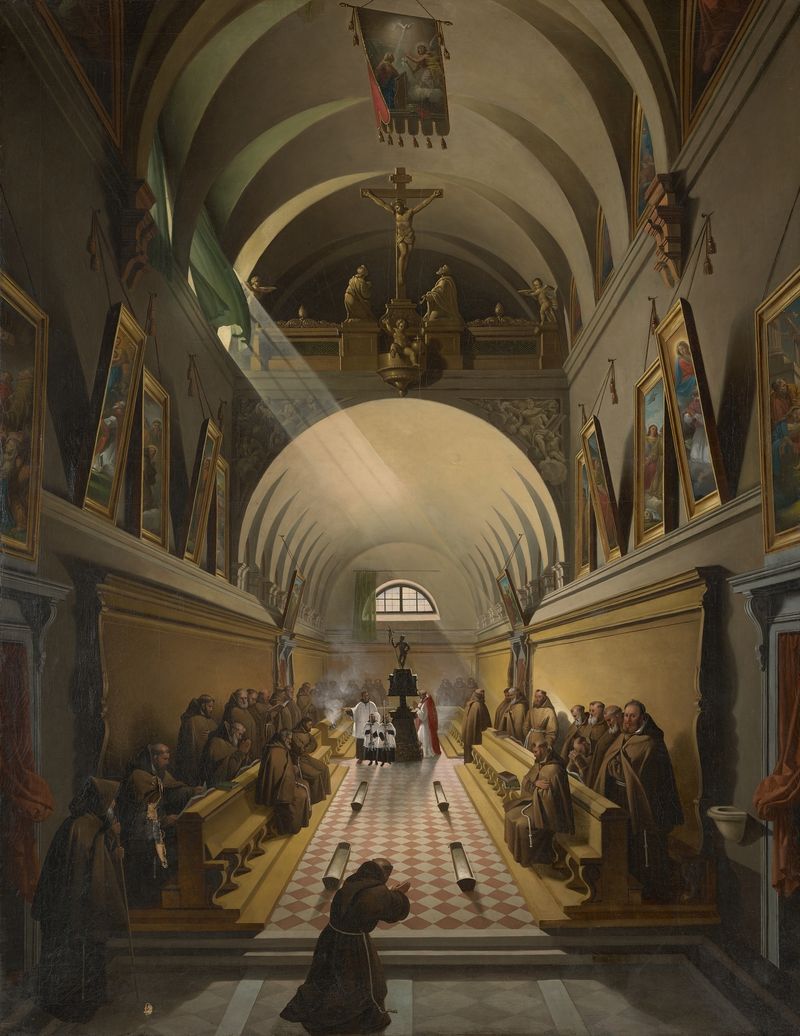
Interior of a Capuchin Convent
François-Marius Granet
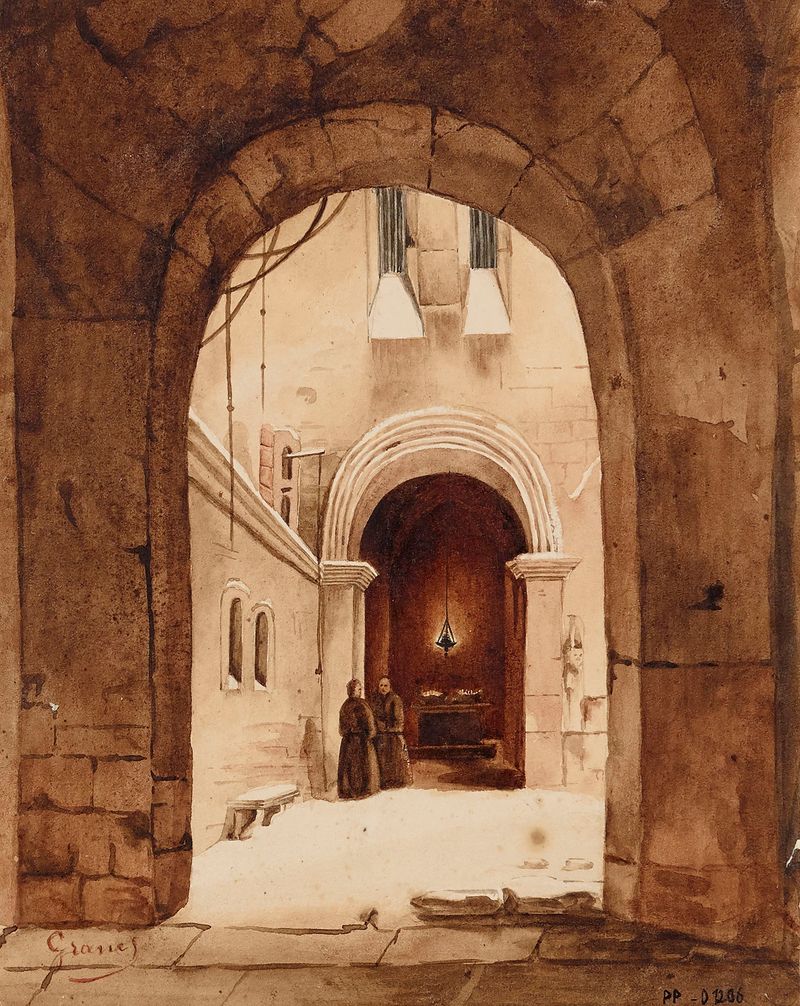
Deux ermites se promenant sous des voûtes
François-Marius Granet
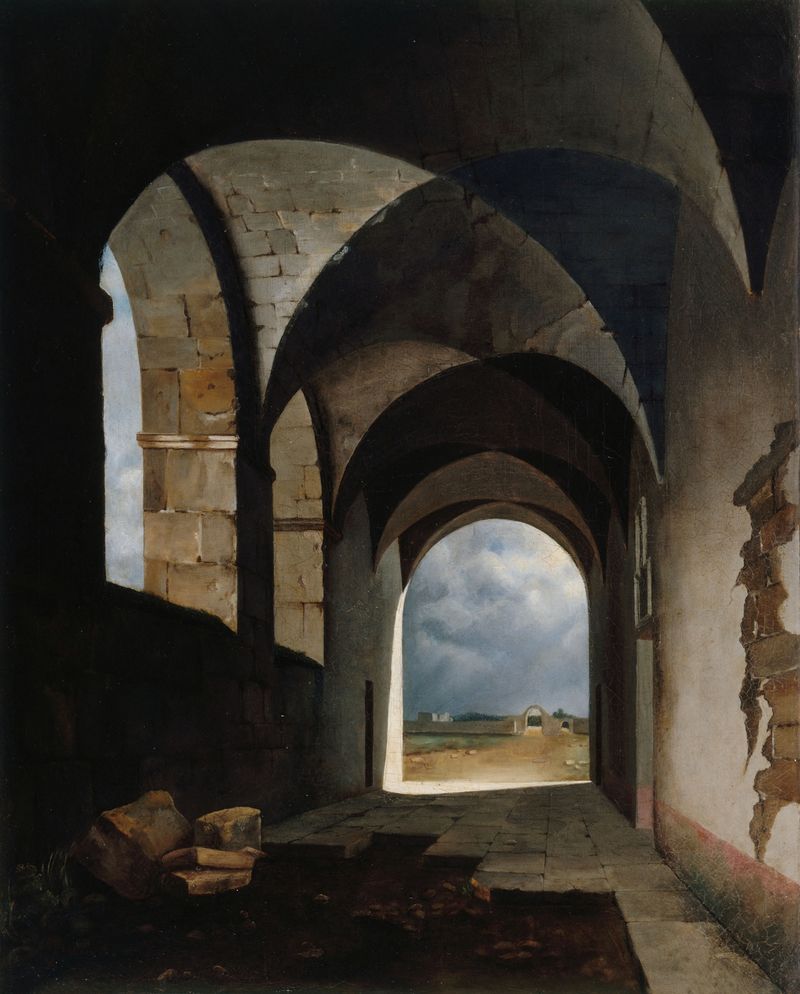
Effet de lumière dans les ruines
François-Marius Granet
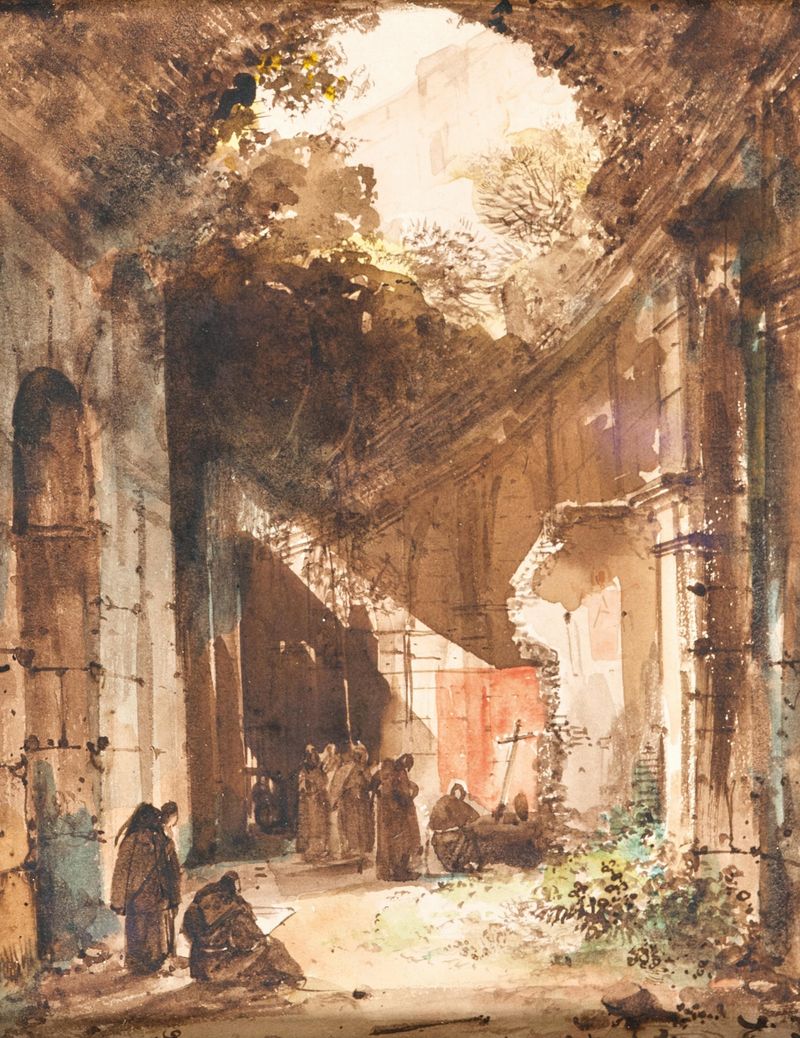
Monks in the Colosseum
François-Marius Granet
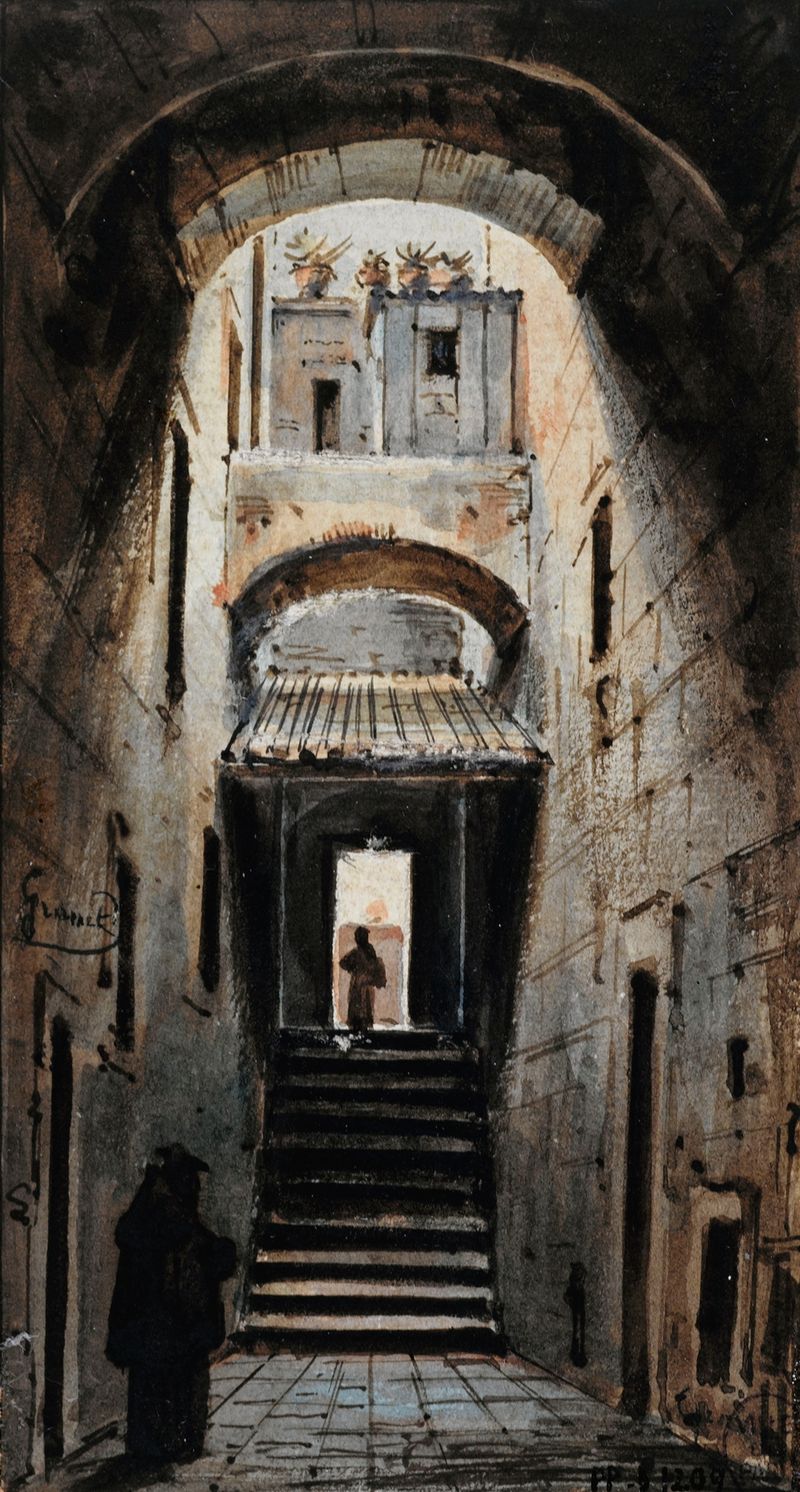
Une rue sous les voûtes
François-Marius Granet
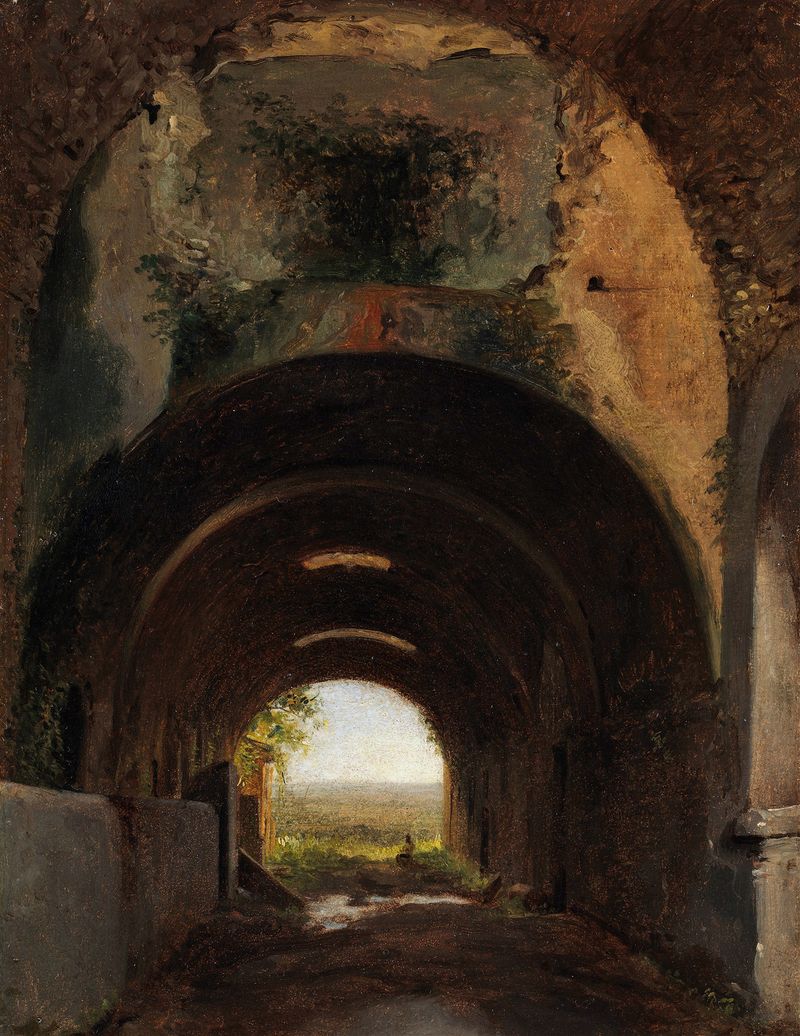
View in the Stables of the Villa of Maecenas, Tivoli
François-Marius Granet
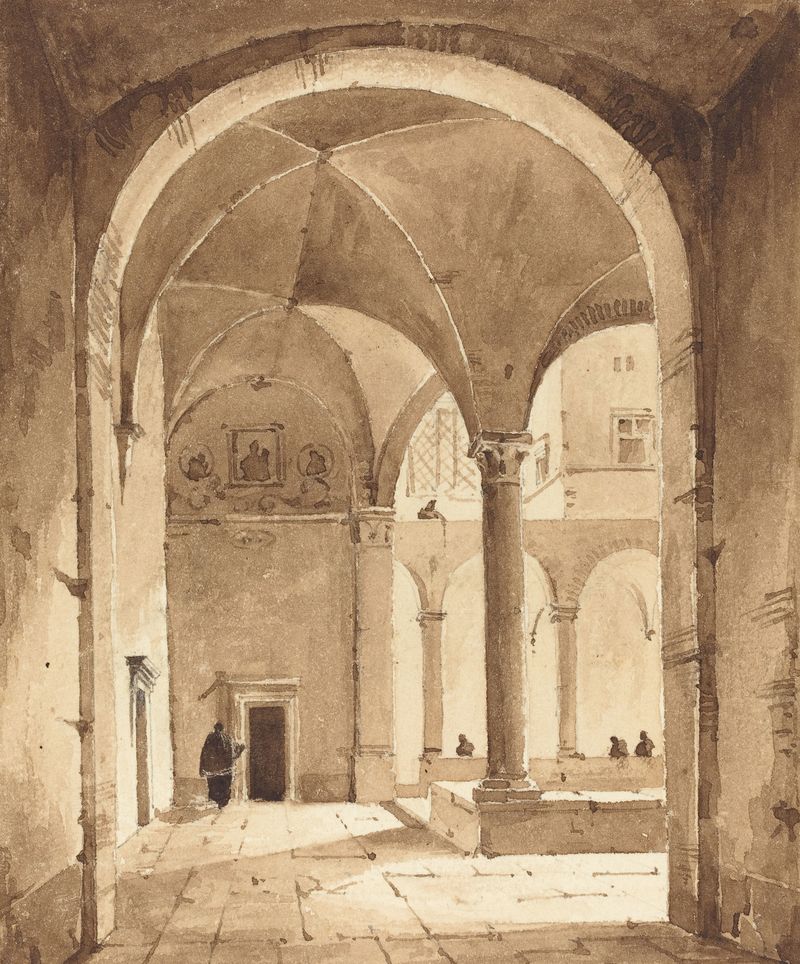
A Cloister
François-Marius Granet
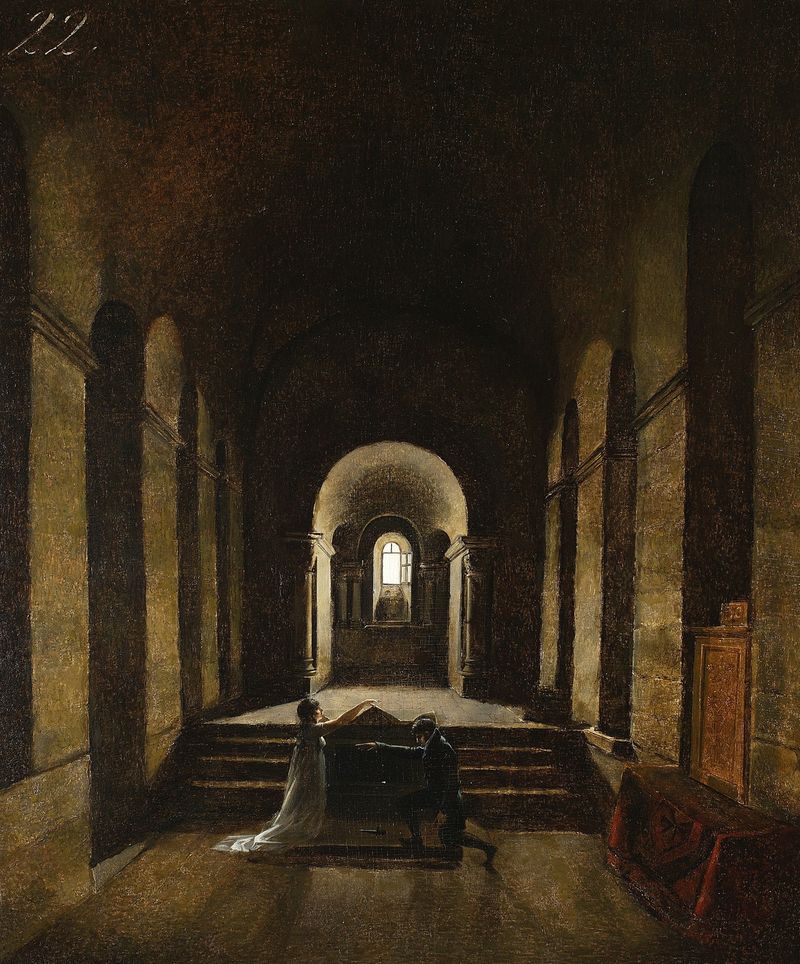
Vow (chapel interior)
François-Marius Granet
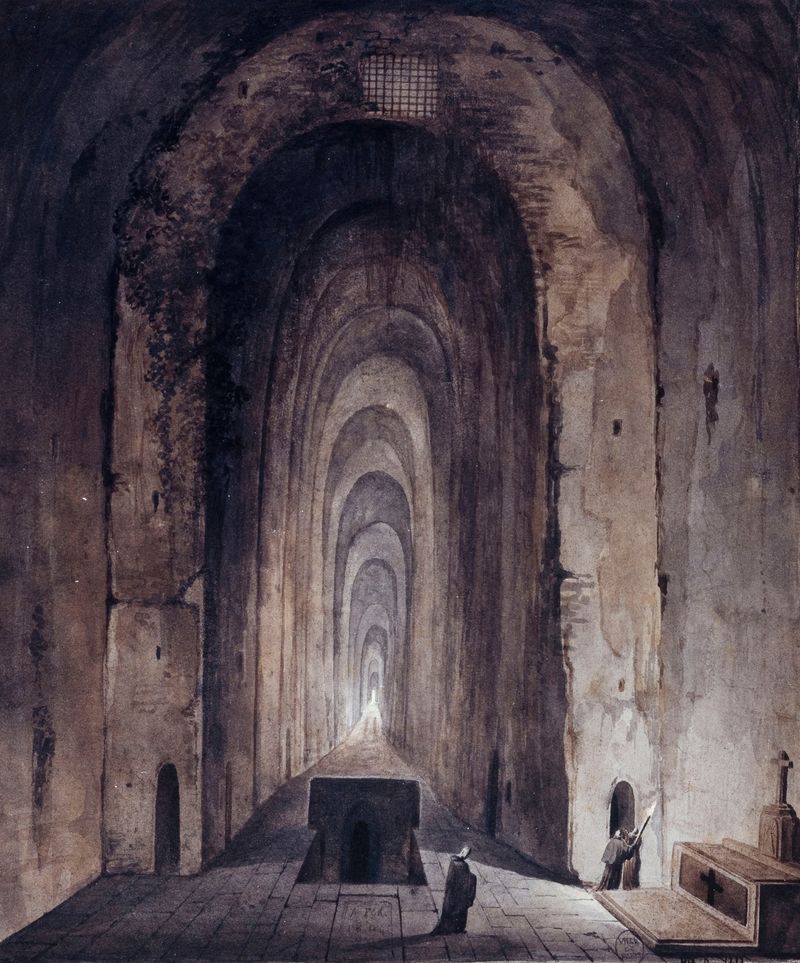
Les Catacombes de Saint-Agnès à Naples
François-Marius Granet
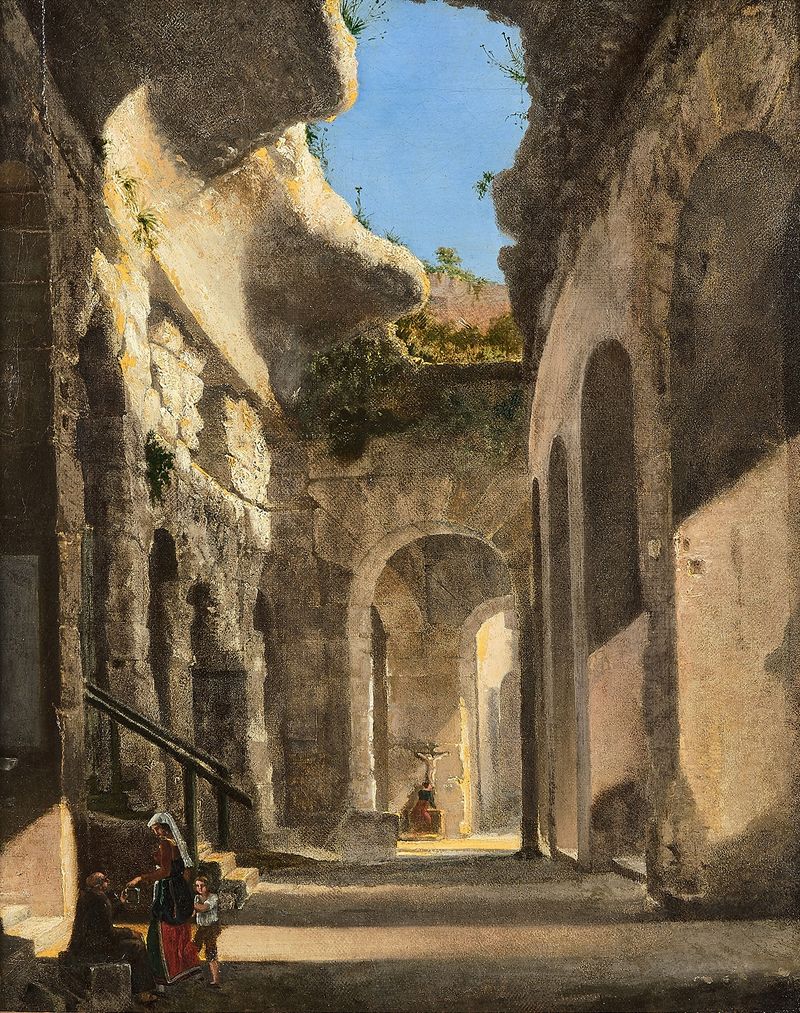
Les ruines du Colisée animées de personnages
François-Marius Granet





