
Escutcheon of Charles V of Spain — History & Facts
In the intricate details of Sargent's work, one finds not just a narrative of history but a profound rebirth of identity and purpose. The Escutcheon of Charles V of Spain tells a story not merely of heraldry but of the enduring human spirit that shapes and reshapes our legacies. Look closely at the vibrant colors that pulse throughout the piece. Notice how the deep reds and blues of the coat of arms contrast with the golden embellishments that frame it.
Each brushstroke captures a luminous quality, inviting your gaze to dance across the surface, leading you to the regal symbols and their meanings. The elegant composition echoes the grandeur of the Habsburg dynasty while maintaining a contemporary vibrance, showcasing Sargent’s meticulous attention to detail and a masterful command of light. The artwork is rich with layers of significance. The escutcheon itself symbolizes power and rule, yet it also represents a connection to history and heritage that transcends time.
The interplay of light and shadow subtly evokes the tension between past glories and present realities, suggesting a dialogue between what was and what could be. It speaks to the broader human experience of renewal and the constant reinvention of identity amidst changing circumstances. Created in 1912, this piece emerged during a time of personal and artistic transformation for Sargent. Living in London, he was navigating a shift in the art world, where traditional representations were being challenged by modernist movements.
This work reflects his ability to bridge past and present, capturing the essence of an era while reaffirming the relevance of classical themes in a rapidly evolving artistic landscape.
More Artworks by John Singer Sargent
Browse all →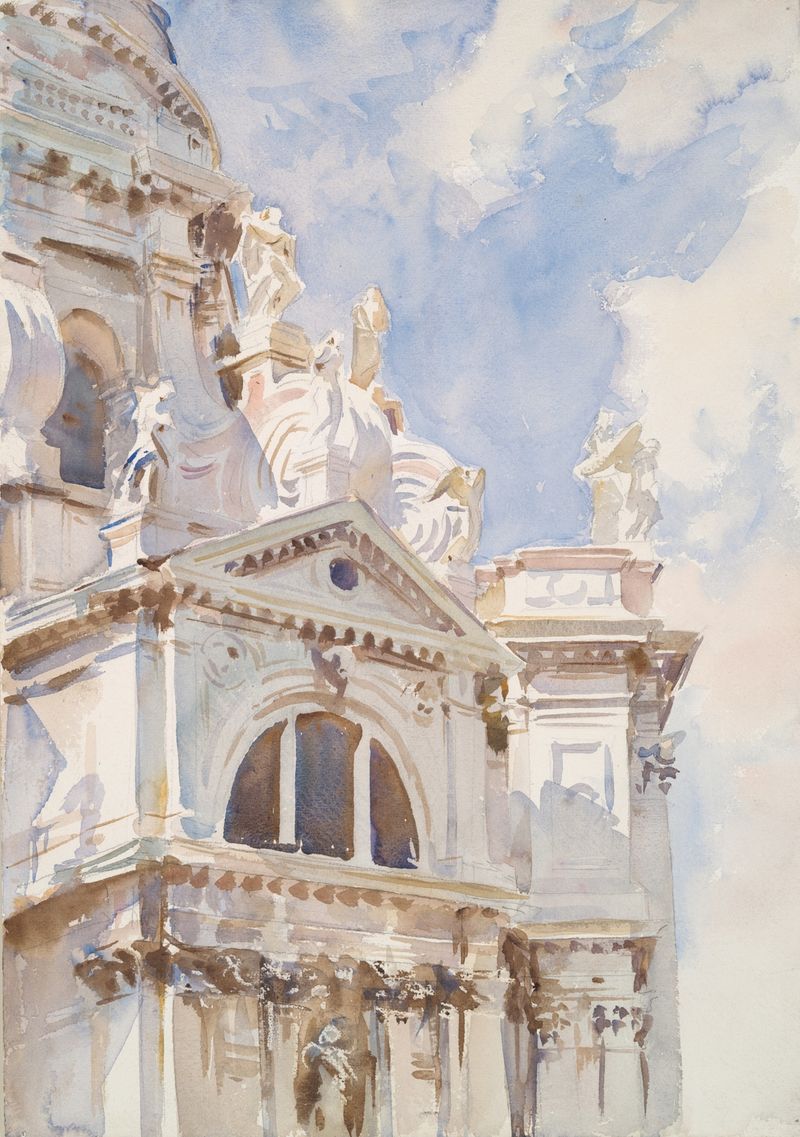
The Salute, Venice
John Singer Sargent

Mrs. Charles Deering (Marion Denison Whipple)
John Singer Sargent
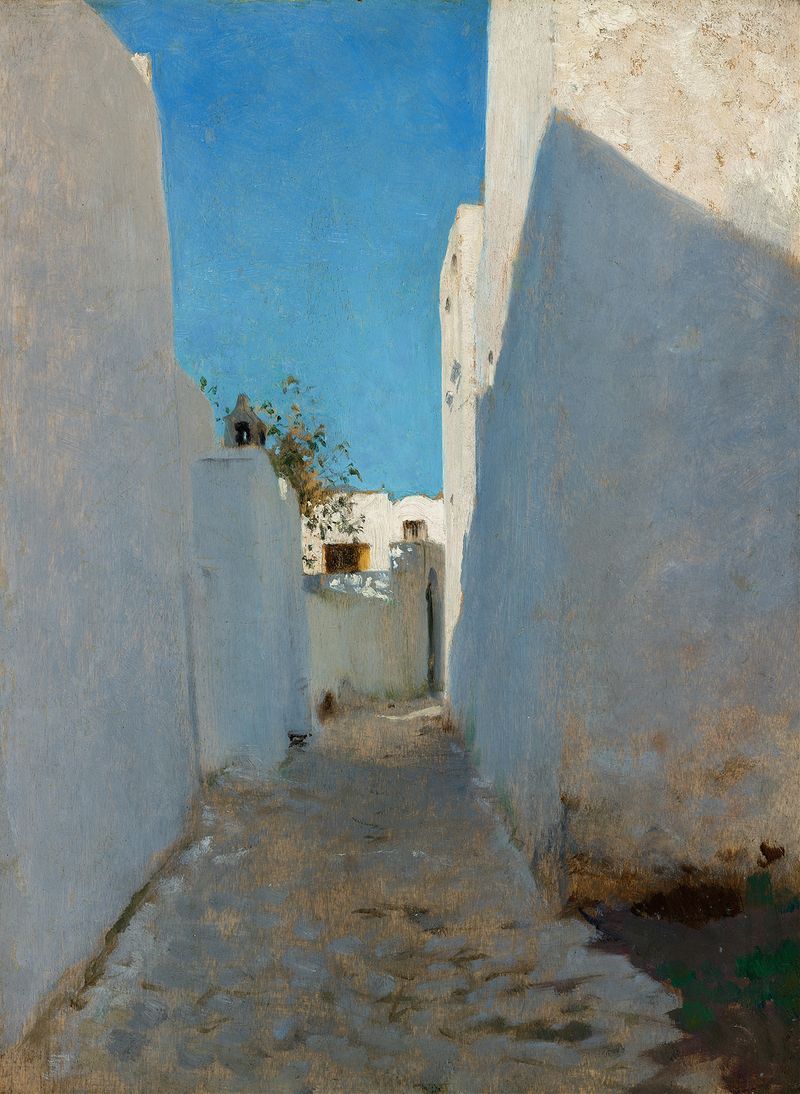
A Moroccan Street Scene
John Singer Sargent
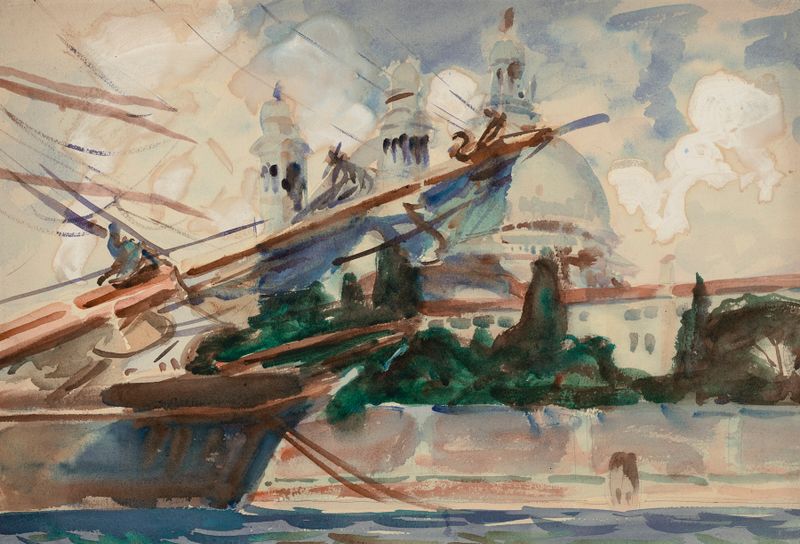
The Salute, Venice
John Singer Sargent
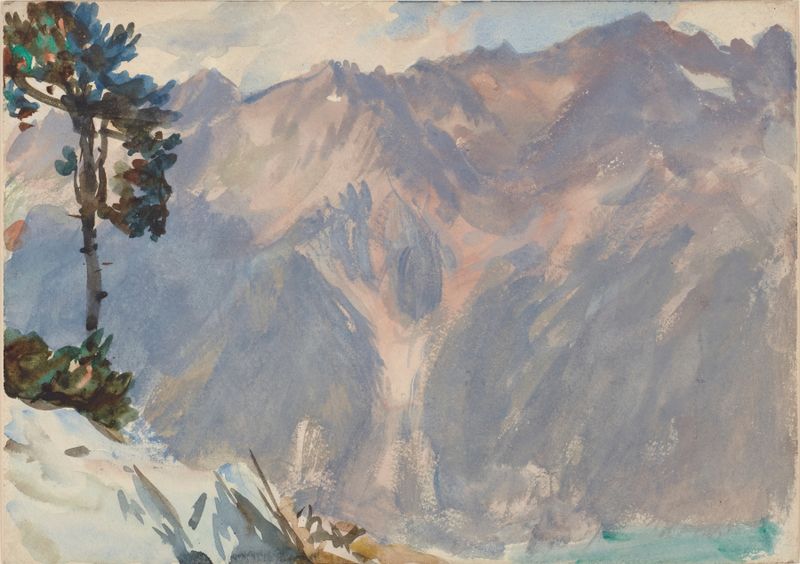
Tyrol
John Singer Sargent
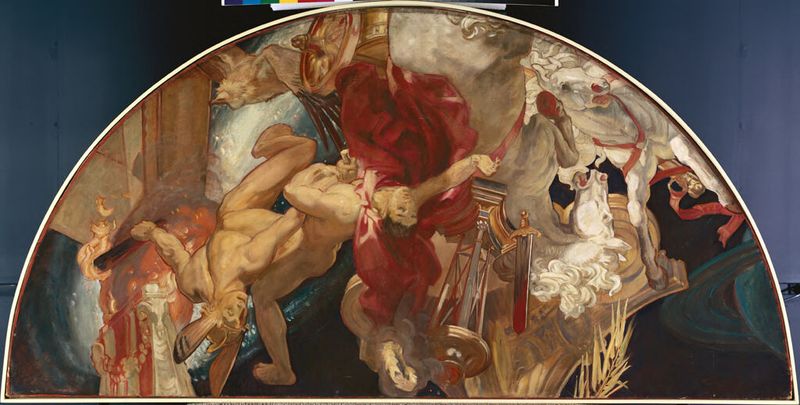
Study for "Gog and Magog," for the Boston Public Library
John Singer Sargent
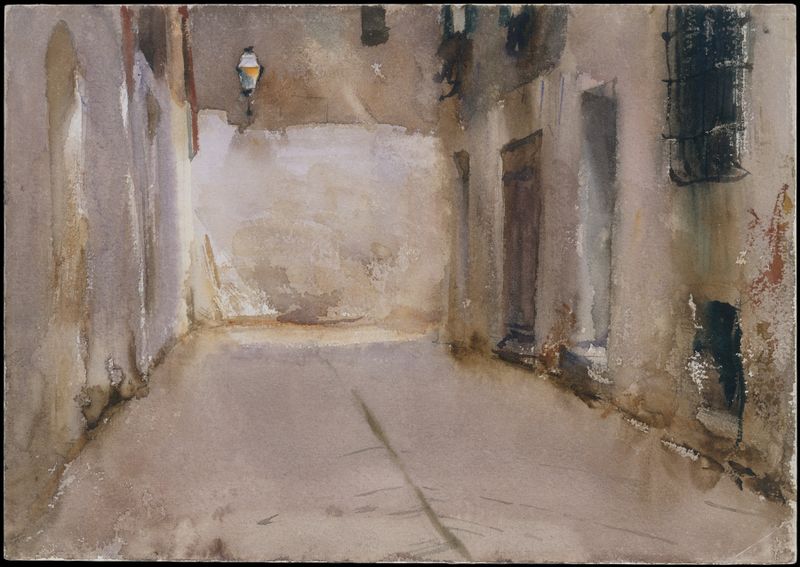
Venice
John Singer Sargent
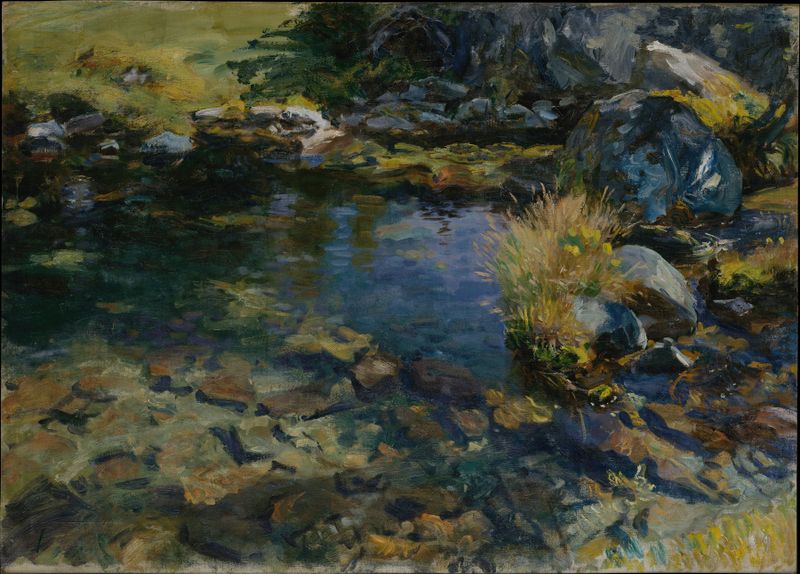
Alpine Pool
John Singer Sargent
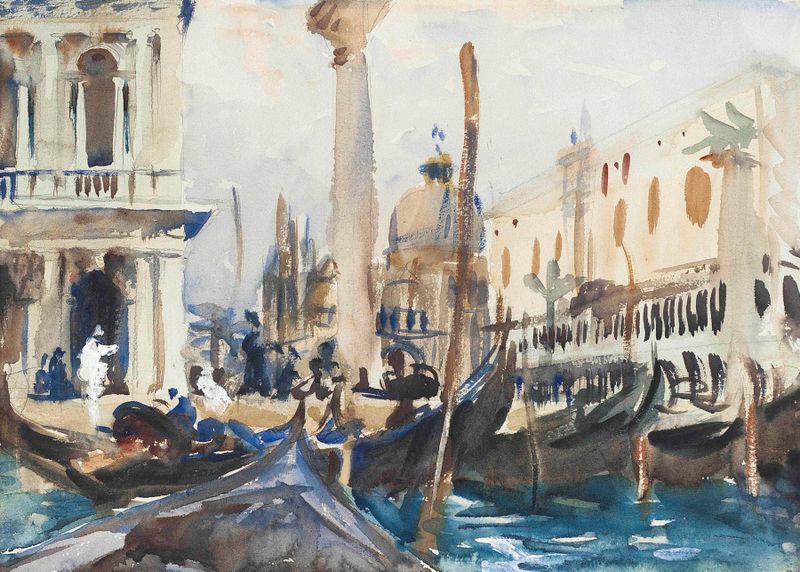
The Piazzetta with Gondolas
John Singer Sargent
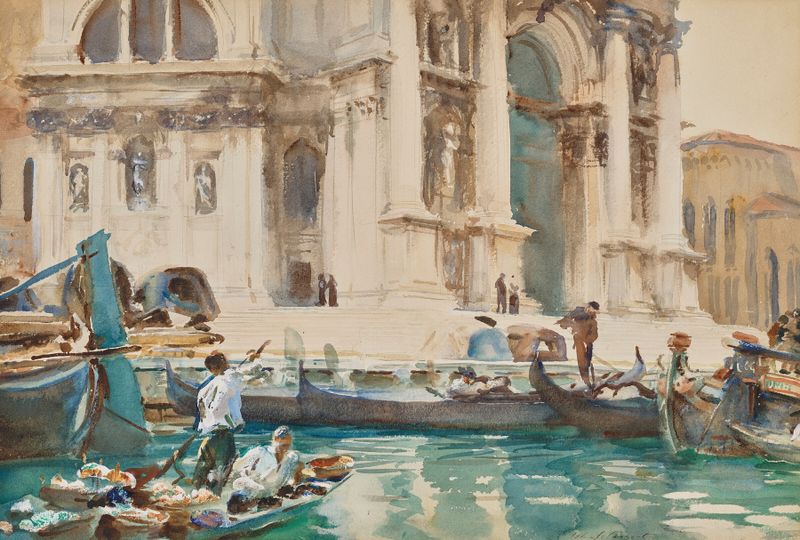
The Façade of La Salute, Venice
John Singer Sargent
More Historical Art
Browse all →
The Night Watch Militia Company of District II under the Command of Captain Frans Banninck Cocq
Rembrandt van Rijn

Lincoln Memorial
Henry Bacon

The Third of May 1808
Francisco de Goya

Isaac and Rebecca, Known as ‘The Jewish Bride’
Rembrandt van Rijn

The Charge of the Mamelukes (1814)
Francisco de Goya

De vier ruiters van de apocalyps
Albrecht Dürer