Esquisse pour une cheminée — History & Facts
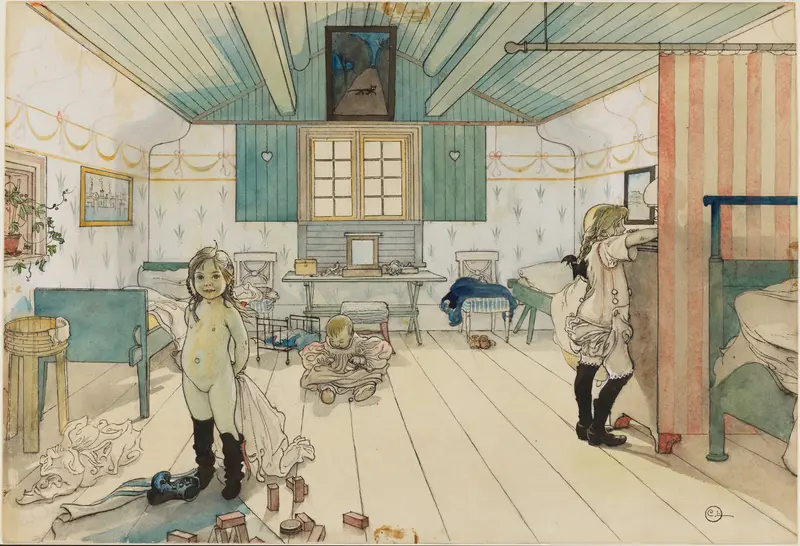
The first thing that catches the eye in Esquisse pour une cheminée is the sense of movement and organic growth, as if the fireplace itself is ready to blossom. The central figure, rendered in swift, looping lines, sits almost like a muse or guardian, enfolded by the curving forms of the mantel and flanked by delicate, plant-like ornamentation. Mucha’s hand is unmistakable in the way the lines swirl and arch, guiding the viewer’s gaze upward through the structure, then back down to the hearth’s mouth, ringed with a sunburst of warm ochre.
Even the unfinished sketches and marginalia on the right invite us into the artist’s process, suggesting a restless search for the perfect form. Drawn in 1900, this work sits at the heart of the Art Nouveau movement, when artists like Alphonse Mucha were transforming everyday objects into works of art alive with natural motifs and flowing lines. Designs like this were often commissioned for the grand interiors of Parisian homes or public spaces, where the boundaries between art and utility were being joyfully erased. The Musée Carnavalet, which now holds this drawing, preserves it as a testament to a moment when the decorative arts were at the forefront of cultural innovation.
Today, the sketch’s unfinished quality offers a rare glimpse into the world of the artist at work, and invites us to imagine the warmth such a fireplace might have brought to a Belle Époque salon.
More Artworks by Alphonse Mucha
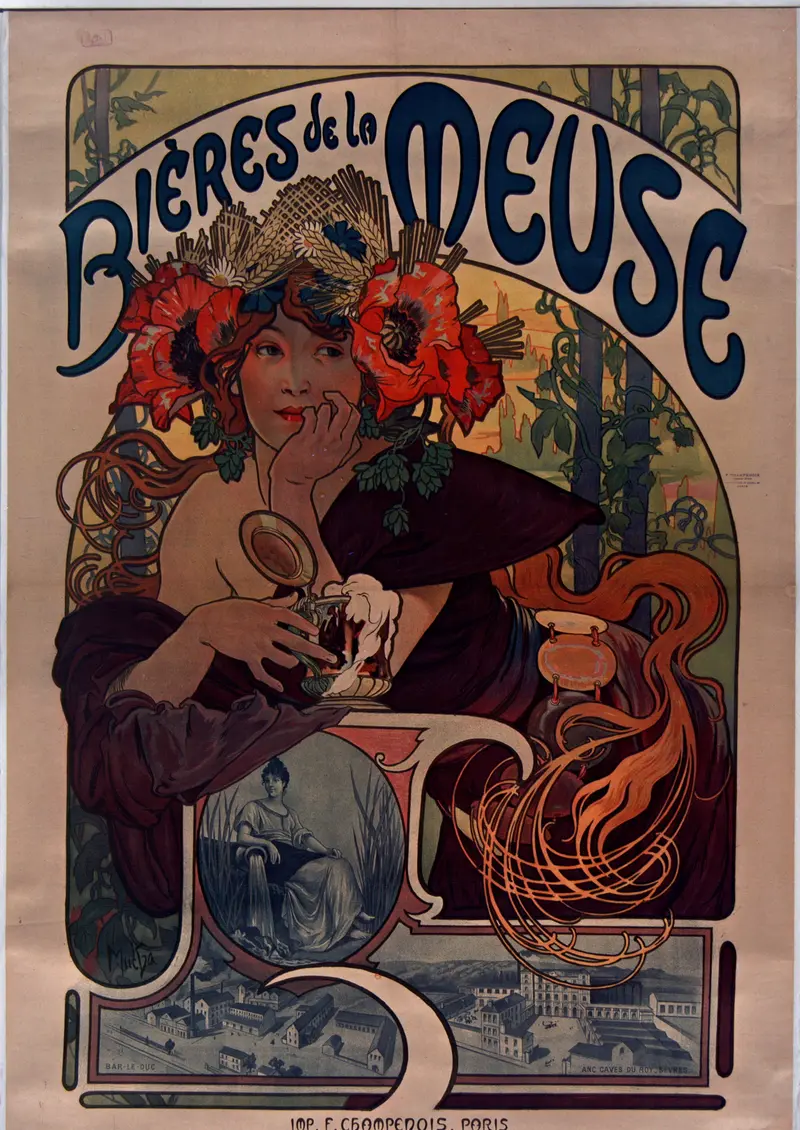
Bières de la Meuse
Alphonse Mucha
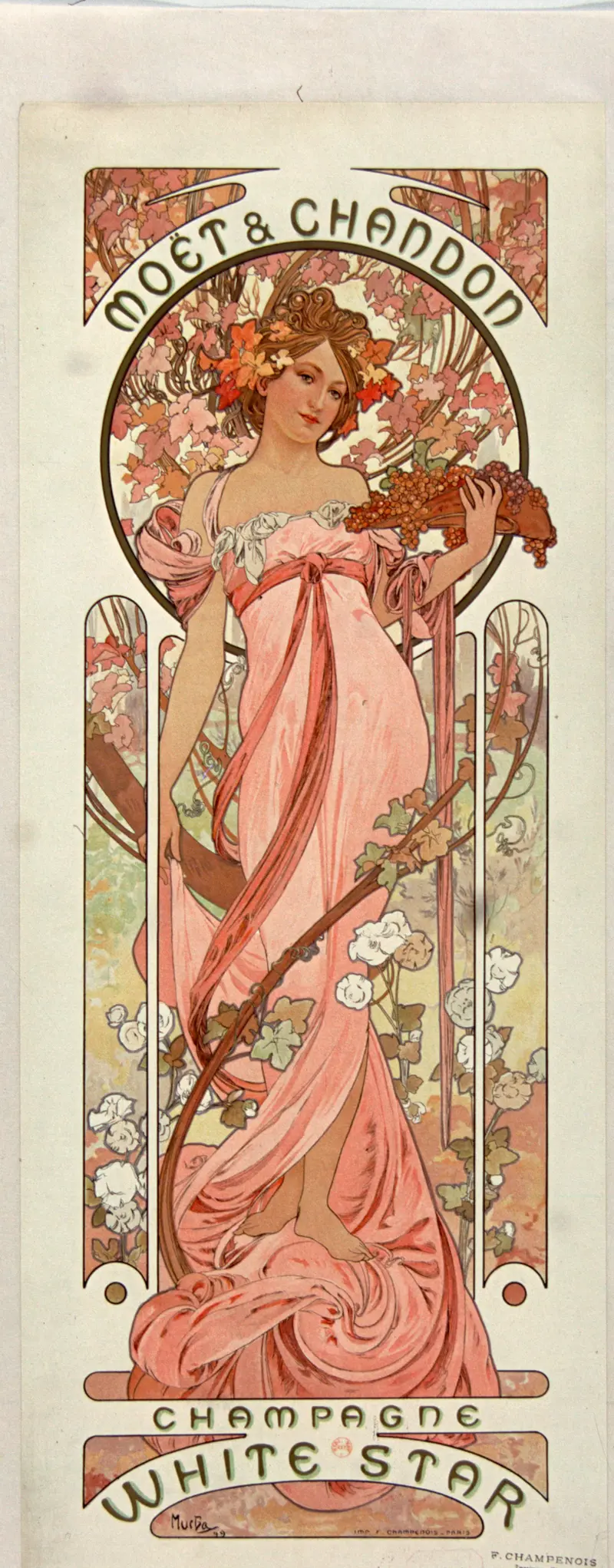
Moët & Chandon Champagne, White Star
Alphonse Mucha
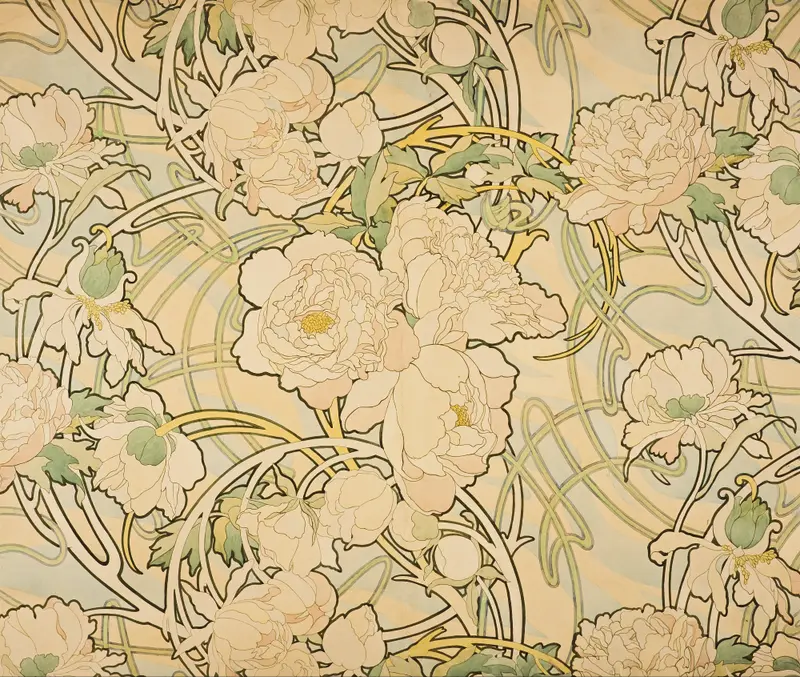
Peonies
Alphonse Mucha
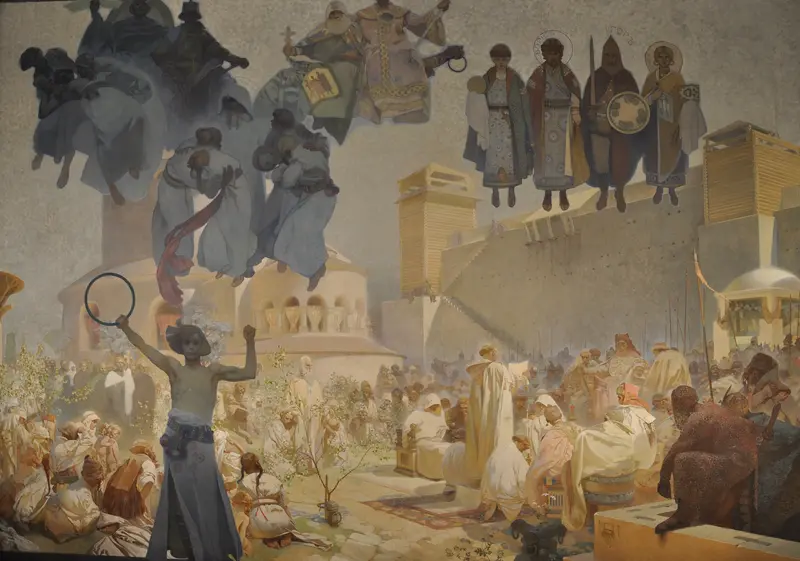
The Slav Epic: The Introduction of the Slavonic Liturgy in Great Moravia
Alphonse Mucha
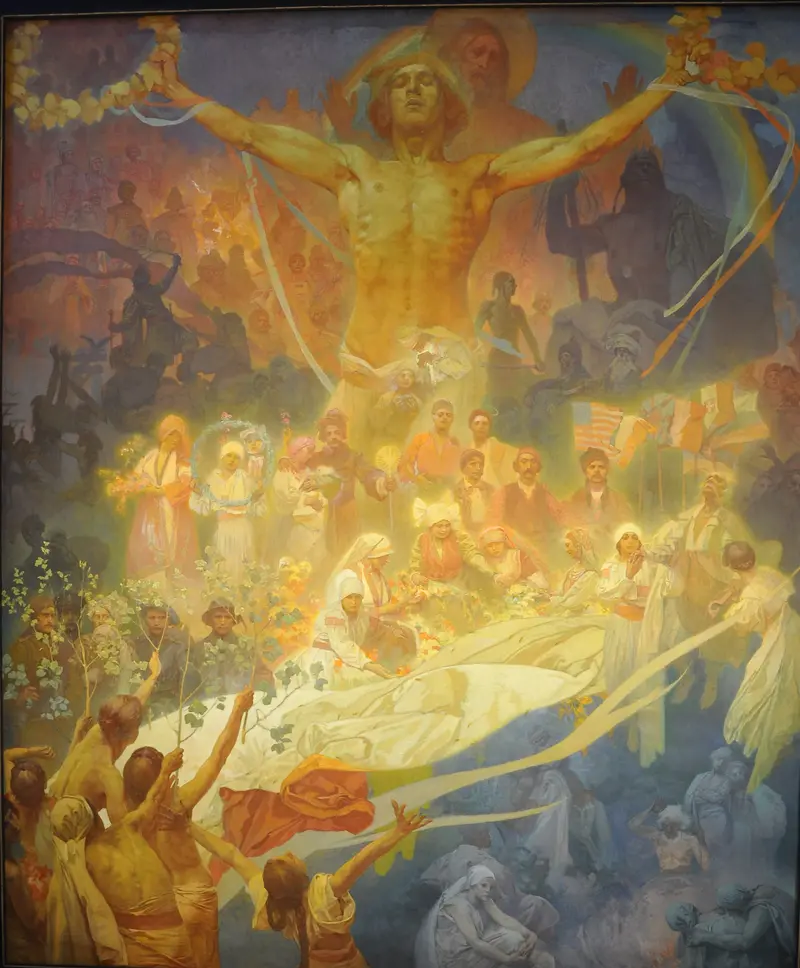
The Slav Epic: The Apotheosis of the Slavs
Alphonse Mucha
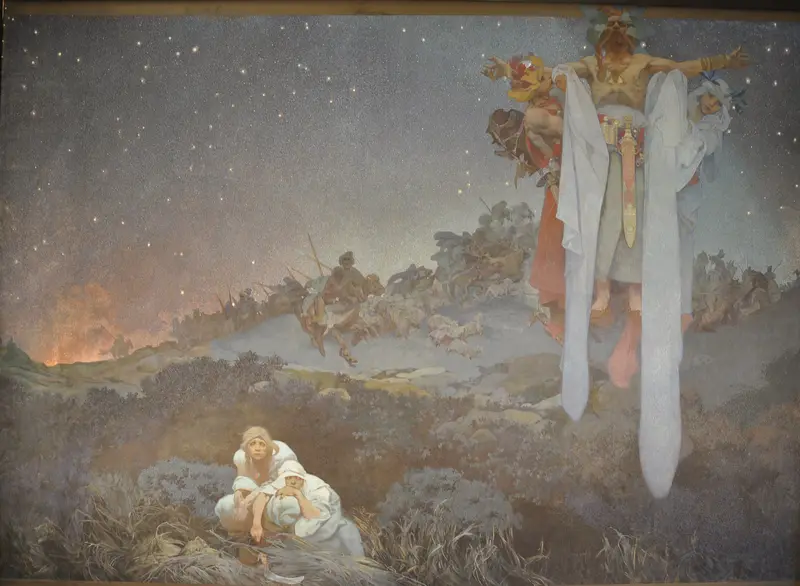
The Slav Epic: The Slavs in Their Original Homeland
Alphonse Mucha

Abstract design based on flowers and leaves
Alphonse Mucha
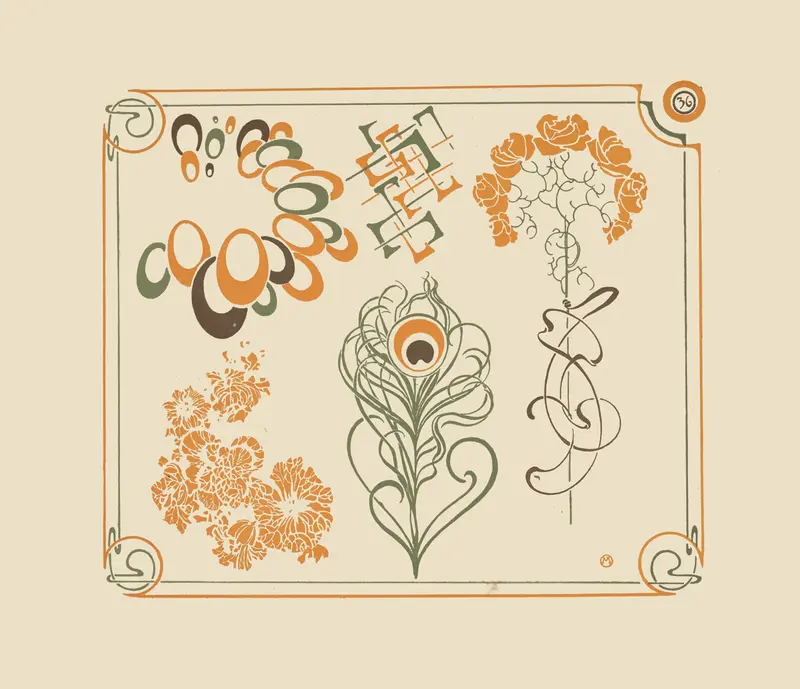
Abstract design based on flowers and curvilinear shapes.
Alphonse Mucha
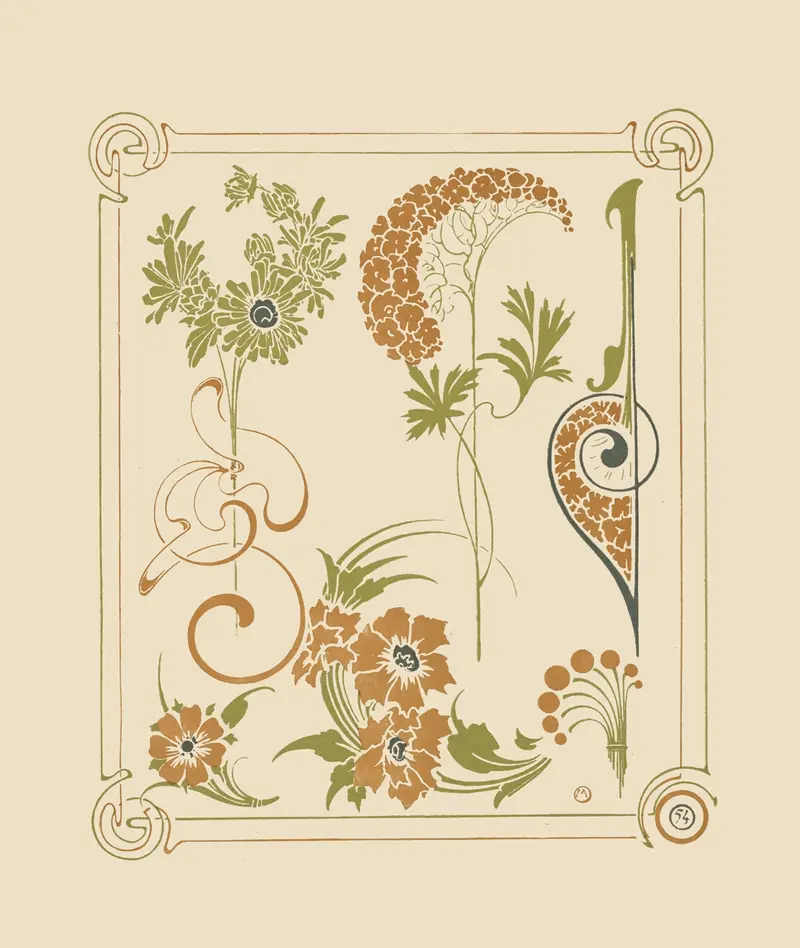
Abstract design based on flowers and arabesques.
Alphonse Mucha
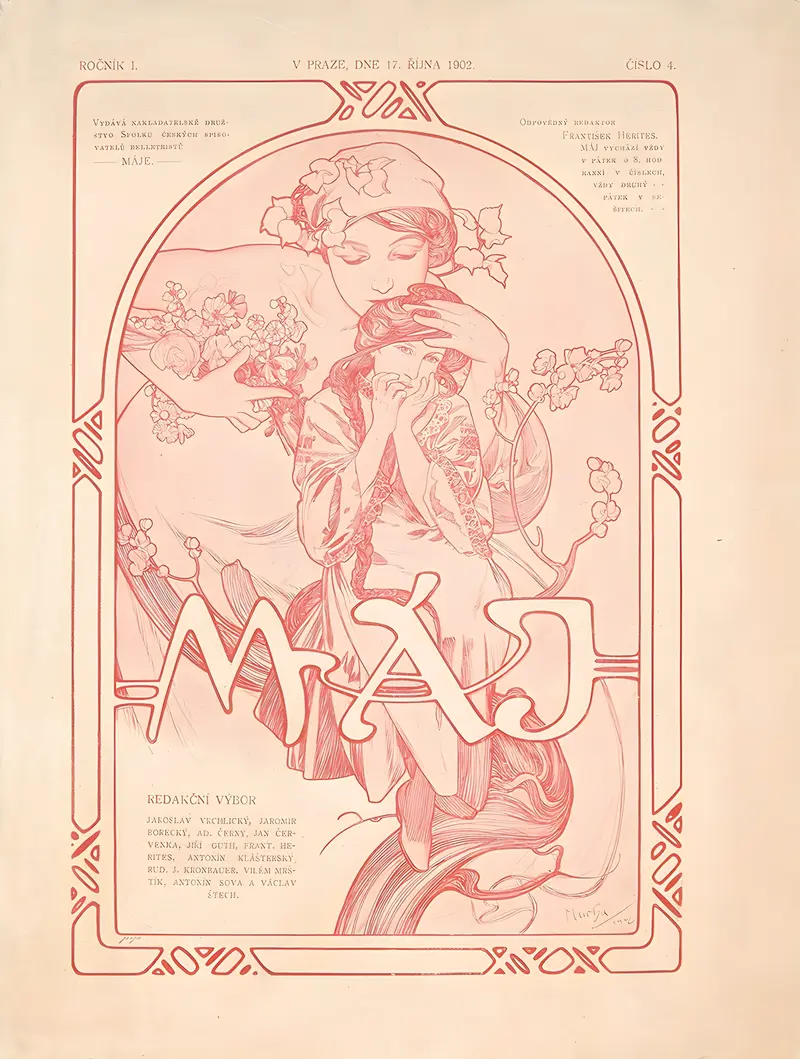
Máje
Alphonse Mucha