
Ester knielt voor Ahasveros — History & Facts
Did the painter know this moment would outlive them? In the quiet intensity of Ester knielt voor Ahasveros, the shadows play an essential role, hinting at the weight of destiny and the complexity of human emotions. Look closely at the figure of Esther, her poised yet vulnerable stance at the center of the canvas, illuminated by a soft, ethereal light. The delicate folds of her gown cascade, contrasting with the shimmering metallic hues that define Ahasuerus's robe, drawing the eye towards the tension of their interaction. Notice how the interplay of light and shadow not only highlights the figures but also deepens the space between them, creating a palpable sense of drama that envelopes the viewer in the moment. This artwork brims with emotional undercurrents; the looming presence of power embodied by Ahasuerus juxtaposes Esther's humble courage.
The delicate brushwork captures the vulnerability of her kneeling form, while the darker background suggests omens of fate and the gravity of her plea. Each shadow amplifies the tension, signifying not just the physical space but the moral weight pressing upon her as she stands at the crossroads of loyalty and sacrifice. Painted between 1529 and 1533, during a period of burgeoning humanism in Europe, the artist was influenced by the rich visual language flourishing in the Northern Renaissance. Georg Pencz was at a pivotal stage in his career, navigating the complexities of the Reformation and the evolving art world, as he sought to blend narrative depth with the precision of detail, a hallmark of his style during this transformative era.
More Artworks by Georg Pencz
Browse all →
Parabel van de zaaier
Georg Pencz

Parabel van de arbeiders in de wijngaard
Georg Pencz
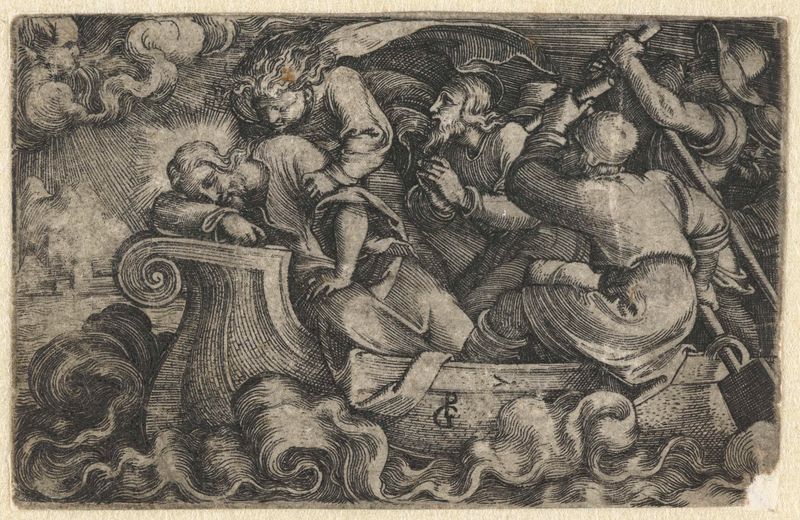
Discipelen wekken slapende Christus tijdens storm op Meer van Galilea
Georg Pencz

Afgunst (Invidia)
Georg Pencz
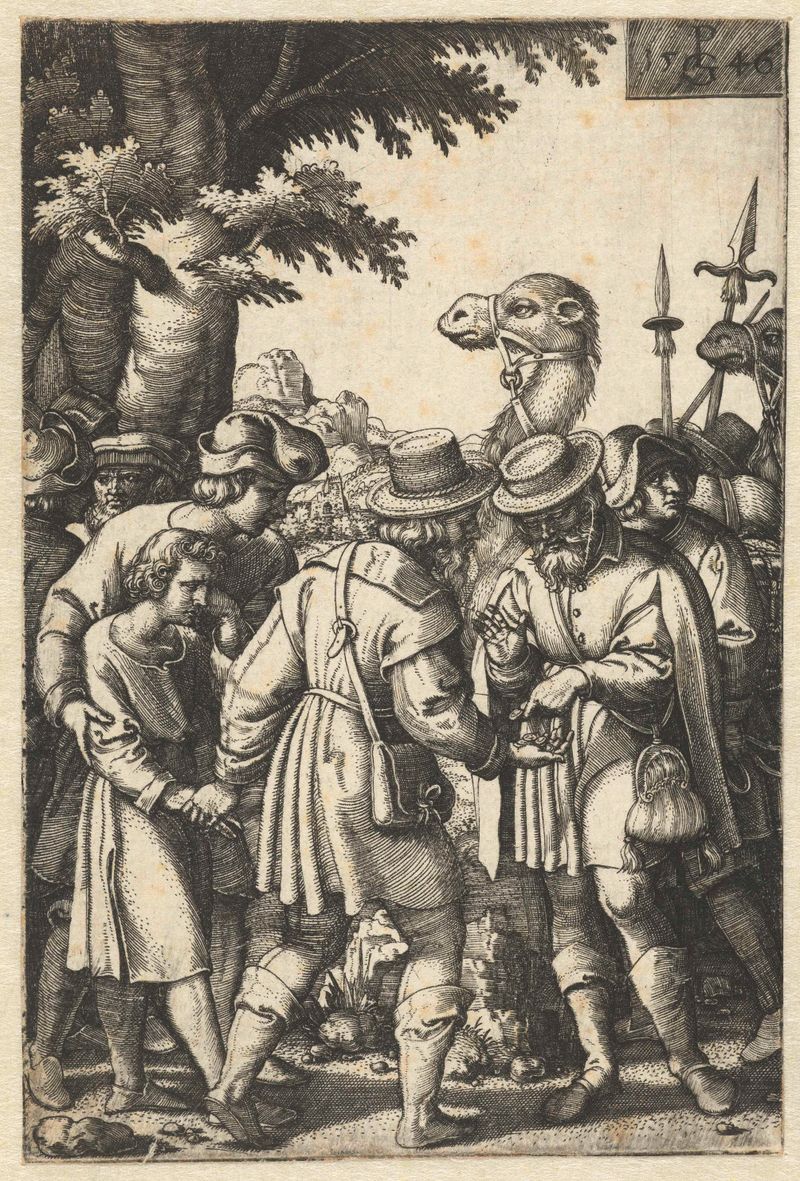
Jozef wordt verkocht aan kooplieden op weg naar Egypte
Georg Pencz

Aanbidding der koningen
Georg Pencz
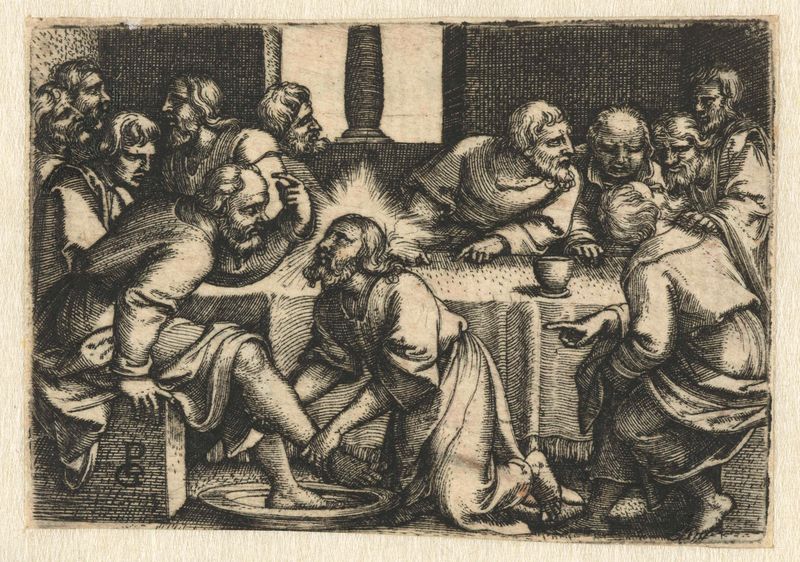
Petrus protesteert als Christus zijn voeten wast
Georg Pencz
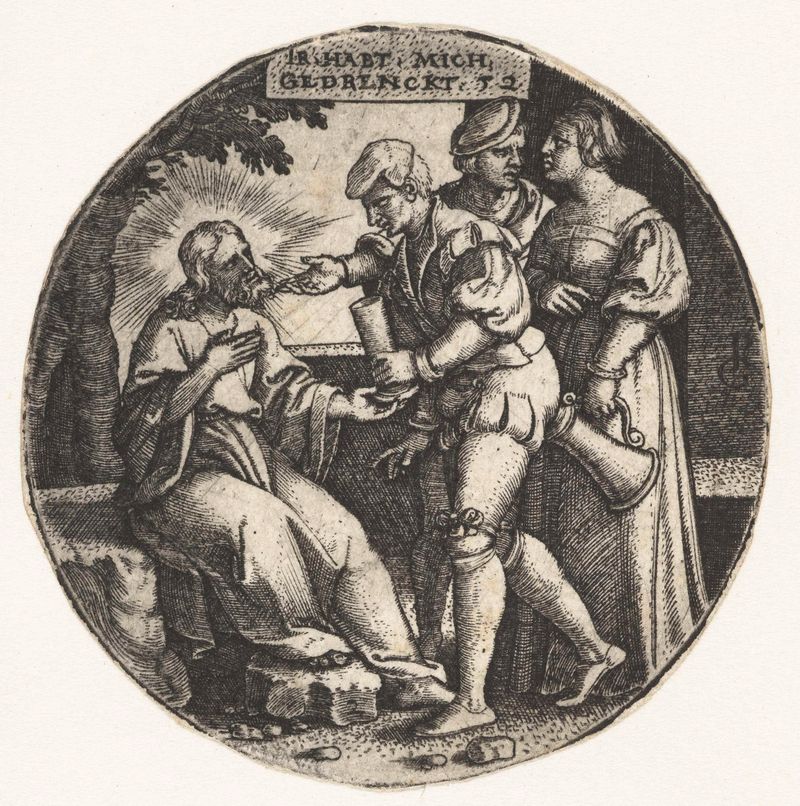
Christus heeft dorst en krijgt drinken aangeboden
Georg Pencz
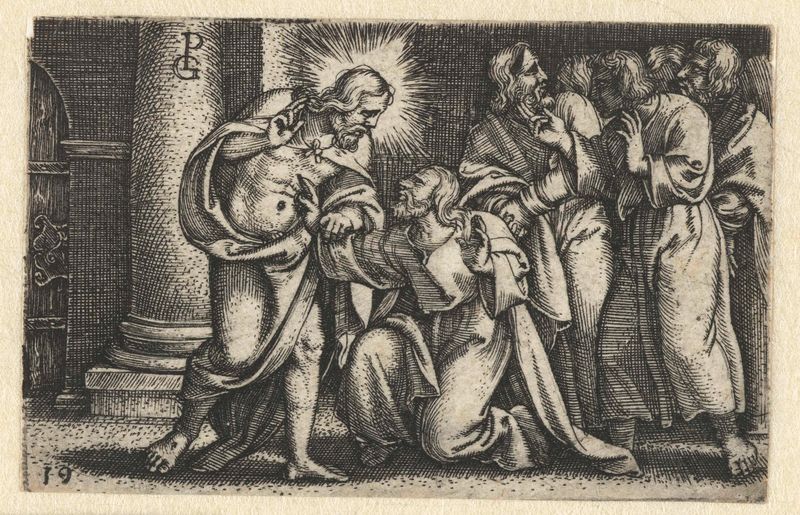
Ongelovige Thomas raakt wonden Christus aan
Georg Pencz

Offer van Abraham van Isaak
Georg Pencz
More Religious Art
Browse all →
The Return of the Prodigal Son
Rembrandt van Rijn

The Garden of Earthly Delights
El Bosco

Count Orgaz’ funeral
El Greco

The Hundred Guilder Print: the central piece with Christ preaching, the plate arched
Rembrandt van Rijn

The Descent from the Cross
Rogier van der Weyden

The return of the prodigal son
Rembrandt van Rijn