
Ester y Mardoqueo escribiendo la primera carta del Purim — History & Facts
The first thing that draws the eye in Ester y Mardoqueo escribiendo la primera carta del Purim is the quiet intensity shared between the two central figures. The woman’s elaborate headdress and richly embroidered gown shimmer with gold, framing her serene, thoughtful face as she holds a letter marked with a red seal. Beside her, the older man bends intently over the parchment, quill poised, his heavy robes and ornate chain lending him an air of authority.
The light, warm and focused, falls across their hands and faces, guiding us to the act of writing itself—a moment of decision and alliance. Every detail, from the inkstand’s glint to the rolled scroll at the table’s edge, signals the gravity of what is being recorded. Painted in the 17th century, this work belongs to a world where biblical stories were not just religious lessons, but vehicles for exploring power, faith, and identity. Artists like Aert de Gelder, working in the shadow of the Dutch Golden Age, often turned to such subjects to showcase both narrative drama and technical skill, drawing patrons who wanted to see their own era reflected in ancient tales.
The painting now resides in the collection of the Museo Nacional de Bellas Artes, a testament to the enduring fascination with these moments of human resolve and collaboration. Its survival and presence in a modern gallery invite viewers to linger over the silent conversation unfolding in paint, and to imagine the world-changing words being set to paper.
More Artworks by Aert de Gelder

Portrait of a Young Woman
Aert de Gelder

Hermanus Boerhaave (1668-1738), Professor of Medicine at the University of Leiden, with his Wife Maria Drolenvaux (1686-1746) and their Daughter Johanna Maria (1712-91)
Aert de Gelder
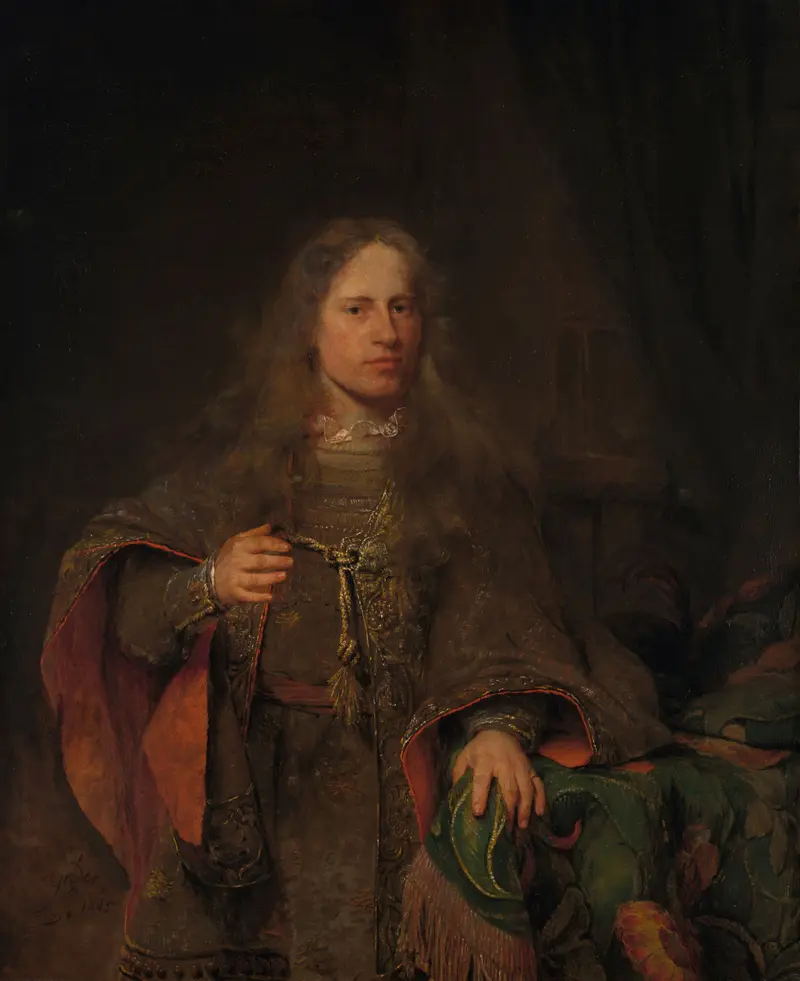
Portrait of Ernest de Beveren, Lord of West-IJsselmonde and De Lindt
Aert de Gelder
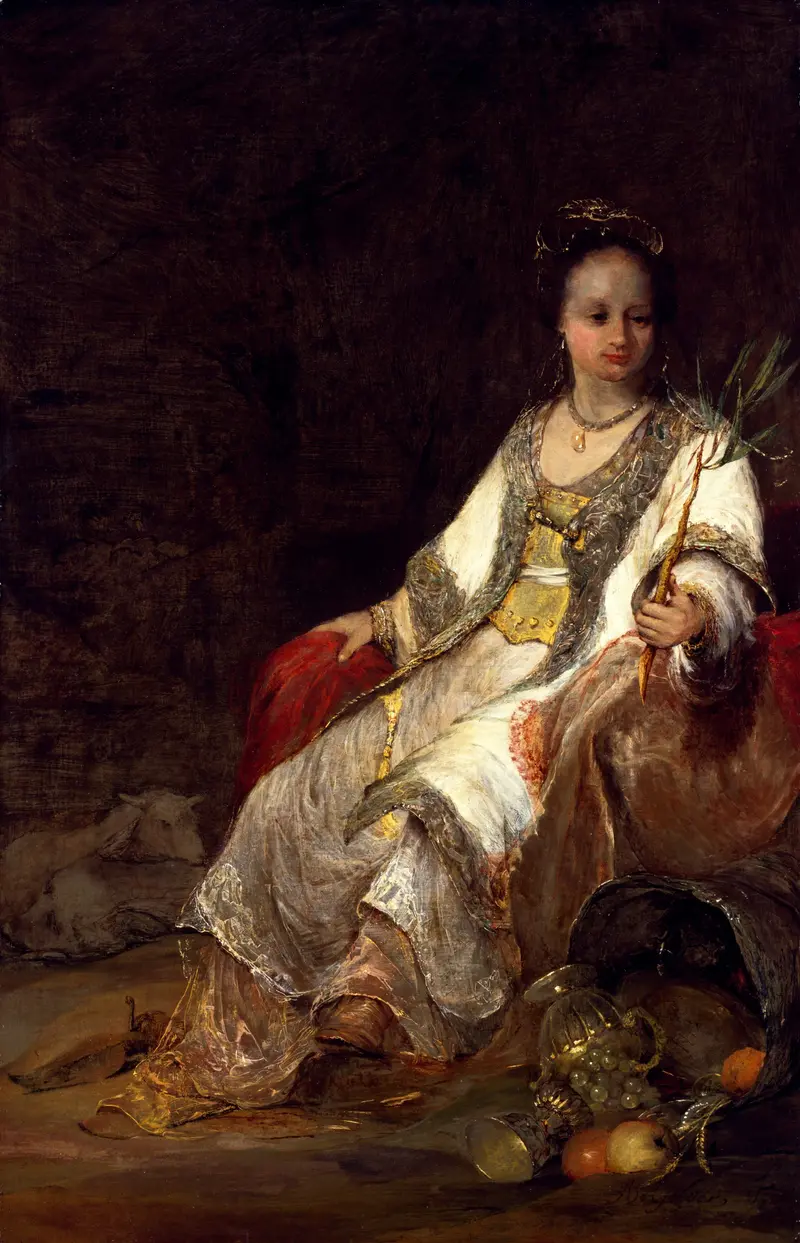
Allegory on Peace
Aert de Gelder
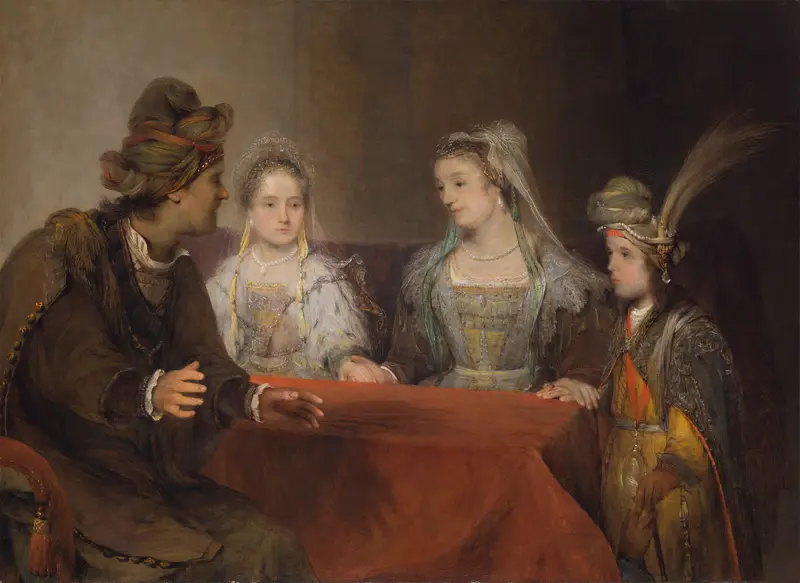
Edna Entrusting Tobias with Sarah
Aert de Gelder
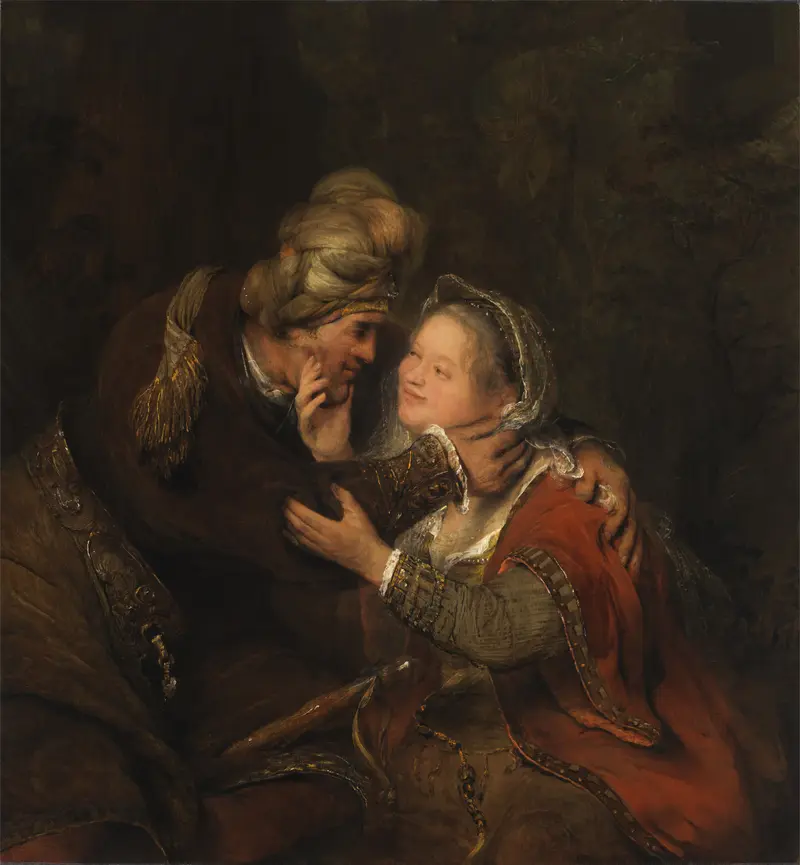
Judah and Tamar
Aert de Gelder
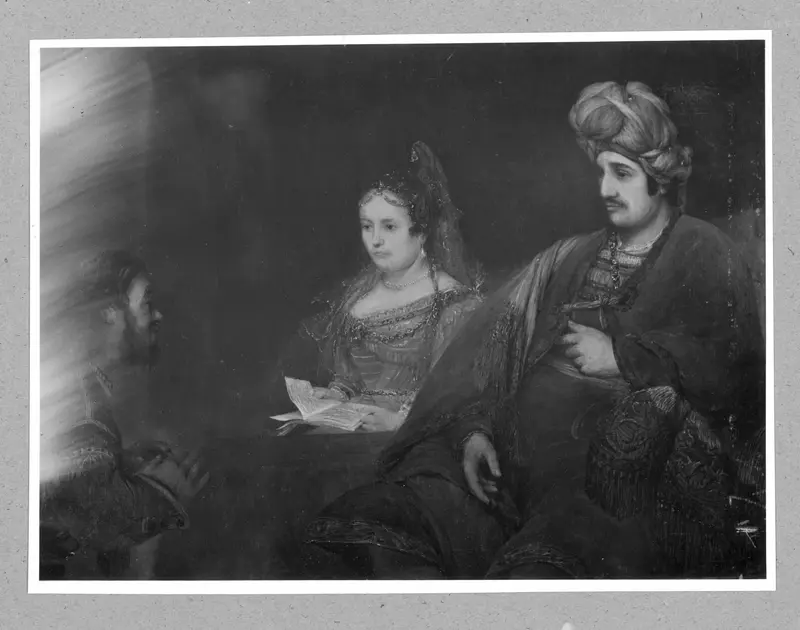
Hamas before Ahasver
Aert de Gelder
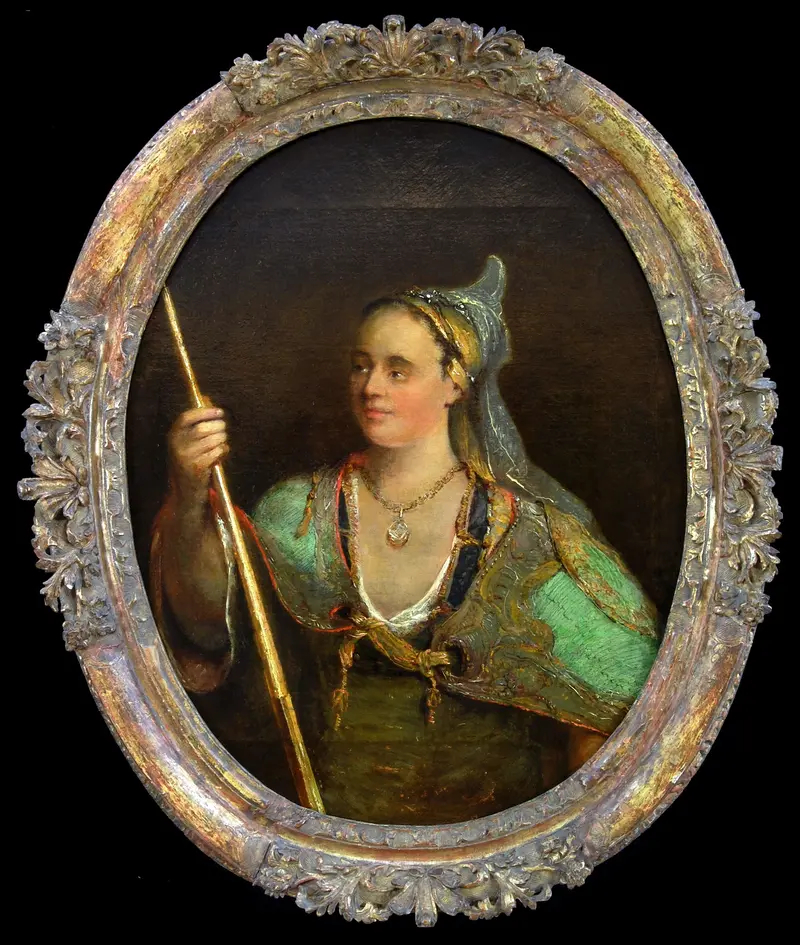
A female allegorical figure
Aert de Gelder
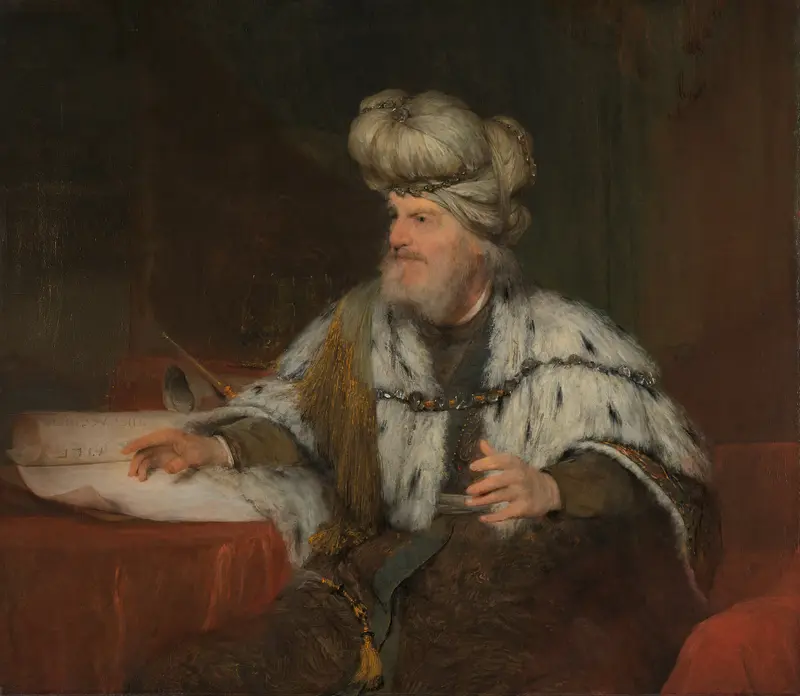
King David
Aert de Gelder
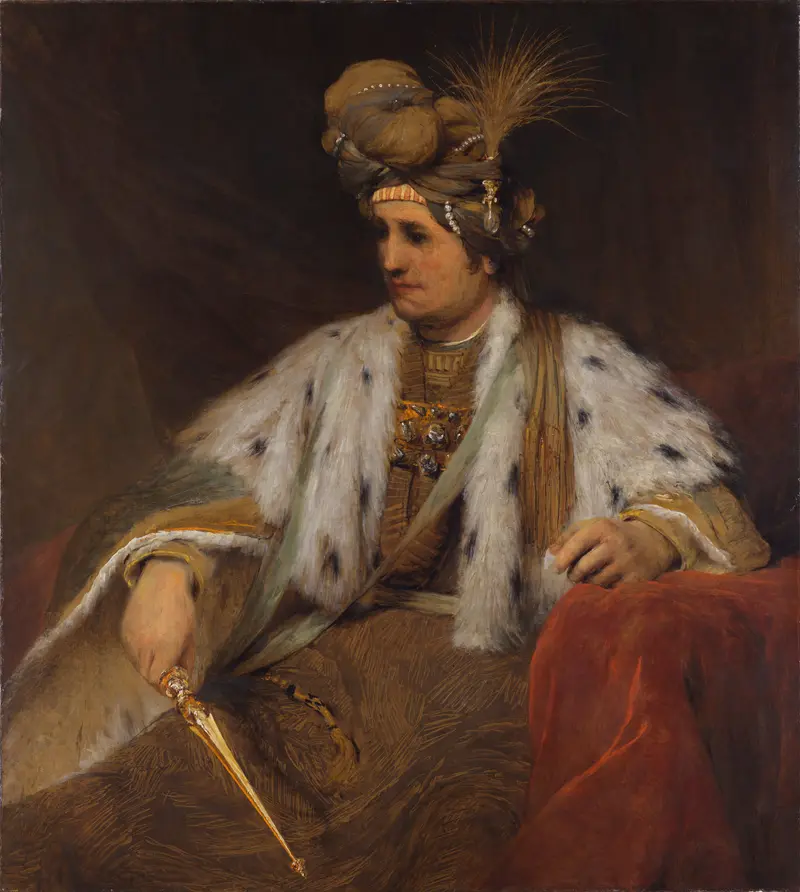
Old Testament Figure, Probably King Solomon
Aert de Gelder





