
Esther and Mordecai — History & Facts
The eye is drawn first to the quiet tension between two figures, their world dimly lit but their faces alive with thought. The woman, draped in pearls and heavy brocade, sits upright and composed, one hand resting protectively on a closed book while the other hovers above an open one, as if pausing mid-decision. Across from her, the older man leans forward, his weathered hand gesturing urgently, his gaze intent.
The darkness envelops them, sharpening the drama of the moment—every fold of fabric and flicker of expression seems to weigh with unspoken consequence. This is a scene of counsel and crisis, the kind of private reckoning that feels as if we are witnessing a turning point. Painted in 1685 by Aert de Gelder, this work belongs to a world where biblical and historical dramas were brought to life for private contemplation and moral reflection. The late seventeenth century in the Netherlands saw artists like de Gelder—himself a student of Rembrandt—favoring intimate, psychological storytelling over grand spectacle.
Such paintings were often commissioned by prosperous citizens for their homes, serving both as decoration and as prompts for meditation on virtue, fate, and faith. Though history has kept few traces of this particular painting’s journey, its inclusion in The Yorck Project’s vast digital collection ensures its survival as a testament to the enduring power of narrative in paint. The longer you look, the more the silence between these two figures seems to speak.
More Artworks by Aert de Gelder

Portrait of a Young Woman
Aert de Gelder

Hermanus Boerhaave (1668-1738), Professor of Medicine at the University of Leiden, with his Wife Maria Drolenvaux (1686-1746) and their Daughter Johanna Maria (1712-91)
Aert de Gelder
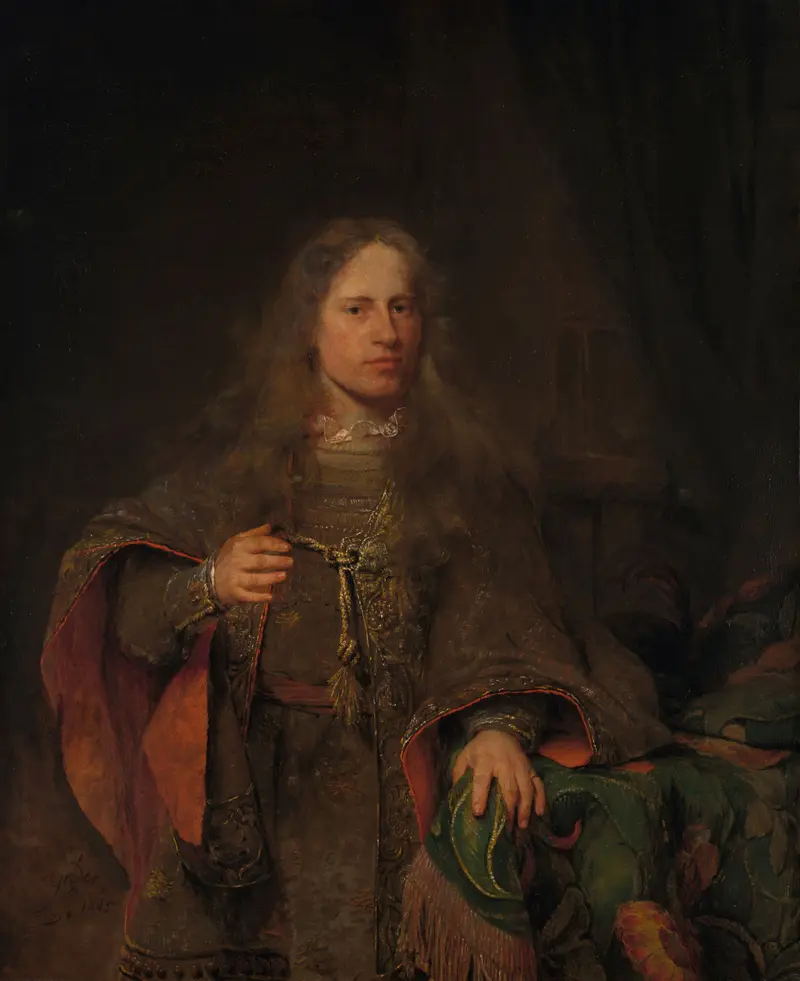
Portrait of Ernest de Beveren, Lord of West-IJsselmonde and De Lindt
Aert de Gelder
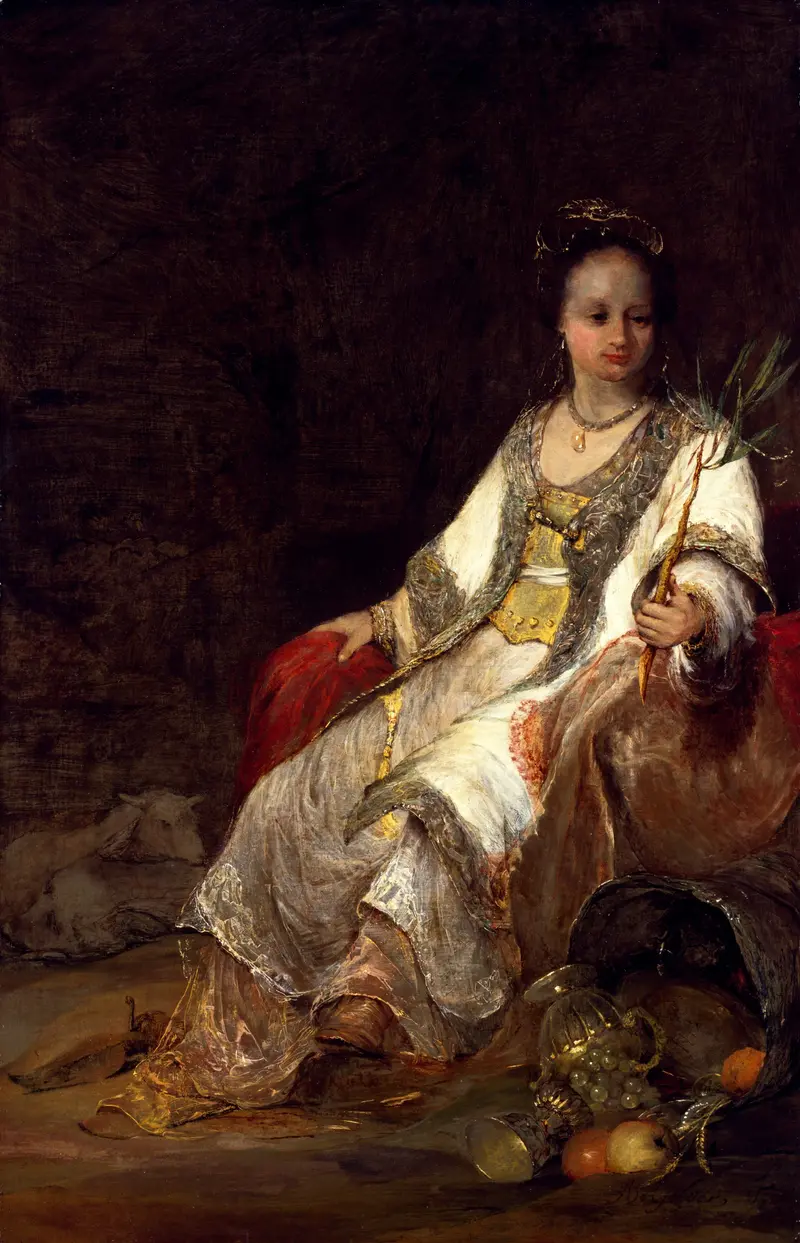
Allegory on Peace
Aert de Gelder
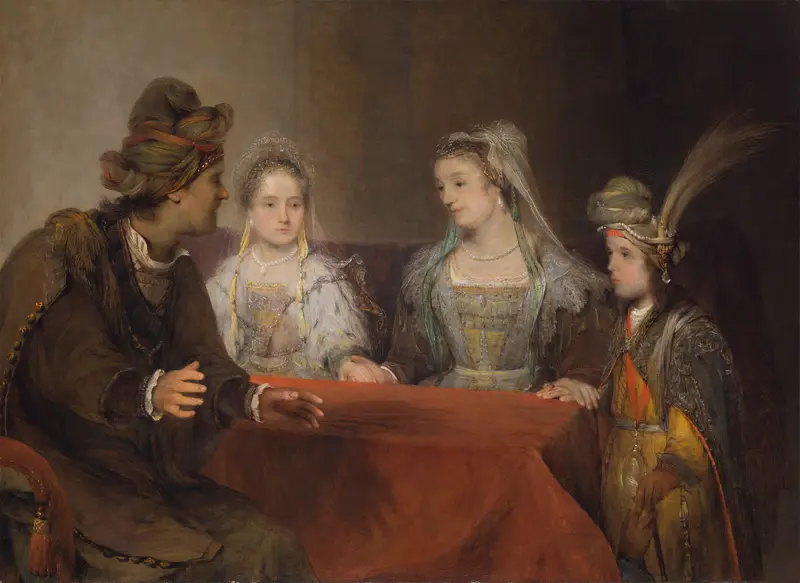
Edna Entrusting Tobias with Sarah
Aert de Gelder
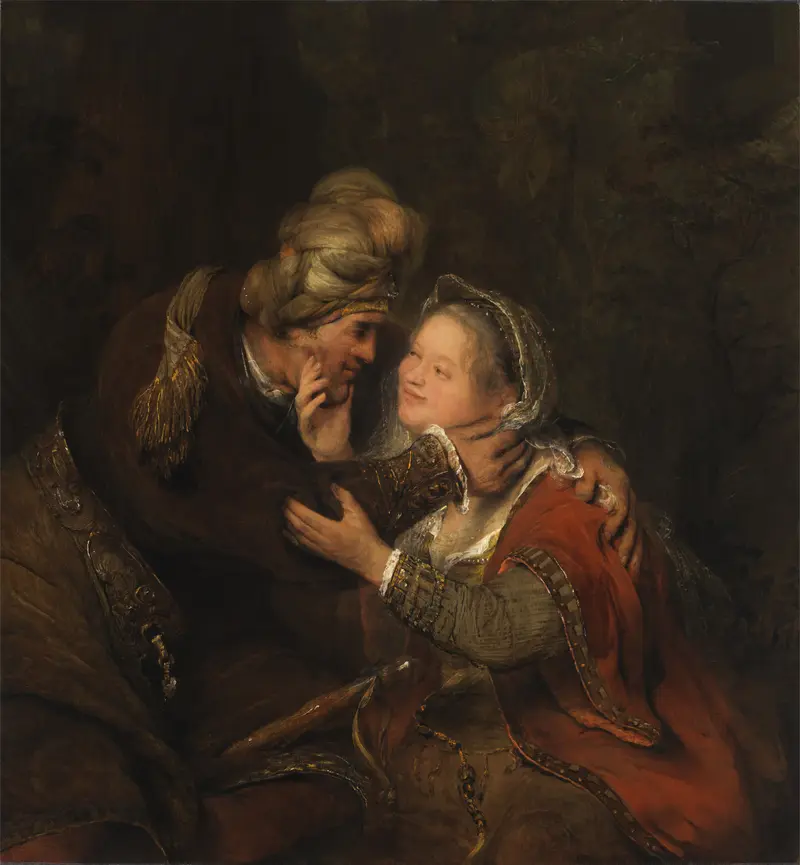
Judah and Tamar
Aert de Gelder
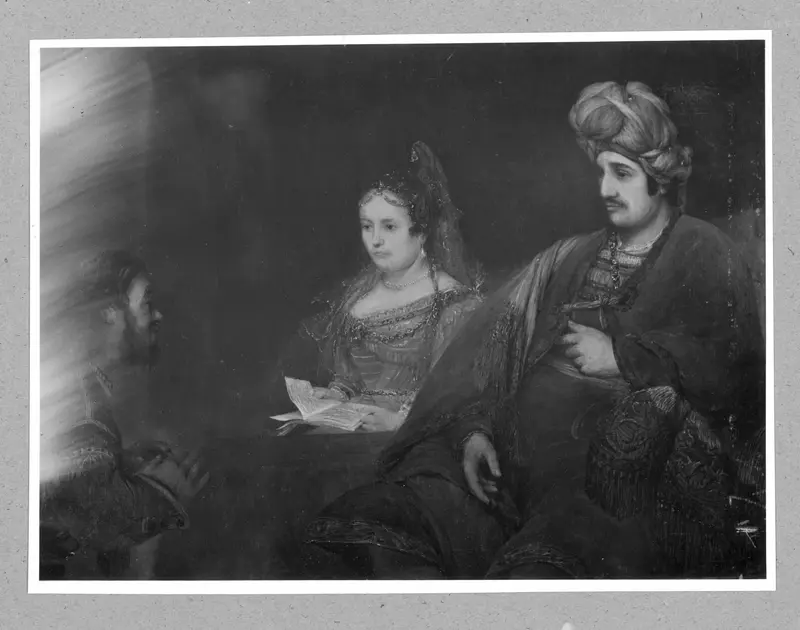
Hamas before Ahasver
Aert de Gelder
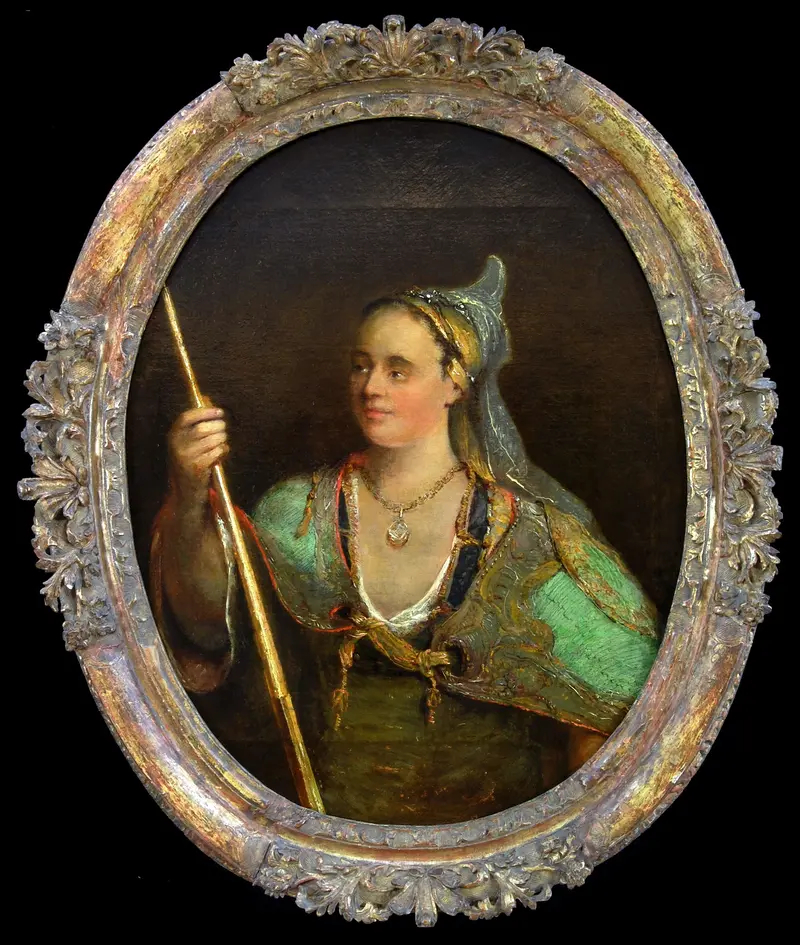
A female allegorical figure
Aert de Gelder
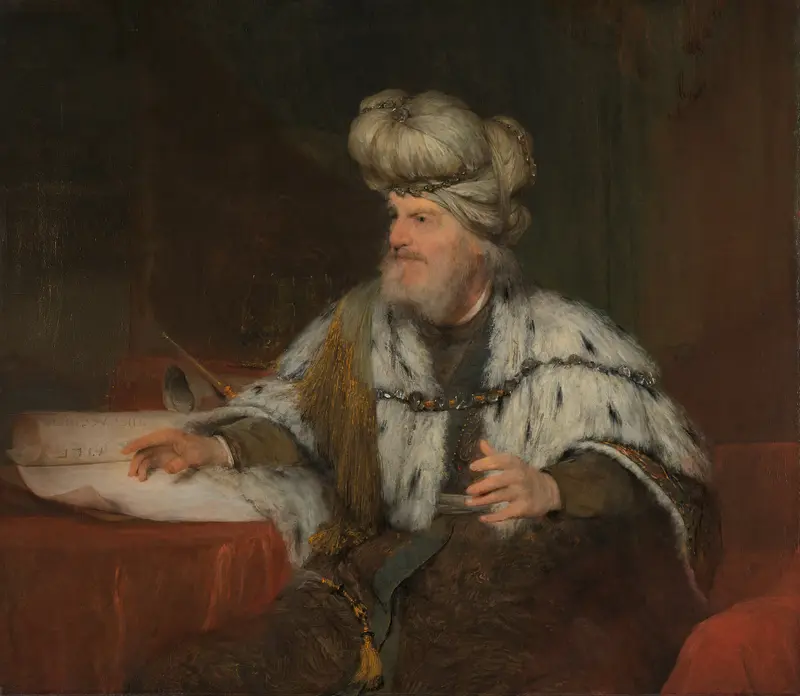
King David
Aert de Gelder
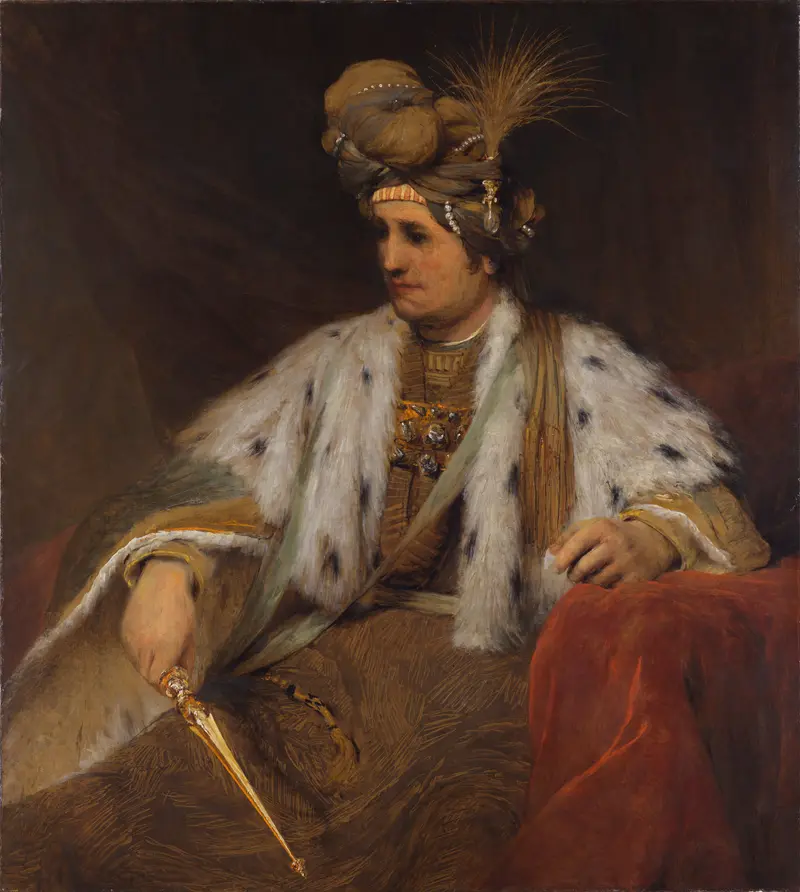
Old Testament Figure, Probably King Solomon
Aert de Gelder





