
Esther's toilet — History & Facts
What draws the eye first in Esther's toilet is the quiet gravity of the central figure, surrounded by attendants who seem to orbit her with anxious care. The young woman sits composed yet distant, her gaze fixed away from the viewer, as hands adjust her regal cloak and golden adornments. Each gesture around her is purposeful: a hand at her shoulder, another at her neck, a third offering gentle support.
Light pools on her face and the sumptuous fur-trimmed robe, while the background recedes into shadow, heightening the sense of ceremony and isolation. The table at her side, draped in deep red, holds a mirror and jewelry—a silent inventory of her transformation, perhaps from private citizen to queen. Painted in 1684, this work by Aert de Gelder belongs to a tradition of late Dutch Baroque history painting, where biblical heroines and Old Testament stories offered artists a stage for exploring human drama and opulent costume. Such scenes, popular among prosperous Dutch patrons, allowed for both moral reflection and a display of painterly skill in rendering fabrics, jewels, and psychological nuance.
Little is recorded about the specific journey of this canvas, now documented in The Yorck Project collection, but its mood and detail speak to a moment when Dutch artists, inspired by Rembrandt’s legacy, found new ways to animate the past. Look again at the faces—each one a study in anticipation, each gesture a thread in the story’s unfolding tension.
More Artworks by Aert de Gelder

Portrait of a Young Woman
Aert de Gelder

Hermanus Boerhaave (1668-1738), Professor of Medicine at the University of Leiden, with his Wife Maria Drolenvaux (1686-1746) and their Daughter Johanna Maria (1712-91)
Aert de Gelder
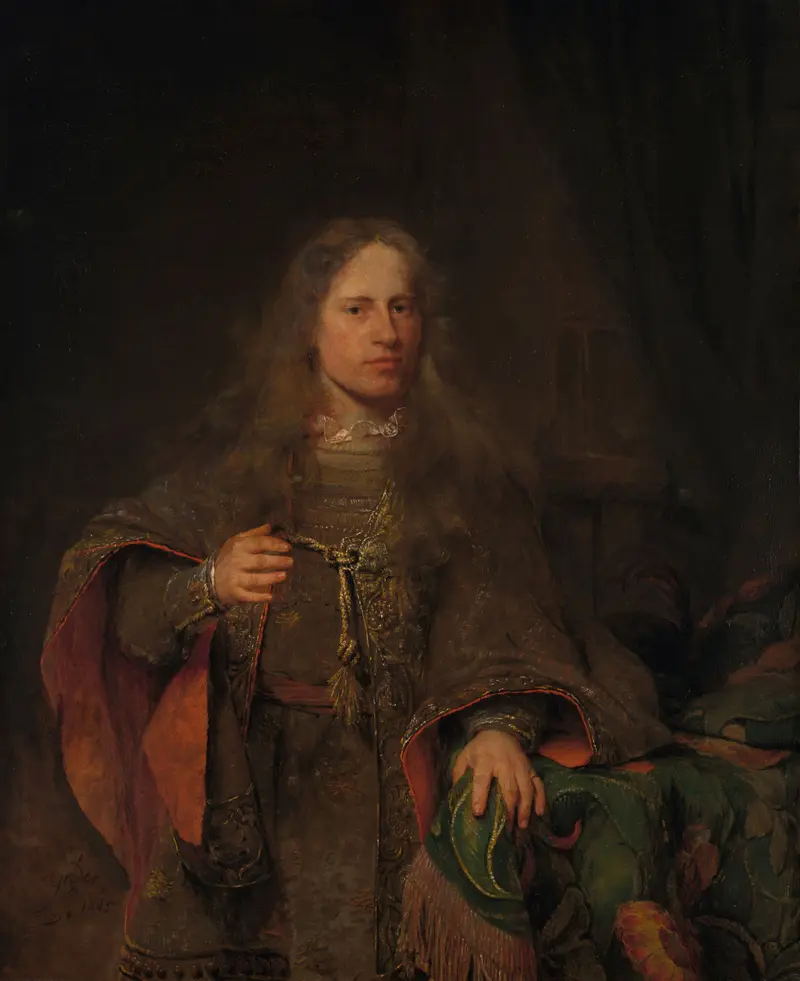
Portrait of Ernest de Beveren, Lord of West-IJsselmonde and De Lindt
Aert de Gelder
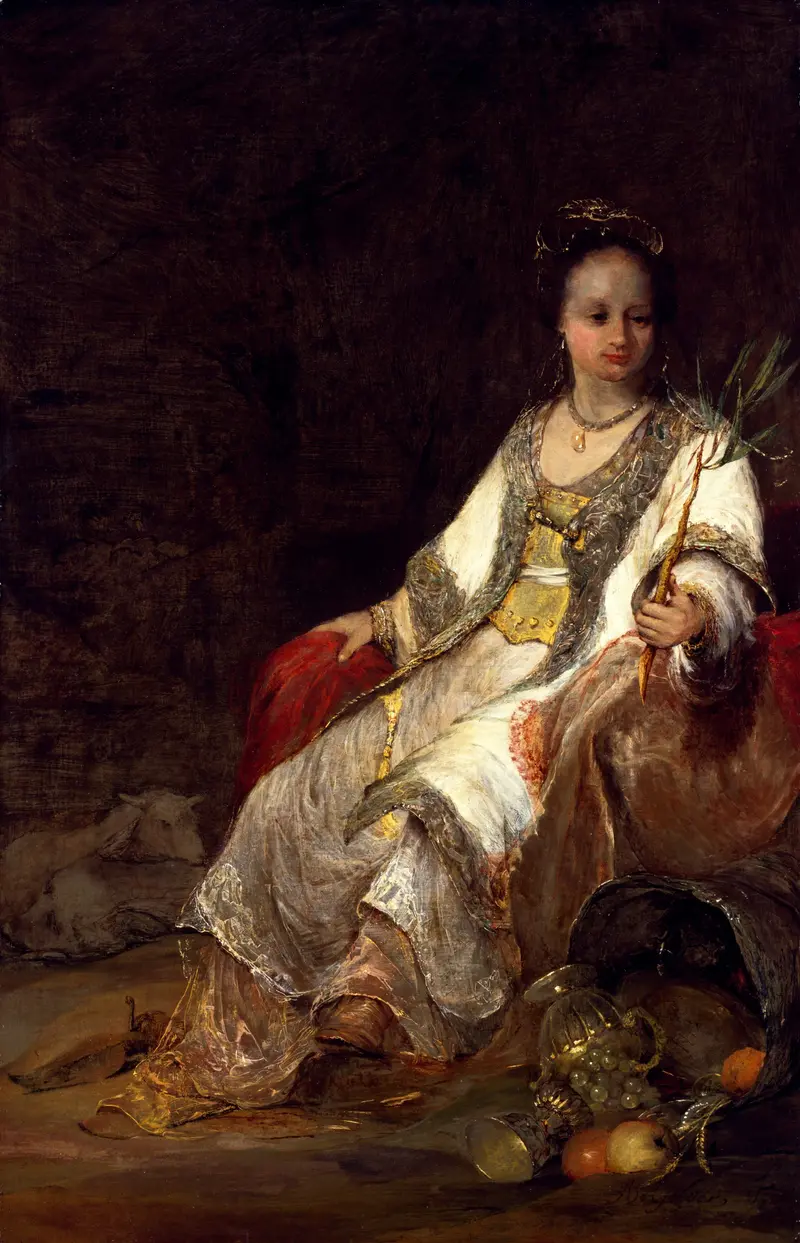
Allegory on Peace
Aert de Gelder
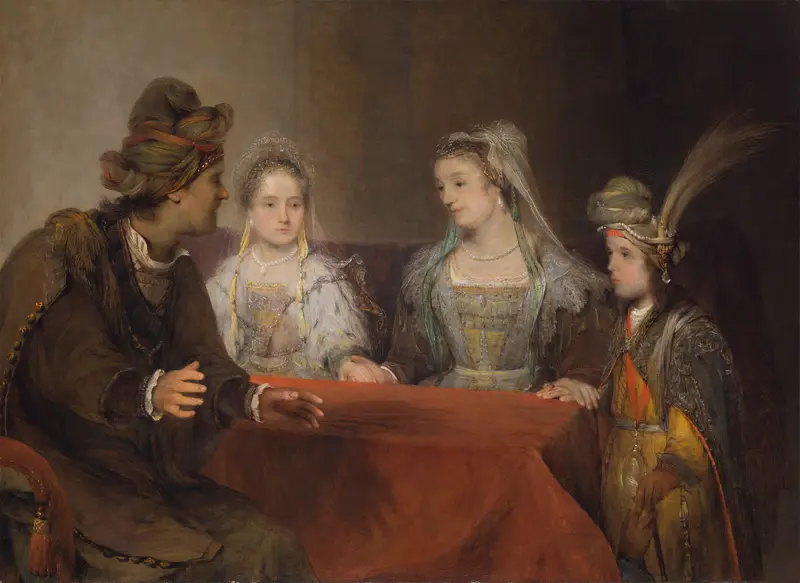
Edna Entrusting Tobias with Sarah
Aert de Gelder
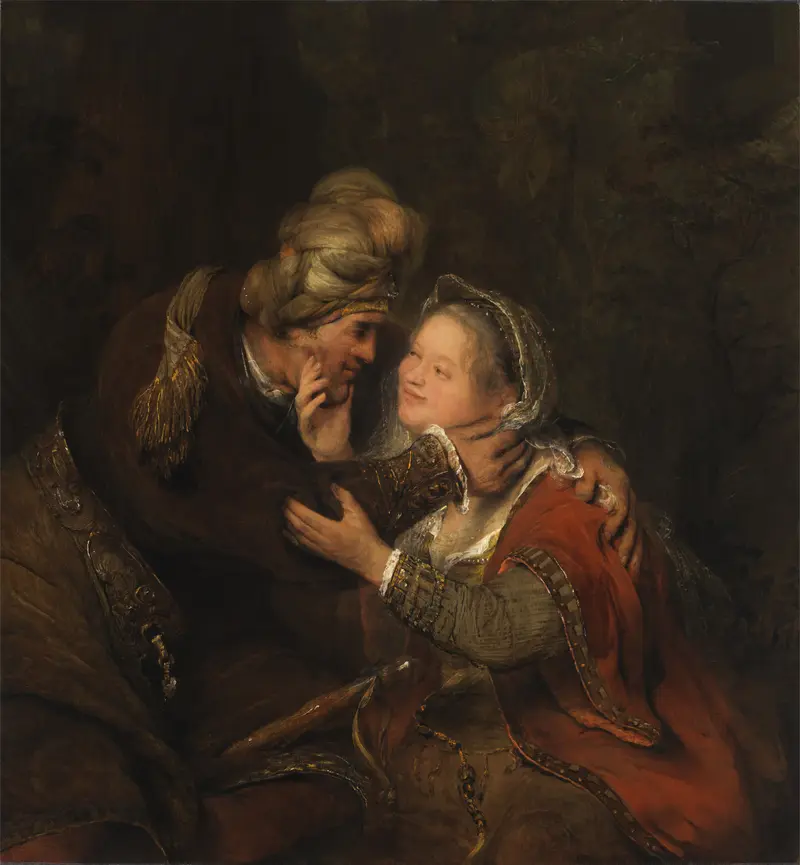
Judah and Tamar
Aert de Gelder
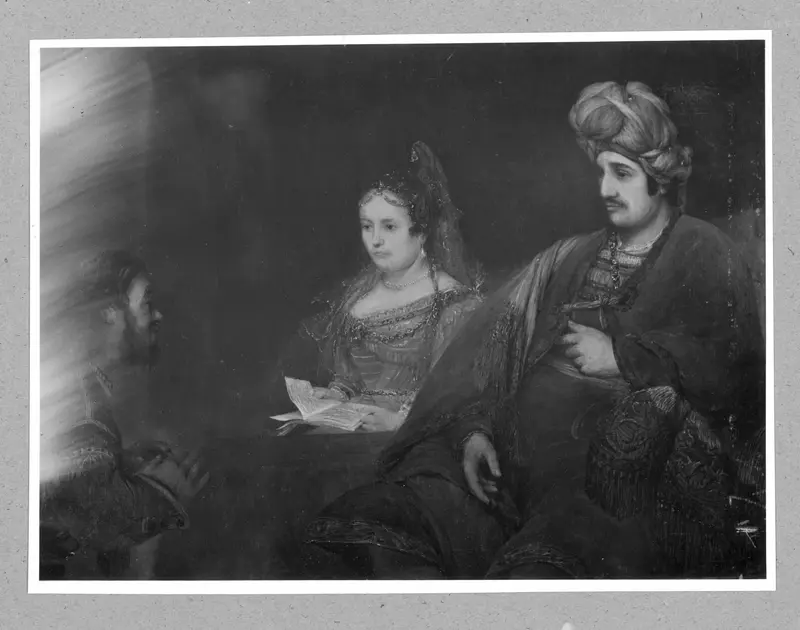
Hamas before Ahasver
Aert de Gelder
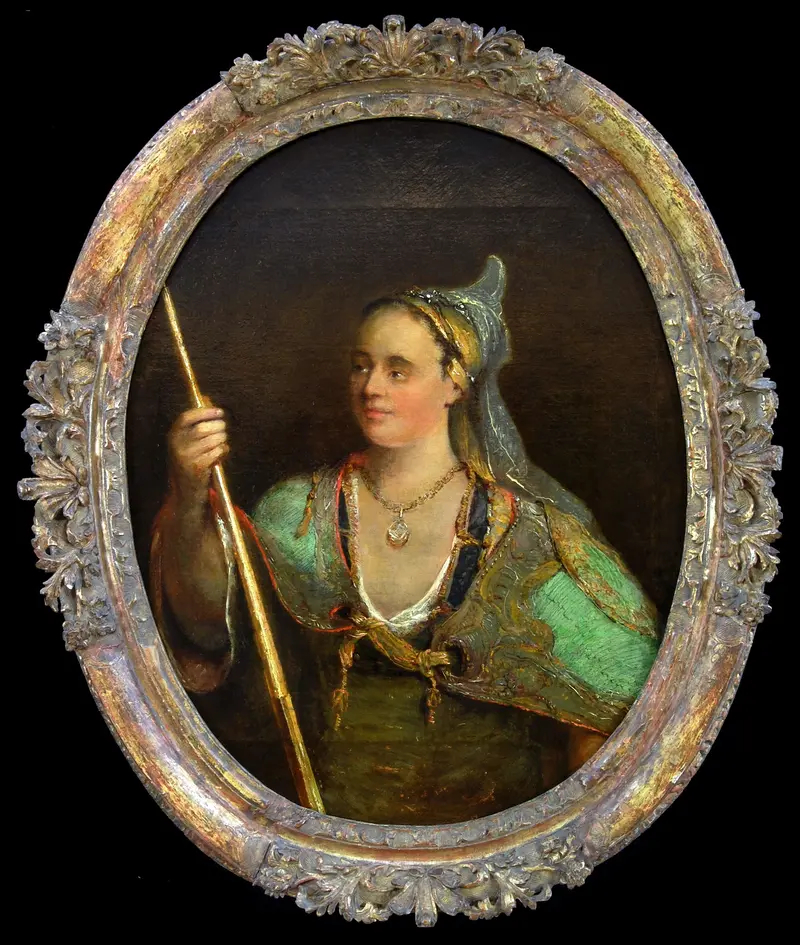
A female allegorical figure
Aert de Gelder
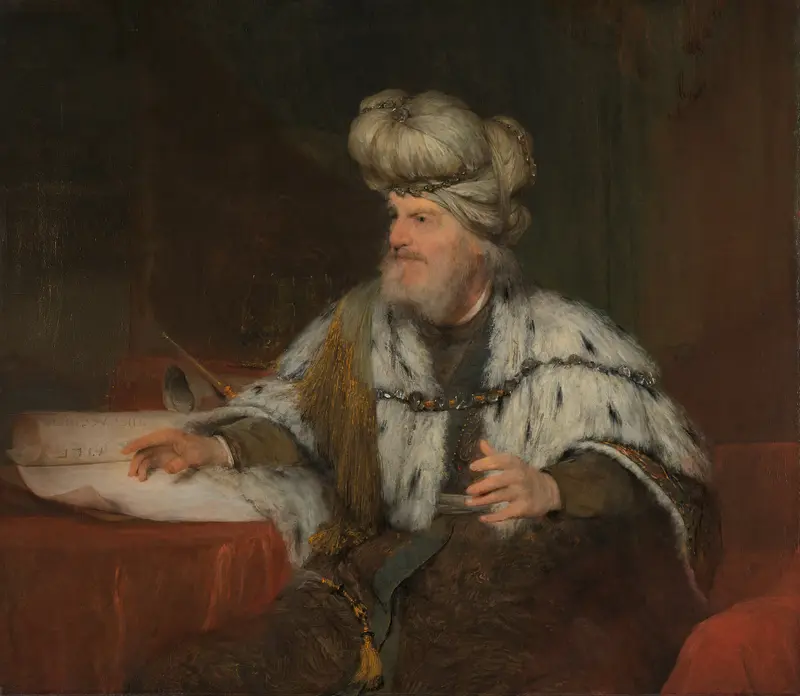
King David
Aert de Gelder
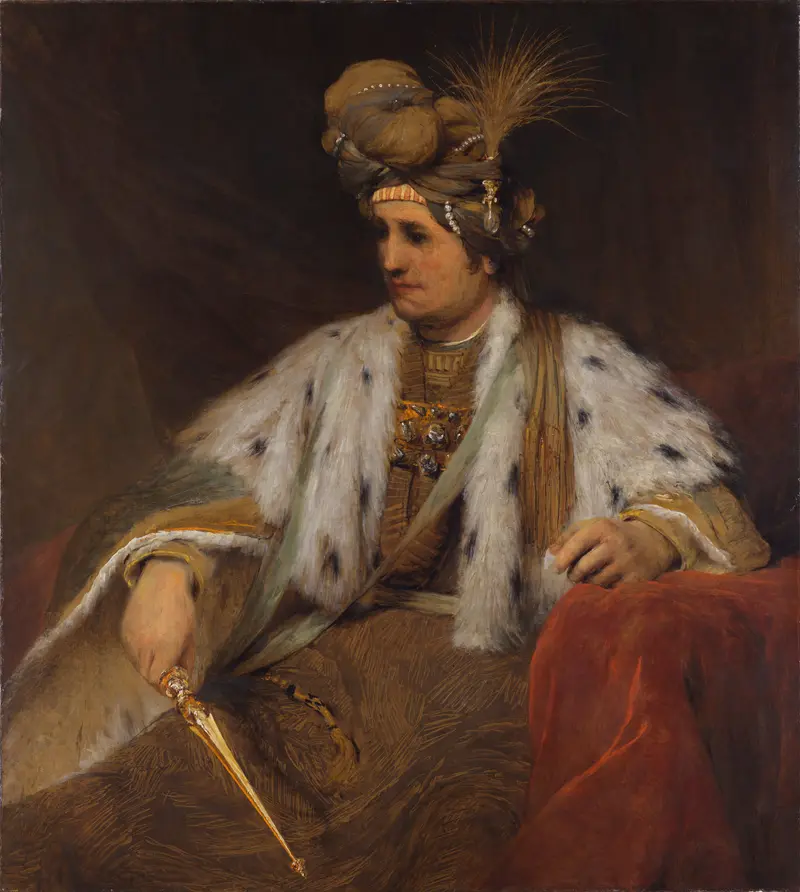
Old Testament Figure, Probably King Solomon
Aert de Gelder





