
Esther voor Ahasveros — History & Facts
Art reveals the soul when the world turns away. Within the intricate lines and delicate details, a truth emerges, whispering the inner conflicts of its subjects in silent urgency. Look closely at the central figure, Esther, adorned in a gown that cascades around her like whispers of fate. The subtle interplay of light and shadow on her face draws your gaze, highlighting her resolute expression amid a backdrop that pulses with tension.
Notice how the finely etched patterns of the fabric contrast with the stark simplicity of the surrounding space, inviting you to ponder the weight of her burden as she stands poised before King Ahasuerus. As you delve deeper into the work, the significance of the overflowing goblet in the king's hand becomes apparent, symbolizing the precarious balance of power and vulnerability. The watchful eyes of courtiers in the background speak volumes about the dynamics at play, each face etched with anticipation and intrigue. This moment is more than a mere encounter; it is the crucible of identity, loyalty, and sacrifice, where the stakes of truth loom large over the drama unfolding. Wenceslaus Hollar created this masterpiece between 1644 and 1652, a time when he was adapting his skills after relocating to London.
The art world was shifting, grappling with burgeoning styles and the influences of the Baroque movement. In this vibrant context, Hollar’s work stands out for its meticulous attention to detail and its ability to convey profound narratives through the elegance of printmaking.
More Artworks by Wenceslaus Hollar
Browse all →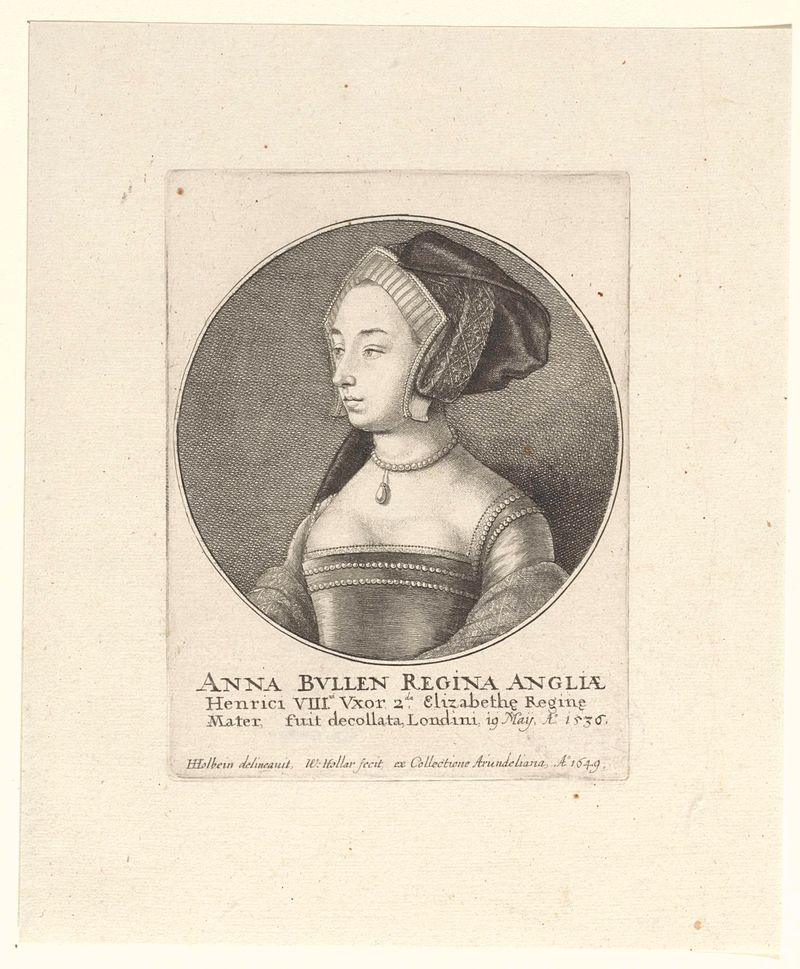
Portret van Anna Boleyn, koningin van Engeland
Wenceslaus Hollar
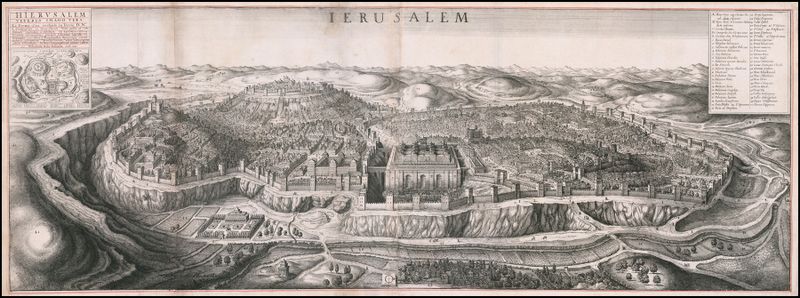
Bird’s eye view of Jerusalem
Wenceslaus Hollar
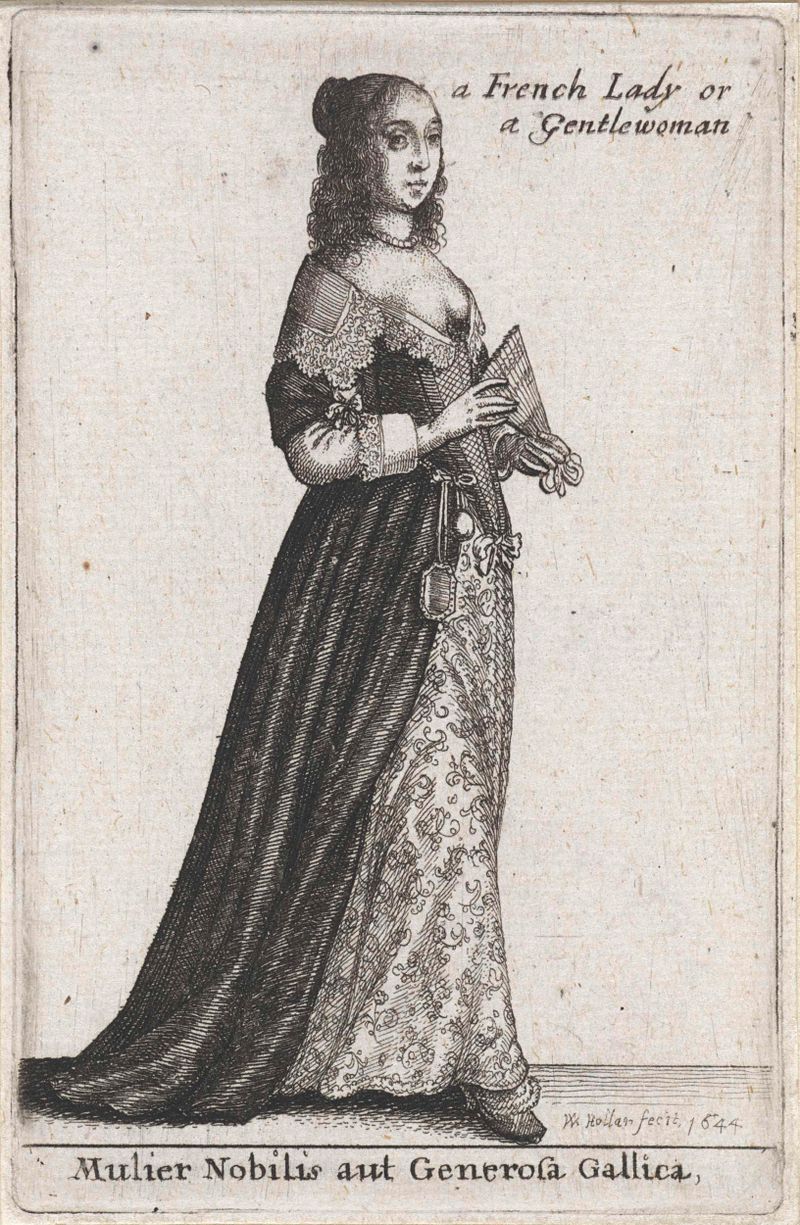
Mulier Nobilis aut Generosa Gallica / a French Lady or Gentlewoman
Wenceslaus Hollar
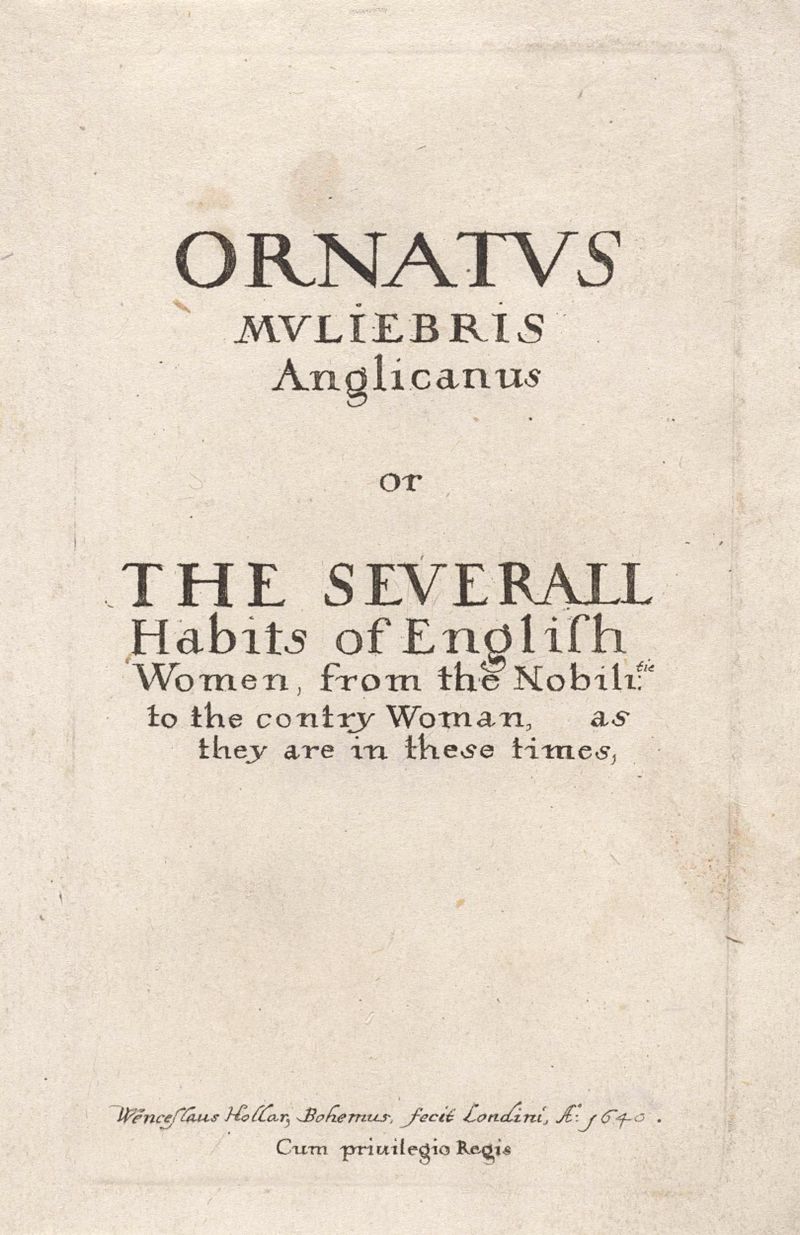
Titelprent voor: Ornatus Muliebris Anglicanus
Wenceslaus Hollar
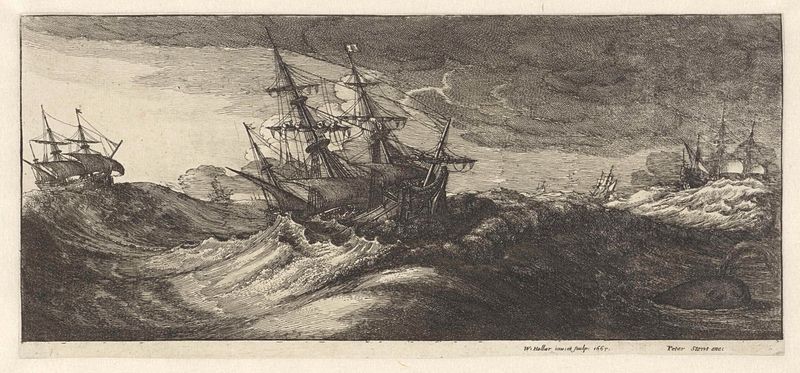
Oorlogsschepen en een walvis in een zeestorm
Wenceslaus Hollar
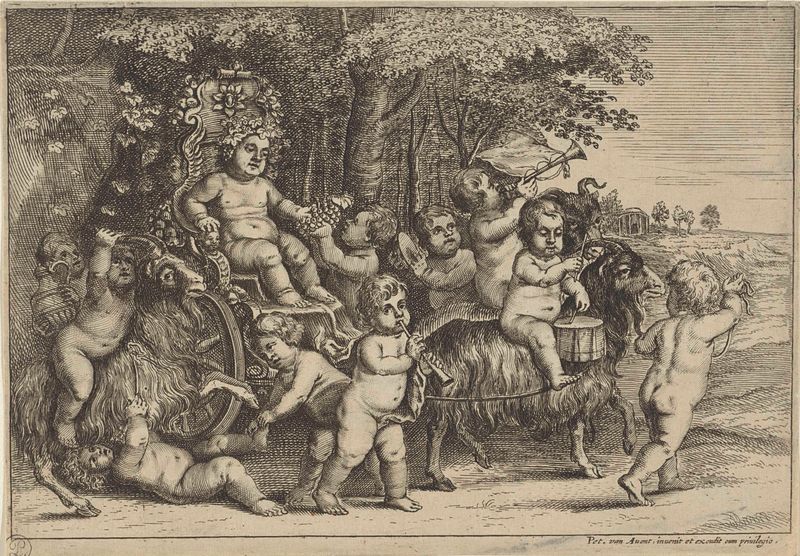
Optocht van bacchant en jongetjes op geiten
Wenceslaus Hollar
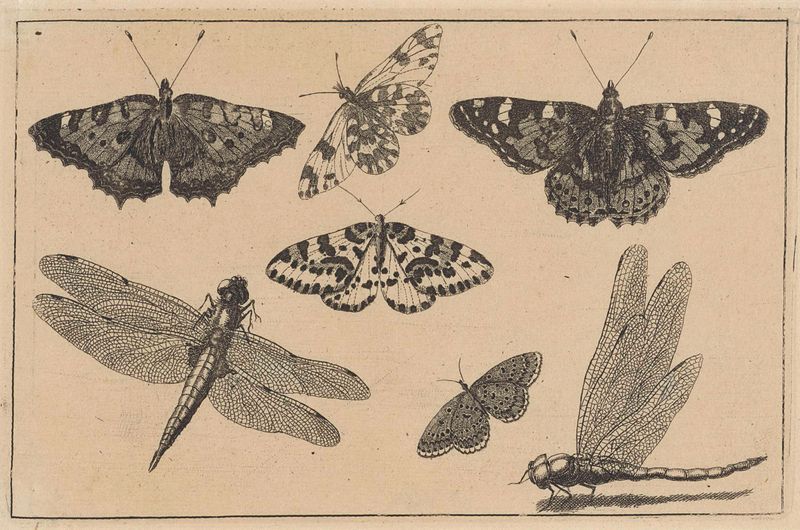
Twee libellen en vijf vlinders
Wenceslaus Hollar
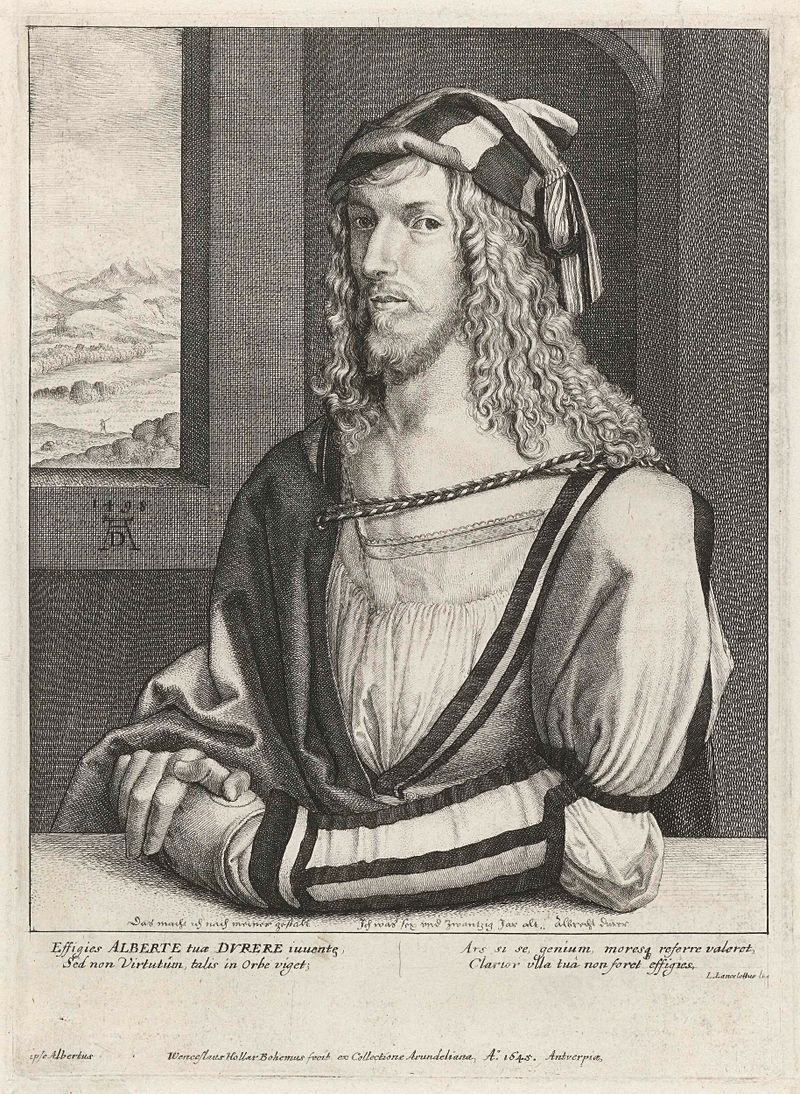
Portret van Albrecht Dürer
Wenceslaus Hollar
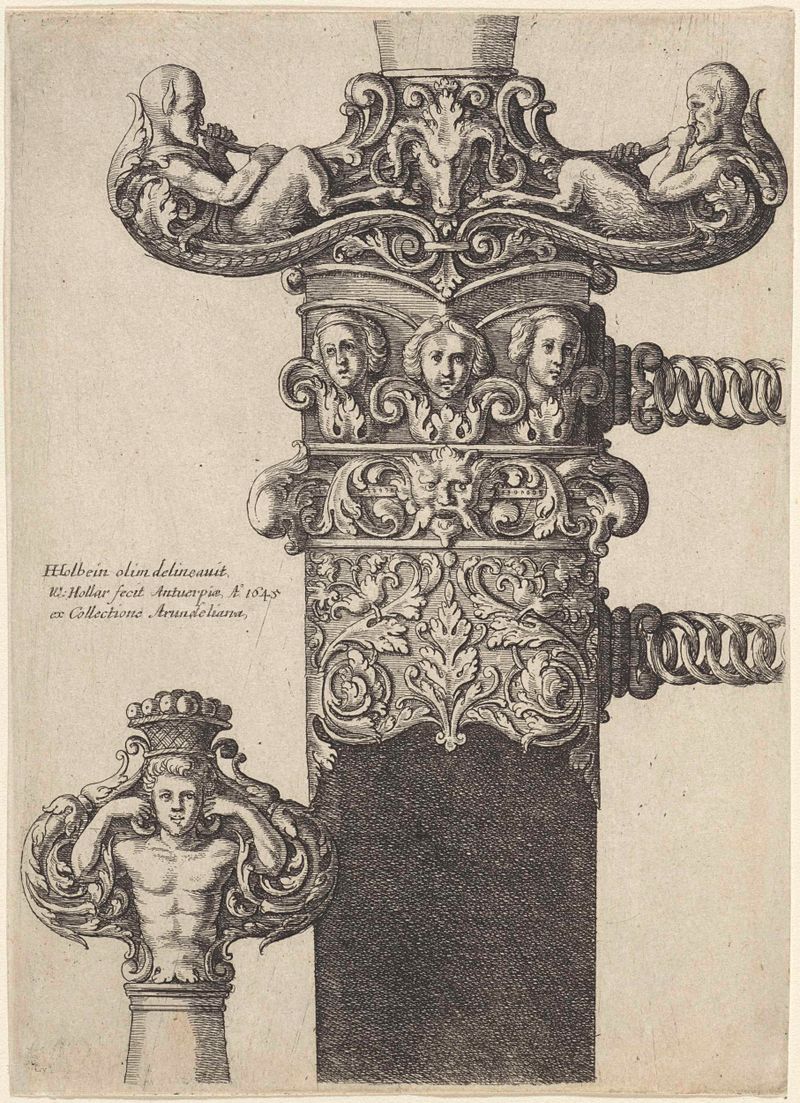
Ornamenteel ontwerp voor een dolk
Wenceslaus Hollar
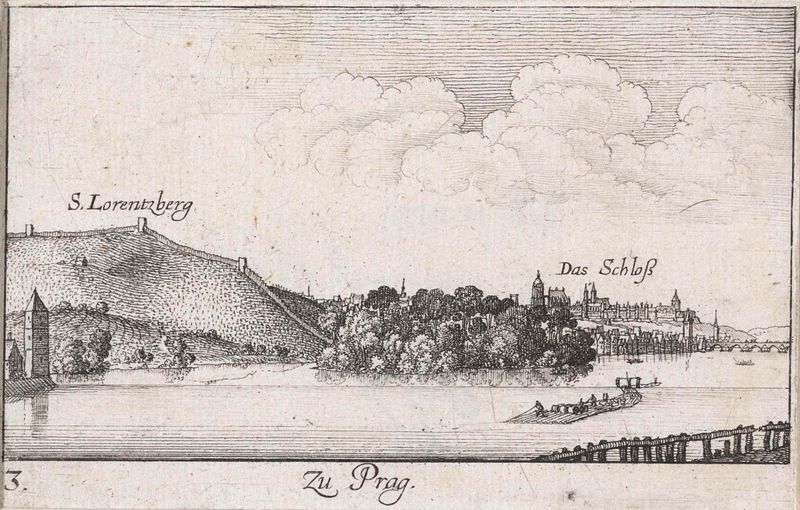
Gezicht op Praag vanaf de Moldau
Wenceslaus Hollar
More Religious Art
Browse all →
The Return of the Prodigal Son
Rembrandt van Rijn

The Garden of Earthly Delights
El Bosco

Count Orgaz’ funeral
El Greco

The Hundred Guilder Print: the central piece with Christ preaching, the plate arched
Rembrandt van Rijn

The Descent from the Cross
Rogier van der Weyden

The return of the prodigal son
Rembrandt van Rijn