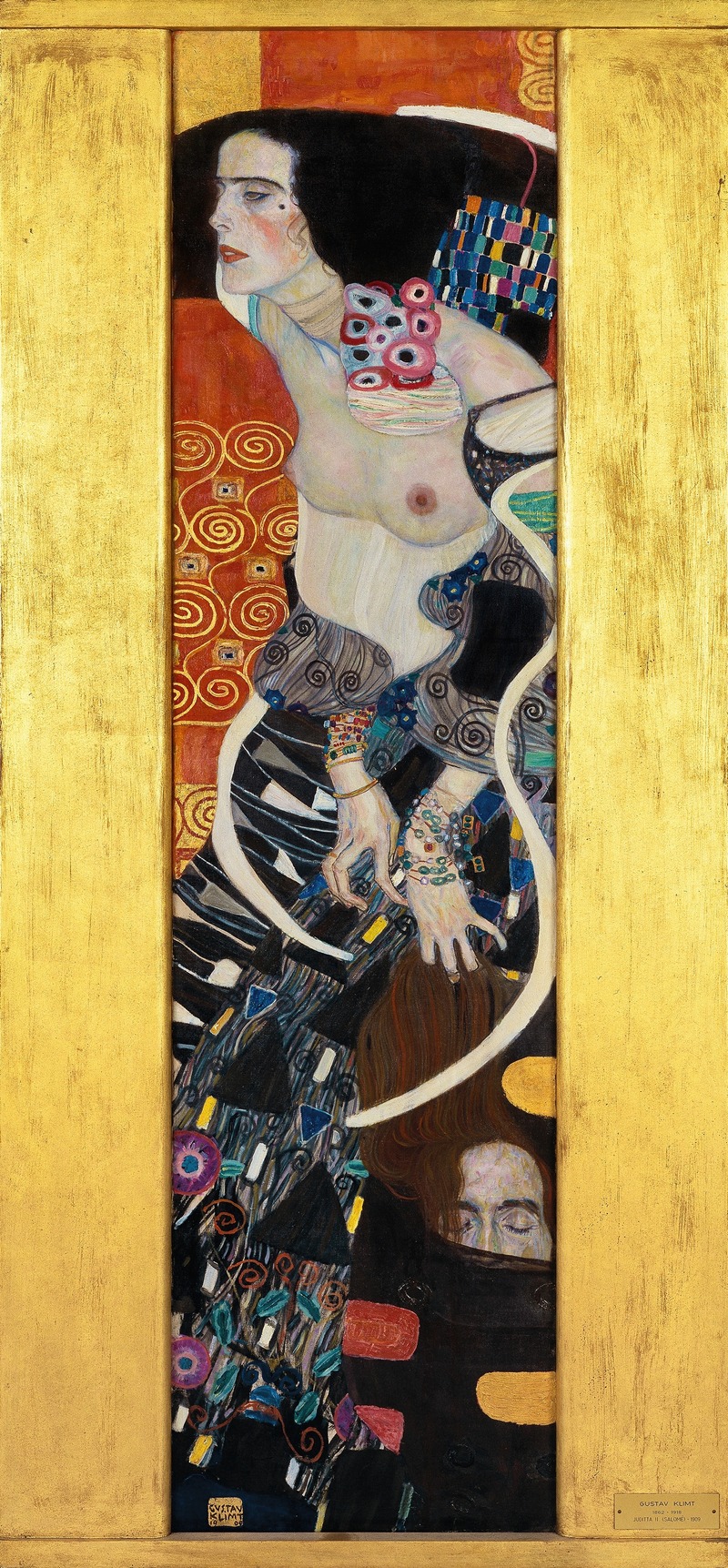
Discover insights about this artwork
Étude cubiste — History & Facts
In Étude cubiste, Jules Pascin employs a vibrant palette of colors, featuring fragmented forms that characterize the Cubist movement. The composition includes abstracted figures, which seem to merge and overlap, creating a dynamic visual rhythm. The background is less defined, allowing the figures to take center stage.
This painting captures the essence of modernity through its innovative approach to form and space. The painting is executed in oil on canvas, a medium that allows for rich color application and texture. The dimensions are approximately 60 x 80 cm, making it a medium-sized work that invites close inspection. Viewers can appreciate the brushwork and layering techniques that Pascin employs to create depth.
The use of color contrasts and geometric shapes exemplifies the Cubist style. Jules Pascin was known for his ability to blend different styles, and Étude cubiste reflects his exploration of Cubism during the early 20th century. An interesting fact about this work is that it showcases Pascin's transition from figurative representation to abstraction, marking a significant moment in his artistic evolution. His works often depicted themes of modern life, capturing the vibrancy and complexity of urban experiences.
This painting stands as a testament to his innovative spirit within the art world.
More Artworks by Jules Pascin
Fille à la mandoline
Jules Pascin
Le Peintre Et Son Modèle
Jules Pascin
Hermine David à la robe bleue
Jules Pascin
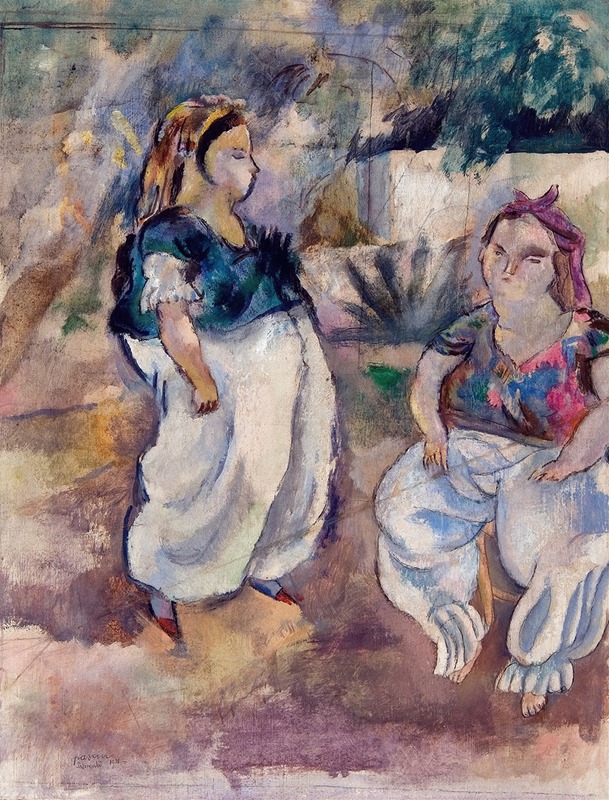
Les Tunisiennes
Jules Pascin
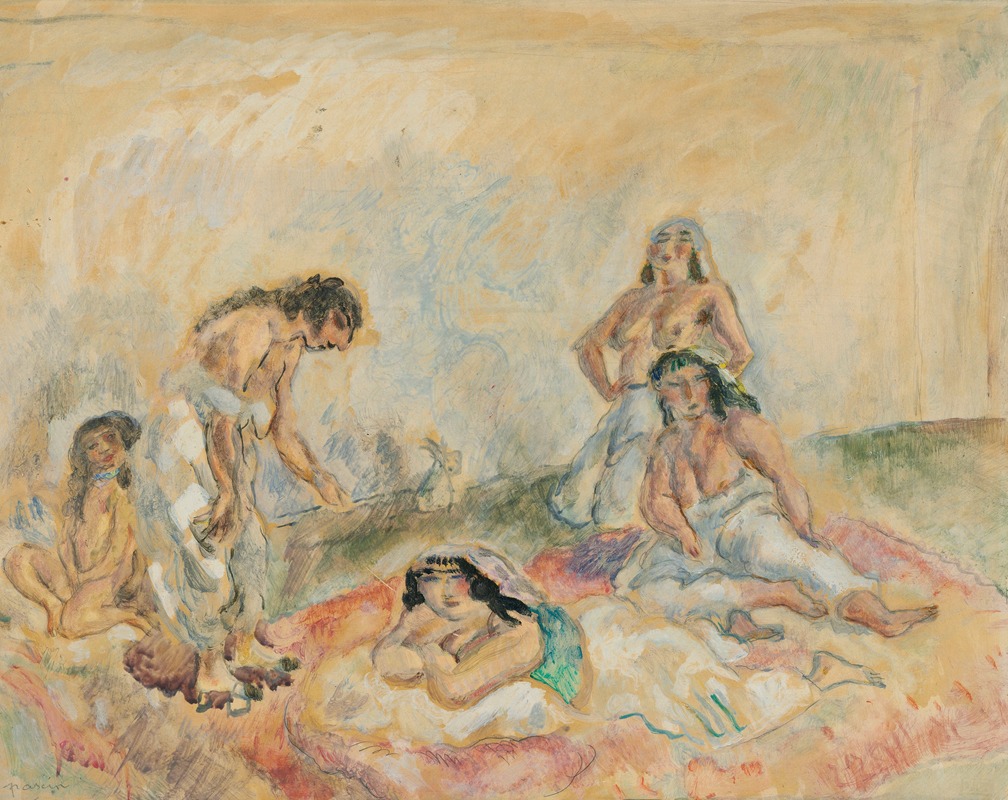
Femmes au salon
Jules Pascin
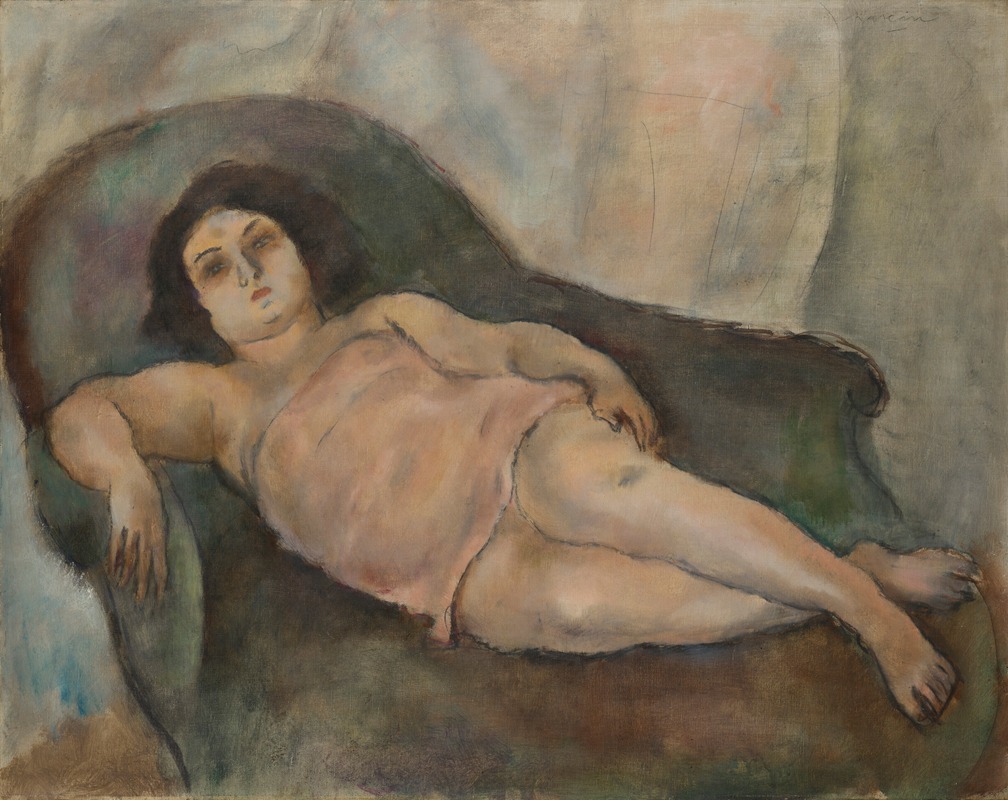
Le Modèle à la chemise rose
Jules Pascin
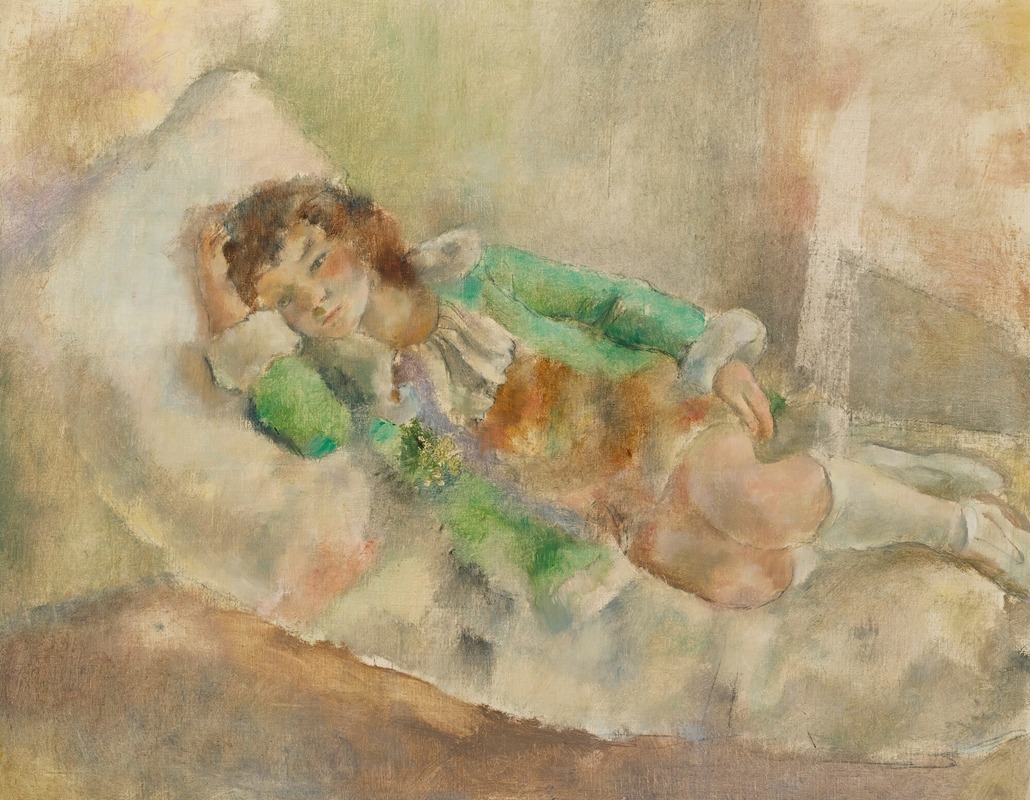
La Petite Actrice
Jules Pascin
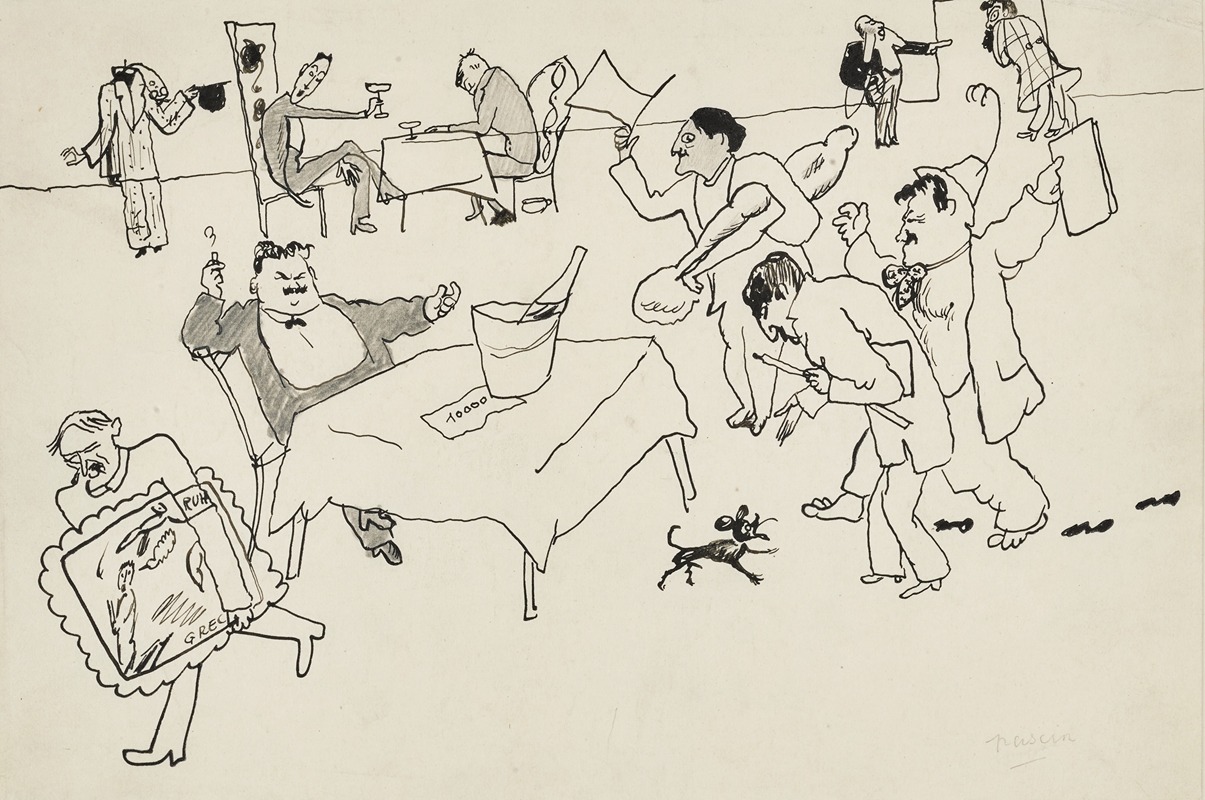
Les Voleurs d’art
Jules Pascin
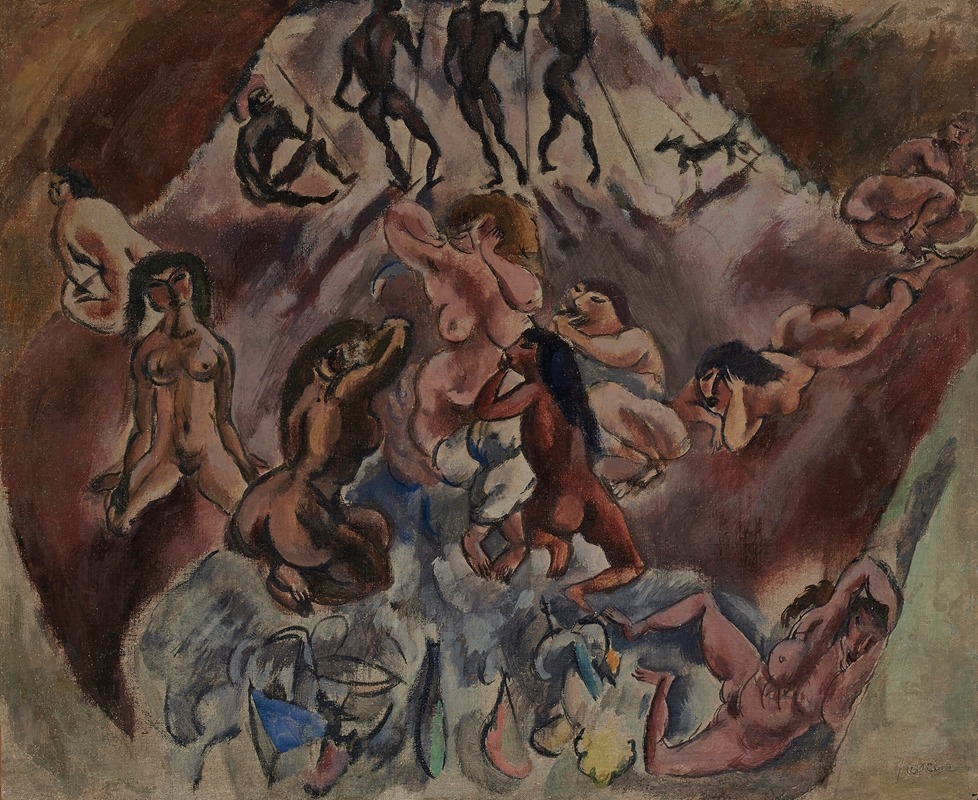
Réunion infernale
Jules Pascin
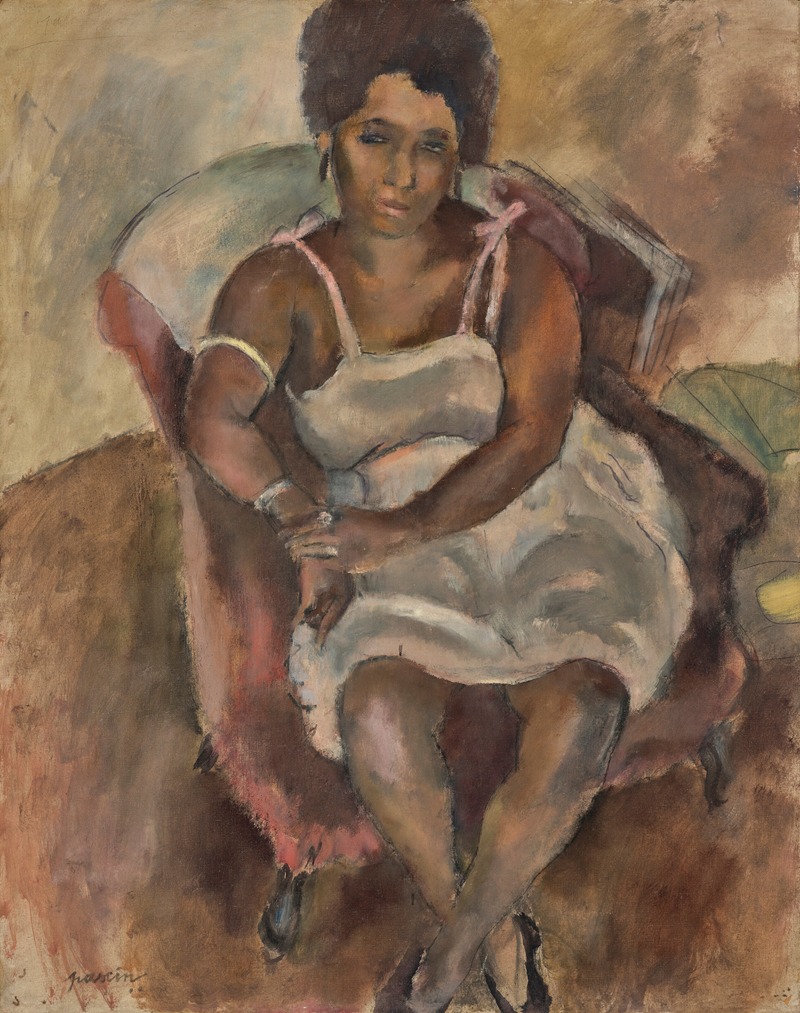
Julie, la Martiniquaise
Jules Pascin