Etude d’oliviers. Cagnes — History & Facts
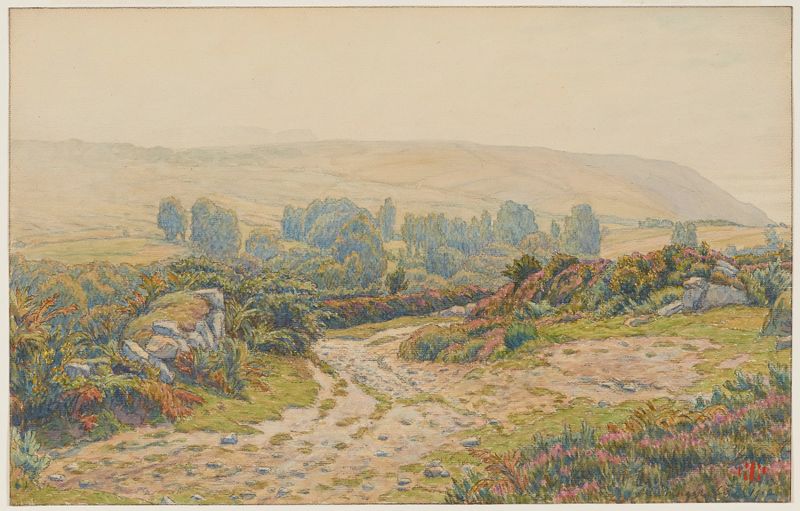
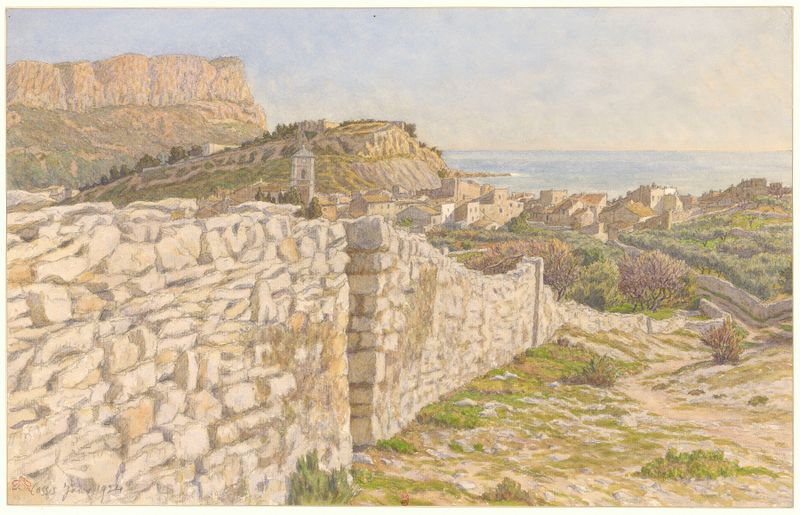
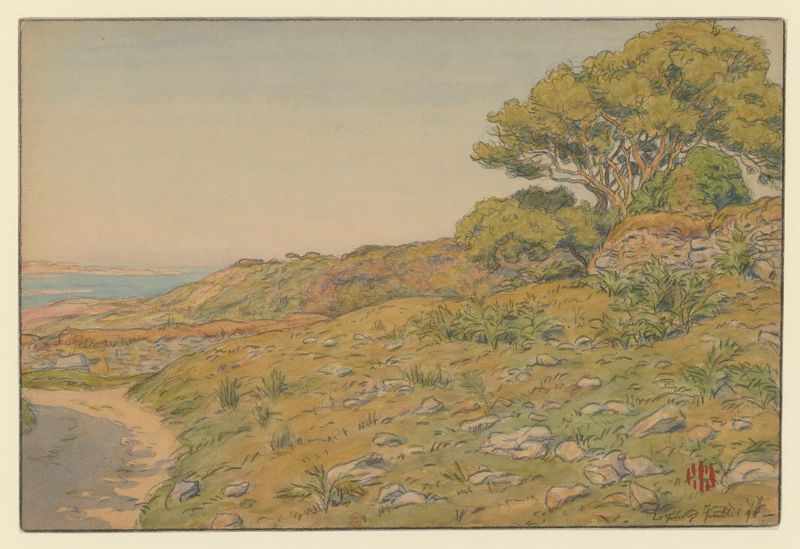
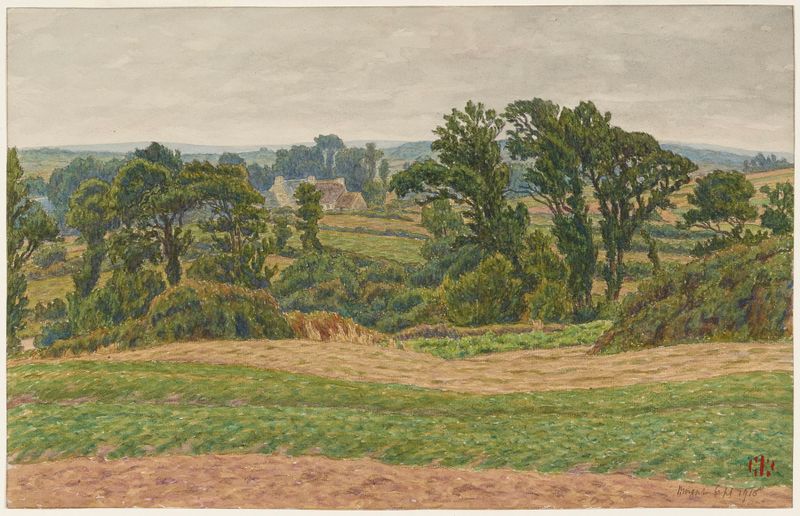
When did color learn to lie? The vibrant greens and deep blues of this landscape whisper secrets of awakening, coaxing the viewer to see beyond mere hue. Look to the left at the olive trees, their gnarled trunks twisting toward the sky, bathed in sunlight that dances delicately across their leaves. Notice how the contrasting shades of earthy brown against the verdant foliage create a tapestry of texture, inviting your fingertips to trace the bark. The artist's use of light not only illuminates the scene but also breathes life into the very essence of the landscape, as if these olive trees are guardians of hidden stories waiting to unfold. Deeper analysis reveals an emotional tension between the vibrant colors and the stillness of the scene.
The lush greens evoke a sense of life and abundance, yet the solitary nature of the trees suggests a moment of contemplation or solitude. The almost dreamlike quality of the color palette invites viewers to consider the passage of time, the seasons changing, and the cycles of growth and renewal. Here lies a delicate interplay of existence, where nature thrives yet remains hauntingly introspective. Henri Rivière painted *Etude d’oliviers.
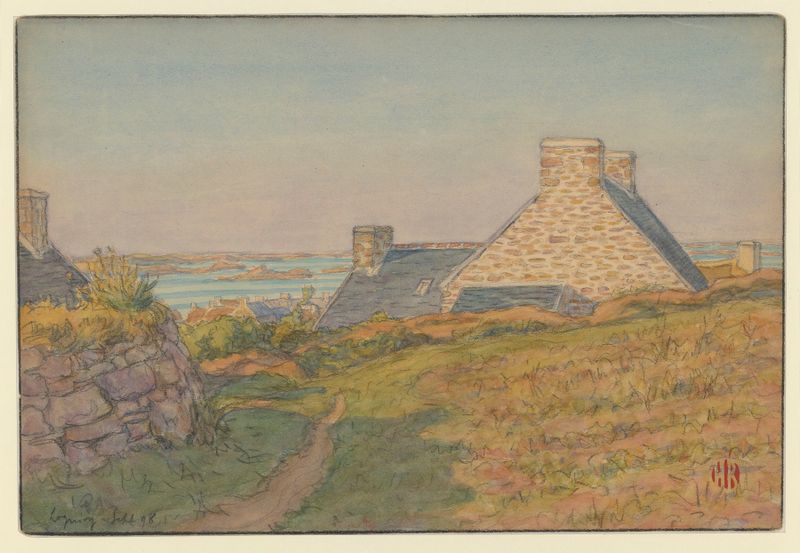
Cagnes* in 1912 while living in the south of France, a period marked by a growing interest in symbolism and impressionism. As new movements emerged, the artist meticulously explored the relationship between light and color, reflecting a personal journey towards understanding nature’s complexities amid the evolving landscape of modern art. This work encapsulates a moment of both personal and artistic awakening, resonating with the transformative power of the natural world.