
Eucalyptus à Cavalière — History & Facts
Is this a mirror — or a memory? In Eucalyptus à Cavalière, Theo van Rysselberghe invites us to reflect upon the intricate relationship between nature and personal legacy, weaving a narrative that lingers long after viewing. Look to the left at the majestic eucalyptus trees, their slender trunks reaching upward, elegantly framing the scene. The dappled sunlight filters through leaves, casting a playful dance of light and shadow on the earth below. Notice how the artist employs vibrant greens alongside soft browns to evoke a sense of vitality, while the gentle brushstrokes create a textured rhythm that breathes life into the canvas.
The composition guides your eye, suggesting a pathway leading into the depth of the landscape, inviting contemplation of what lies beyond. Delving deeper, the juxtaposition of the robust tree trunks against the ethereal quality of the light conjures a tension between permanence and transience. In the foreground, the sharp contrasts of color highlight the vividness of life, while the distant horizon suggests the inevitability of fading memories. Each detail, from the placement of leaves to the curvature of branches, symbolizes the enduring nature of what we leave behind — a silent testament to our existence and influence. In 1905, while residing in the South of France, van Rysselberghe painted this work amidst a flourishing community of Impressionist artists who were redefining perception and color.
The post-impressionist movement, with its emphasis on subjective experience over realism, fueled his exploration of light and form, framing this artwork as a pivotal moment in his career, reflecting both personal and artistic growth during a vibrant time in art history.
More Artworks by Theo van Rysselberghe
Browse all →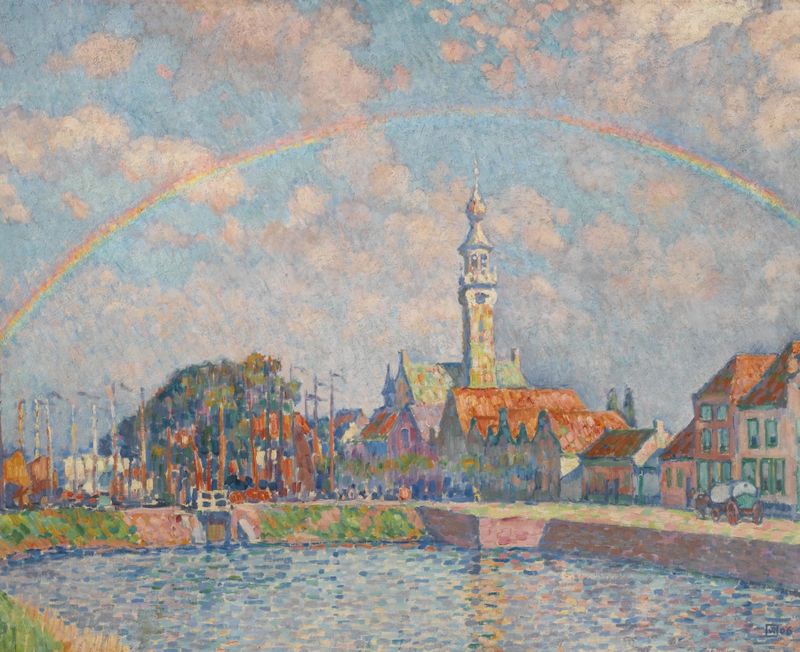
L’Arc-en-ciel à Veere
Theo van Rysselberghe
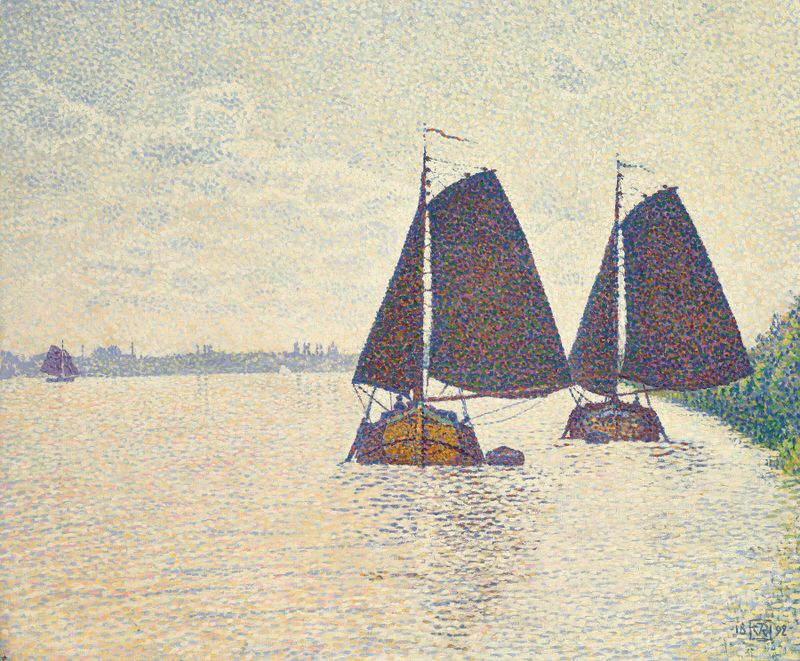
Péniches sur l’Escaut
Theo van Rysselberghe
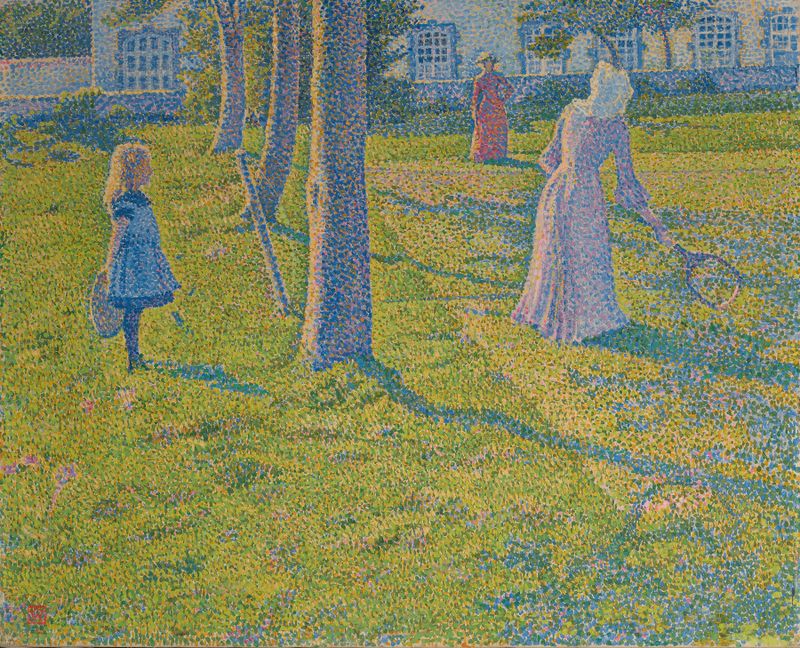
À Thuin ou La Partie de tennis
Theo van Rysselberghe
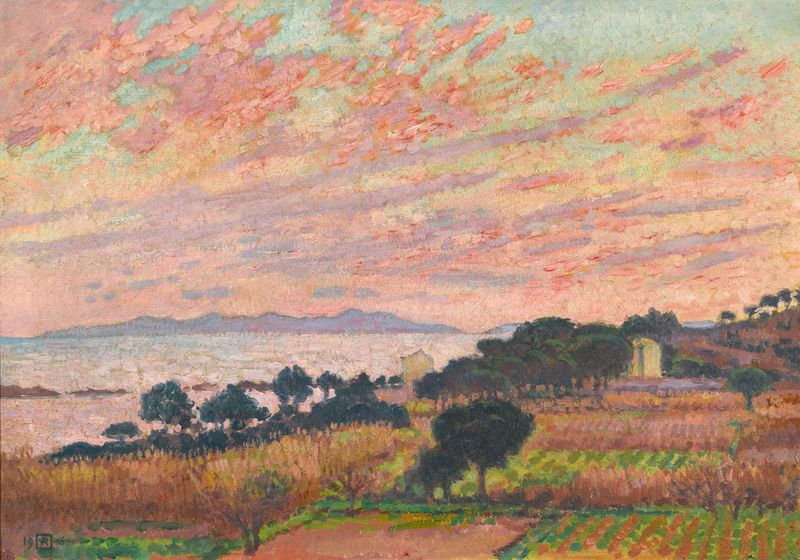
La Baie Au Soleil Couchant (Saint Clair)
Theo van Rysselberghe

Venise
Theo van Rysselberghe
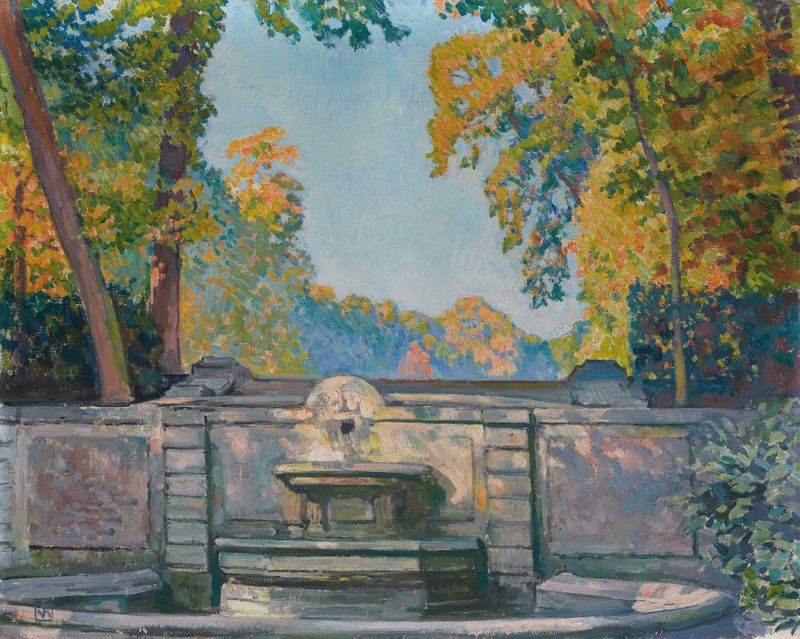
La Fontaine
Theo van Rysselberghe
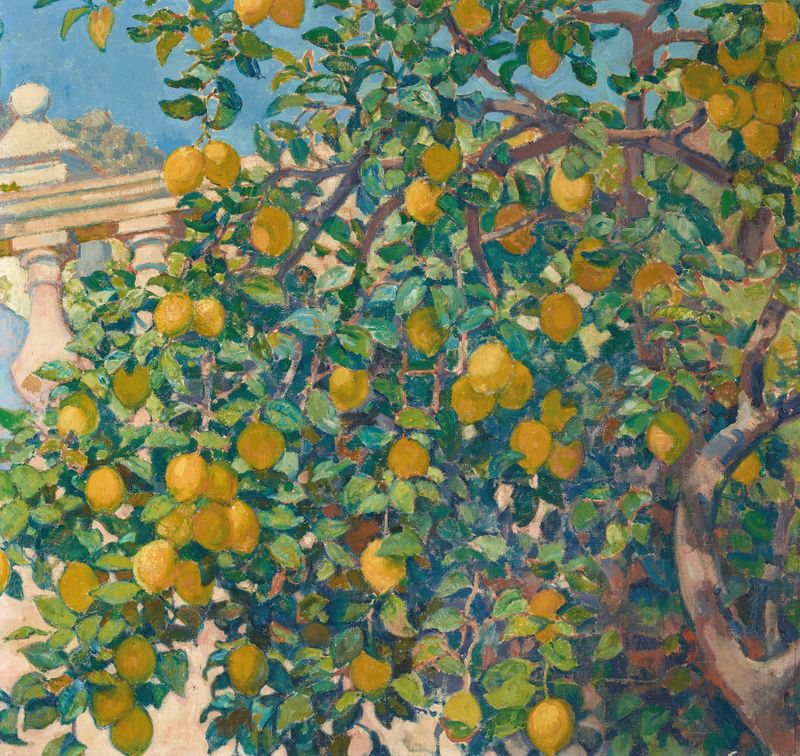
Citronniers à La Mortola
Theo van Rysselberghe
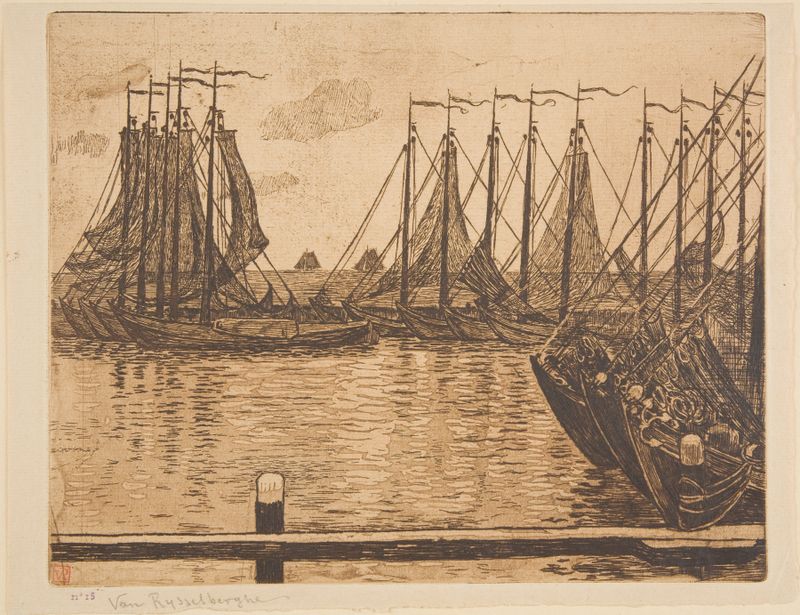
Flotille de pêche – Volendam, bateaux en rade
Theo van Rysselberghe

Pool in the Kempen
Theo van Rysselberghe

Pont en Hollande
Theo van Rysselberghe





