Evening — History & Facts
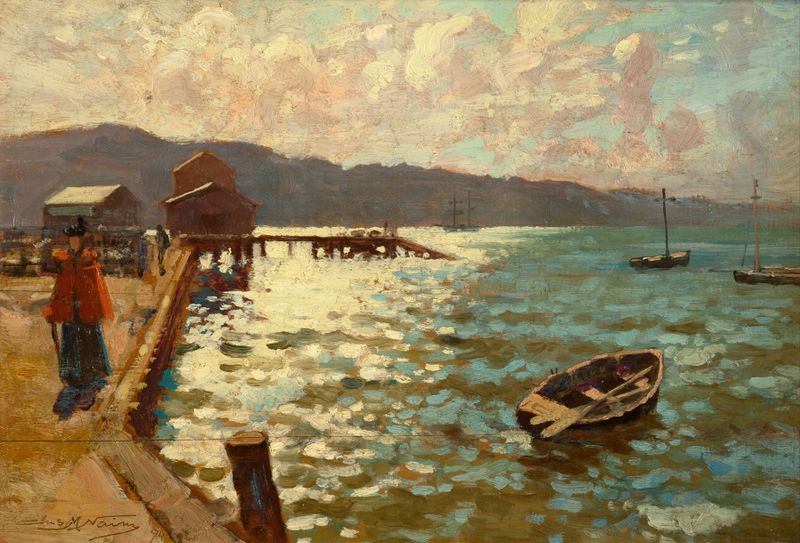
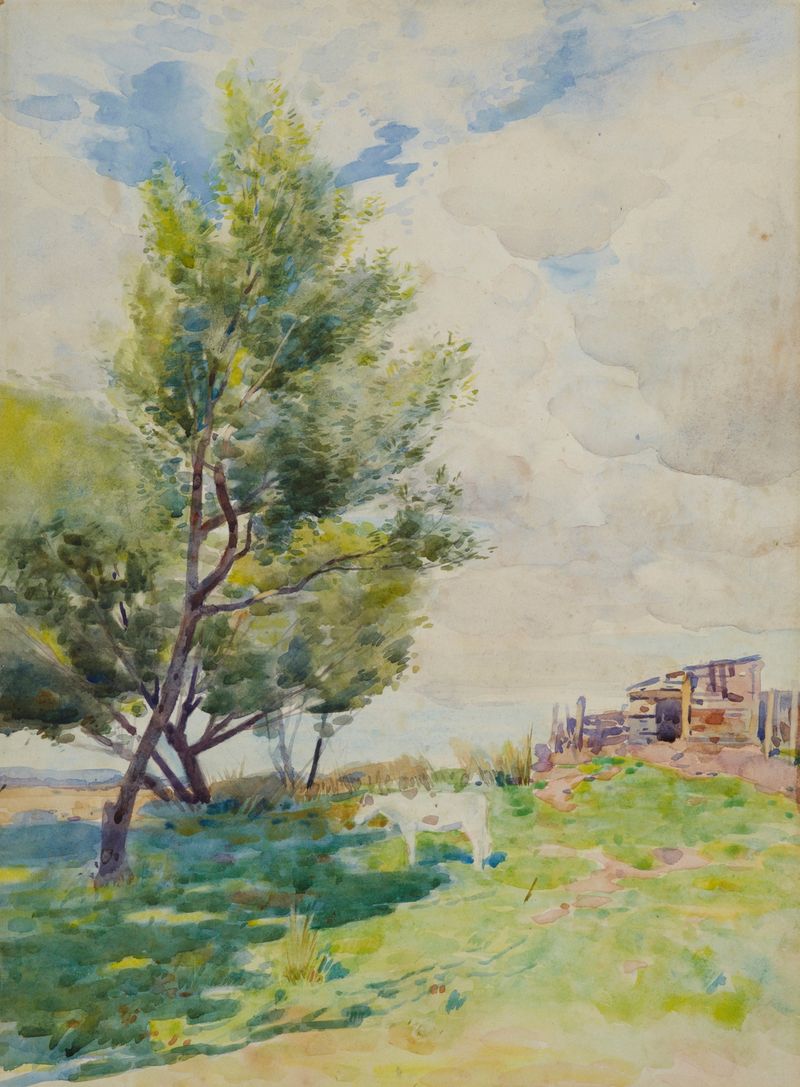
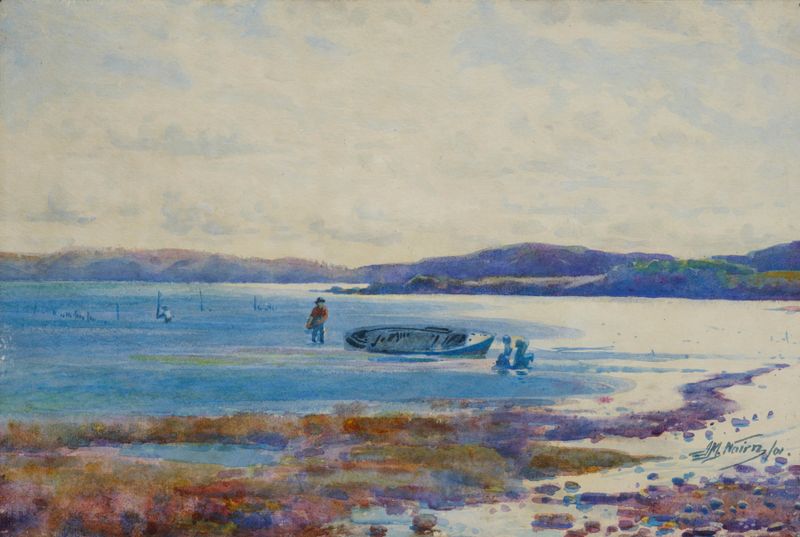
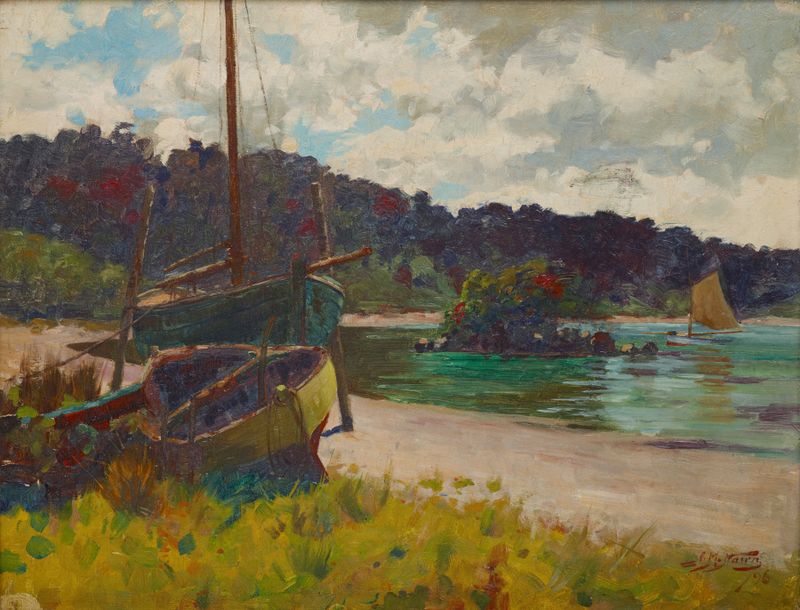
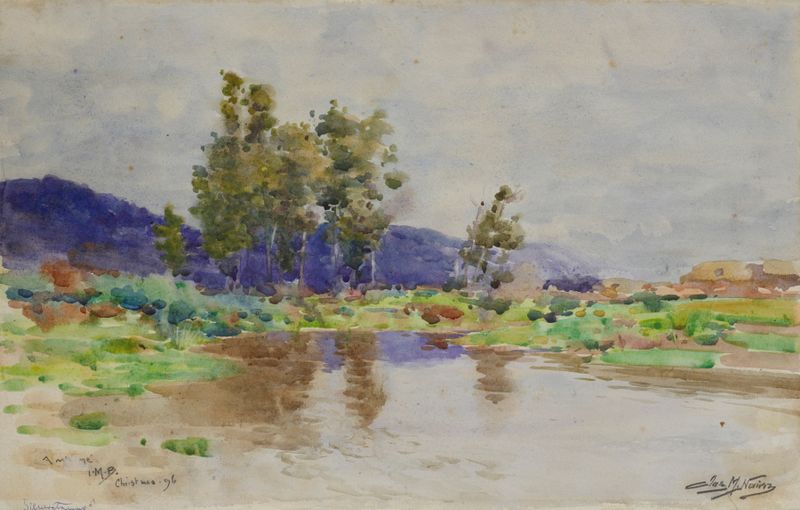
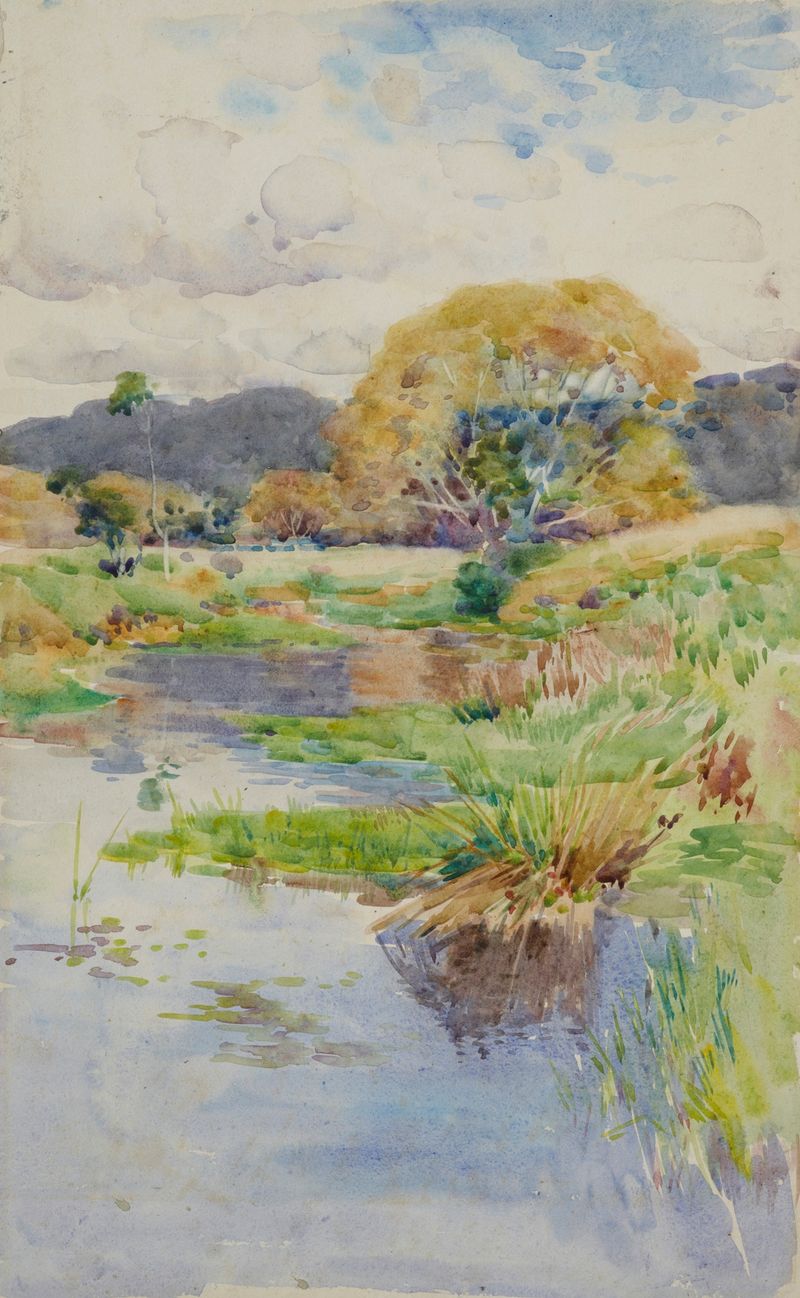
What secret hides in the quiet of the canvas? In Evening, the interplay of shadow and light whispers stories that linger long after the viewer has departed. Look to the left, where the horizon melts into a dusky palette of deep blues and warm oranges, capturing the fleeting transition from day to night. The textured brushstrokes create a sense of movement in the clouds, their soft edges contrasting against the silhouetted trees that dominate the foreground. Notice how the light filters through the branches, casting delicate shadows that dance across the ground, inviting the eye to explore the quiet depth of the scene. As the day wanes, a profound stillness envelops the landscape.
The juxtaposition of vibrant colors against the looming darkness hints at a world caught between tranquility and impending nightfall. Each shadow seems to breathe, imbuing the canvas with a palpable sense of mystery, as if nature itself holds its breath, waiting for something unseen. This tension between light and shadow reflects the profound emotions of transition—both in nature and in life. In 1893, James Nairn painted Evening during a period marked by his exploration of light and color in the Scottish landscape.
Living in Glasgow, he was deeply influenced by the emerging impressionist movement, often seeking to capture the ephemeral qualities of his surroundings. This painting showcases his commitment to portraying the beauty of fleeting moments, a reflection of both his artistic growth and the evolving artistic landscape of his time.