
Evening Shadows — History & Facts
Could a single brushstroke hold eternity? Each stroke in Evening Shadows seems to whisper the secrets of twilight, where day surrenders to night and emotions linger like echoes in the fading light. Look to the left at the deep indigo hues that wrap around the horizon, compelling your gaze upward to the subtle gradients of violet and gold that dance across the sky. Notice how the lighter shades blend seamlessly, creating a tender yet powerful contrast with the solid, rich darkness presented in the foreground. The juxtaposition of color not only reveals the transition of time but also invokes a sense of calm and contemplation. Beneath the surface, the painting embodies a sense of balance between light and darkness, symbolizing the tension between hope and melancholy.
The placement of shadows hints at the fleeting nature of moments, as if time itself is caught in a delicate embrace. Each choice of color reflects the artist's emotional landscape, inviting viewers to ponder their own experiences of twilight, the moments of solitude that both comfort and haunt us. Ernest Haskell painted Evening Shadows during the years 1919 to 1920, a period marked by a world grappling with the aftermath of war. Working in Provincetown, Massachusetts, he was deeply influenced by the vibrant art community that thrived there, also reflecting the broader shifts in American art as artists sought new forms of expression following a tumultuous era.
His exploration of color and emotion resonated with the emerging modernist movements, capturing both personal and universal themes in a time of reflection and renewal.
More Artworks by Ernest Haskell
Browse all →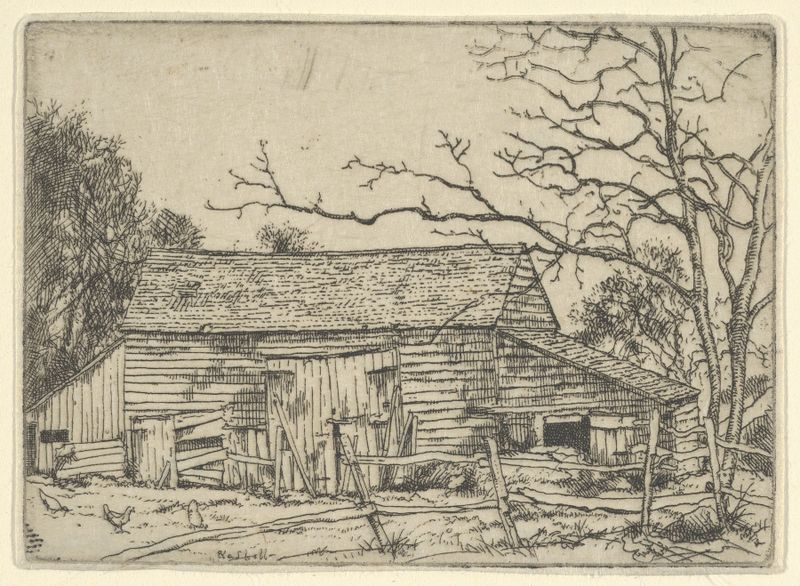
The Barn–Staten Island, N.Y.
Ernest Haskell

Four Live Oaks
Ernest Haskell
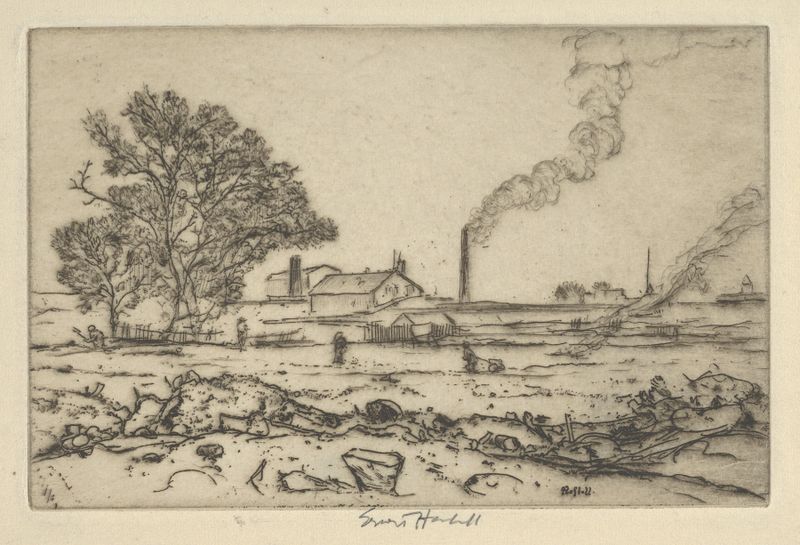
Outskirts of Boston
Ernest Haskell
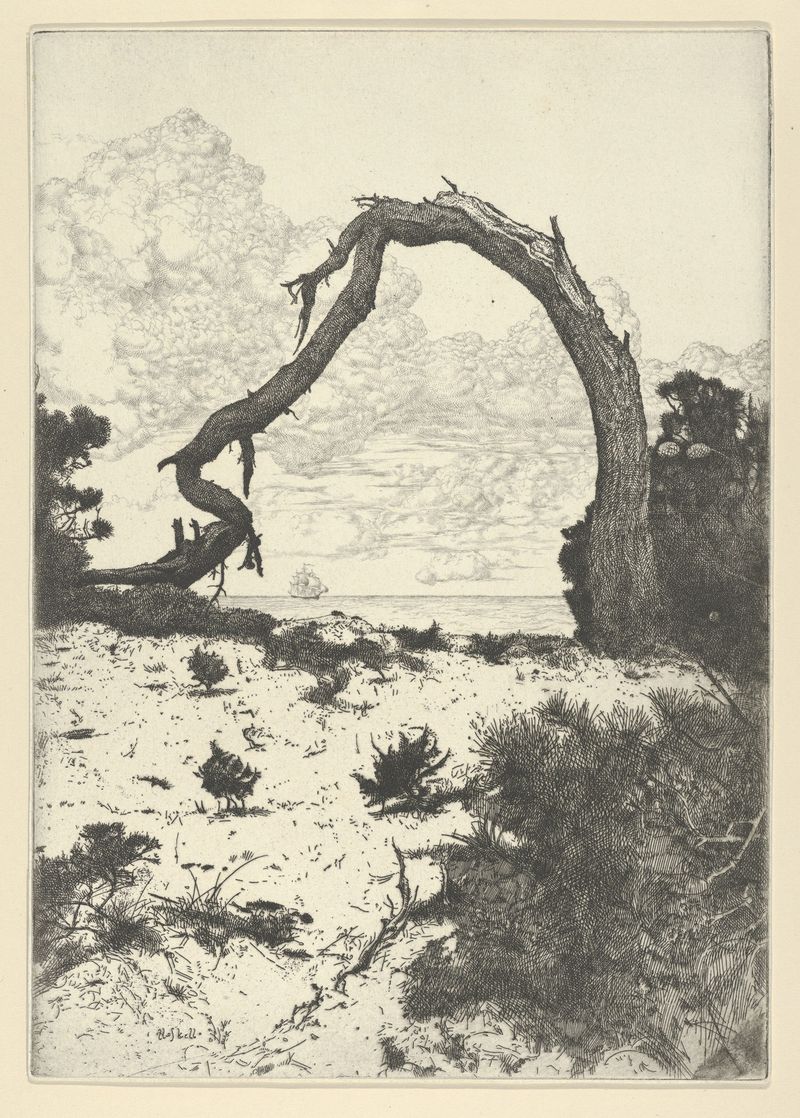
Pine Arch
Ernest Haskell

General Sherman
Ernest Haskell
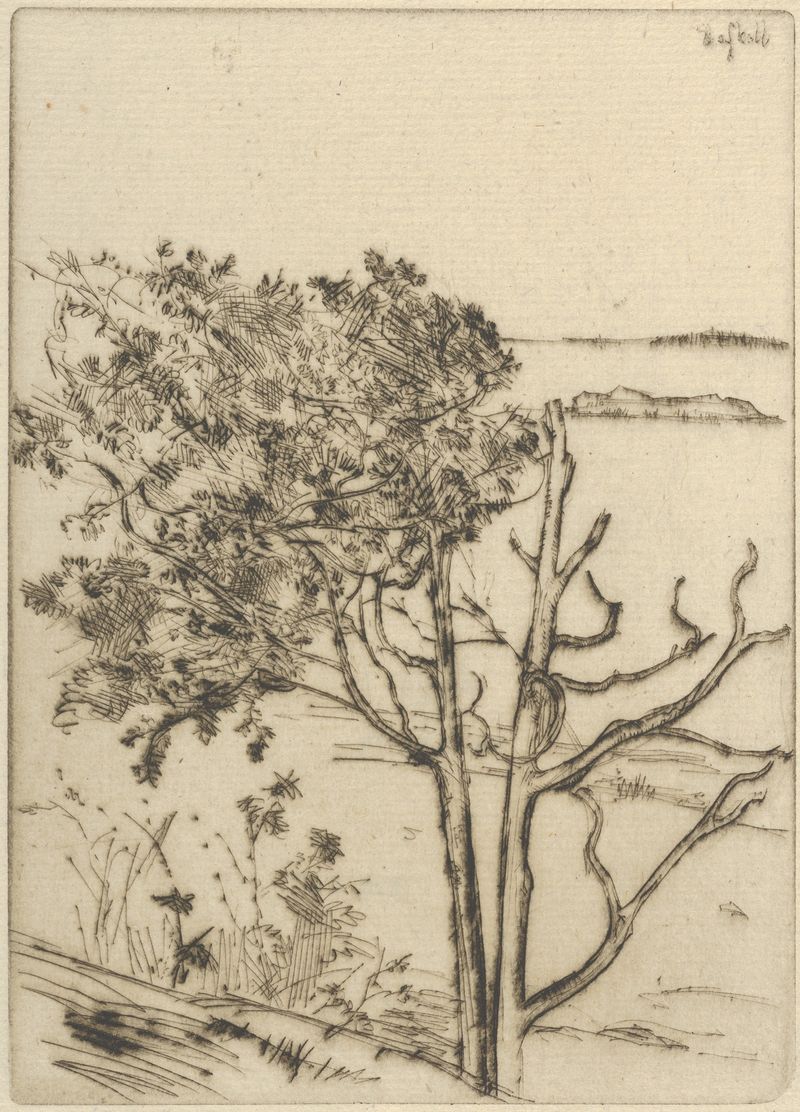
Ragged Tree – Maine
Ernest Haskell

Tide Mill
Ernest Haskell

Ship Building
Ernest Haskell
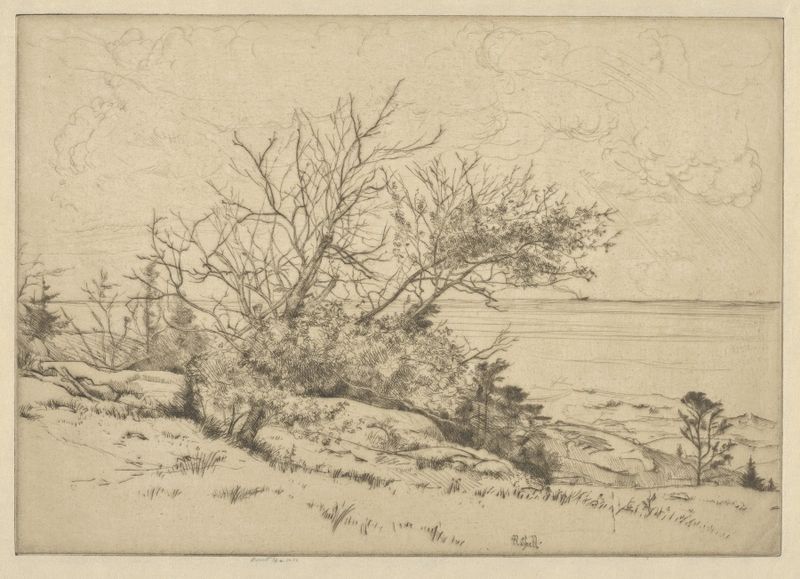
To the Southward – Ragged Island, Me.
Ernest Haskell
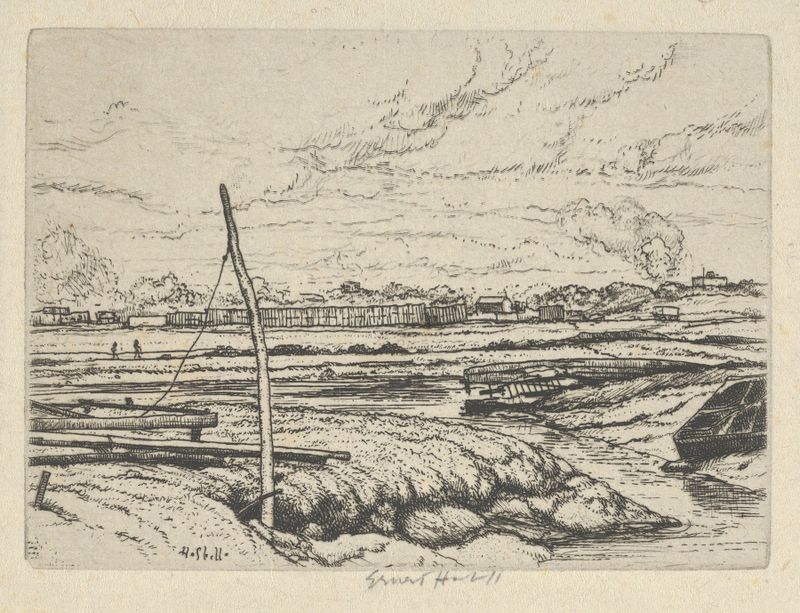
Long Island Marshes
Ernest Haskell





