
Exécution de Katte — History & Facts
In Exécution de Katte, Alphonse Mucha presents a dramatic scene filled with emotion. The painting features a somber palette dominated by dark blues and browns, creating a tense atmosphere. Central to the composition is the figure of Katte, who appears resigned to his fate, surrounded by soldiers and onlookers.
The expressions of the figures convey a mix of fear, sorrow, and determination. The painting is executed in oil on canvas, showcasing Mucha's skill in rendering detailed figures and intricate costumes. The use of light and shadow adds depth to the scene, emphasizing the gravity of the moment. Viewers can appreciate the meticulous attention to detail in the clothing and facial expressions of the characters.
The overall composition is dynamic, drawing the viewer's eye towards the central figure of Katte. Alphonse Mucha is best known for his Art Nouveau style, but Exécution de Katte reflects his interest in historical themes. This work was created around the turn of the 20th century, a time when Mucha was exploring various subjects beyond his typical commercial art. An interesting fact about this painting is that it depicts the execution of a historical figure, which was a significant event in French history.
Mucha's ability to blend narrative with artistic beauty is evident in this powerful piece.
More Artworks by Alphonse Mucha

Bières de la Meuse
Alphonse Mucha

Abstract design based on flowers and leaves
Alphonse Mucha
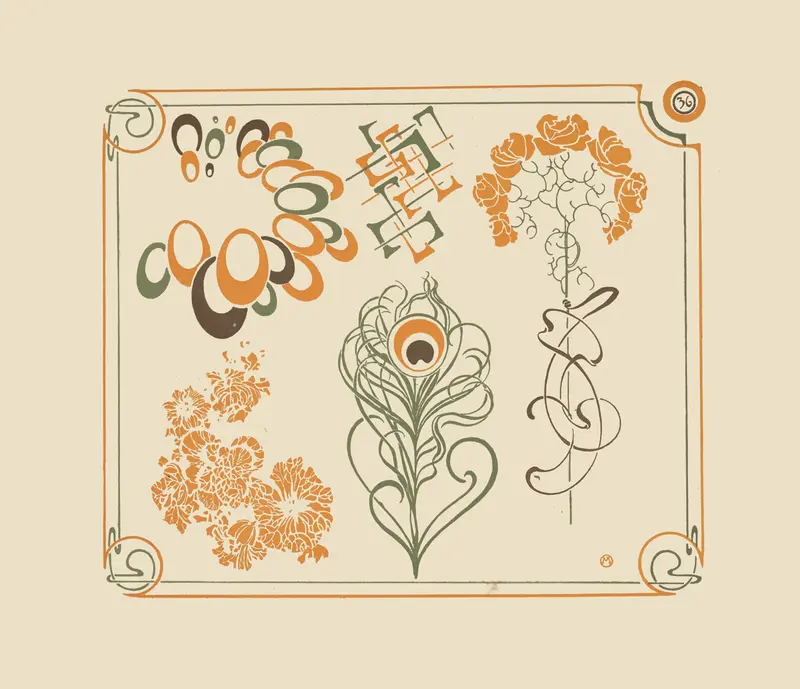
Abstract design based on flowers and curvilinear shapes.
Alphonse Mucha
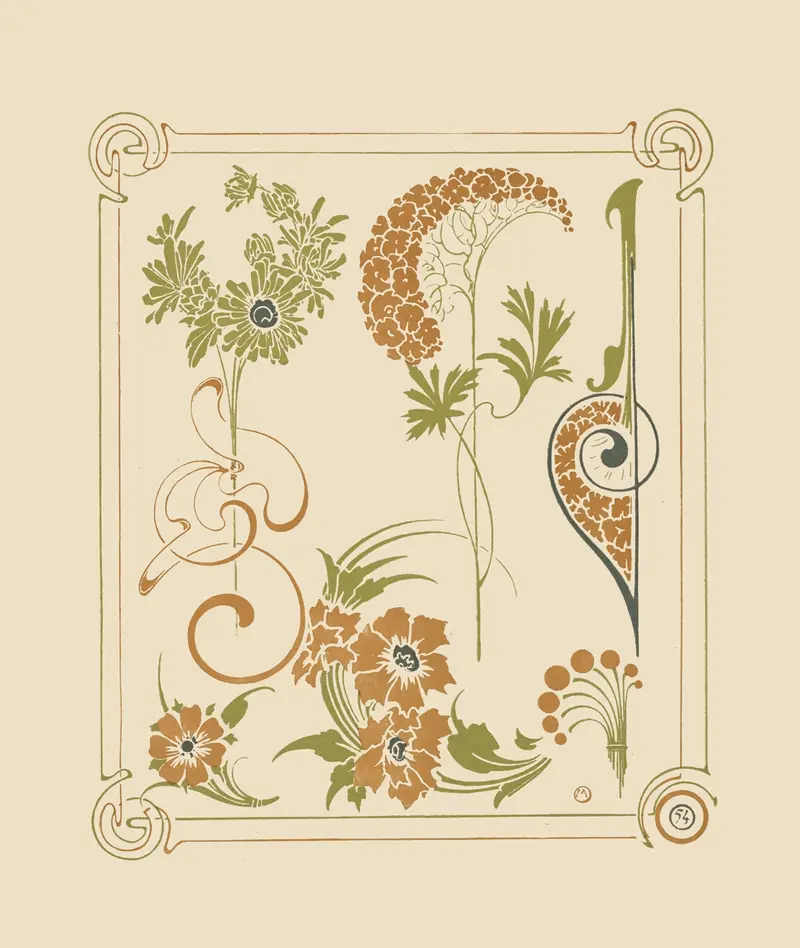
Abstract design based on flowers and arabesques.
Alphonse Mucha
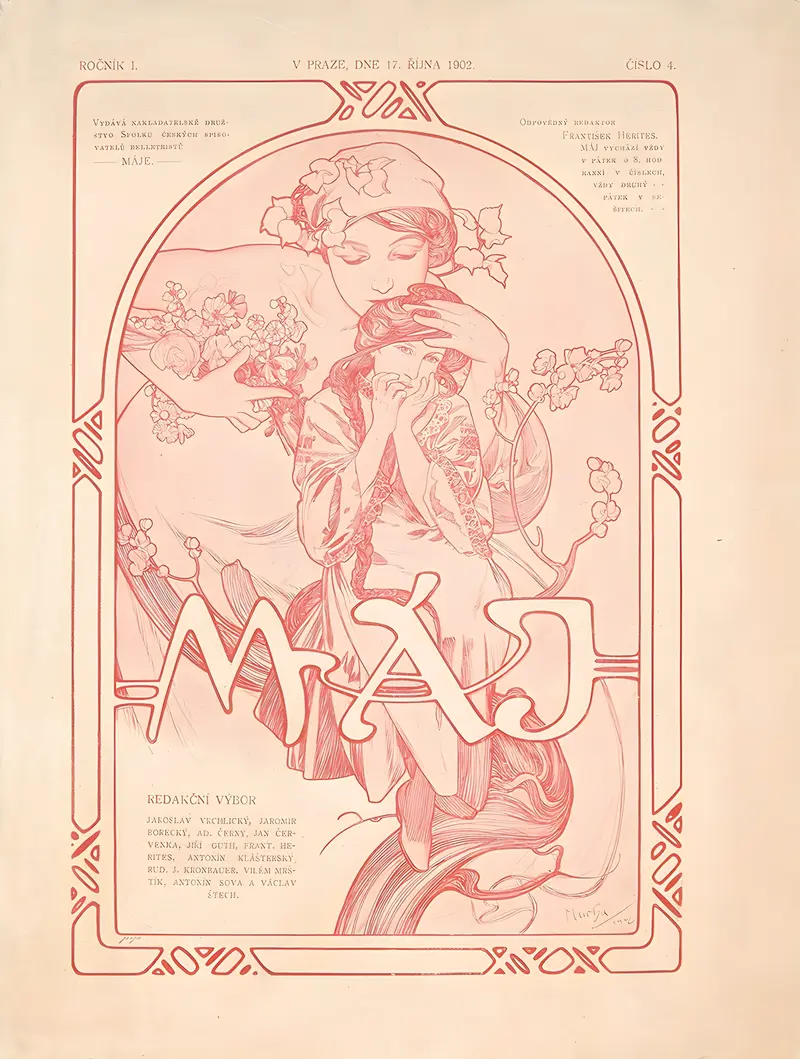
Máje
Alphonse Mucha
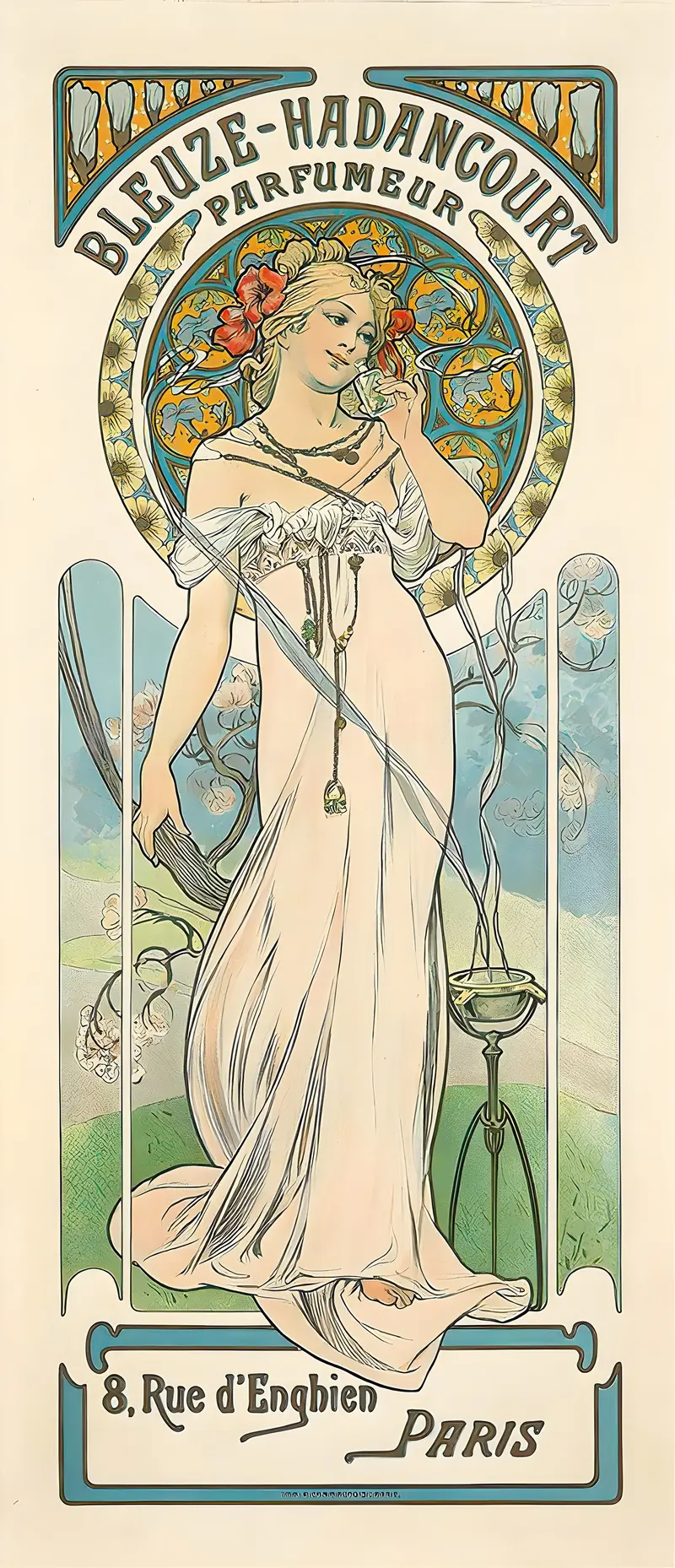
Bleuze-Hadancourt Parfumeur
Alphonse Mucha
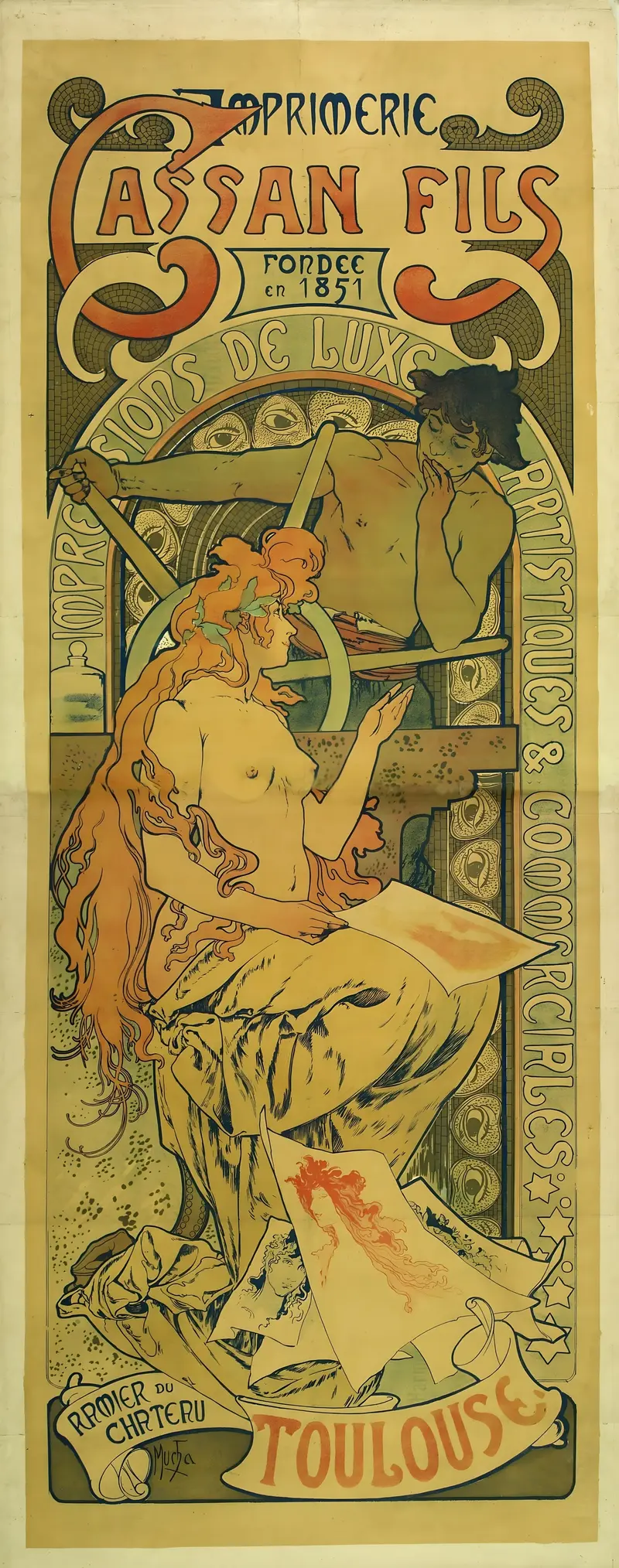
Imprimerie Cassan Fils Fondée en 1851 Impressions de Luxe Artistiques & Commerciales Ramier du Chateau Toulouse
Alphonse Mucha
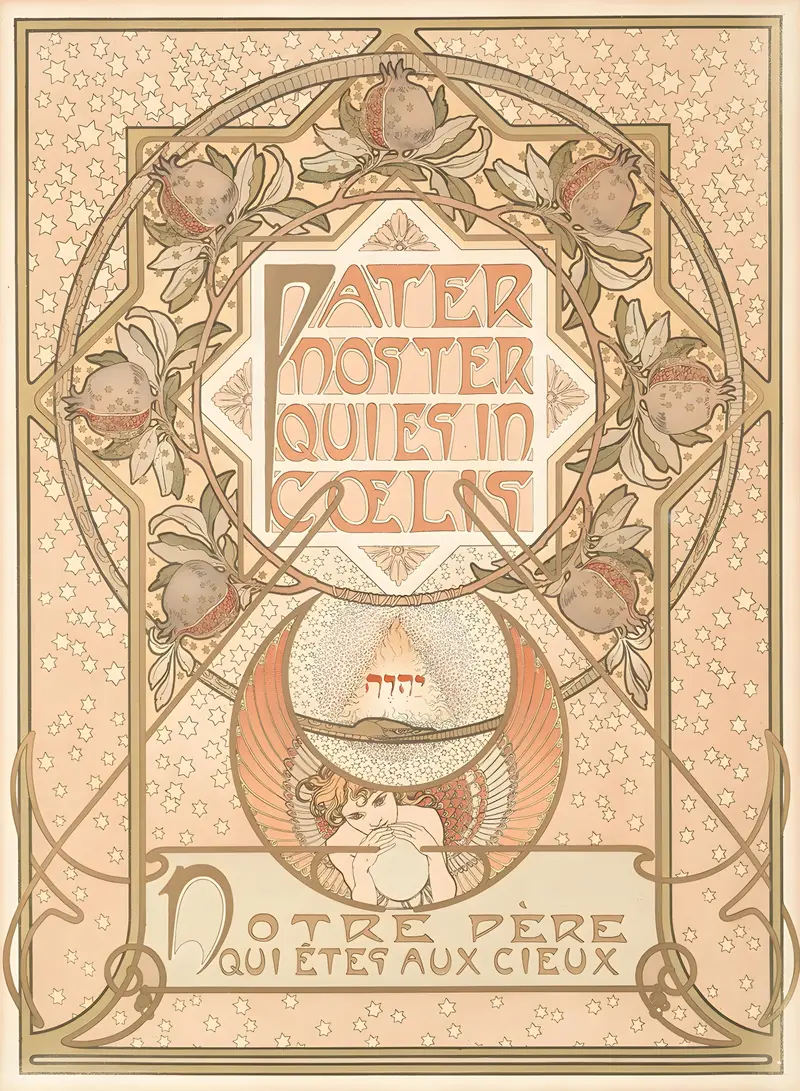
Pater Noster
Alphonse Mucha
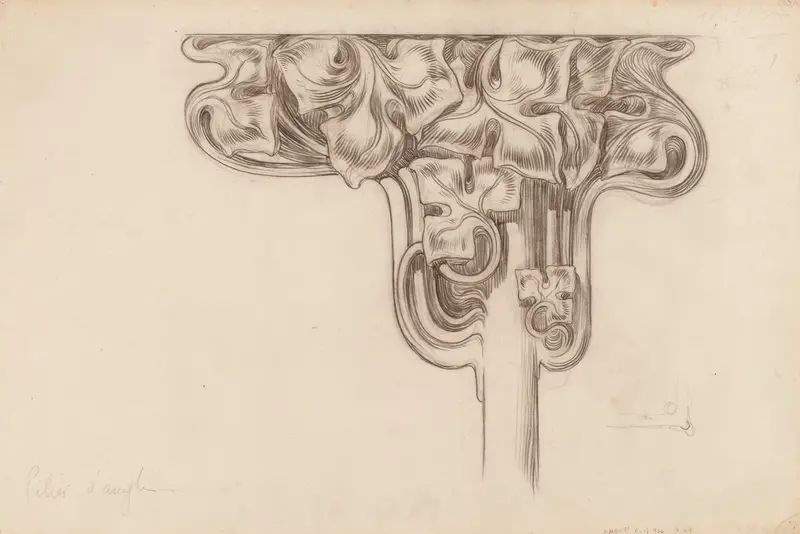
Projet de chapiteau de bronze pour un pilier de la boutique Fouquet
Alphonse Mucha
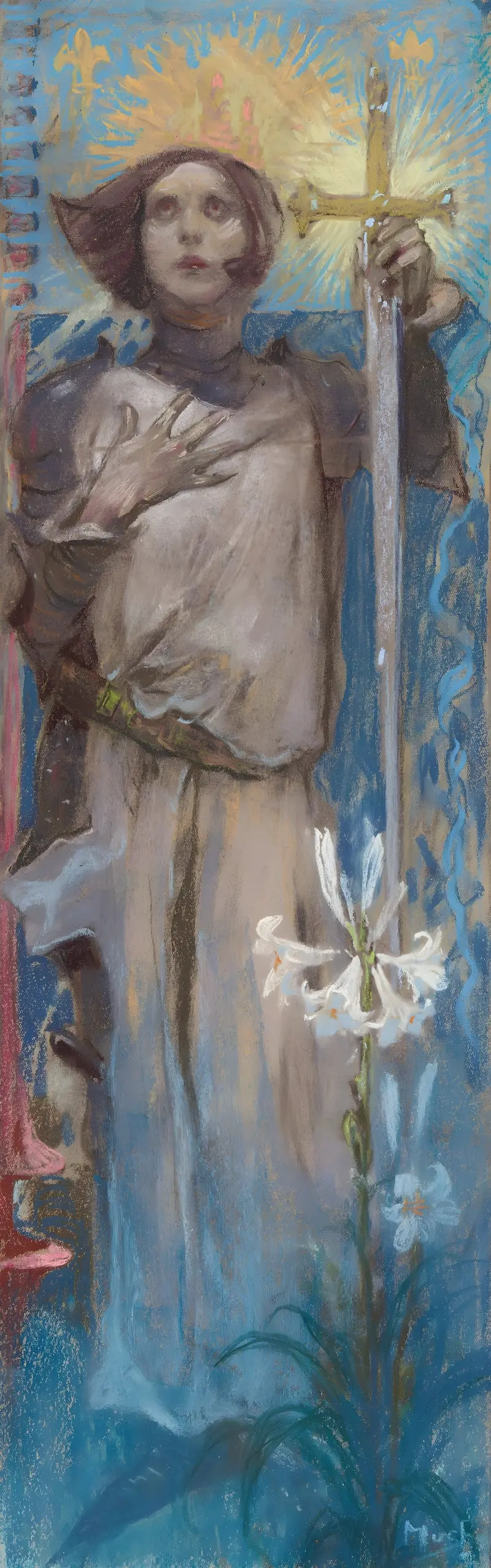
Joan of Arc. Apparition
Alphonse Mucha





