
Expulsion from Paradise — History & Facts
Under the brush, chaos becomes grace. In Expulsion from Paradise, the dichotomy of innocence lost and the harsh reality of consequence unfurls in a symphony of visual storytelling. Focus on the central figures — Adam and Eve, exiled from the lush paradise, are engulfed by the visual chaos surrounding them. The dense foliage teems with life, yet the somber expressions on their faces capture the gravity of their banishment.
Notice how the muted earth tones contrast sharply with the vibrancy of the garden behind them, underscoring the abrupt transition from bliss to despair. The artist employs intricate line work, suggesting an almost delicate fragility to the couple’s plight, as if their very existence hangs in the balance. The emotional tension is palpable, evoking a tumultuous interplay between innocence and experience. The angel, poised with a sword, symbolizes both divine judgment and protection, a guardian of a lost paradise now beyond reach.
The swirling clouds overhead seem to mirror the chaos of their situation, while subtle details in the foliage remind us that beauty persists even amidst sorrow. Each element harmonizes to convey the profound loss of innocence and the harsh truths that inhabit the human experience. Wenceslaus Hollar painted this piece in 1651 during a time of significant upheaval in Europe, marked by the Thirty Years' War and shifting cultural landscapes. Creating in Antwerp, Hollar was deeply influenced by the Baroque style and the themes of religious and mythological narratives prevalent in his era.
This work reflects his keen understanding of composition and emotion, revealing not just a biblical tale, but a timeless exploration of human vulnerability.
More Artworks by Wenceslaus Hollar
Browse all →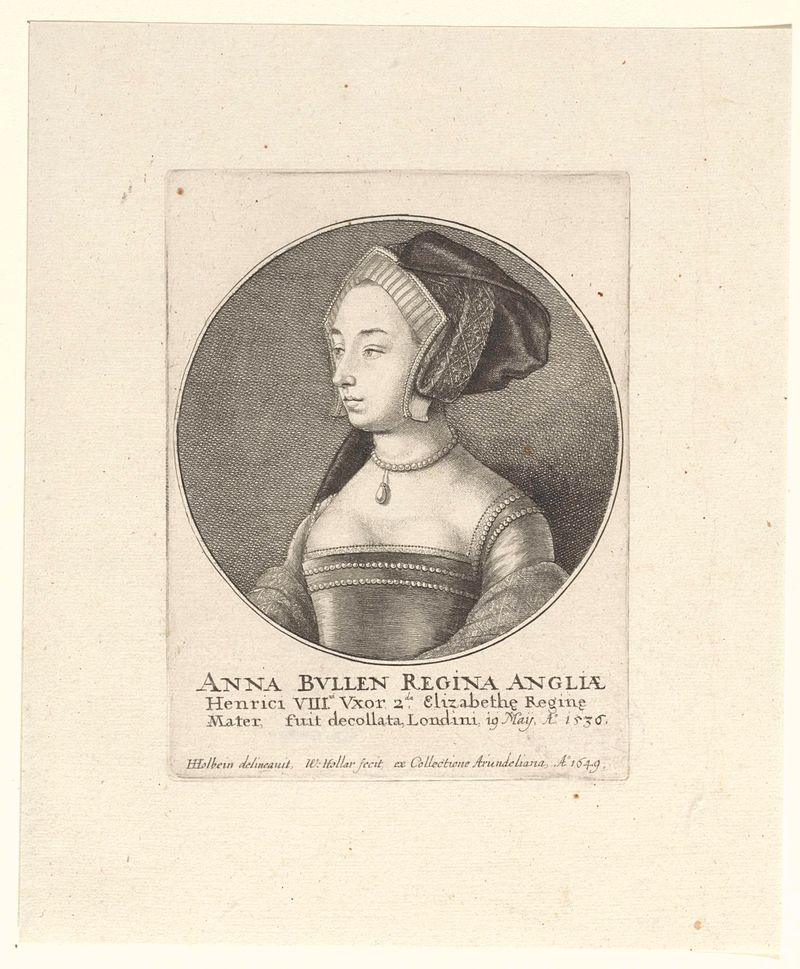
Portret van Anna Boleyn, koningin van Engeland
Wenceslaus Hollar
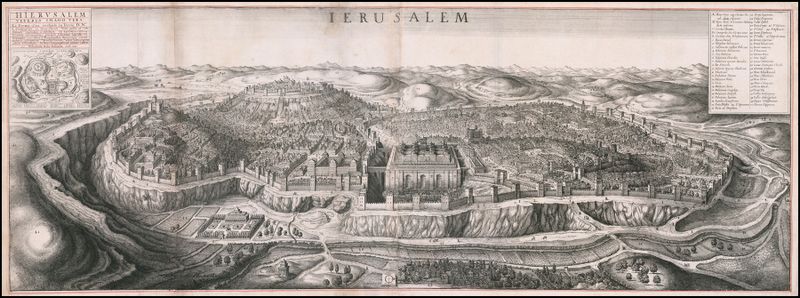
Bird’s eye view of Jerusalem
Wenceslaus Hollar
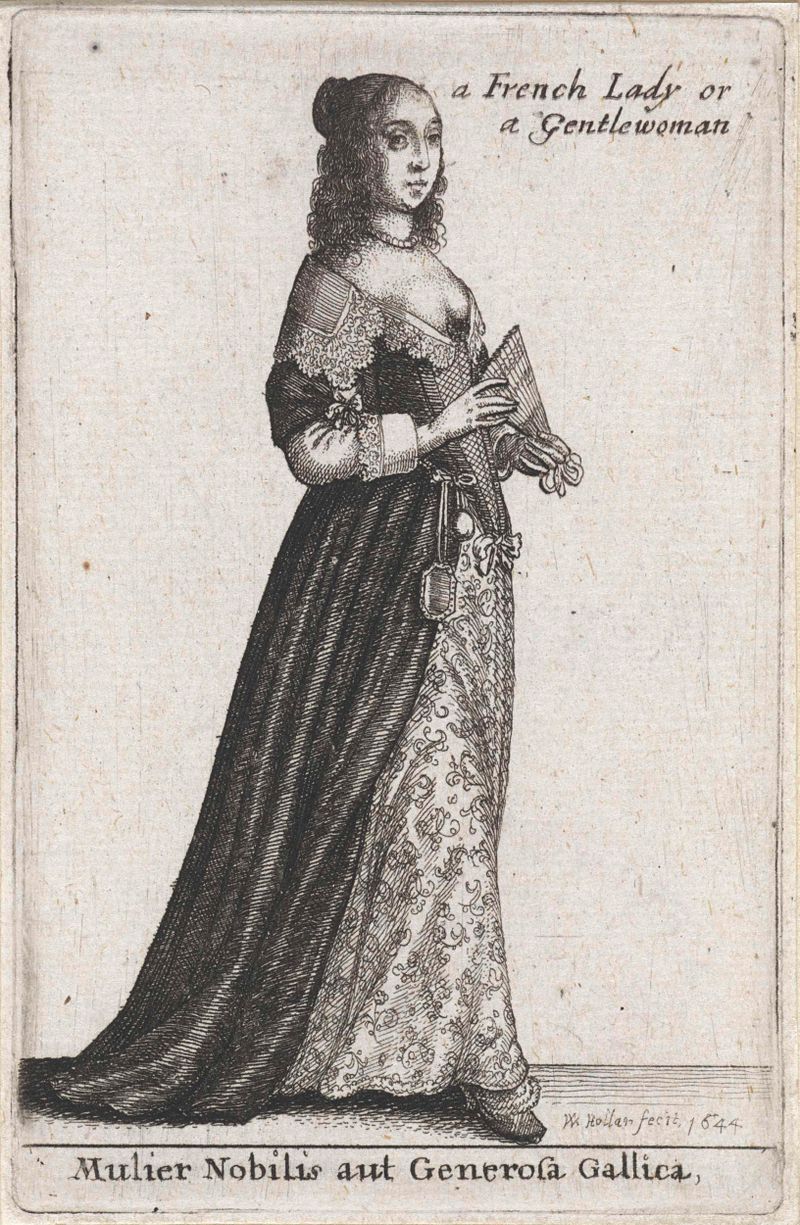
Mulier Nobilis aut Generosa Gallica / a French Lady or Gentlewoman
Wenceslaus Hollar
Titelprent voor: Ornatus Muliebris Anglicanus
Wenceslaus Hollar
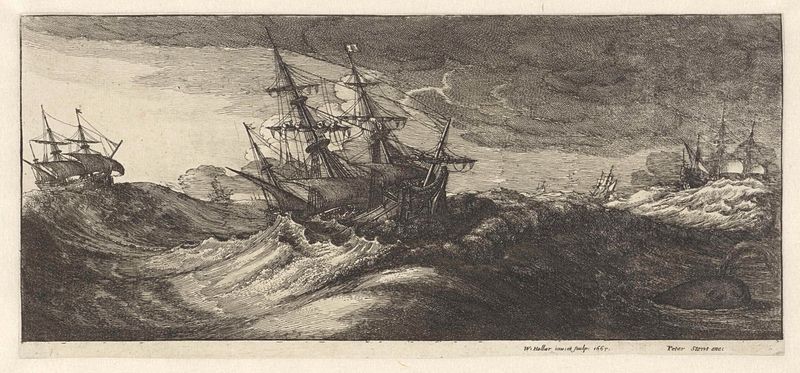
Oorlogsschepen en een walvis in een zeestorm
Wenceslaus Hollar
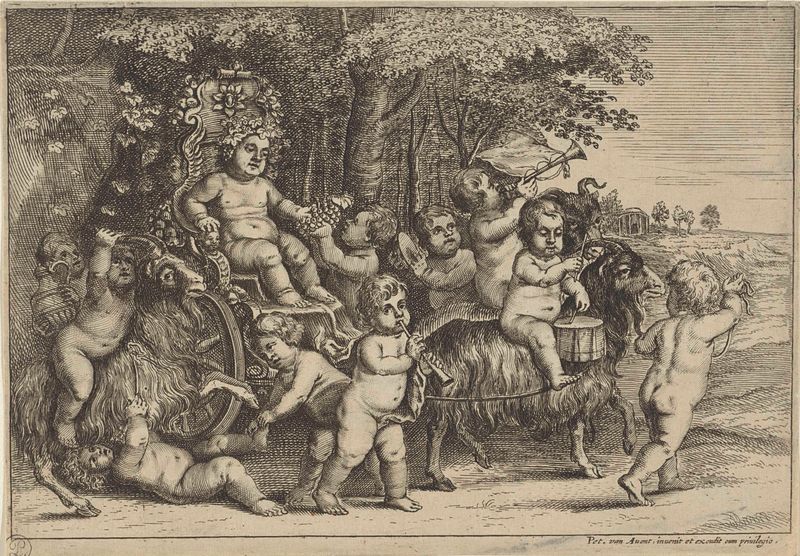
Optocht van bacchant en jongetjes op geiten
Wenceslaus Hollar
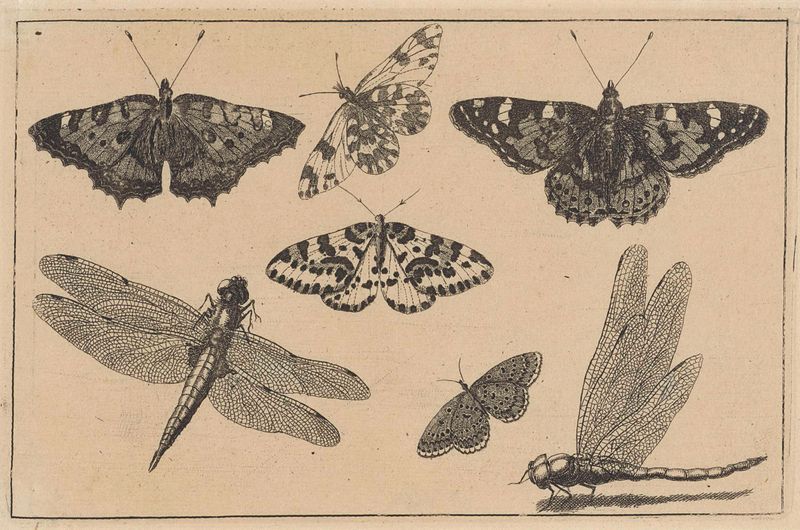
Twee libellen en vijf vlinders
Wenceslaus Hollar
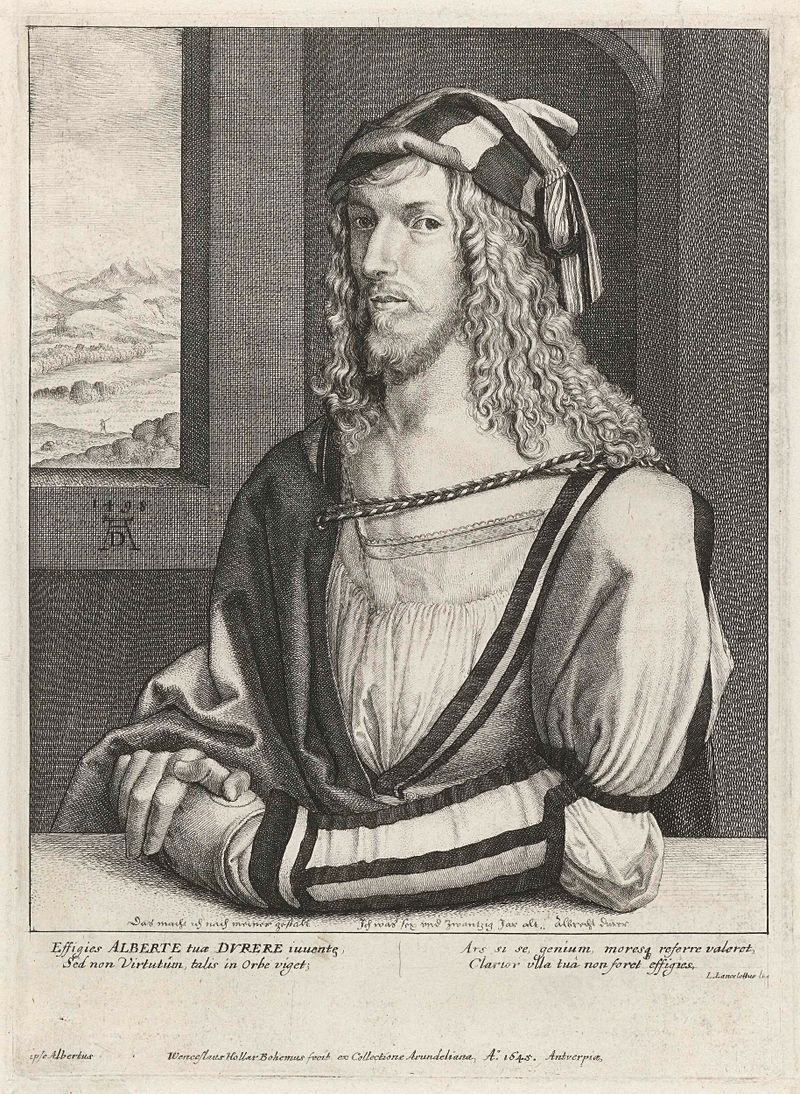
Portret van Albrecht Dürer
Wenceslaus Hollar
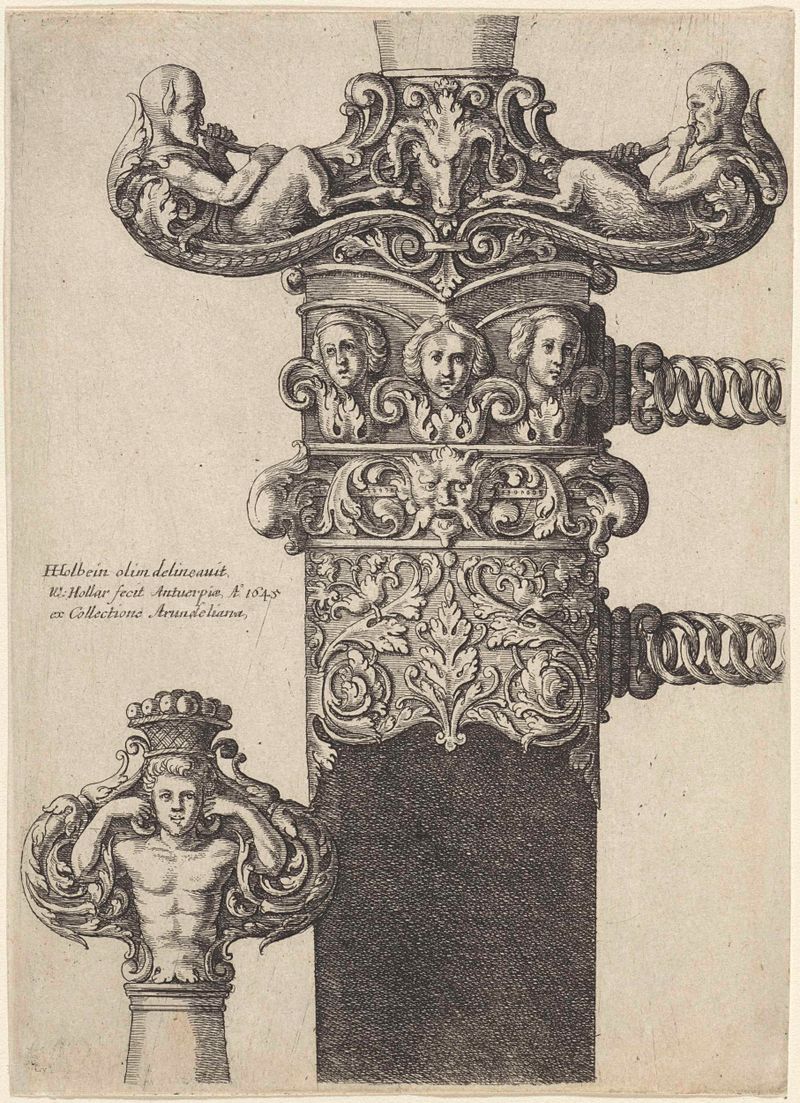
Ornamenteel ontwerp voor een dolk
Wenceslaus Hollar
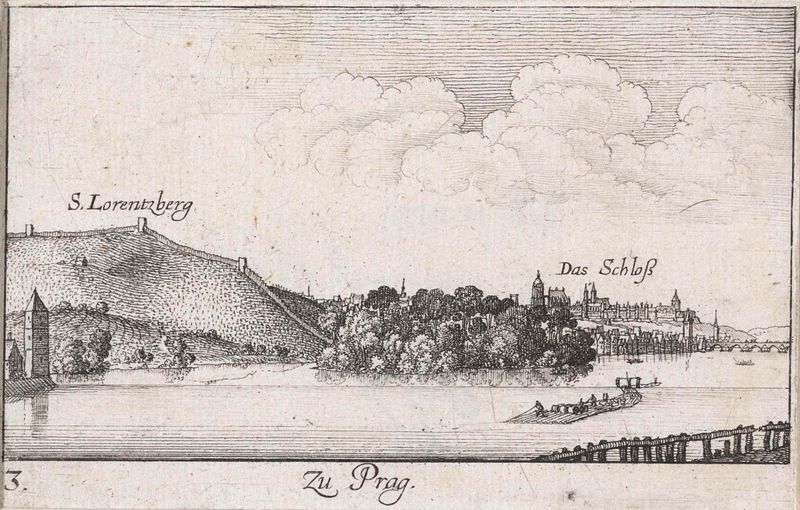
Gezicht op Praag vanaf de Moldau
Wenceslaus Hollar
More Religious Art
Browse all →
The Return of the Prodigal Son
Rembrandt van Rijn

The Garden of Earthly Delights
El Bosco

Count Orgaz’ funeral
El Greco

The Hundred Guilder Print: the central piece with Christ preaching, the plate arched
Rembrandt van Rijn

The Descent from the Cross
Rogier van der Weyden

The return of the prodigal son
Rembrandt van Rijn