
Fairlight Glen near Hastings — History & Facts
When did color learn to lie? In the luminous embrace of spring, nature dons a robe of vibrant hues, signaling rebirth and renewal in every brushstroke. Look to the center, where a brook meanders through the landscape, its silvery surface dancing with reflections of azure sky and lush greenery. Notice how the artist captures the play of light filtering through the trees, illuminating the fresh foliage with a golden warmth that invites the viewer to step into the scene. The palette bursts with life, using varying shades of green and the soft touch of warm pastels, creating an atmosphere that feels both tranquil and exuberant. In the foreground, delicate wildflowers peek through the verdant grass, emblematic of hope and the passage of time.
The juxtaposition of the still water and the lively flora evokes a sense of harmony, while the distant hills, draped in a soft mist, symbolize the endless possibilities that come with each dawn. This interplay of serenity and vitality prompts contemplation on the cycles of life, urging us to reflect on our own moments of rebirth. Created in 1899, this work emerged during a period when Glendening was deeply influenced by the Impressionist movement, which sought to capture the ephemeral qualities of light and color. Living in England, he was part of a broader resurgence of interest in landscape painting, embodying a turning point that celebrated the beauty of the natural world.
As the century drew to a close, he synthesized traditional techniques with a fresh, modern sensibility, forever altering the landscape genre.
More Artworks by Alfred Augustus Glendening
Browse all →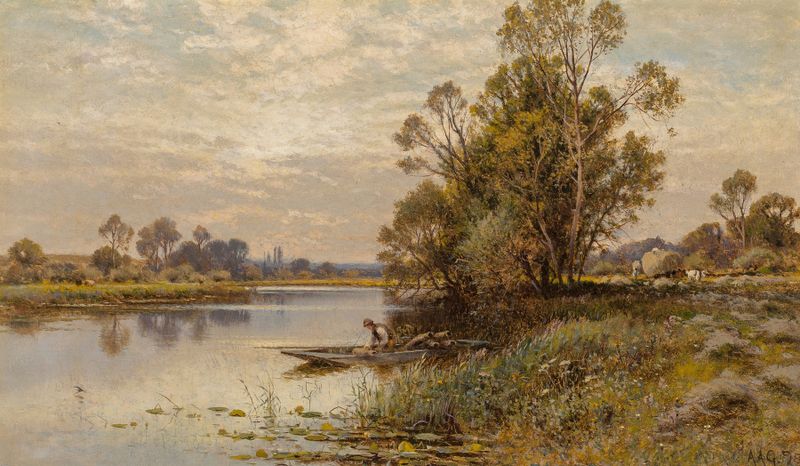
The Thames above Sunbury
Alfred Augustus Glendening

Grasmere, Cumberland
Alfred Augustus Glendening
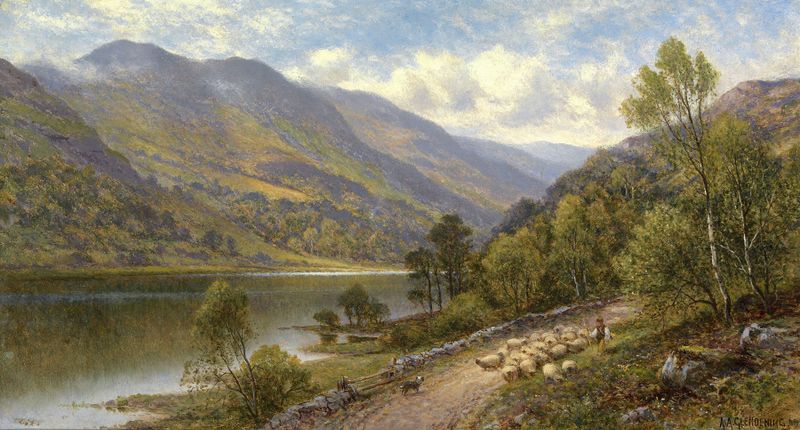
Lyn Gwynant
Alfred Augustus Glendening

On Wilmington Common, Kent
Alfred Augustus Glendening
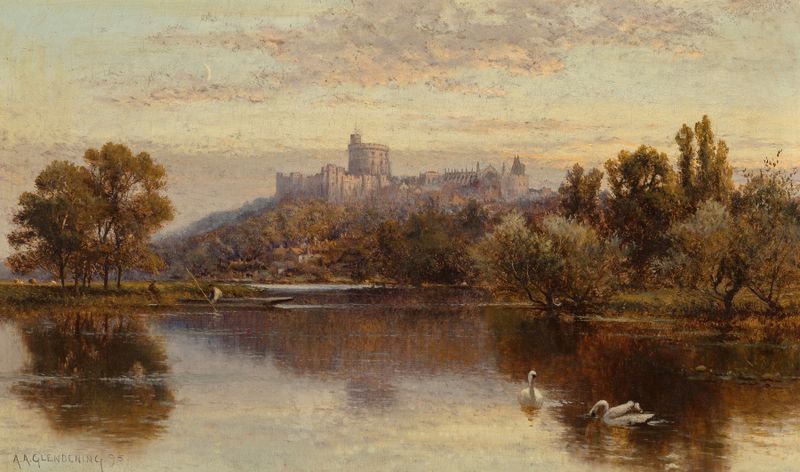
A view of Windsor Castle
Alfred Augustus Glendening

River Scene with Swans
Alfred Augustus Glendening

Hemingford on the Ouse
Alfred Augustus Glendening

Belaugh on the Bure, Norfolk
Alfred Augustus Glendening

Autumn Landscape With Pond And Castle Tower
Alfred Augustus Glendening
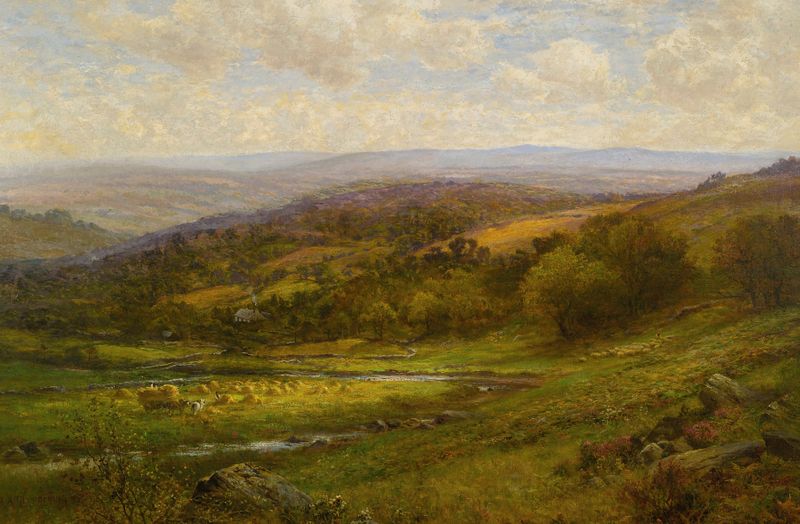
Landscape With Cattle And Haystacks
Alfred Augustus Glendening





