
Fakkeldans — History & Facts
What if beauty was never meant to be finished? In Albrecht Dürer's Fakkeldans, we encounter a moment suspended in time, where the pursuit of perfection dances just beyond our grasp. Look to the center of the composition to see figures swirling together in a captivating embrace, each illuminated by the wavering light of the torches they hold. The play of shadows and highlights reveals the intricate details of their garments, rich in texture and color. The warm glow contrasts beautifully with the cooler tones that flank the edges, suggesting both vibrancy and an air of mystery.
Notice how the gestures of the dancers convey a symbiotic energy, creating a rhythm that pulses from the canvas. Dürer masterfully balances tension and harmony in this work. The dancers, caught in a moment of exuberance, embody the struggle between the ephemeral nature of beauty and the desire for permanence. The flames symbolize enlightenment, yet their flickering nature reminds us of life's transience.
Each figure, though distinct, contributes to a unified whole, hinting at a deeper collective experience that transcends individuality, reflecting human connection and the cosmos' eternal dance. Created between 1517 and 1518, Fakkeldans emerged during a pivotal period in Dürer's career as he explored themes of beauty, order, and spirituality. Residing in Nuremberg, he was deeply influenced by the Renaissance’s emphasis on humanism and naturalism, while also navigating the tumultuous shifts of the Protestant Reformation. This painting encapsulates a moment of artistic growth, as Dürer sought to convey not just visual beauty, but a profound sense of transcendence in the human experience.
More Artworks by Albrecht Dürer
Browse all →
Melancholia
Albrecht Dürer
Melancholie
Albrecht Dürer

Neushoorn
Albrecht Dürer
Knight, Death, and the Devil
Albrecht Dürer

De vier ruiters van de apocalyps
Albrecht Dürer

De vier ruiters van de apocalyps
Albrecht Dürer
De Heilige Hiëronymus in zijn studeervertrek
Albrecht Dürer
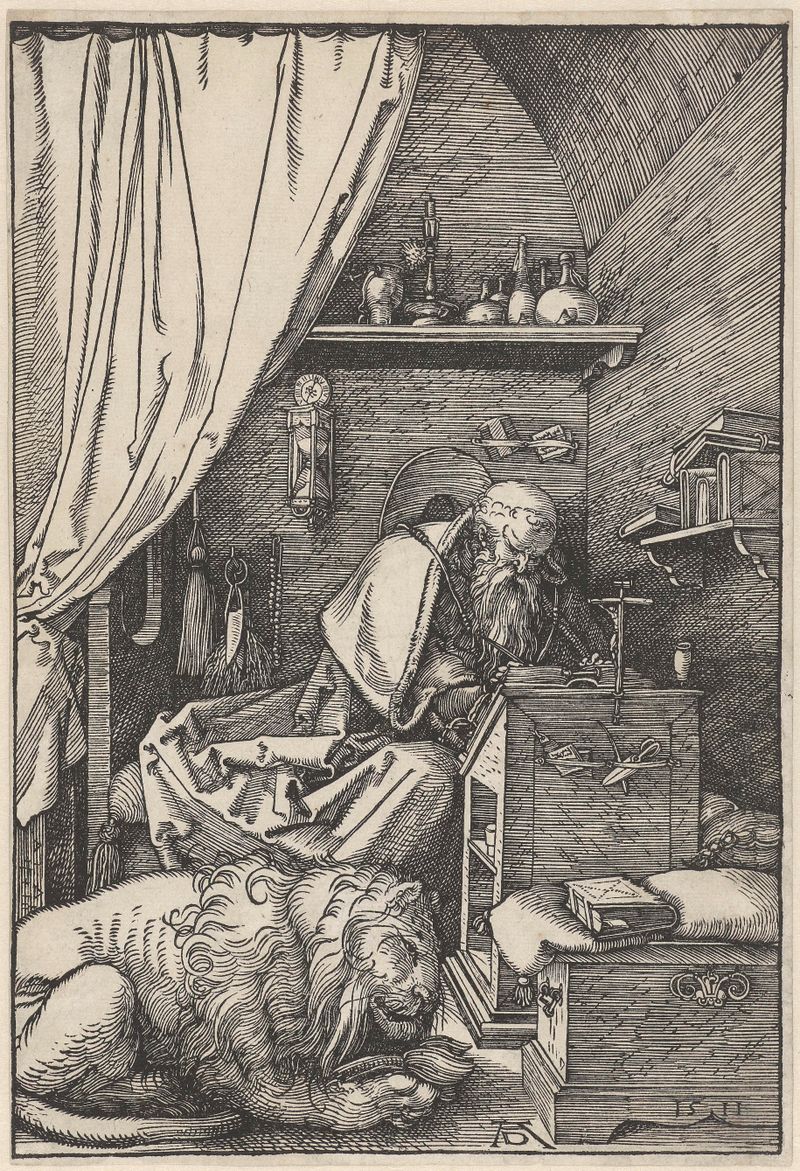
De Heilige Hiëronymus in zijn studeervertrek
Albrecht Dürer
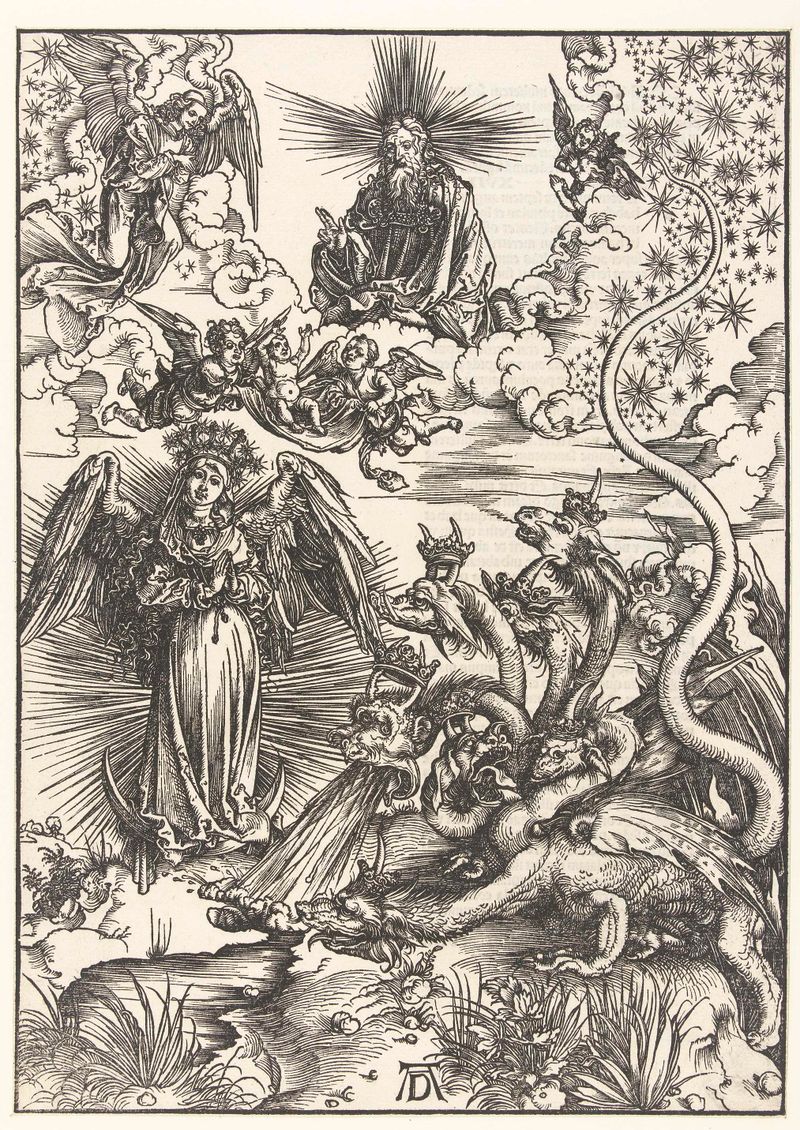
De apocalyptische vrouw en de zevenkoppige draak
Albrecht Dürer
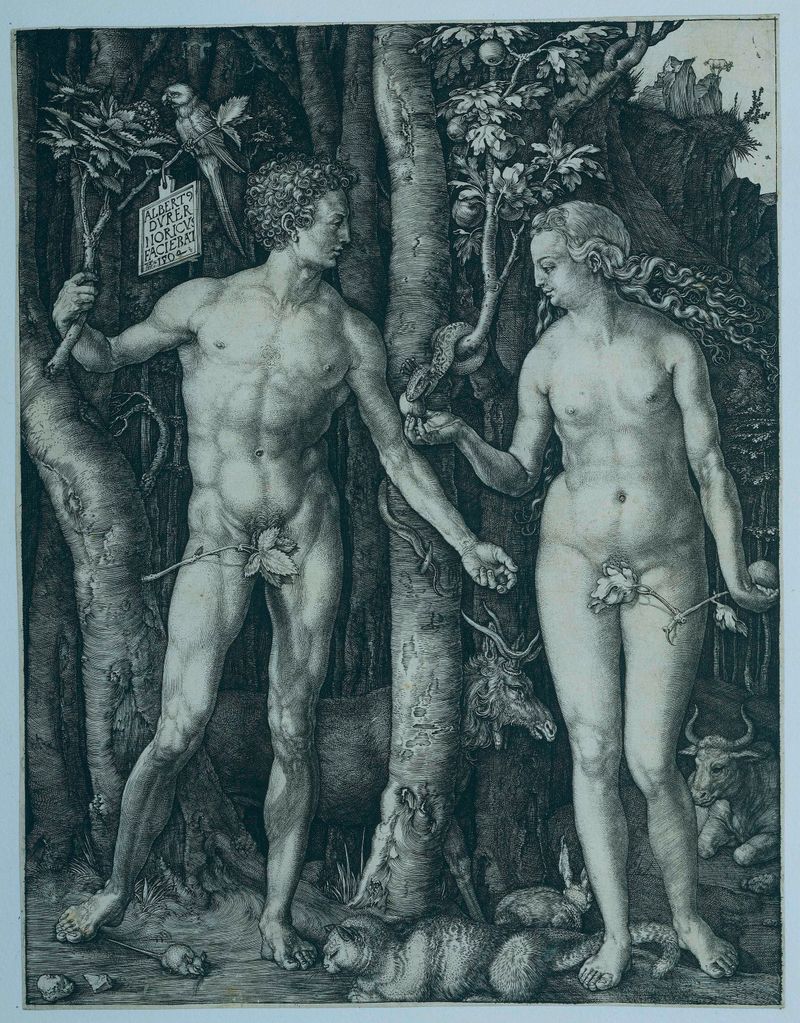
Adam en Eva
Albrecht Dürer




