Falaises de Port Haor. Morgat — History & Facts
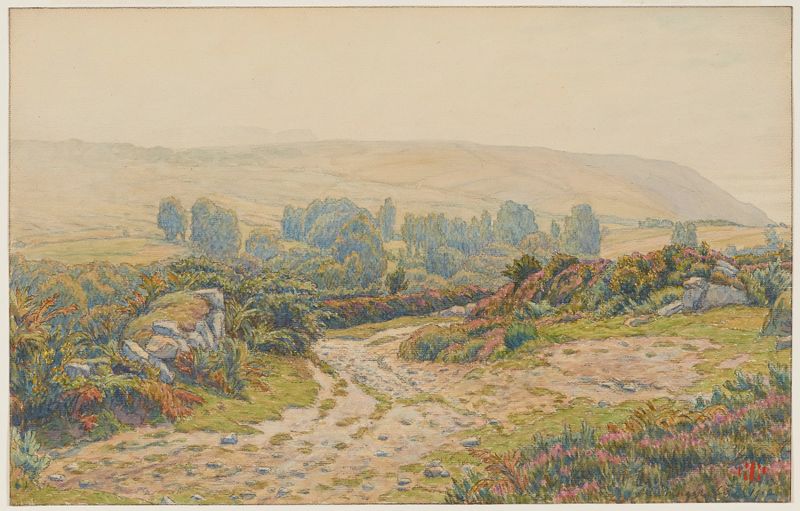
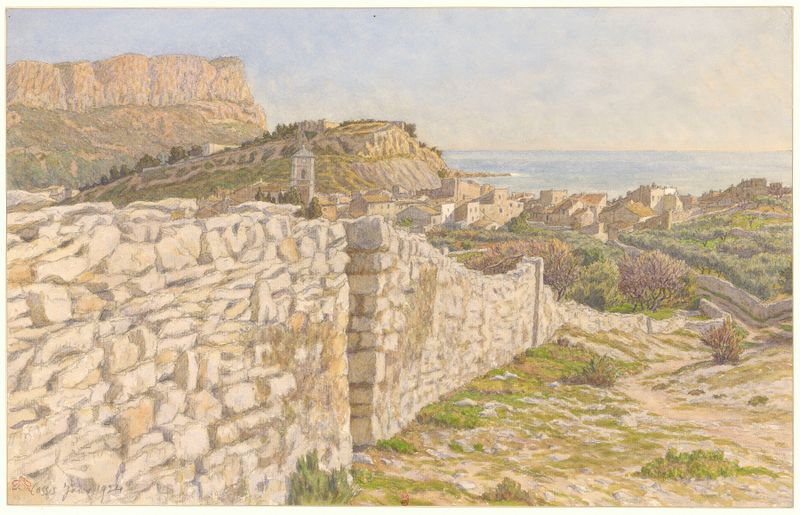
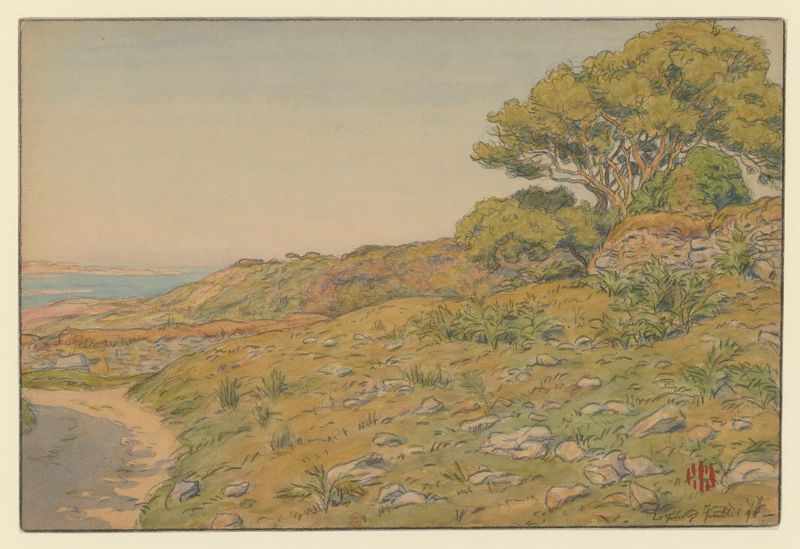
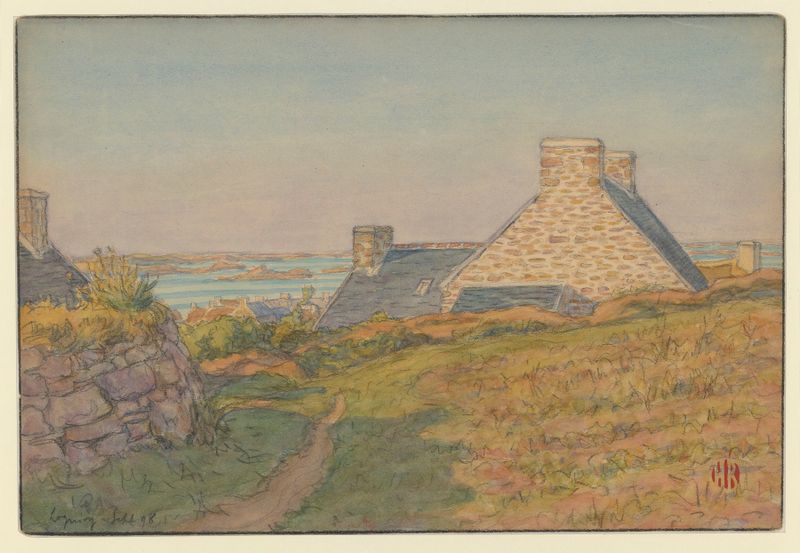
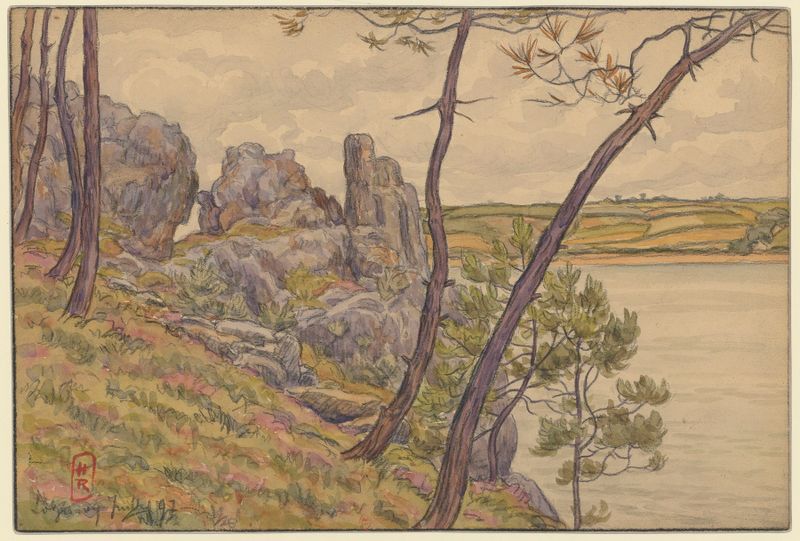
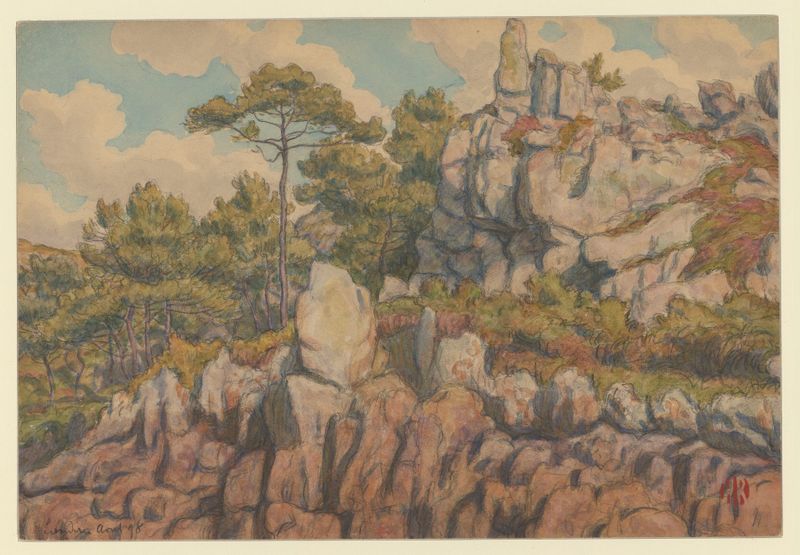
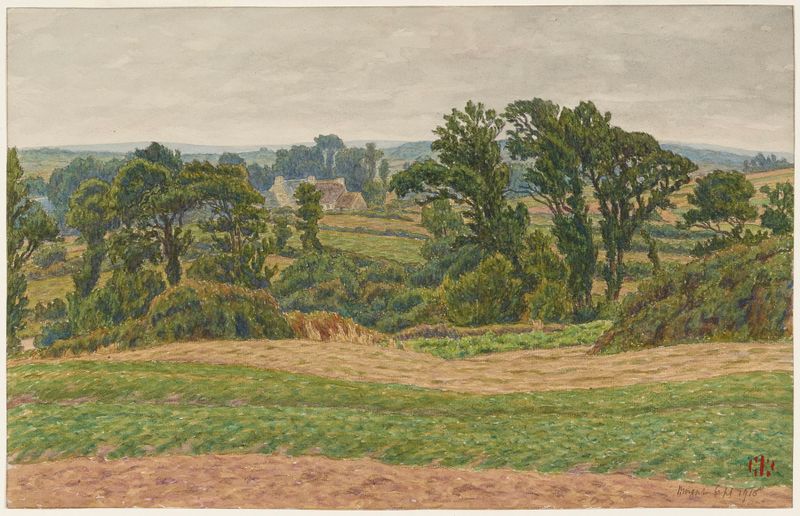
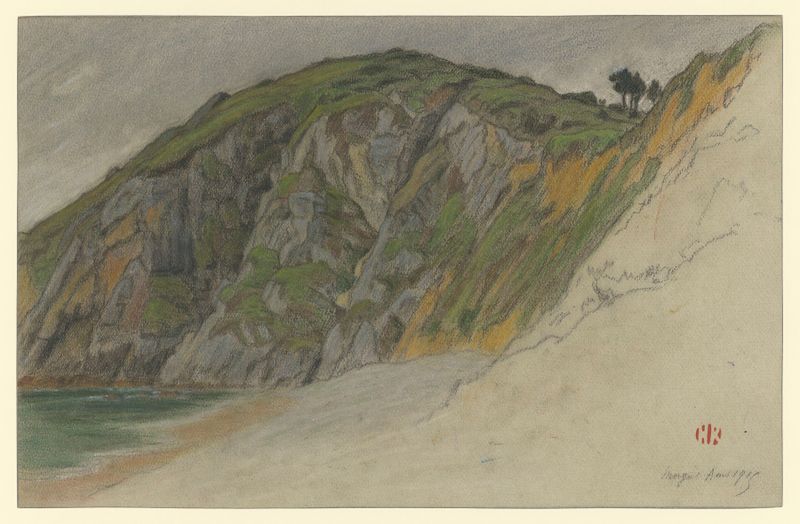
Could beauty survive in a century of chaos? This question lingers in the soul when encountering the breathtaking landscape captured in this work. The cliffs rise majestically, a sublime testament to nature's majesty, suggesting both awe and fragility in the face of relentless change. Look to the horizon where the sun dips low, casting a golden hue across the rugged cliffs and the gentle waves below. Notice how the interplay of light and shadow crafts a sense of depth, every crevice of the rock face almost breathing with life.
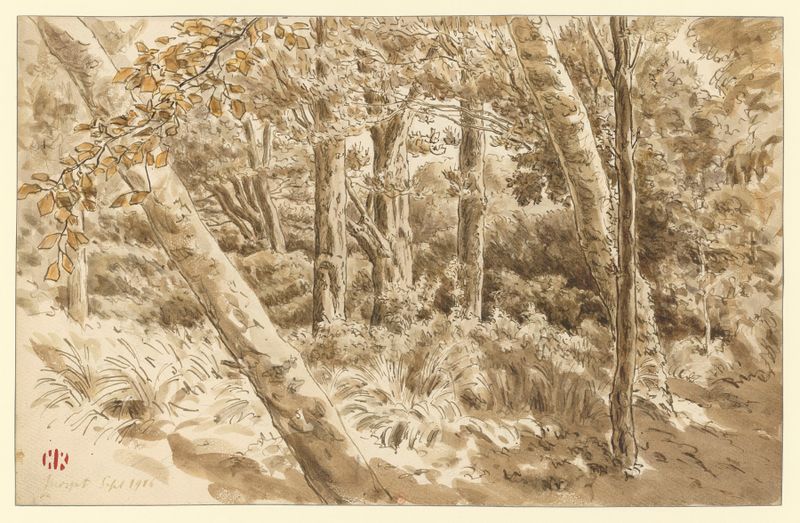
The palette, dominated by earthy ochres and vibrant blues, invites the viewer on a journey through the textured terrain, while soft brushstrokes evoke movement within the tranquil sea, creating a harmonious balance between stability and fluidity. Hidden beneath the surface of this serene vista lies a tension between permanence and transience. The cliffs, standing resolute, embody the strength of nature, yet the undulating sea hints at an ever-shifting landscape, reminding us of time's passage. This duality reflects humanity's struggle against the chaos of existence, where beauty flourishes even amidst uncertainty—a fleeting glimpse into a world that may not last. In 1905, Henri Rivière was deeply engaged in his exploration of landscapes that combined impressionistic techniques with a focus on natural beauty.
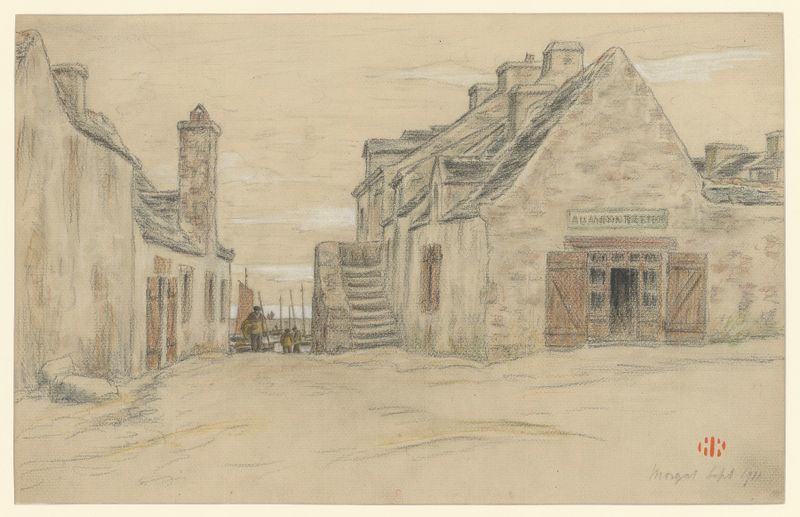
Painted in Morgat, a coastal region in Brittany, this work emerges during a period marked by the rise of modern art, when artists were increasingly drawn to the expressive potential of color and light as a means of transcending traditional representations. Rivière's keen observation of the world around him resonated with his contemporaries, capturing not only the essence of the scene but also the spirit of a rapidly changing era.