
Fallen Centuries — History & Facts
Where does light end, and longing begin? In Fallen Centuries, a poignant reflection on mortality, the delicate interplay of bright and shadowy hues invites a deep contemplation of life’s transience. Focus first on the ethereal glow that spills across the canvas, illuminating the fragmented remnants of time. The artist employs a soft palette of muted earth tones, juxtaposed against luminous highlights that suggest both decay and beauty. Notice how the gentle brushstrokes create an almost tactile quality, guiding your eye from the central figure to the haunting silhouettes of the past, evoking a sense of nostalgia tinged with sorrow. The contrasts within the piece reveal layers of meaning; the fading light symbolizes the inevitability of decline, while the vibrant remnants of color suggest the persistence of memory.
Each element resonates with the viewer’s own experiences of loss and longing, inviting a collective introspection. Here, the passing of centuries is not merely observed—it is felt, echoing the silent lament of what once was. In 1919, when this work was created, Haskell found himself navigating a world forever altered by the First World War. Artists sought new ways to express the unfathomable grief and complexity of human experience.
Within this tumultuous context, Fallen Centuries serves as a poignant reminder of the fragility of existence and the enduring power of memory that threads through the fabric of time.
More Artworks by Ernest Haskell
Browse all →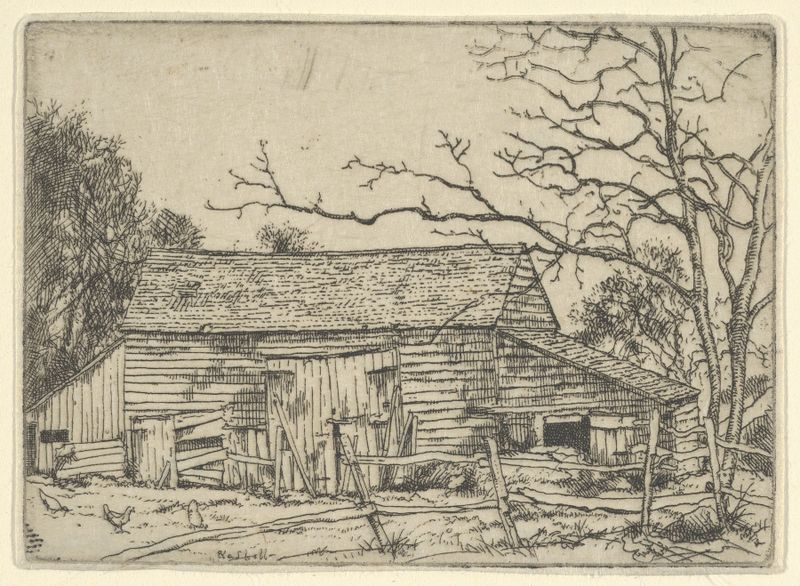
The Barn–Staten Island, N.Y.
Ernest Haskell

Four Live Oaks
Ernest Haskell
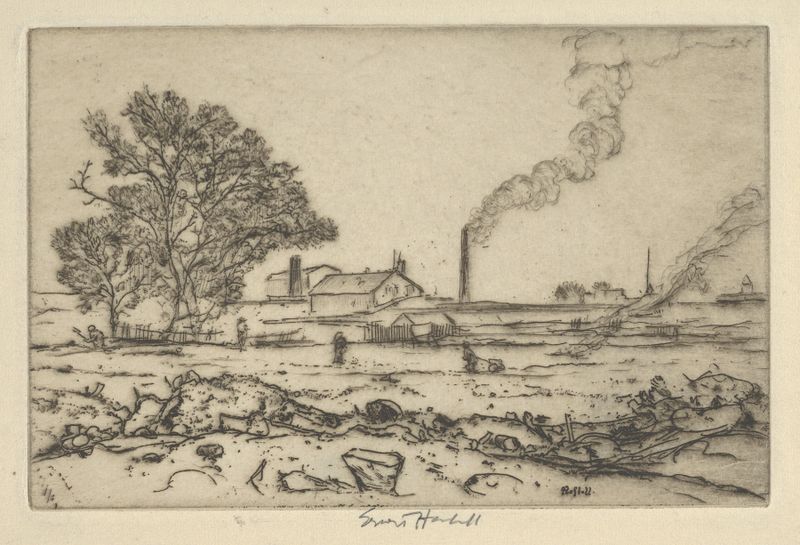
Outskirts of Boston
Ernest Haskell
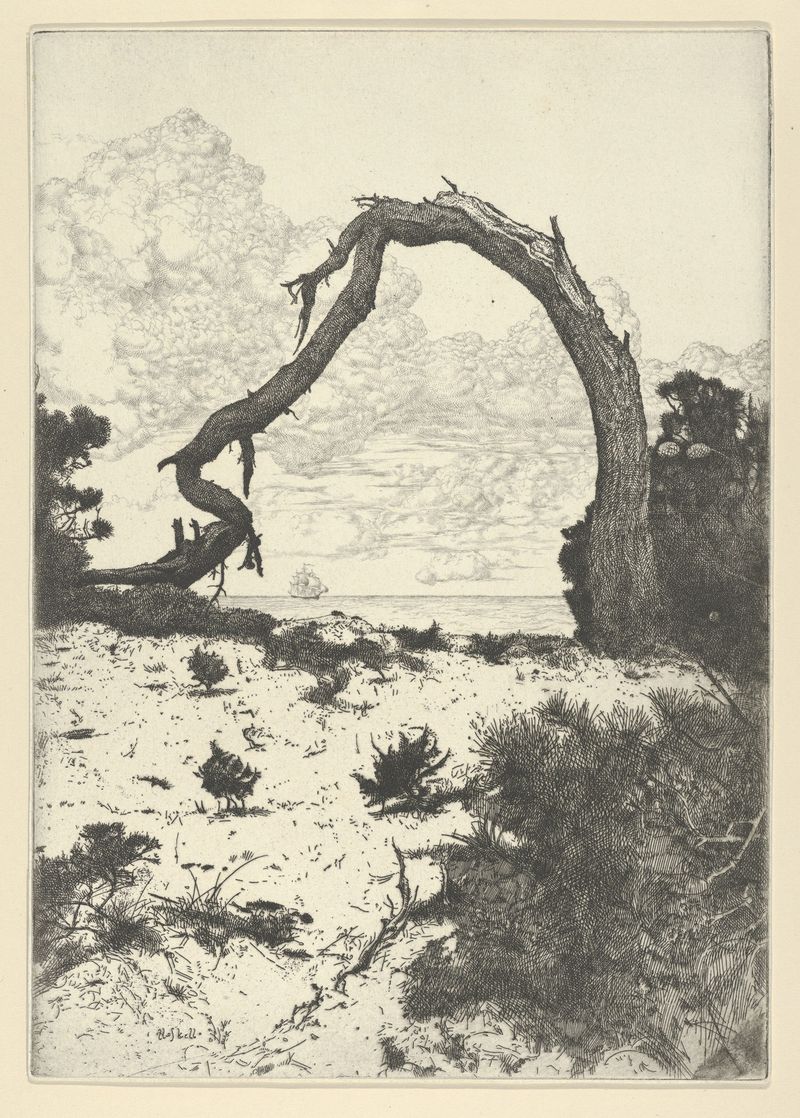
Pine Arch
Ernest Haskell

General Sherman
Ernest Haskell
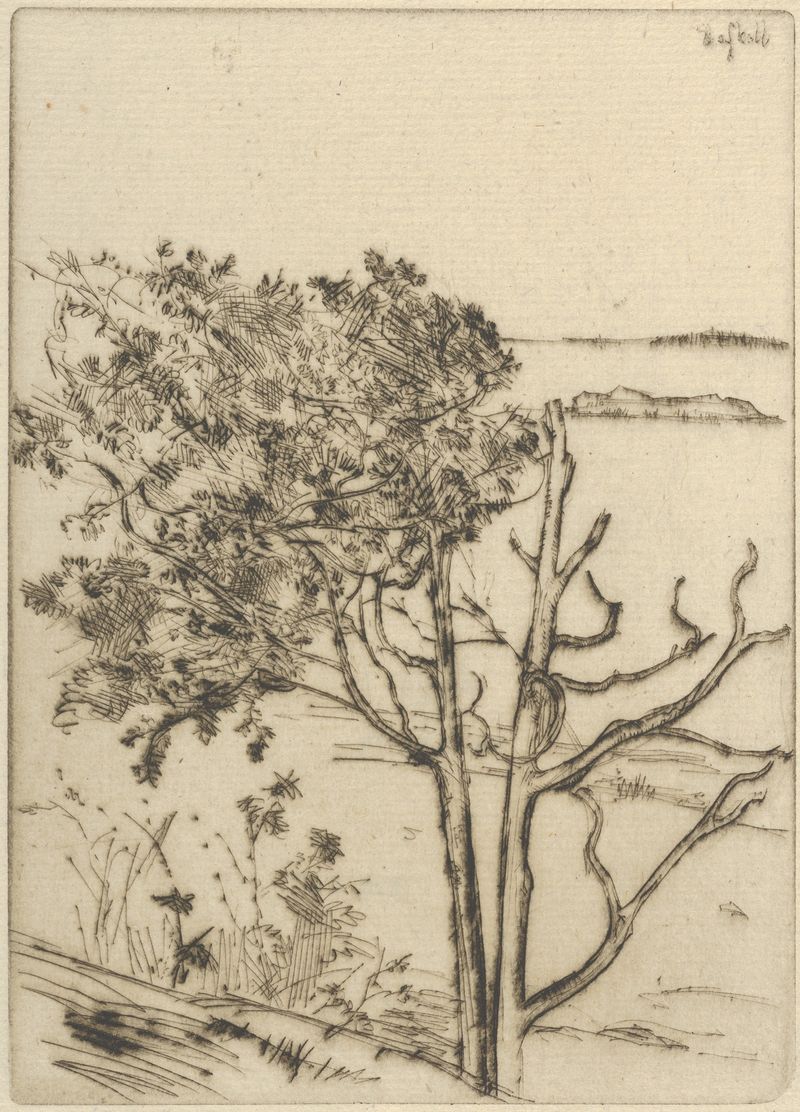
Ragged Tree – Maine
Ernest Haskell

Tide Mill
Ernest Haskell

Ship Building
Ernest Haskell
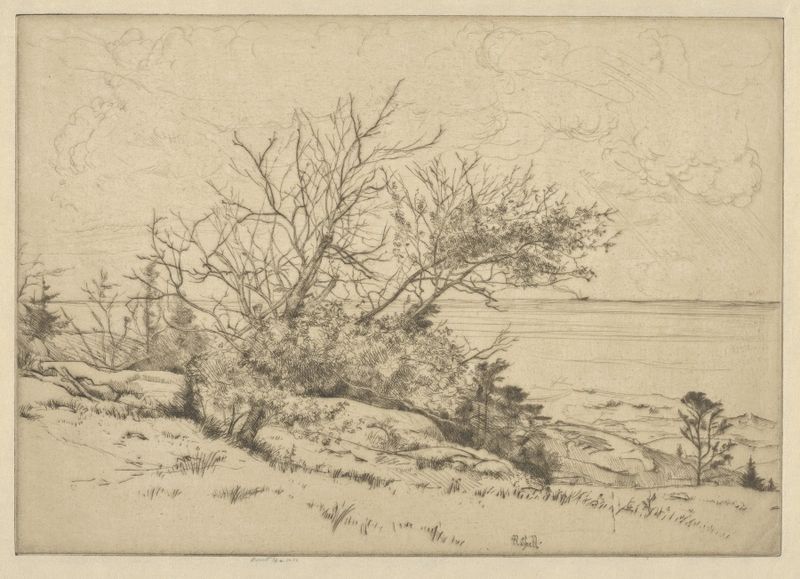
To the Southward – Ragged Island, Me.
Ernest Haskell
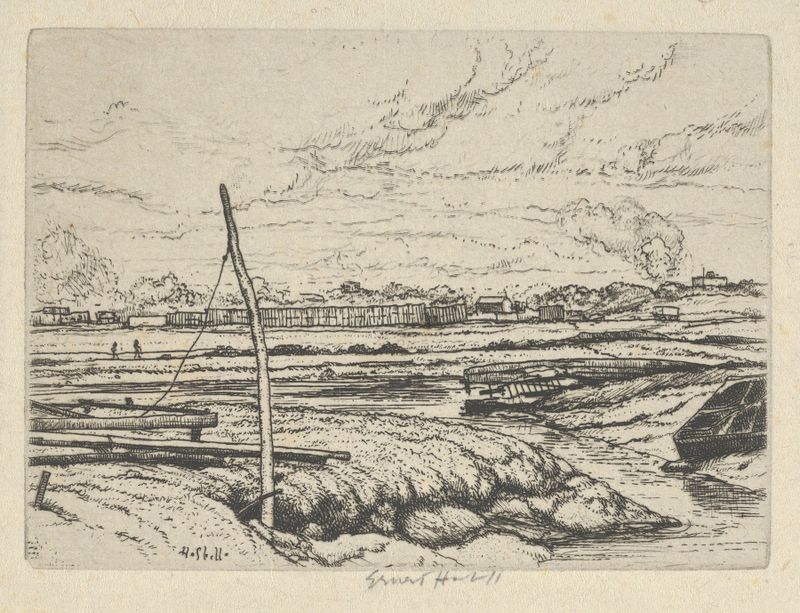
Long Island Marshes
Ernest Haskell





