
Fan Tree — History & Facts
When did color learn to lie? In Fan Tree, hues whisper secrets of fragility, bending reality as if to remind us that perception can be deceiving. Focus on the vibrant greens and browns at the center of the canvas, where life seems to pulse with an almost electric energy. Notice how the brushstrokes intertwine, creating a delicate balance between chaos and order. The sweeping forms of the tree draw your eye, while dappled light filters through the leaves, casting playful shadows that flit across the surface.
This interplay of color and texture invites a sense of movement that feels both natural and surreal. Yet, beneath the surface vibrancy lies a poignant contrast. The overlapping forms suggest a struggle, as if the tree is trying to embody both strength and vulnerability. The way the colors bleed into one another hints at transience—a reminder that beauty is often ephemeral.
The seemingly idyllic scene carries an undercurrent of sadness, a whisper of fragility that compels the observer to ponder the impermanence of life itself. In 1920, at a time when modernism was reshaping the landscape of art, Haskell stood at the crossroads of innovation and tradition. Working in a small studio in New York, he was influenced by the burgeoning movements around him, channeling his experiences into works that celebrated nature while simultaneously questioning its permanence. His exploration of color and form in Fan Tree reflects not only his evolving style but also the complex relationship humanity has with the natural world.
More Artworks by Ernest Haskell
Browse all →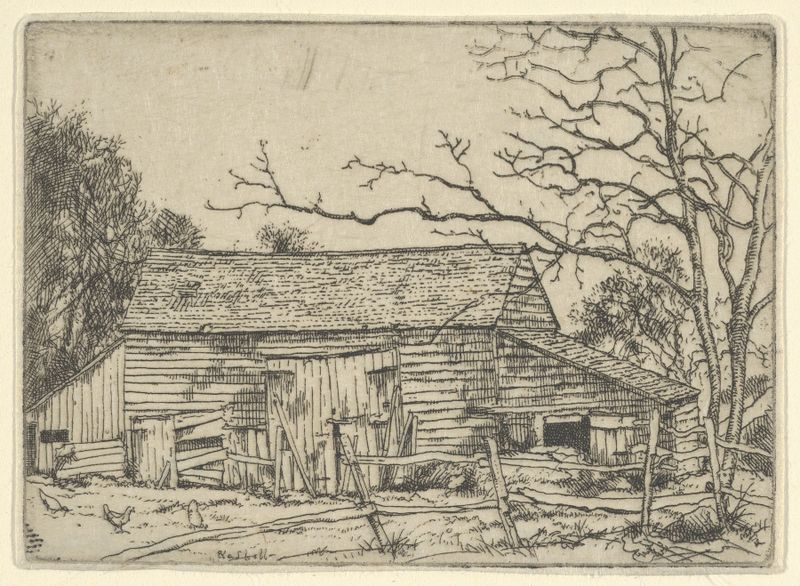
The Barn–Staten Island, N.Y.
Ernest Haskell

Four Live Oaks
Ernest Haskell
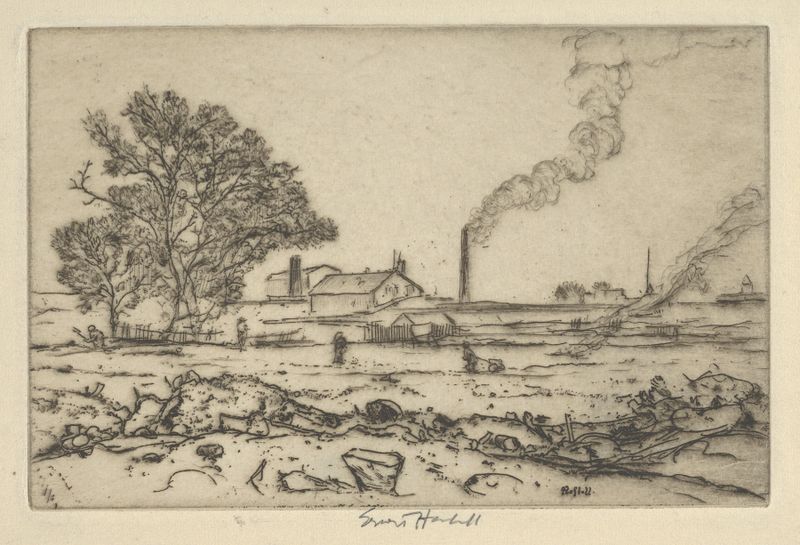
Outskirts of Boston
Ernest Haskell
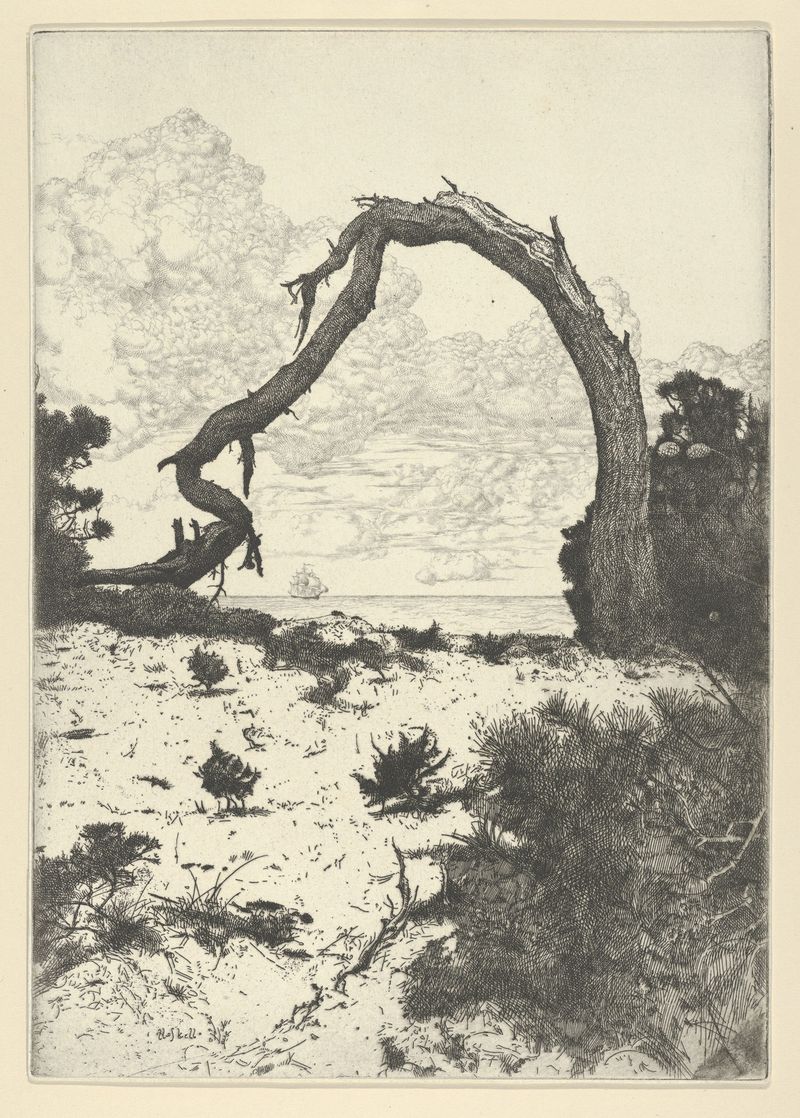
Pine Arch
Ernest Haskell

General Sherman
Ernest Haskell
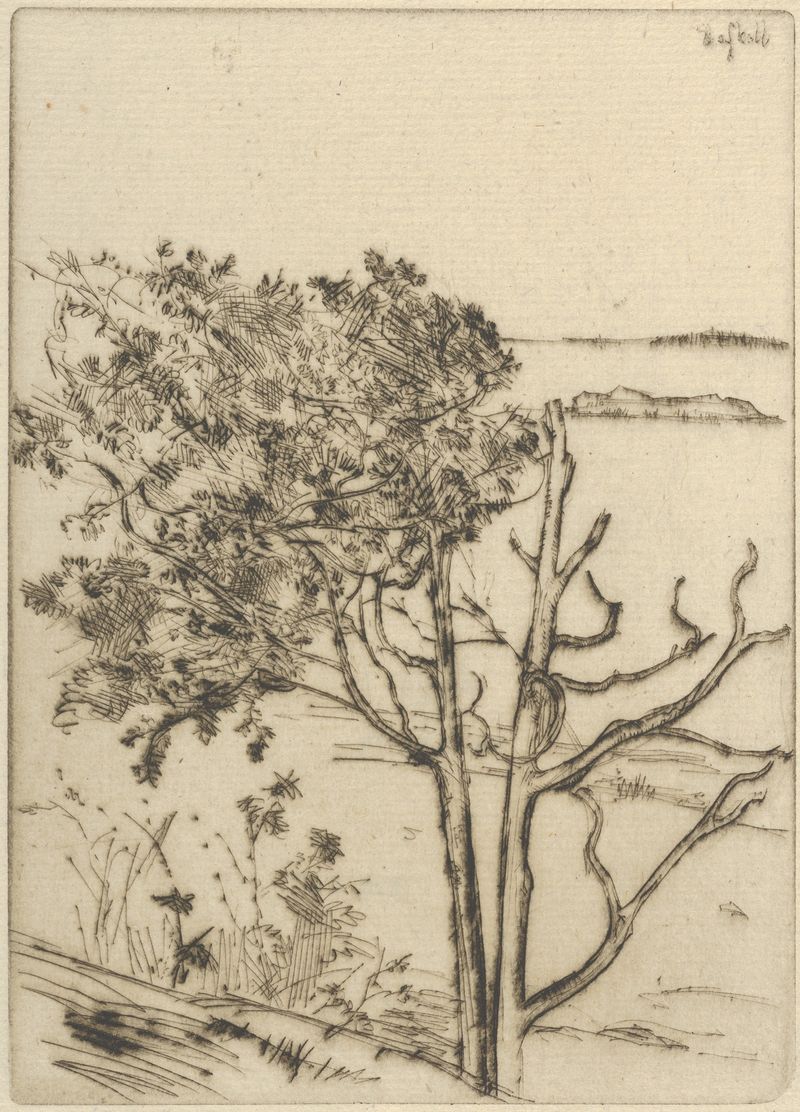
Ragged Tree – Maine
Ernest Haskell

Tide Mill
Ernest Haskell

Ship Building
Ernest Haskell
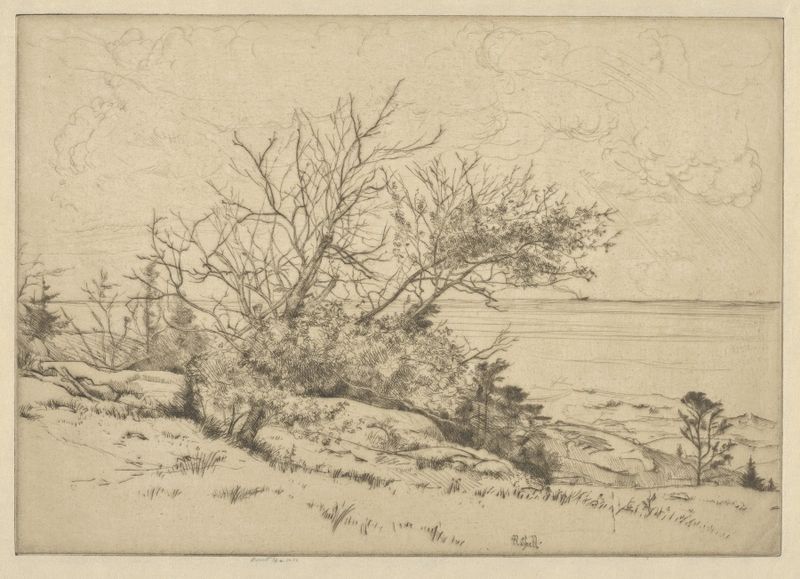
To the Southward – Ragged Island, Me.
Ernest Haskell
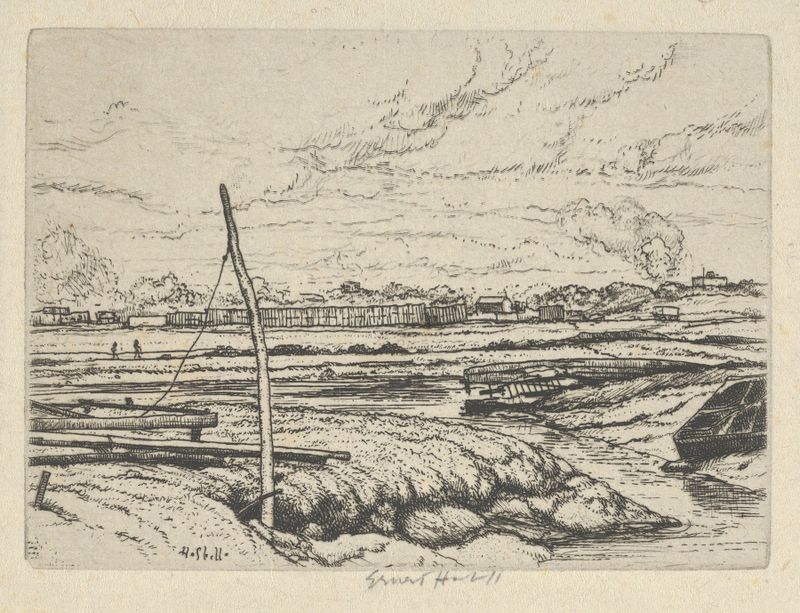
Long Island Marshes
Ernest Haskell





