
Fan Tree and Her Canyon — History & Facts
What secret hides in the quiet of the canvas? In a world often overshadowed by chaos, Fan Tree and Her Canyon beckons us to explore the depths of innocence and nature’s serene embrace. Look to the center, where ancient trees rise majestically against the undulating layers of canyons, their forms a tribute to both strength and fragility. Notice how the subtle hues of green and brown blend seamlessly, creating a sense of harmony that calms the eye. The artist’s brushwork invites you to trace the intricate textures of bark and stone, while soft washes of light dance across the scene, evoking a sense of timelessness. Beneath this tranquil surface lies a tension between the vitality of nature and the inevitable erosion of time.
The towering trees symbolize resilience, standing guard over the canyon’s depths, while the quiet space between them suggests a world that has witnessed both joy and sorrow. Each element whispers stories of innocence lost and found, urging viewers to reflect on their own connection to the natural world. During the years from 1915 to 1925, when this work was created, Haskell was immersed in a flourishing American art scene, strongly influenced by the shift toward modernism. The tumult of World War I, coupled with a growing appreciation for landscapes, inspired many artists to seek beauty and solace in nature.
At this time, Haskell was exploring the unique interplay of light and form, capturing the essence of the American spirit through his vivid interpretations of the landscapes that surrounded him.
More Artworks by Ernest Haskell
Browse all →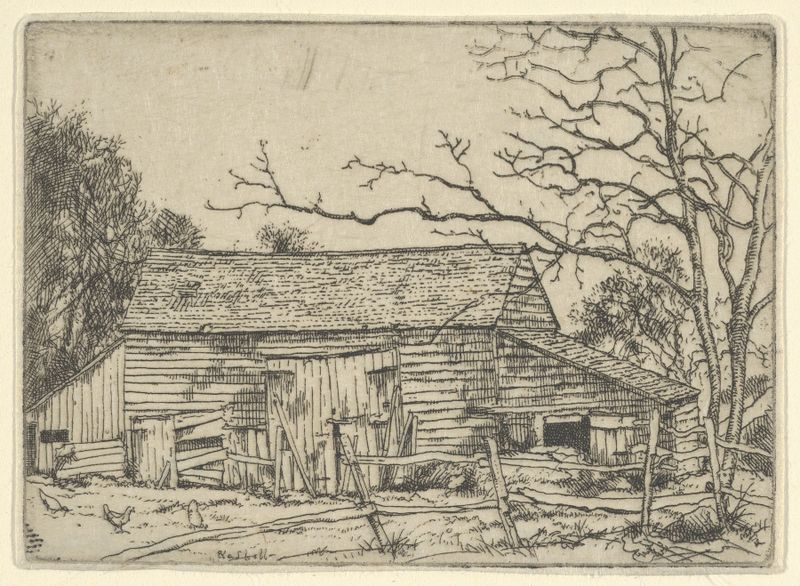
The Barn–Staten Island, N.Y.
Ernest Haskell

Four Live Oaks
Ernest Haskell
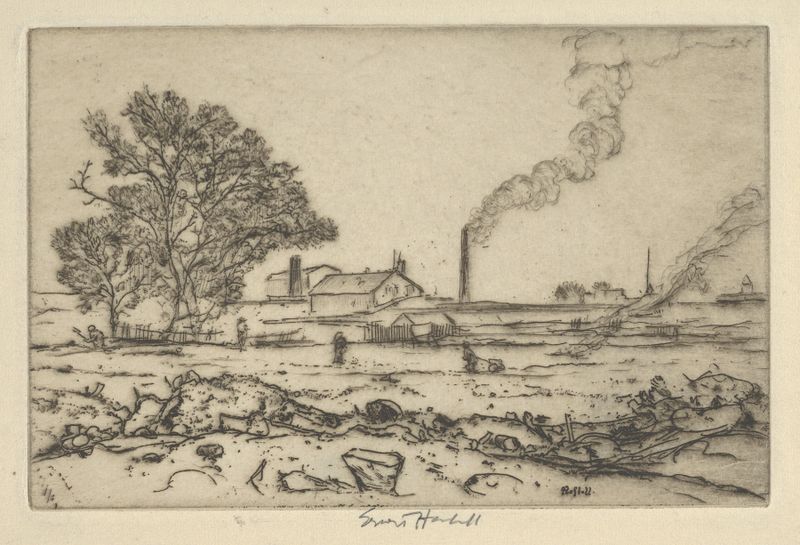
Outskirts of Boston
Ernest Haskell
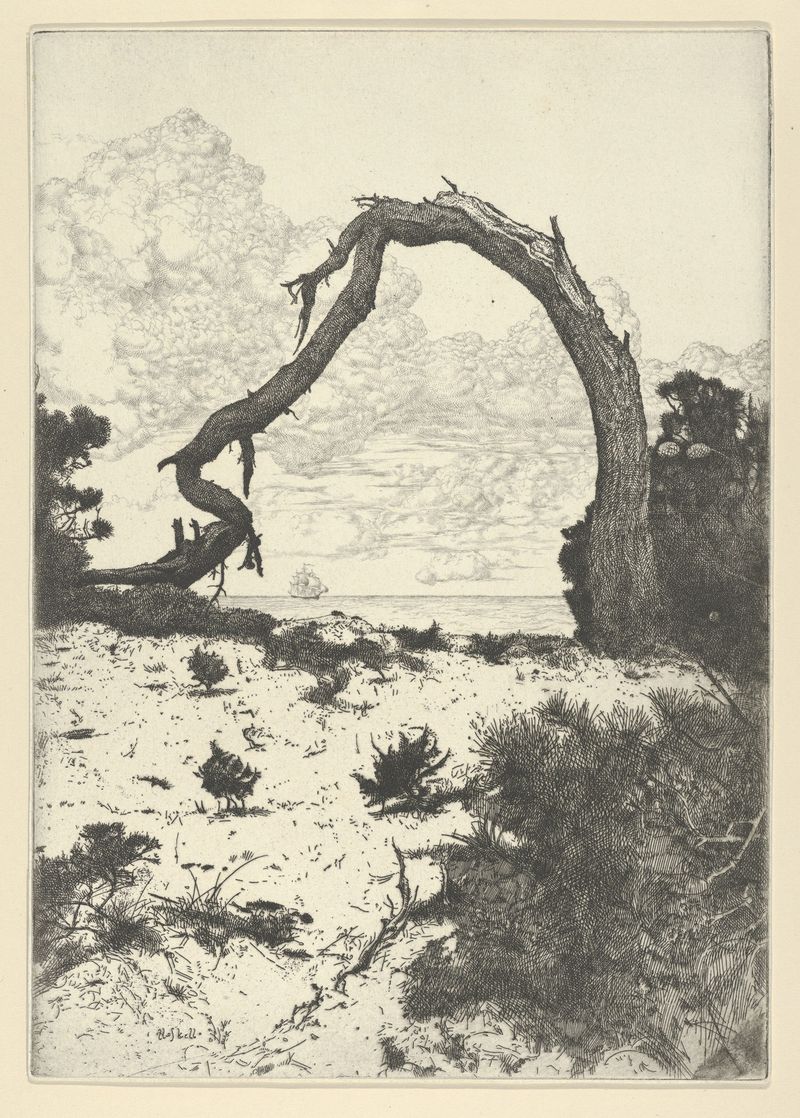
Pine Arch
Ernest Haskell

General Sherman
Ernest Haskell
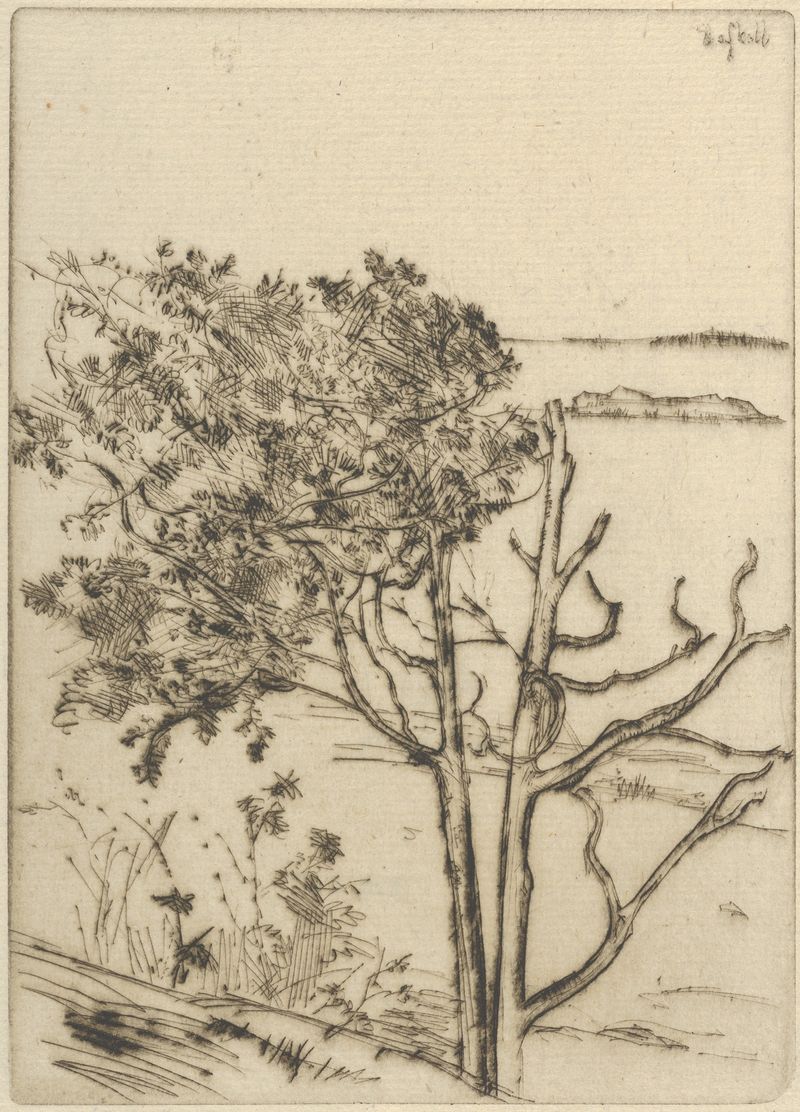
Ragged Tree – Maine
Ernest Haskell

Tide Mill
Ernest Haskell

Ship Building
Ernest Haskell
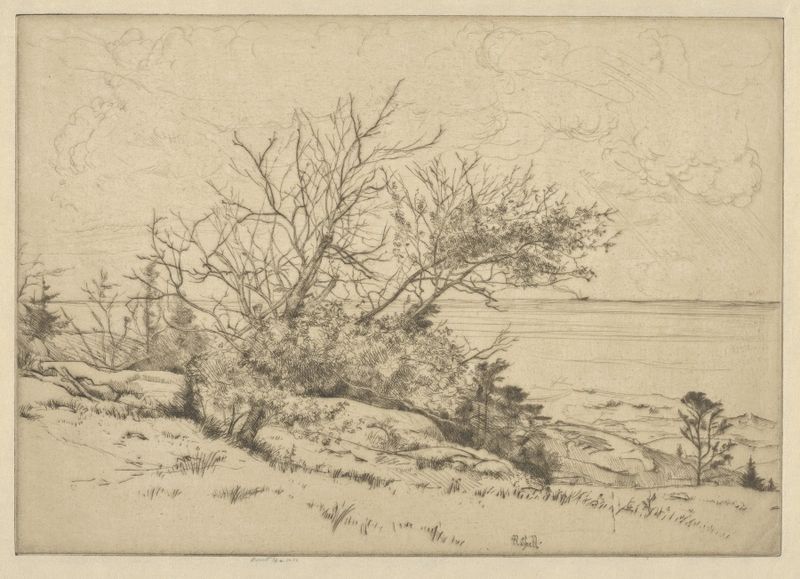
To the Southward – Ragged Island, Me.
Ernest Haskell
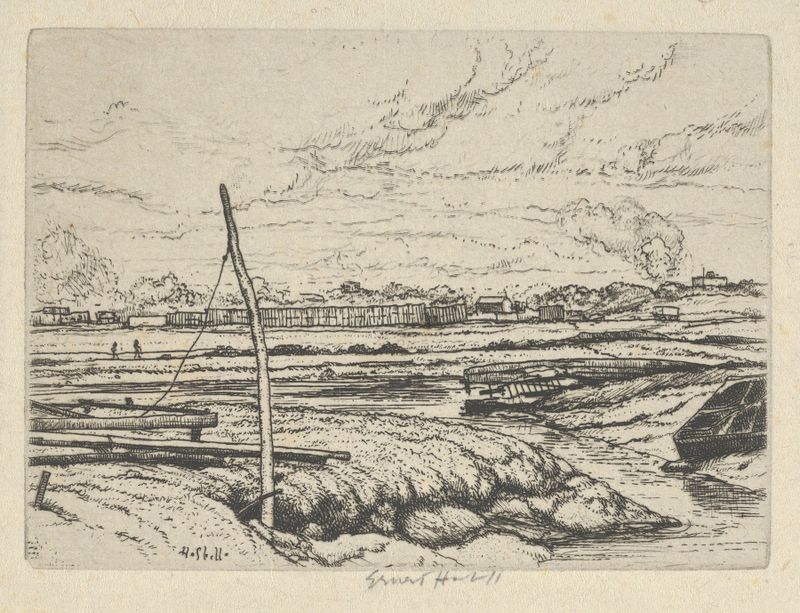
Long Island Marshes
Ernest Haskell





