
Fantastic Landscape with Figures — History & Facts
When did color learn to lie? The vibrancy of a landscape can conceal a world of sorrow, inviting the viewer into a deceptive paradise that masks unspoken grief beneath its hues. Look to the bottom left, where figures in delicate poses dance among verdant hills and luminous skies. The artist employs a rich palette of greens and blues that contrasts sharply with the somber undertones of the figures’ expressions, creating a vibrant yet haunting atmosphere. Notice how the brushwork varies—smooth swathes of color in the background give way to rougher textures that define the figures, hinting at the weight of their unacknowledged emotions. Beneath the shimmering surface lies a poignant commentary on human experience.
The figures, perhaps lost in their own thoughts, stand juxtaposed against the idyllic scenery, suggesting a disconnection between external beauty and internal turmoil. This tension evokes a universal feeling of isolation, as if the landscape itself is a deceitful mask for the anguish that clouds human hearts. The almost spectral quality of the light adds to this dichotomy, illuminating the scene while casting shadows of melancholy. Created in the late 16th century, the origins of this work remain shrouded in mystery due to its unknown artist.
During this time, Europe was grappling with the complexities of the Reformation and the evolving role of art. The artist likely sought to navigate the tumultuous waters of societal change, exploring themes of emotion and existence that resonated deeply against a backdrop of uncertainty. In a world rich with color yet marred by conflict, this work stands as a testament to the duality of beauty and grief.
More Artworks by Unknown Artist
Browse all →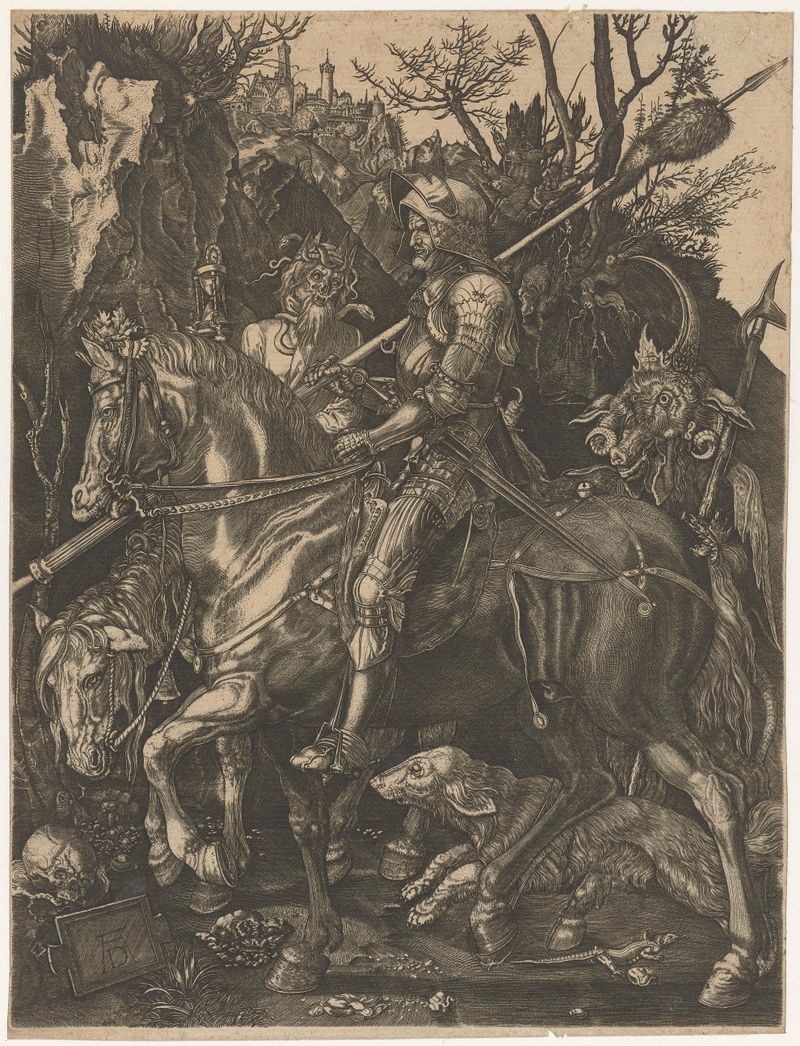
Ridder, Dood en Duivel
Unknown Artist
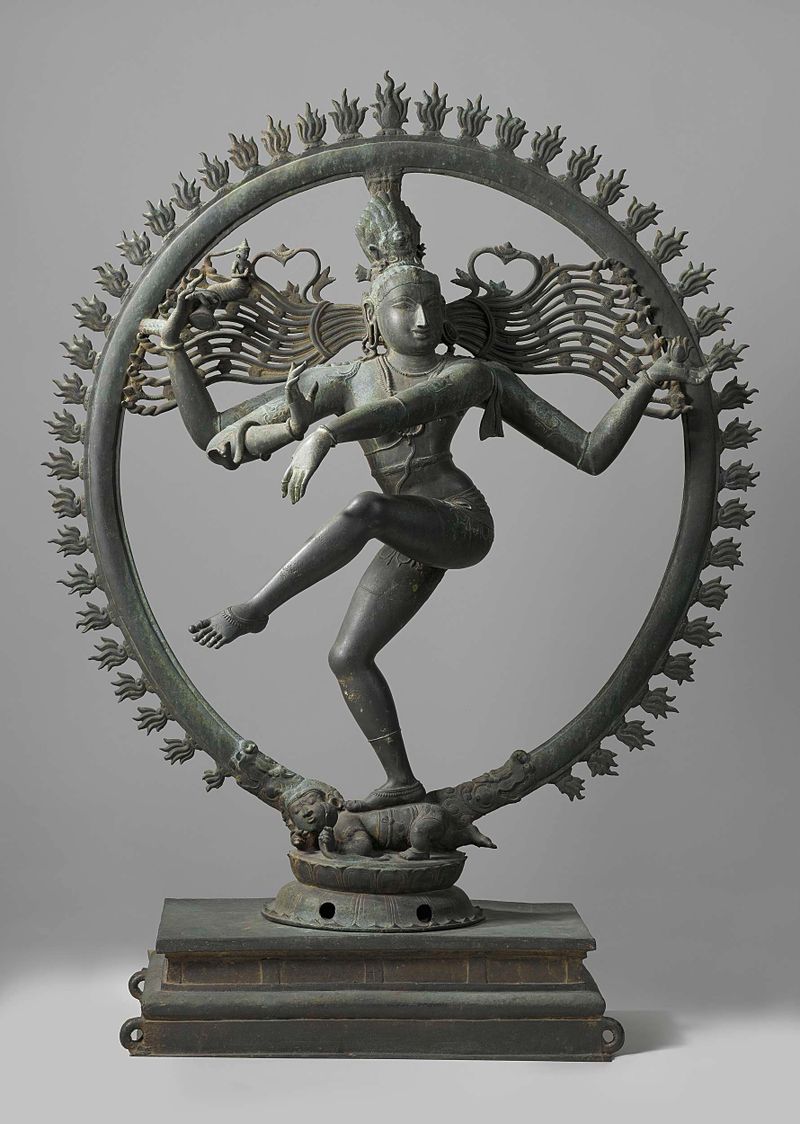
Shiva Nataraja
Unknown Artist
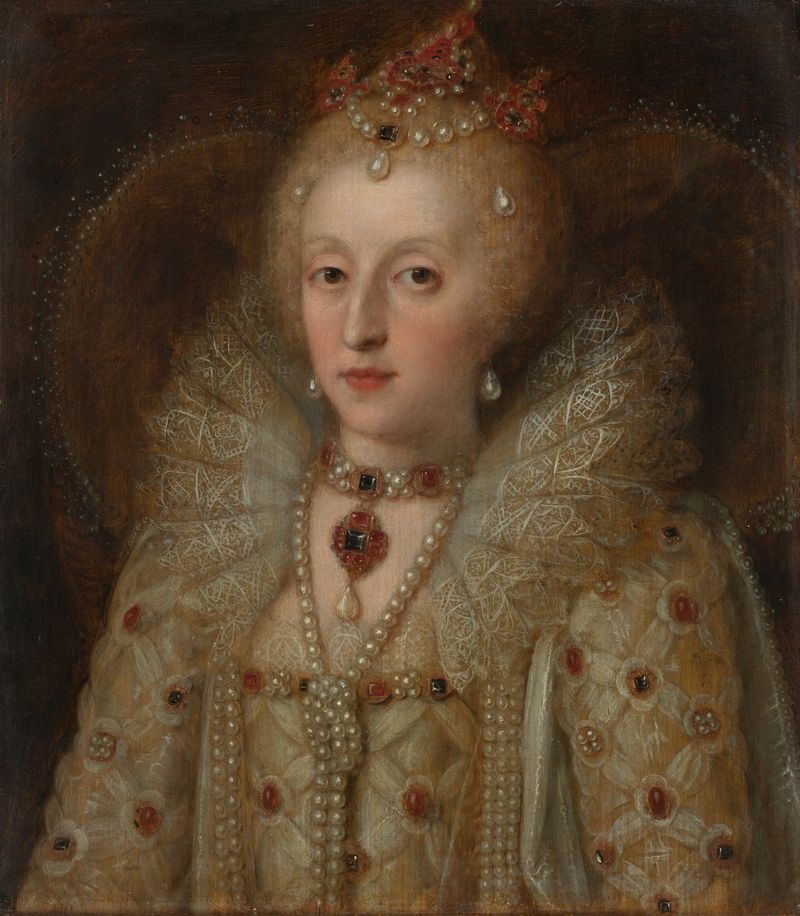
Portrait of Elizabeth I, Queen of England
Unknown Artist
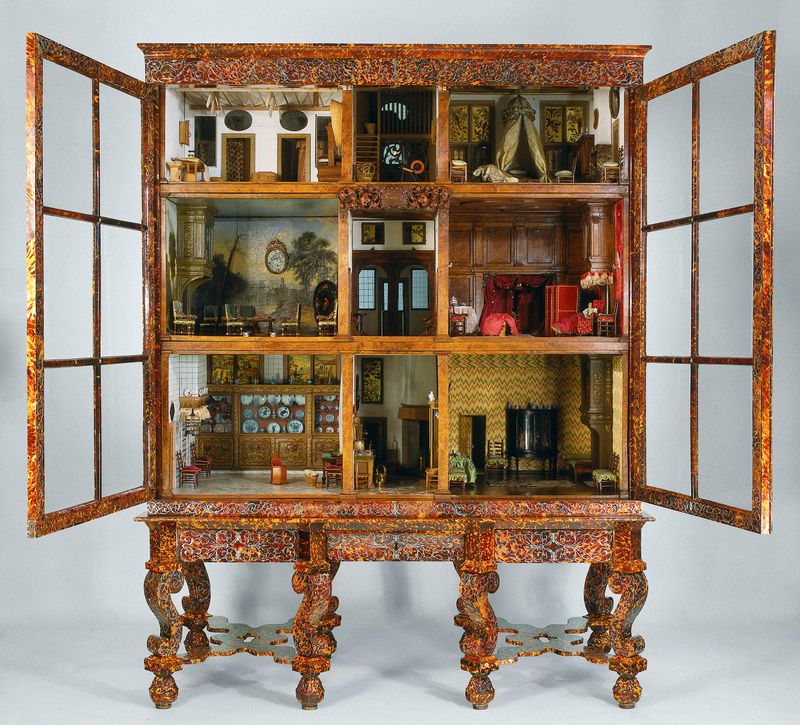
Dolls’ house of Petronella Oortman
Unknown Artist
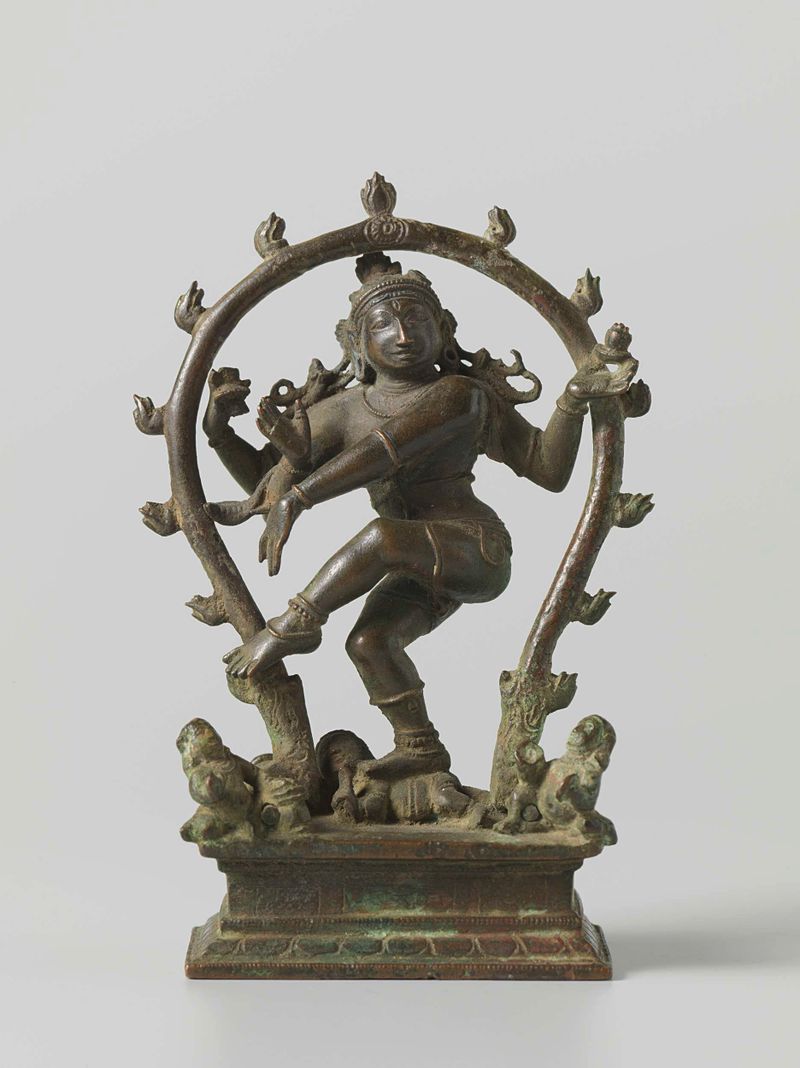
Shiva Nataraja
Unknown Artist

The Tale of Genji
Unknown Artist

The Tale of Genji
Unknown Artist

Cong
Unknown Artist
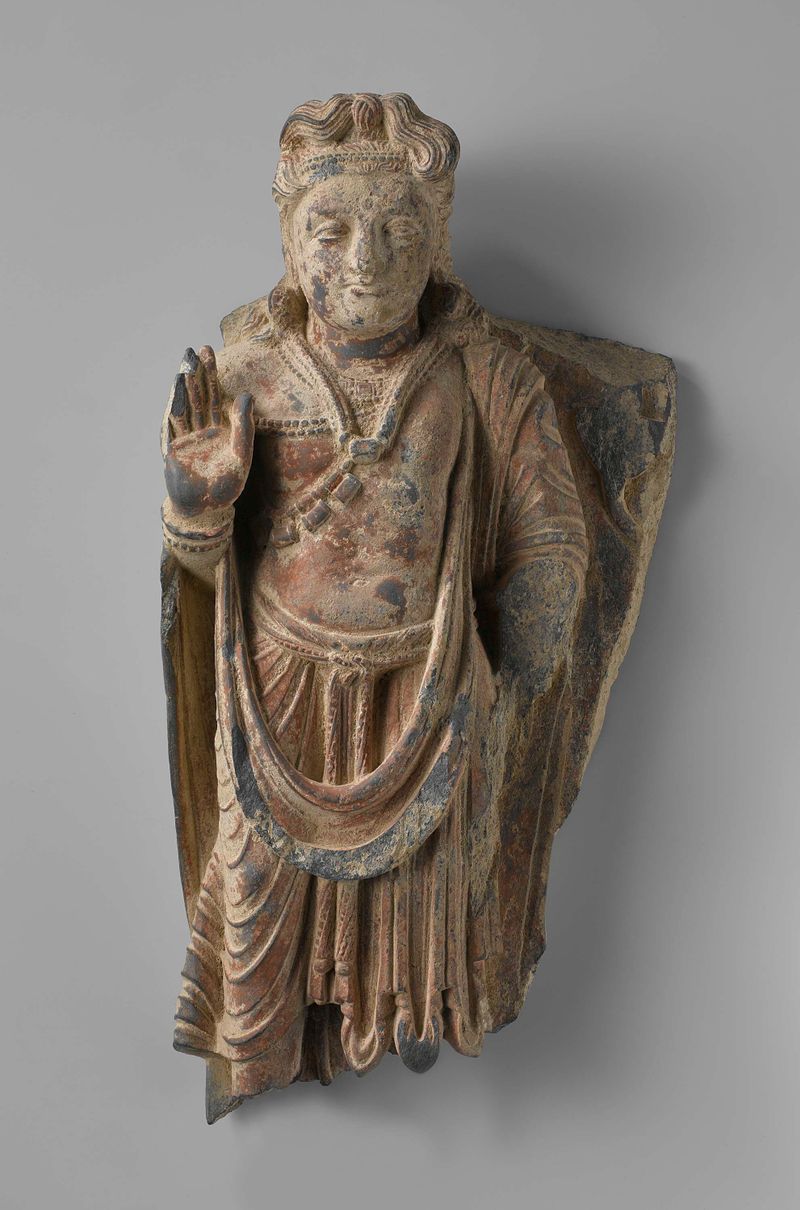
The bodhisattva Maitreya
Unknown Artist

Teabowl with a 'hare's fur' glaze
Unknown Artist





