
Farizeeën willen Christus stenigen — History & Facts
Who listens when art speaks of silence? In Farizeeën willen Christus stenigen, the tension of impending violence hangs thick in the air, transformed into a powerful stillness that evokes movement in the heart of the viewer. Look closely at the center where the figure of Christ stands, poised yet unyielding amidst a crowd of fervent Pharisees. The dramatic interplay of light and shadow carves a path through the composition, drawing your gaze to the serenity on Christ’s face juxtaposed against the tumult of frenzied expressions surrounding him. Notice how the artist employs muted earth tones, allowing the figures to blend into the background, yet giving Christ a subtle luminescence that makes him the focal point of the scene. Delve deeper into the details; the clenched fists of the Pharisees symbolize their anger and fervor, while the outstretched hands hint at their desire for control.
The contrast between Christ’s calm demeanor and the chaotic energy of his accusers creates a profound emotional tension, suggesting the struggle between faith and fanaticism. The stony faces reflect rigid ideology, while Christ embodies a movement toward grace and understanding, challenging the status quo. Georg Pencz created this evocative work between 1534 and 1535, during a time when the Reformation was reshaping the landscape of religious art. Based in Nuremberg, Pencz was influenced by both the ideals of humanism and the emerging Protestant themes, seeking to depict not only biblical narratives but also the emotional essence behind them.
This piece captures the urgent debates of his time, transforming a historical moment into a timeless reflection on spirituality and human conflict.
More Artworks by Georg Pencz
Browse all →
Parabel van de zaaier
Georg Pencz

Parabel van de arbeiders in de wijngaard
Georg Pencz
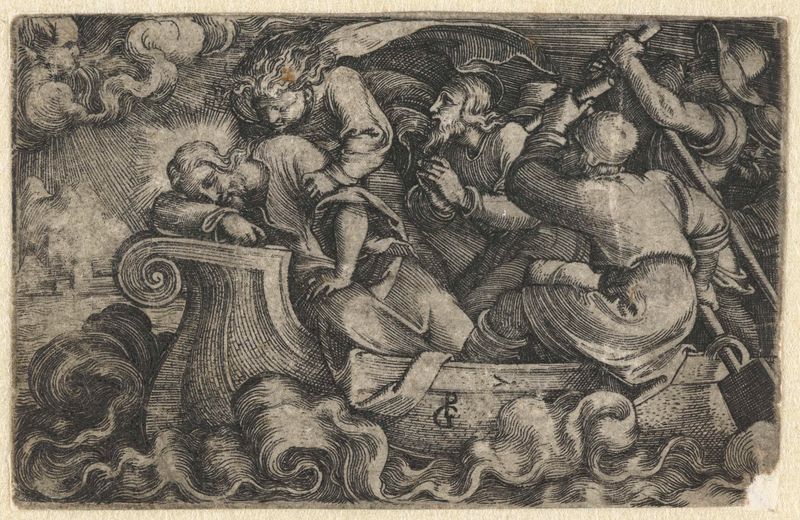
Discipelen wekken slapende Christus tijdens storm op Meer van Galilea
Georg Pencz

Afgunst (Invidia)
Georg Pencz
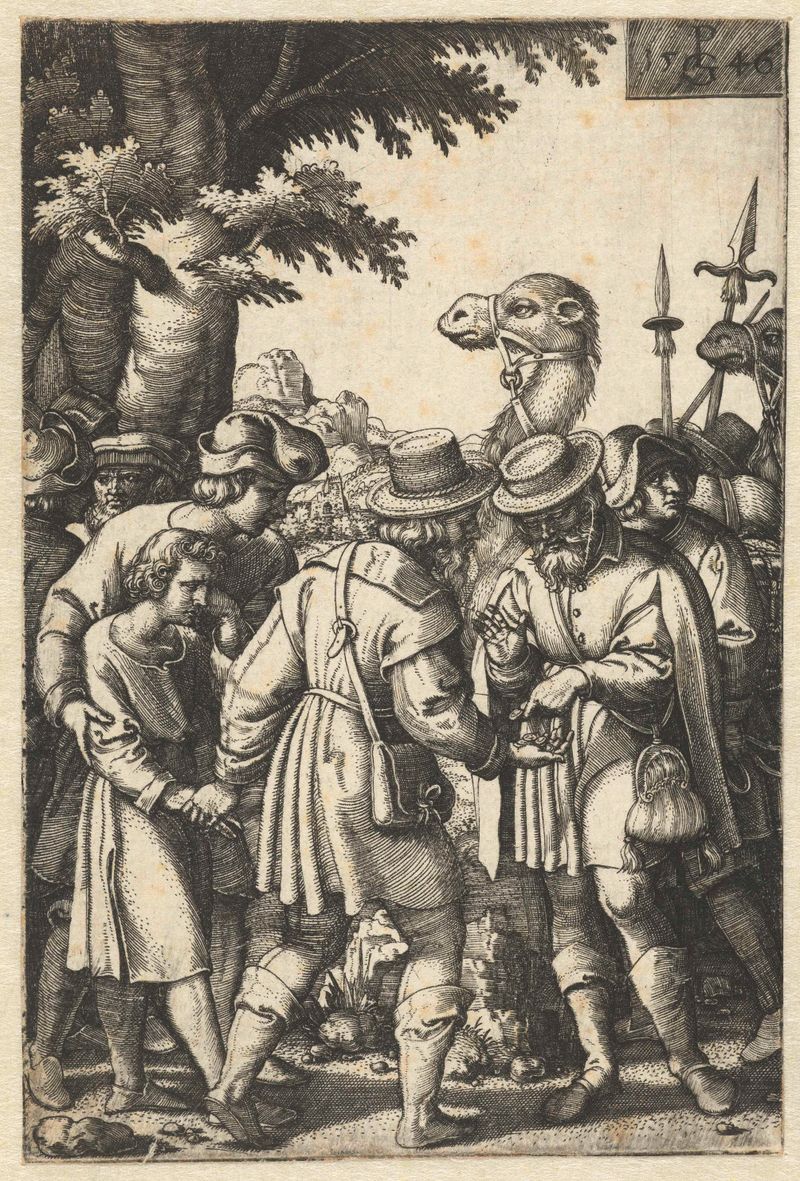
Jozef wordt verkocht aan kooplieden op weg naar Egypte
Georg Pencz

Aanbidding der koningen
Georg Pencz
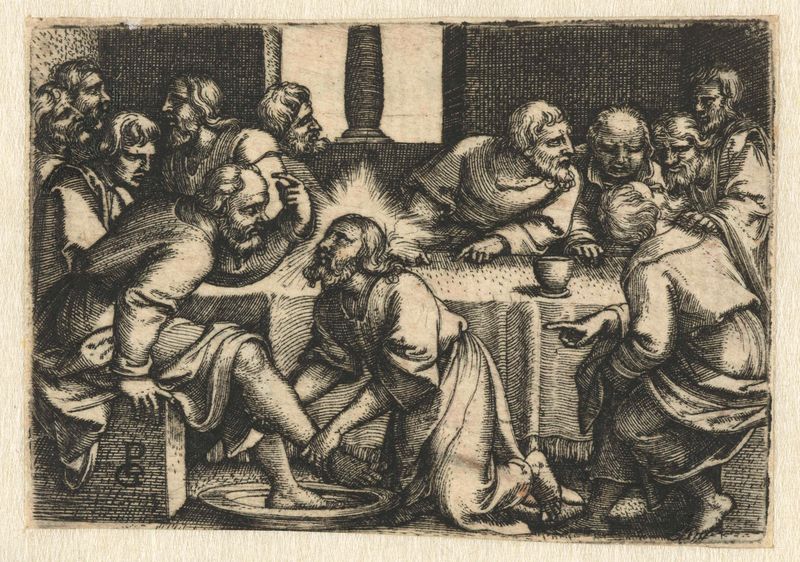
Petrus protesteert als Christus zijn voeten wast
Georg Pencz
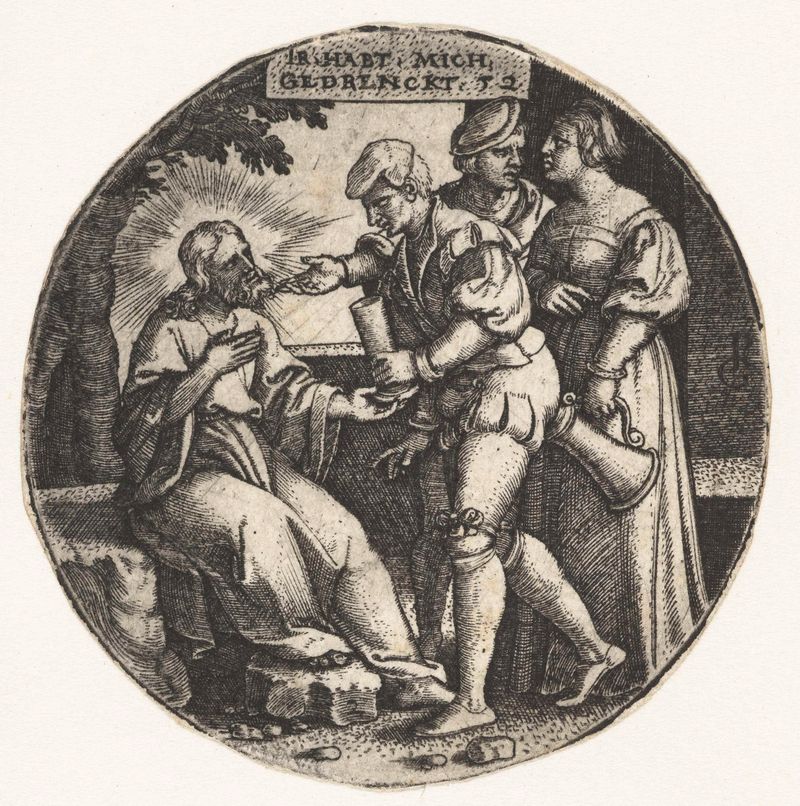
Christus heeft dorst en krijgt drinken aangeboden
Georg Pencz
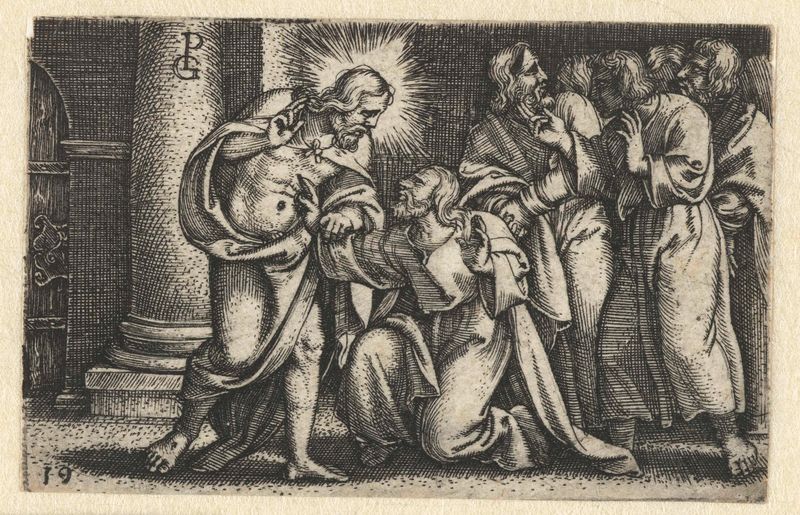
Ongelovige Thomas raakt wonden Christus aan
Georg Pencz

Offer van Abraham van Isaak
Georg Pencz
More Religious Art
Browse all →
The Return of the Prodigal Son
Rembrandt van Rijn

The Garden of Earthly Delights
El Bosco

Count Orgaz’ funeral
El Greco

The Hundred Guilder Print: the central piece with Christ preaching, the plate arched
Rembrandt van Rijn

The Descent from the Cross
Rogier van der Weyden

The return of the prodigal son
Rembrandt van Rijn