
Farm and Meadows — History & Facts
Could a single brushstroke hold eternity? In Farm and Meadows, the canvas breathes life into the rural spirit, speaking to the unseen threads that weave through nature and human existence. Focus on the lush greens that dominate the foreground, where the strokes create a tapestry of rolling hills and flourishing fields. Notice how the light dances across the landscape, illuminating patches of golden wheat swaying gently in the breeze. The masterful interplay of light and shadow evokes a sense of time, as if the day is unfolding before our very eyes, inviting the viewer to step into this serene moment. Hidden within this pastoral scene lies a tension between vulnerability and resilience.
The soft curves of the hills contrast with the steadfast presence of the farmhouse, representing the delicate balance of cultivation and the inherent uncertainty of fate. Each element—the trees whispering in the wind, the distant horizon—speaks to the shared journey of nature and humanity, hinting at the deeper destinies that intertwine with every season. Ernest Haskell created Farm and Meadows during a time when America was embracing modernism while still cherishing its agrarian roots, likely between 1900 and 1925. Living in a period marked by rapid industrialization and social change, Haskell found solace in portraying the rural landscapes that encapsulated the essence of a simpler life, resonating with a yearning for permanence amid transformation in the art world.
More Artworks by Ernest Haskell
Browse all →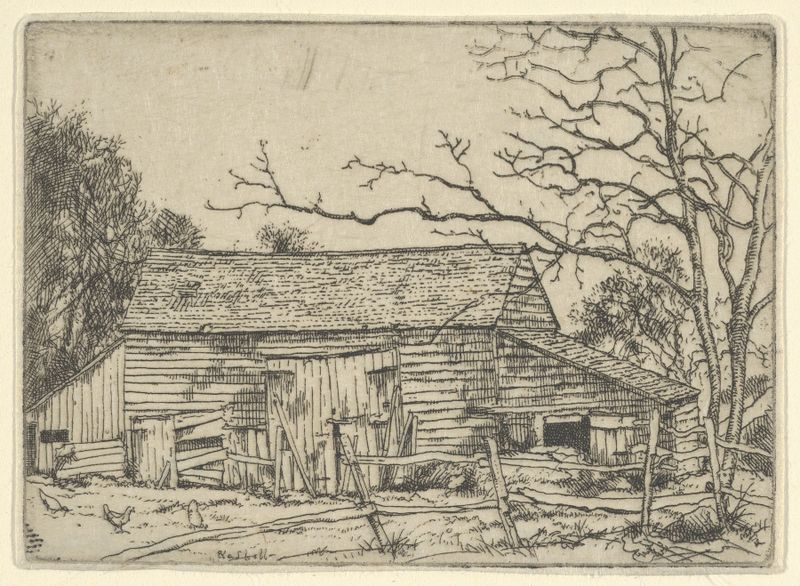
The Barn–Staten Island, N.Y.
Ernest Haskell

Four Live Oaks
Ernest Haskell
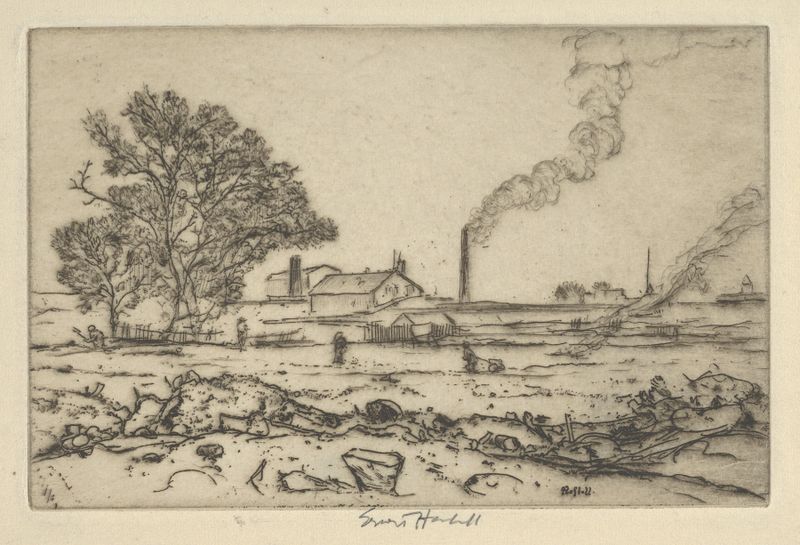
Outskirts of Boston
Ernest Haskell
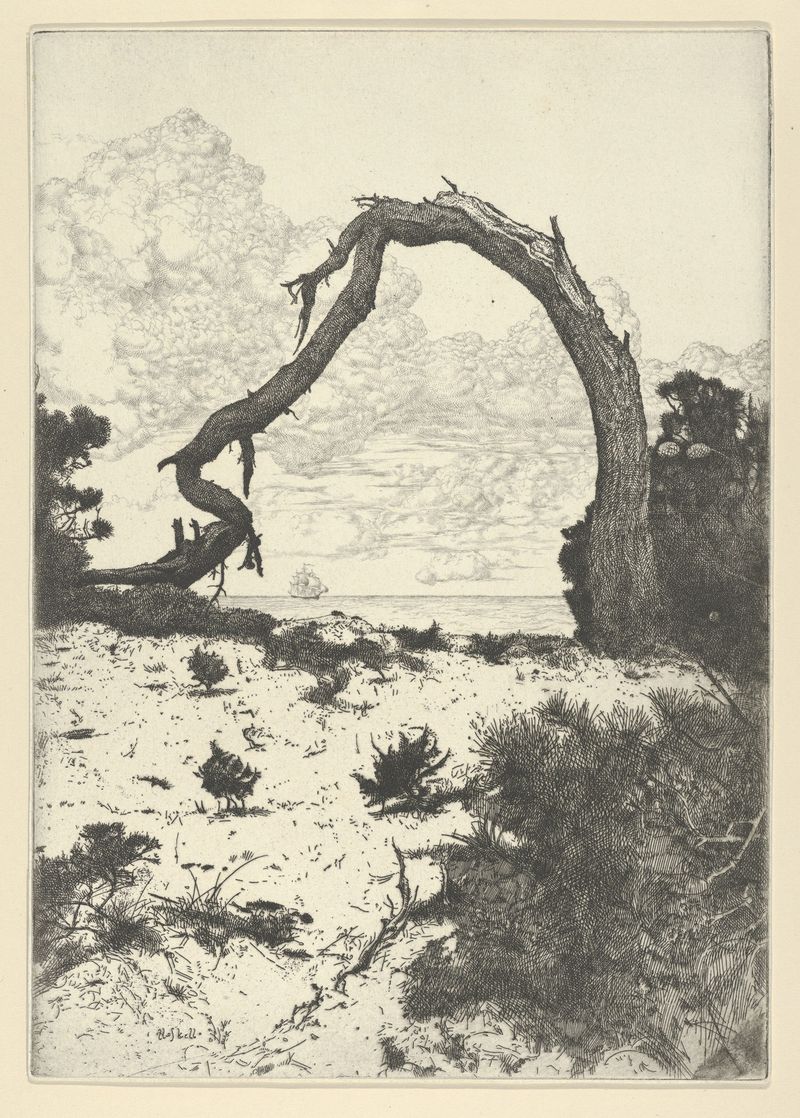
Pine Arch
Ernest Haskell

General Sherman
Ernest Haskell
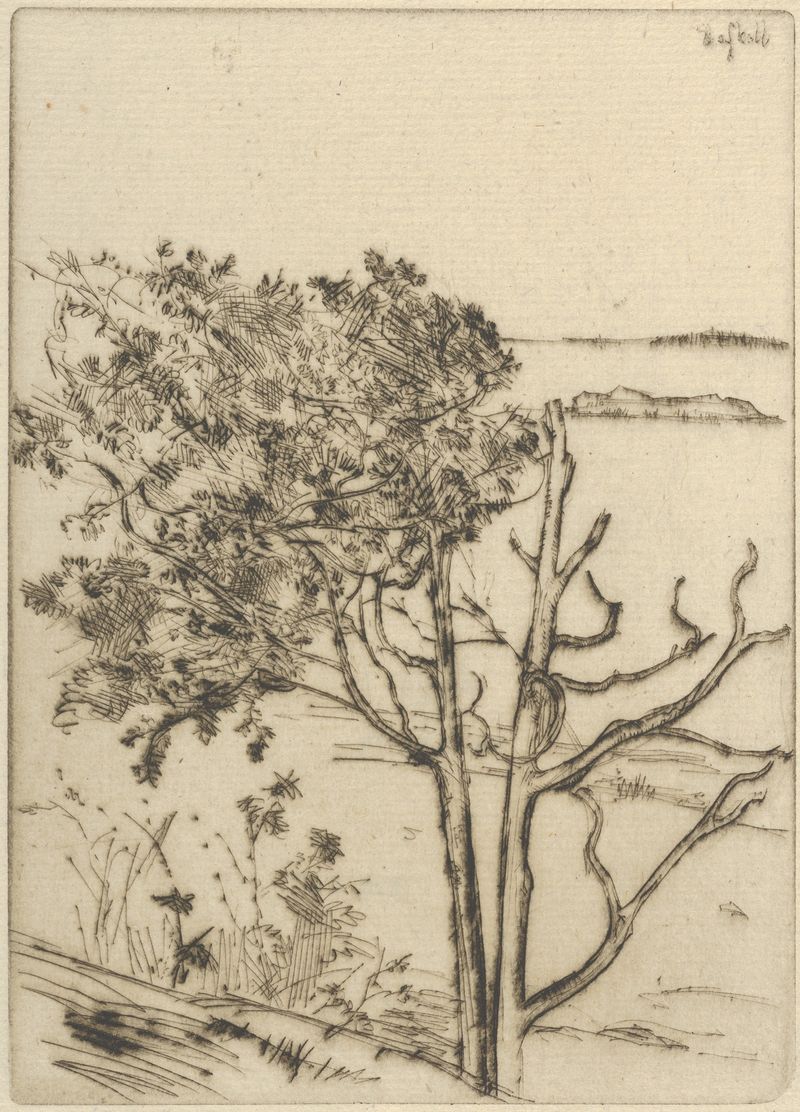
Ragged Tree – Maine
Ernest Haskell

Tide Mill
Ernest Haskell

Ship Building
Ernest Haskell
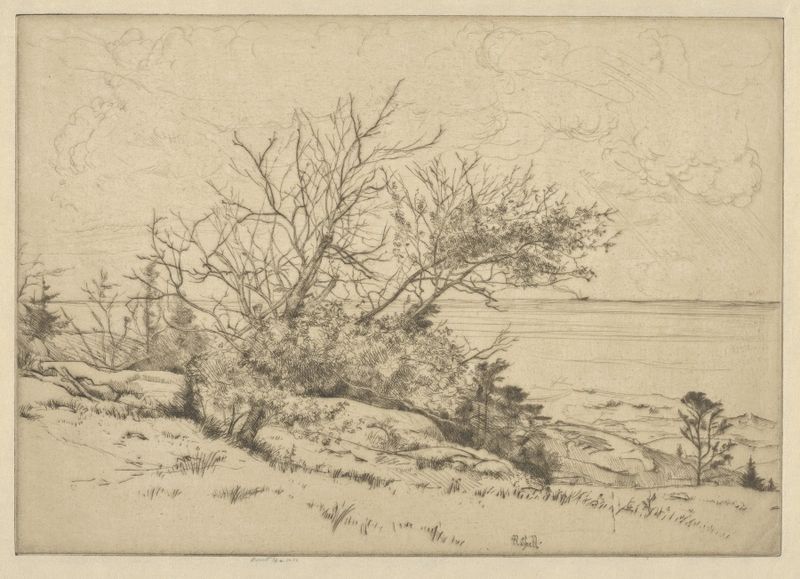
To the Southward – Ragged Island, Me.
Ernest Haskell
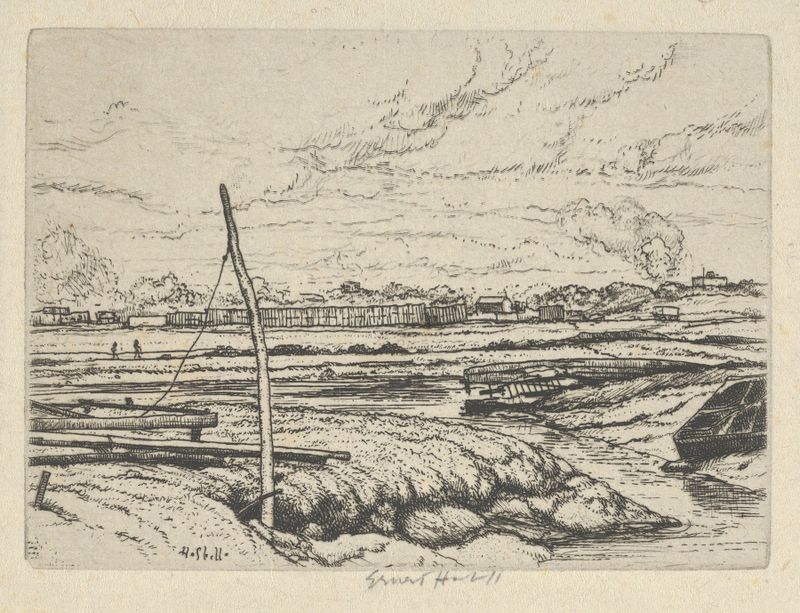
Long Island Marshes
Ernest Haskell





