
Feast of the Rosary — History & Facts
A cascade of color and ceremony draws the eye to the heart of Feast of the Rosary, where a blue-robed Madonna presides over a gathering that feels both stately and intimate. The infant Christ, perched on her lap, reaches out to crown a kneeling figure, while a garland of roses is gently placed on his own head by a cherub. The scene is alive with movement: angels hover above, bearing a lavish crown, while musicians at Mary’s feet strum and sing, their golden garments catching the light.
The vivid palette—deep blues, glowing reds, and shimmering gold—creates a sense of richness and celebration, while the lush landscape and distant mountains open the space behind the figures, inviting the viewer’s gaze to wander. Painted in 1506, this work belongs to a world where religious painting was both public spectacle and private devotion, intended to inspire awe and reflection in equal measure. The composition is crowded with figures from all walks of life—clergy, nobility, and ordinary worshippers—each drawn into the orbit of the Virgin and Child. Such paintings, especially in the early sixteenth century, were often commissioned by confraternities or wealthy patrons eager to display their piety and status.
Today, Feast of the Rosary resides in the National Gallery in Prague, a testament to the enduring power of Renaissance devotion and the artist’s ability to weave together the earthly and the divine. The longer you look, the more you notice: every gesture, every face, every flower seems to carry a story of its own.
More Artworks by Albrecht Dürer

Melancholia
Albrecht Dürer

St. George and the dragon.
Albrecht Dürer
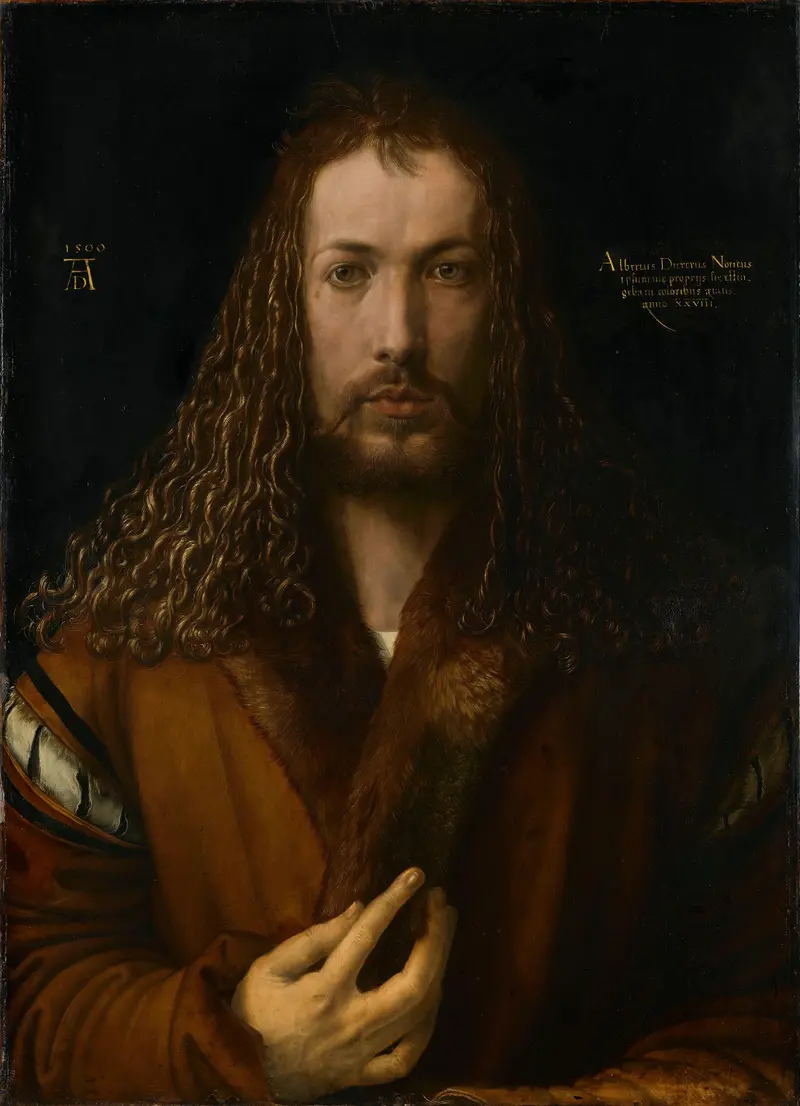
Self-Portrait with Fur-Trimmed Robe
Albrecht Dürer

Wing of a European Roller
Albrecht Dürer
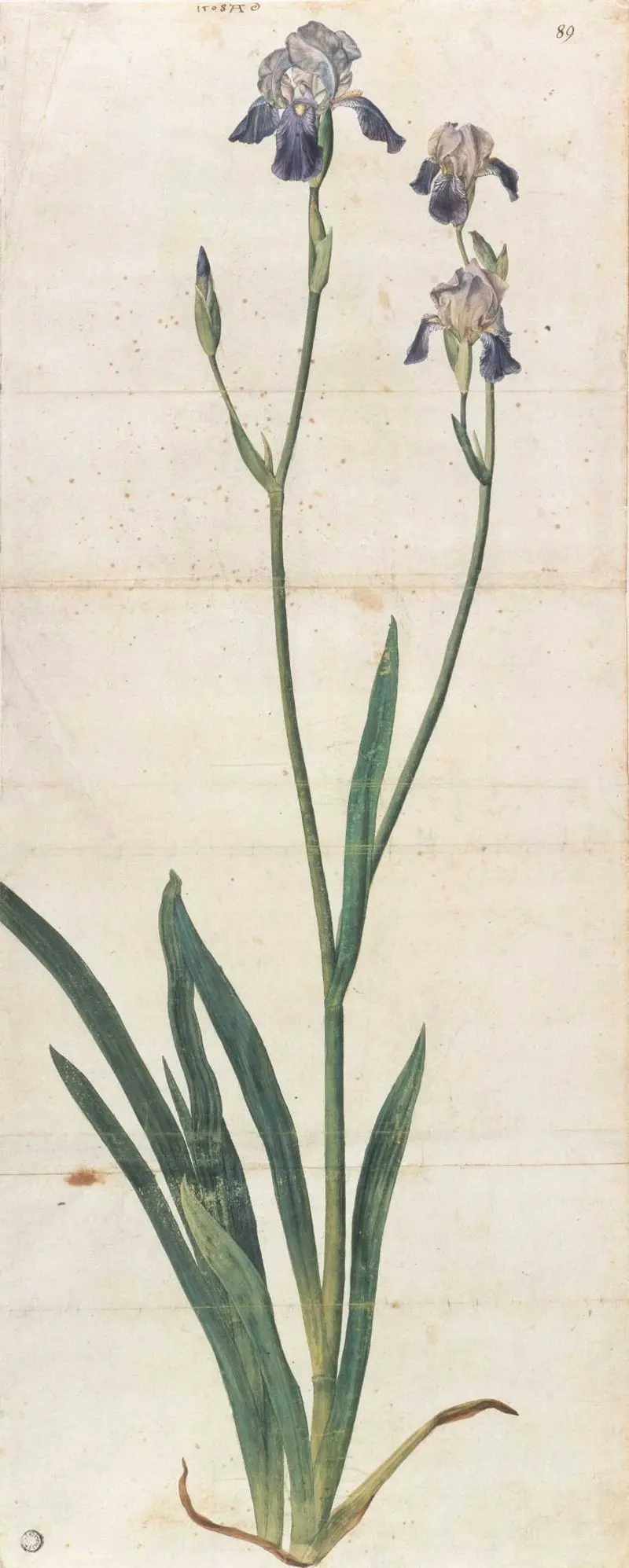
Iris
Albrecht Dürer
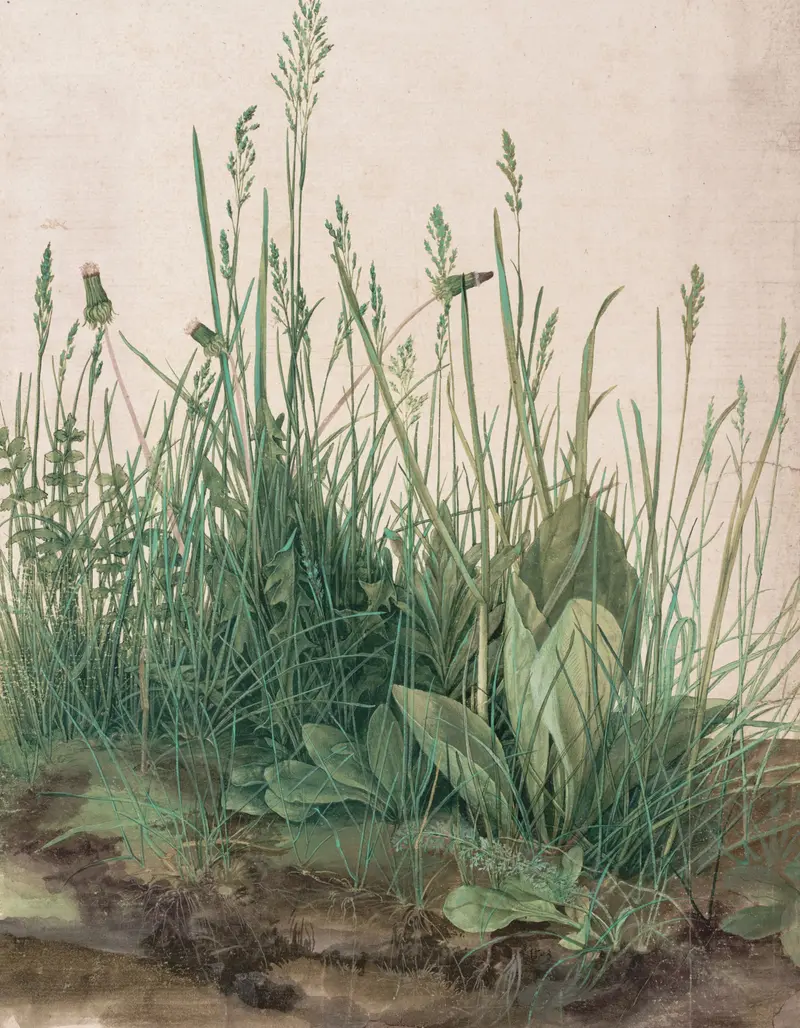
The Great Piece of Turf
Albrecht Dürer
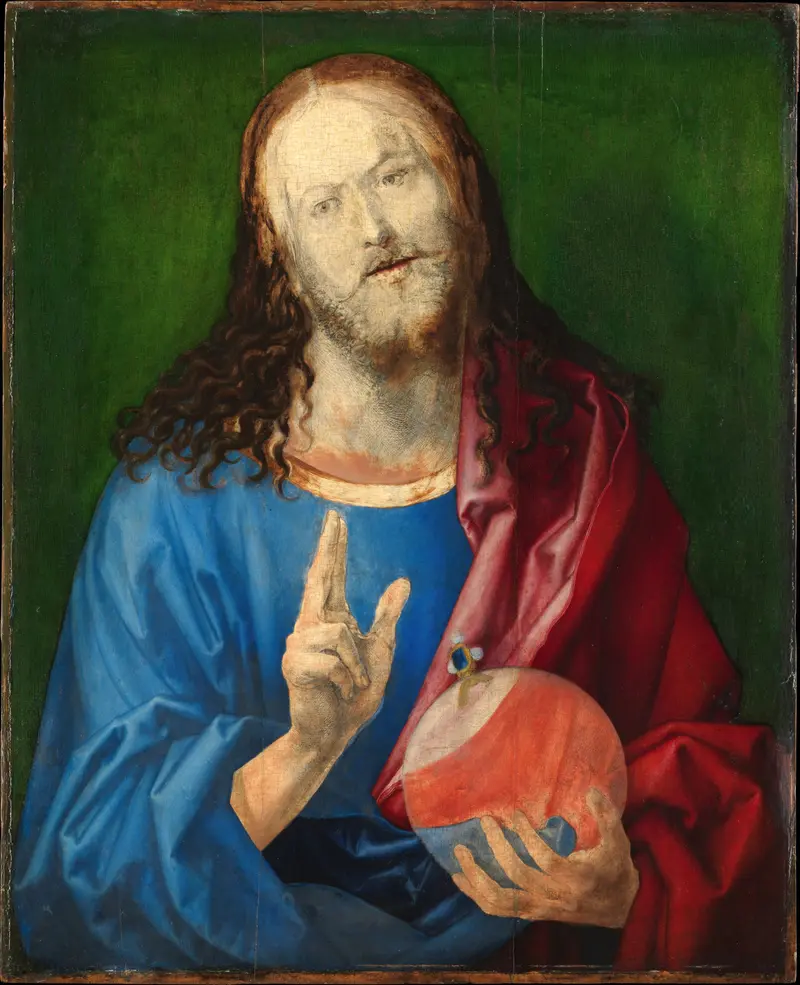
Salvator Mundi
Albrecht Dürer
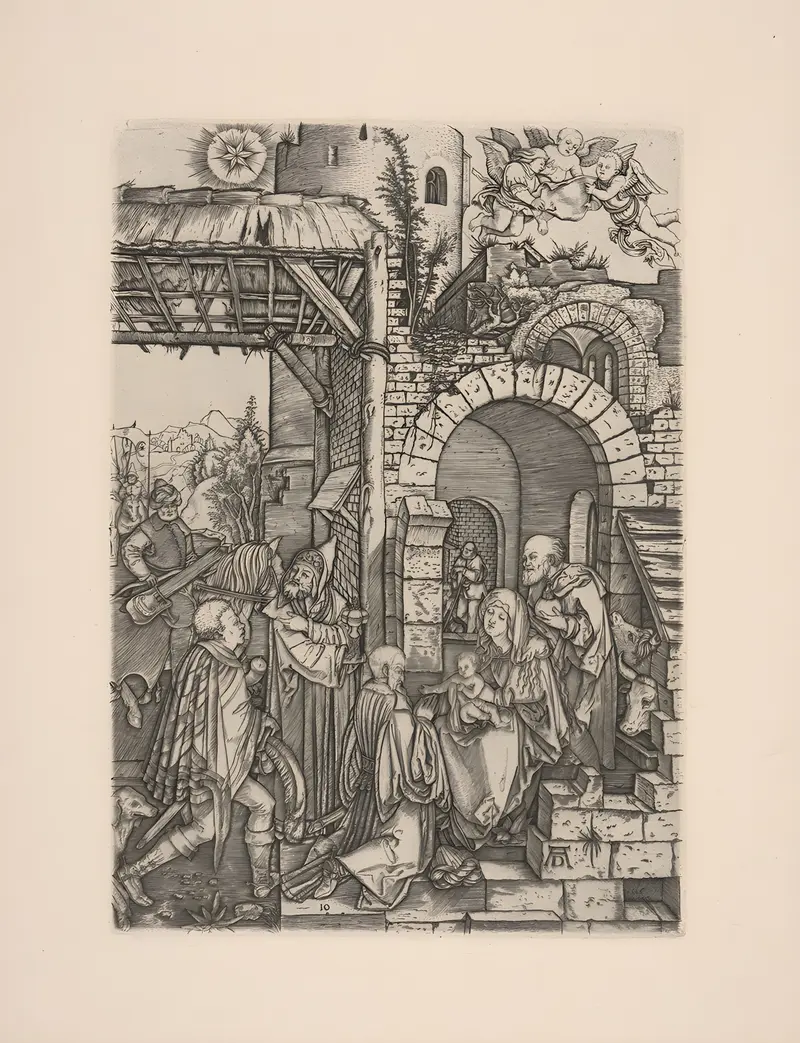
The Adoration of the Magi
Albrecht Dürer
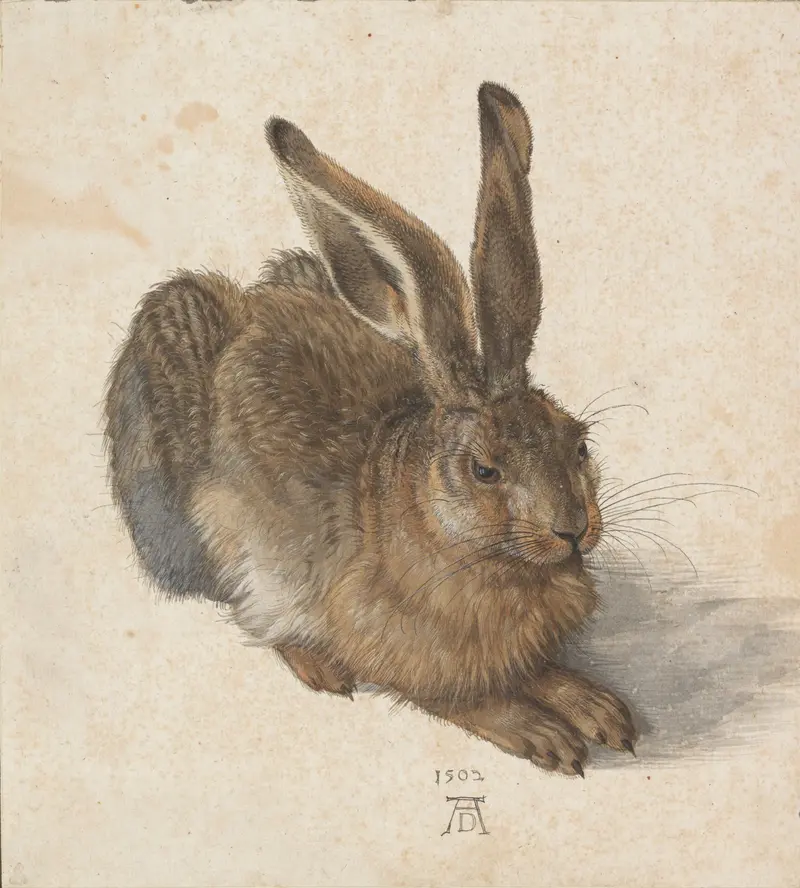
Young Hare
Albrecht Dürer
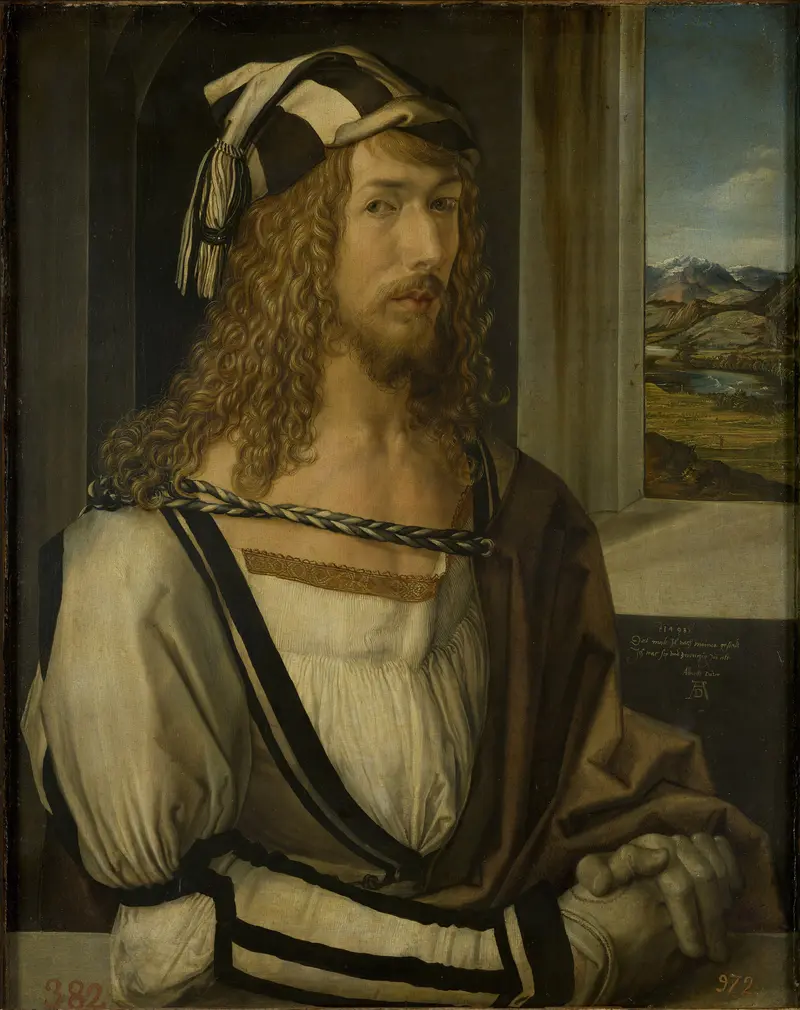
Self-portrait
Albrecht Dürer





