
Feathery Trees — History & Facts
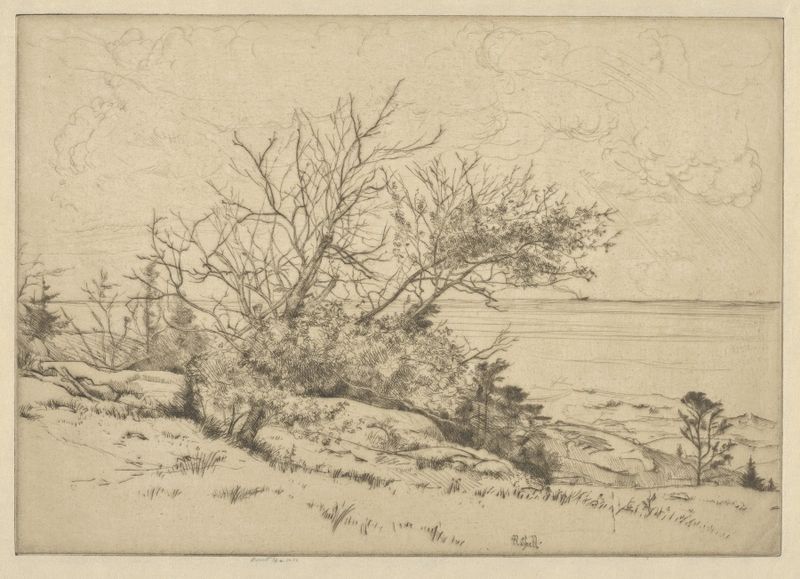
What if beauty was never meant to be finished? This poignant question echoes through the delicate brushstrokes and ethereal forms of the composition, as if inviting us to contemplate the fragility of nature and existence itself. Look to the center of the canvas, where the feathery branches unfurl like whispers in the wind. The soft, pale greens and muted browns create a serene palette, while dappled light dances across the leaves, capturing an ephemeral moment in time. Notice how the gentle layering of paint gives depth and texture, as if the trees are both present and ghostly, embodying the tension between life and decay. Within this quiet landscape, a profound stillness prevails, evoking a sense of both peace and unease.
The trees, though beautiful, seem to sway under the weight of an unseen fear, hinting at the transience of beauty and the inevitable passage of time. This juxtaposition between the lush vitality of nature and the lurking dread of its impermanence creates an emotional resonance that lingers long after the viewer has stepped away. During the early 20th century, when this work was created, Haskell was deeply influenced by movements that embraced a more expressive and subjective approach to art. Painted between 1900 and 1925, a time of significant change in America, his exploration of nature reflects both personal and societal shifts, embodying a longing for connection amidst an evolving world.
The era's artistic conversations about beauty and fear find a poignant expression in this enchanting piece.
More Artworks by Ernest Haskell
Browse all →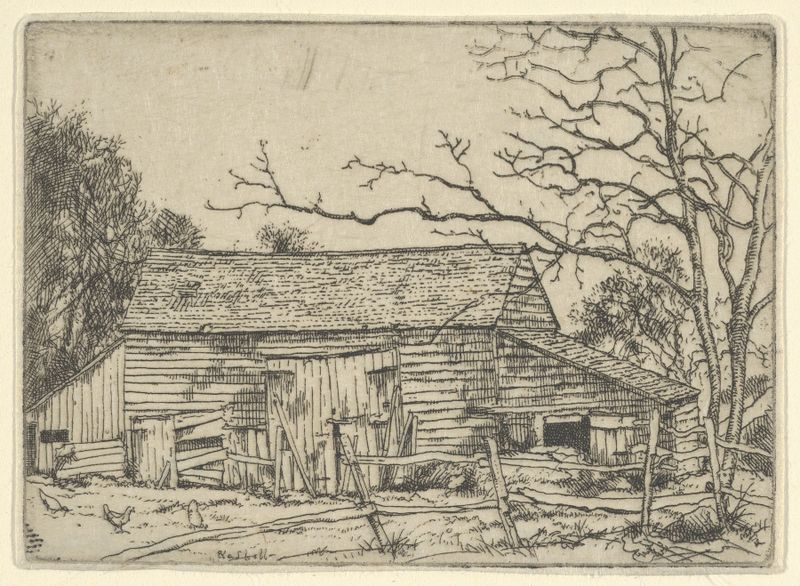
The Barn–Staten Island, N.Y.
Ernest Haskell

Four Live Oaks
Ernest Haskell
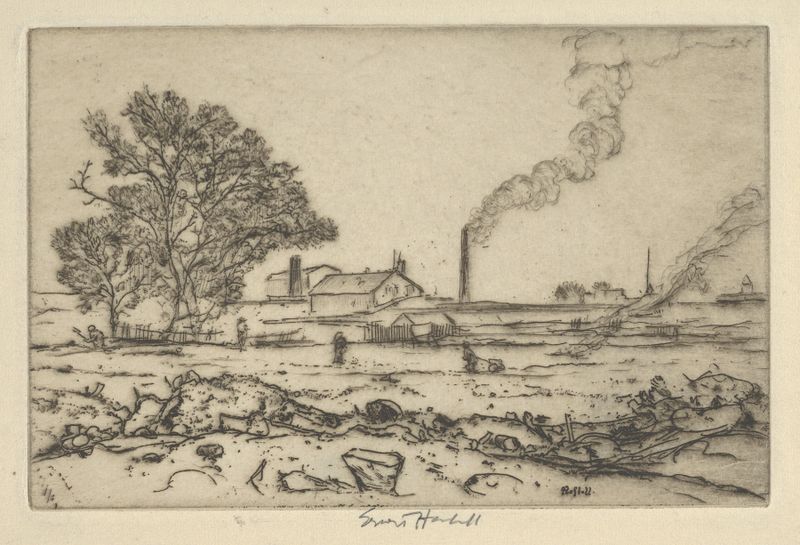
Outskirts of Boston
Ernest Haskell
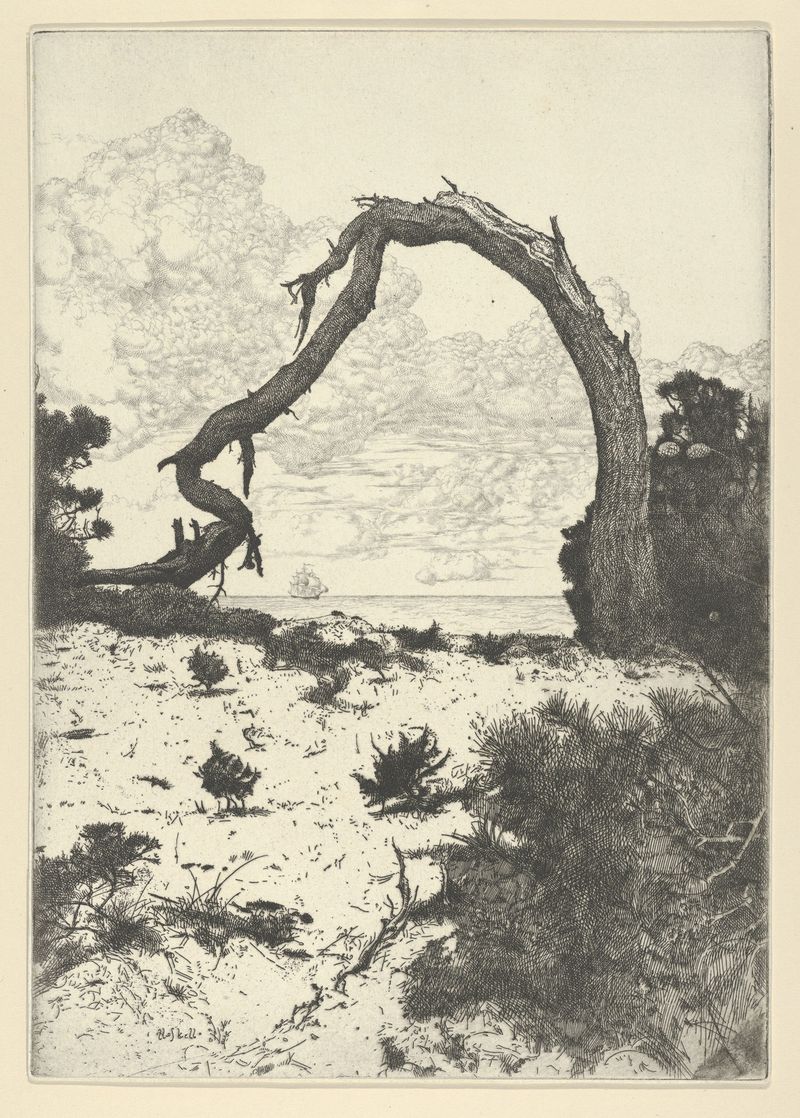
Pine Arch
Ernest Haskell

General Sherman
Ernest Haskell
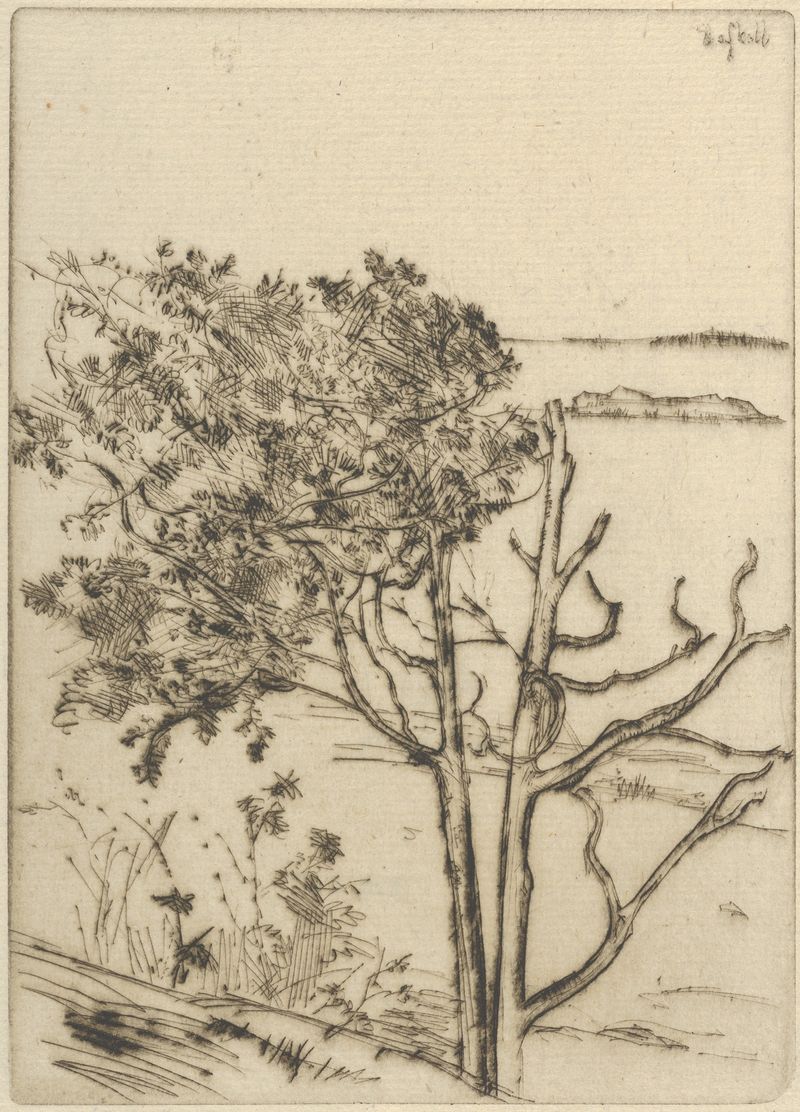
Ragged Tree – Maine
Ernest Haskell

Tide Mill
Ernest Haskell

Ship Building
Ernest Haskell
To the Southward – Ragged Island, Me.
Ernest Haskell
Long Island Marshes
Ernest Haskell





