
Felsblöcke mit Tännchen — History & Facts
When did color learn to lie? In the brushstrokes of a quiet landscape, serenity speaks volumes, inviting contemplation and reflection on the truths woven into the fabric of nature. Look to the center of the canvas, where the soft greens and warm browns embrace a tranquil arrangement of rocks and evergreens. Notice how the cool light gently bathes the scene, highlighting the textures of the rugged stones and the delicate foliage. The artist employs a subtle palette, balancing earthy hues that evoke a sense of harmony and timelessness, while the composition draws the eye towards the distant horizon, hinting at infinite possibilities beyond the visible world. Amidst this tranquility lies an emotional tension—between the enduring strength of the rocks and the fragile beauty of the trees.
The juxtaposition of solidity with the delicate grace of nature creates a dialogue about resilience and impermanence. Each element, from the looming boulders to the slender evergreens, encapsulates a deeper yearning for a connection to the natural world, a moment caught between the stillness of time and the ever-present motion of life. In 1861, Hans Thoma was living in Germany, a time when the Romantic movement was shifting towards a more intimate portrayal of nature. His focus on serene landscapes reflects both personal introspection and a broader artistic exploration of the relationship between humanity and the environment.
As he painted Felsblöcke mit Tännchen, Thoma was not only capturing a moment in nature but also responding to the evolving art world, one that sought deeper meanings amidst an increasingly industrial backdrop.
More Artworks by Hans Thoma
Browse all →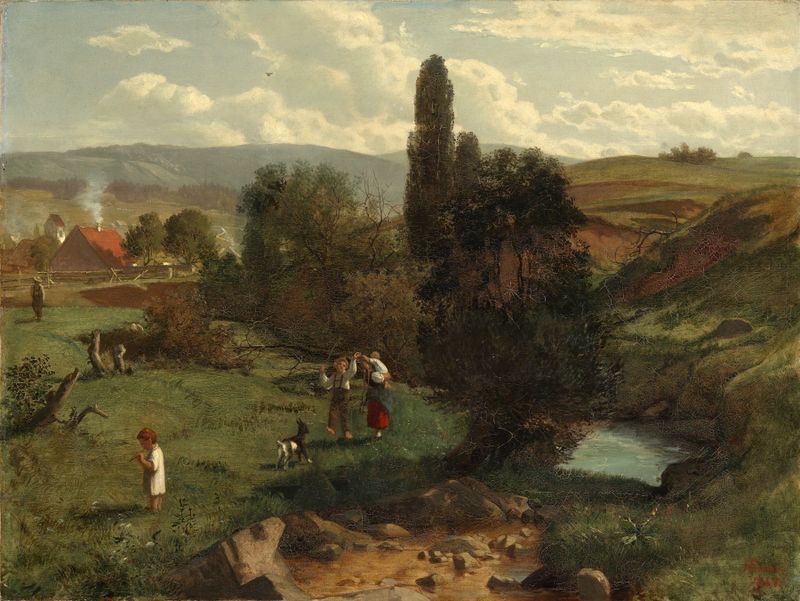
Schwarzwaldlandschaft
Hans Thoma
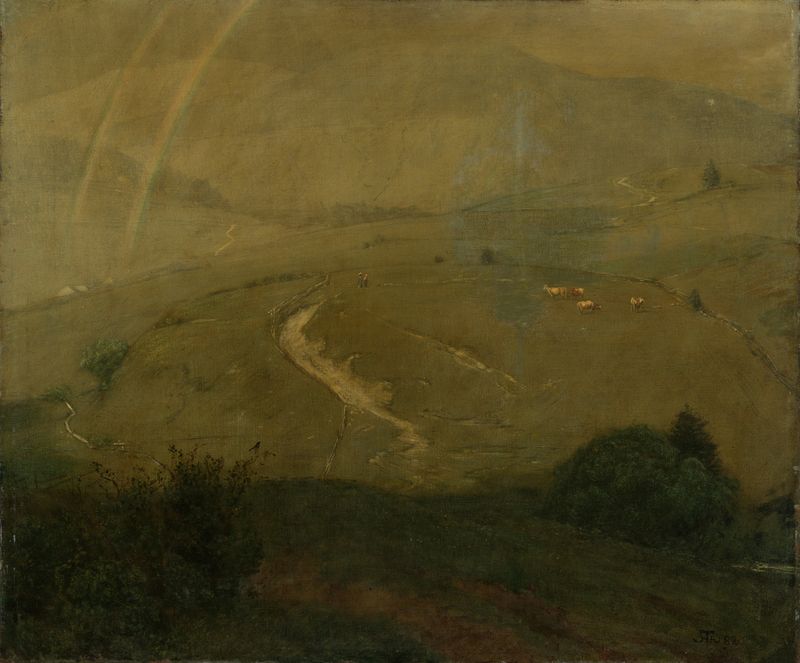
Regen im Schwarzwald
Hans Thoma
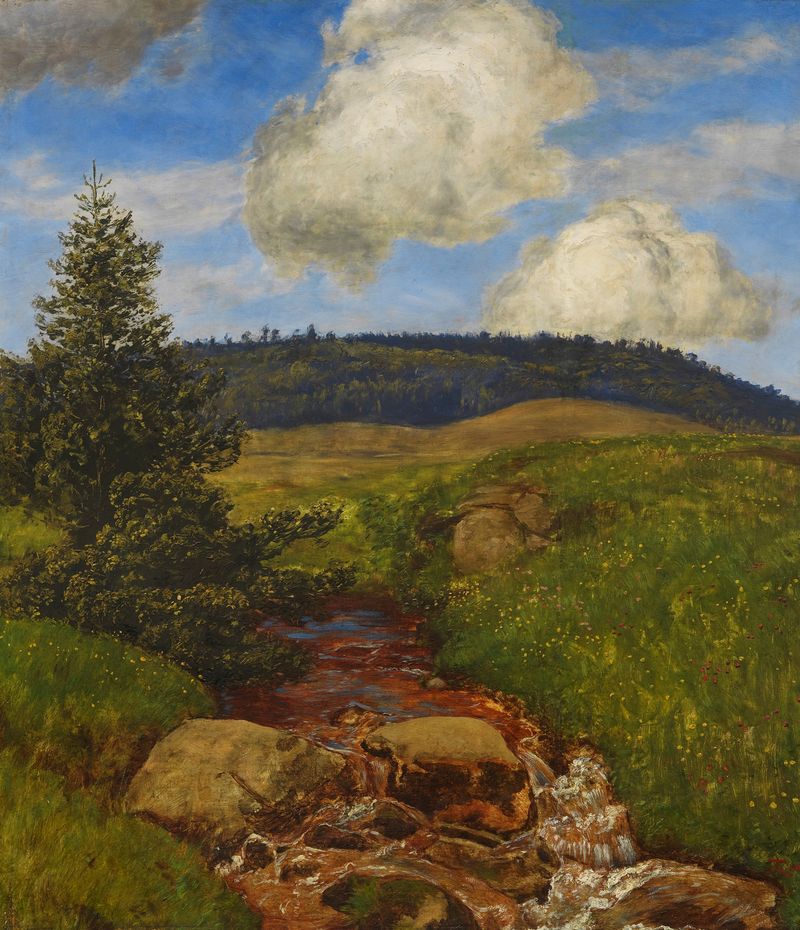
Schwarzwaldbach
Hans Thoma
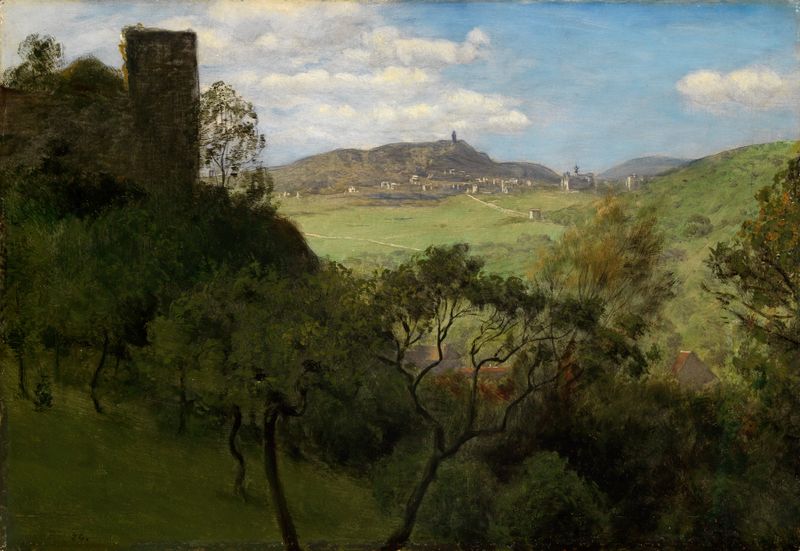
Blick auf Falkenstein im Taunus
Hans Thoma
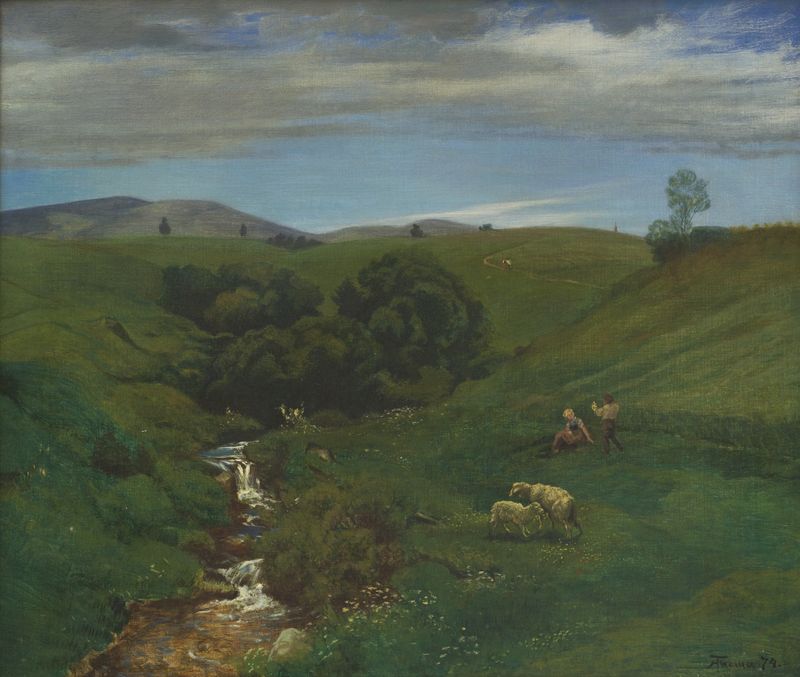
Black Forest Meadow near Bernau
Hans Thoma
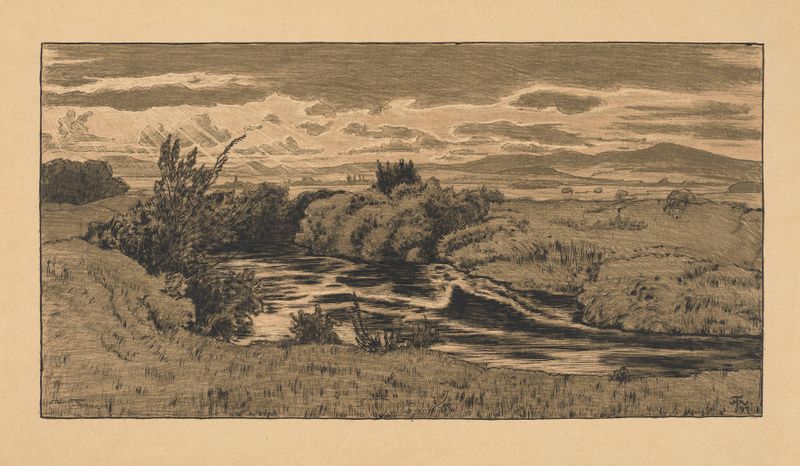
Evening by the Nidda River
Hans Thoma
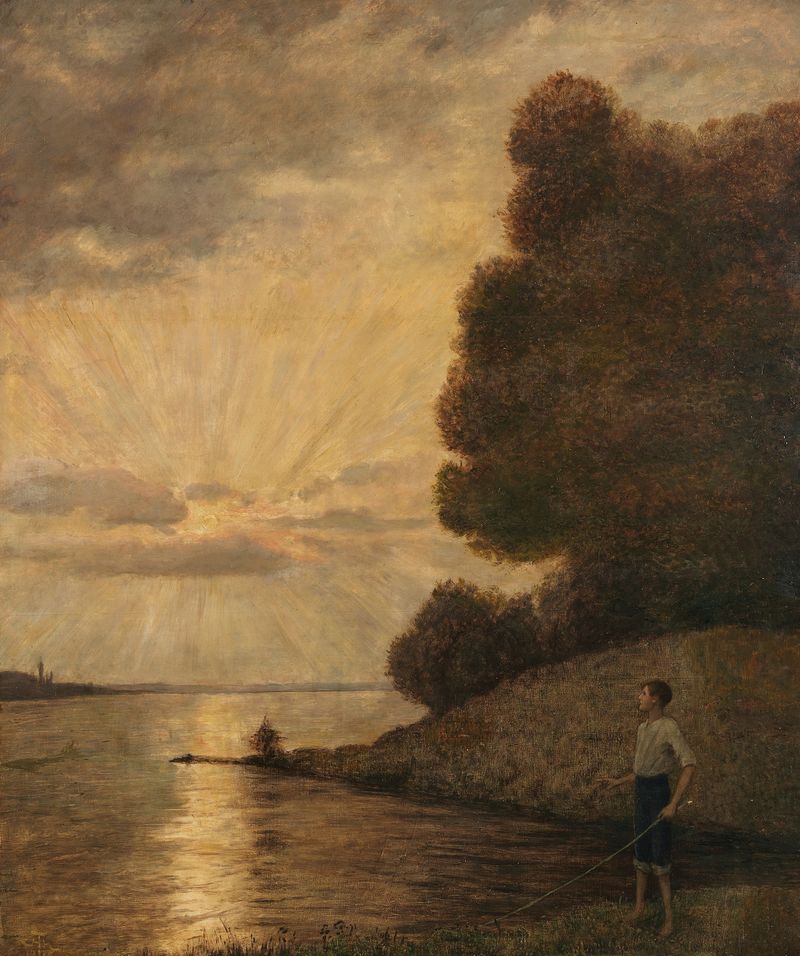
Sonnenuntergang am Oberrhein
Hans Thoma
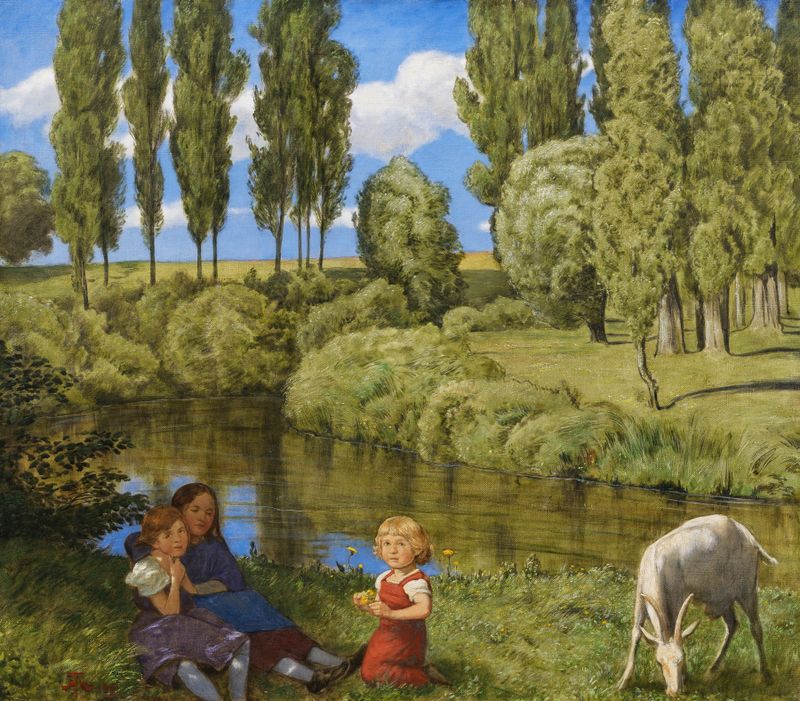
Am Stillen Bach
Hans Thoma
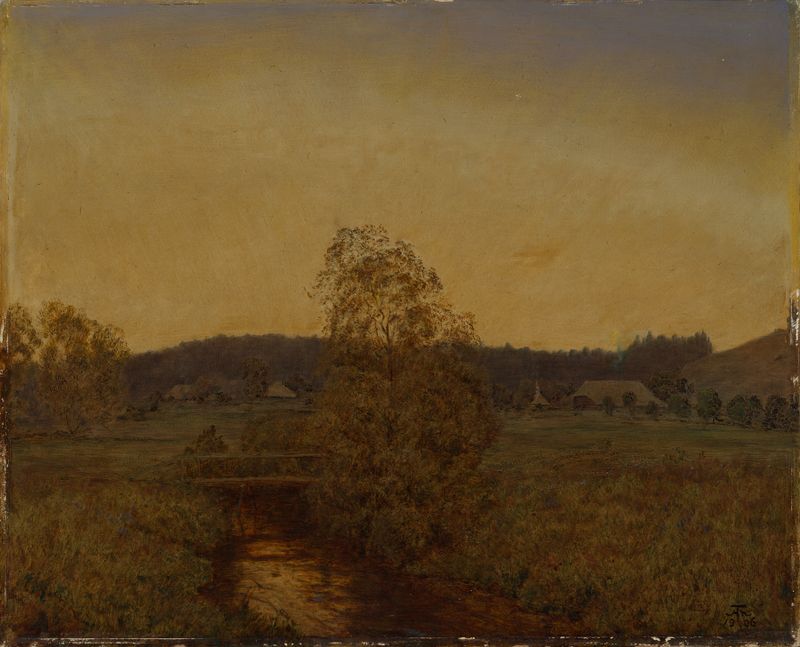
Der Abendstern
Hans Thoma
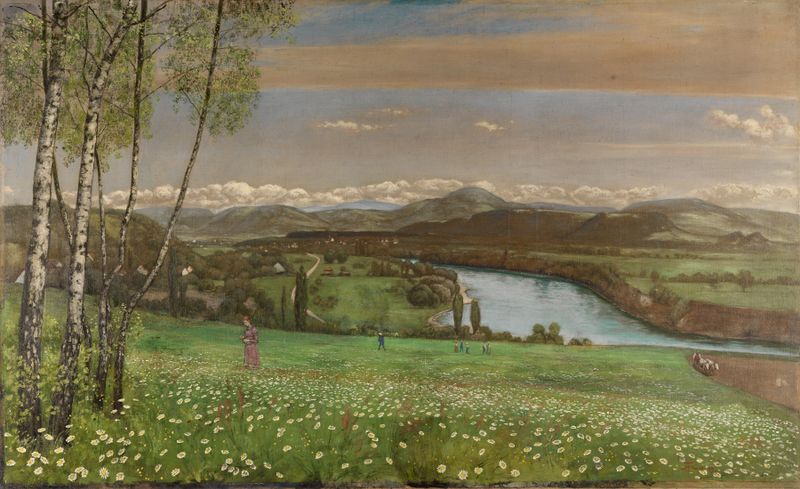
Das Rheintal bei Säckingen
Hans Thoma





