Felsen Kammern (Rock-Cut Chambers) — History & Facts
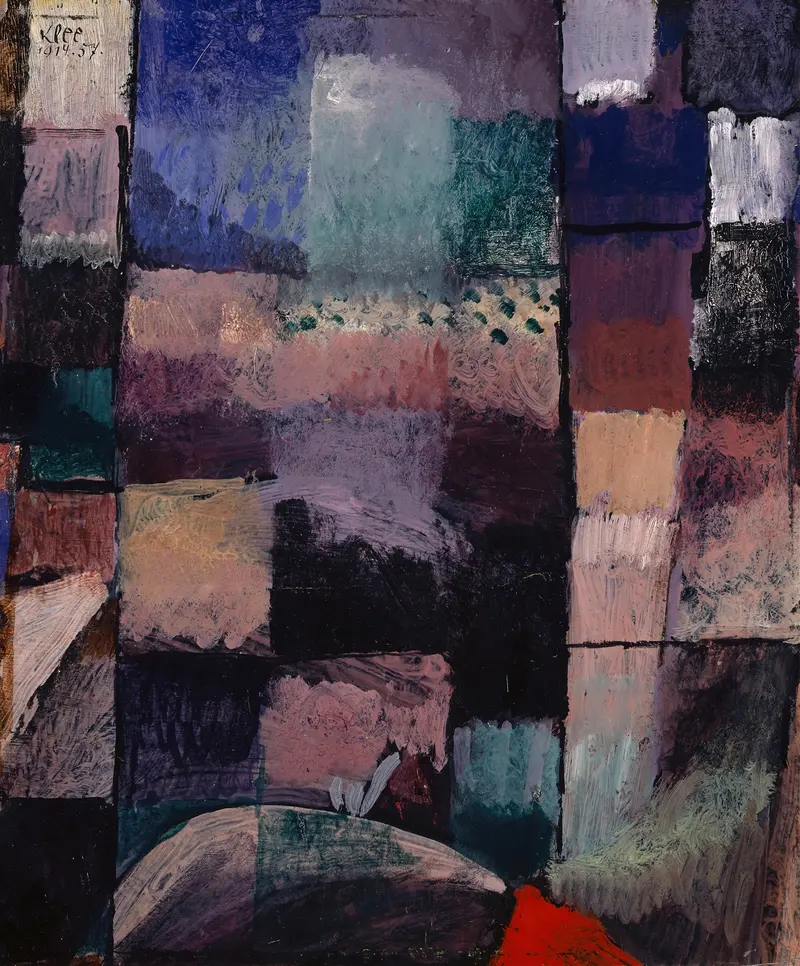
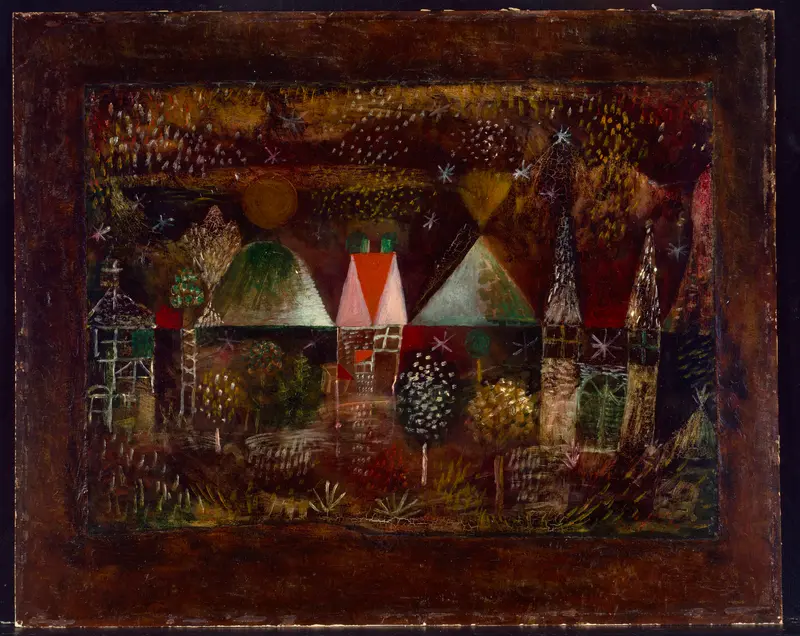
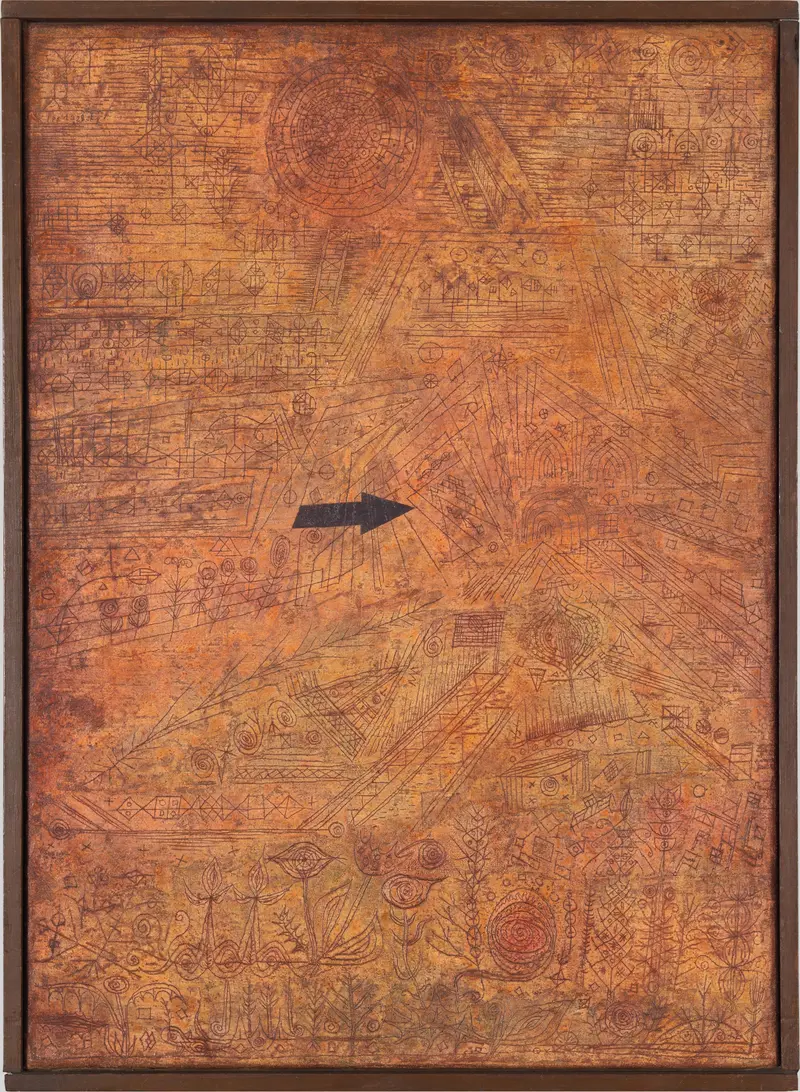
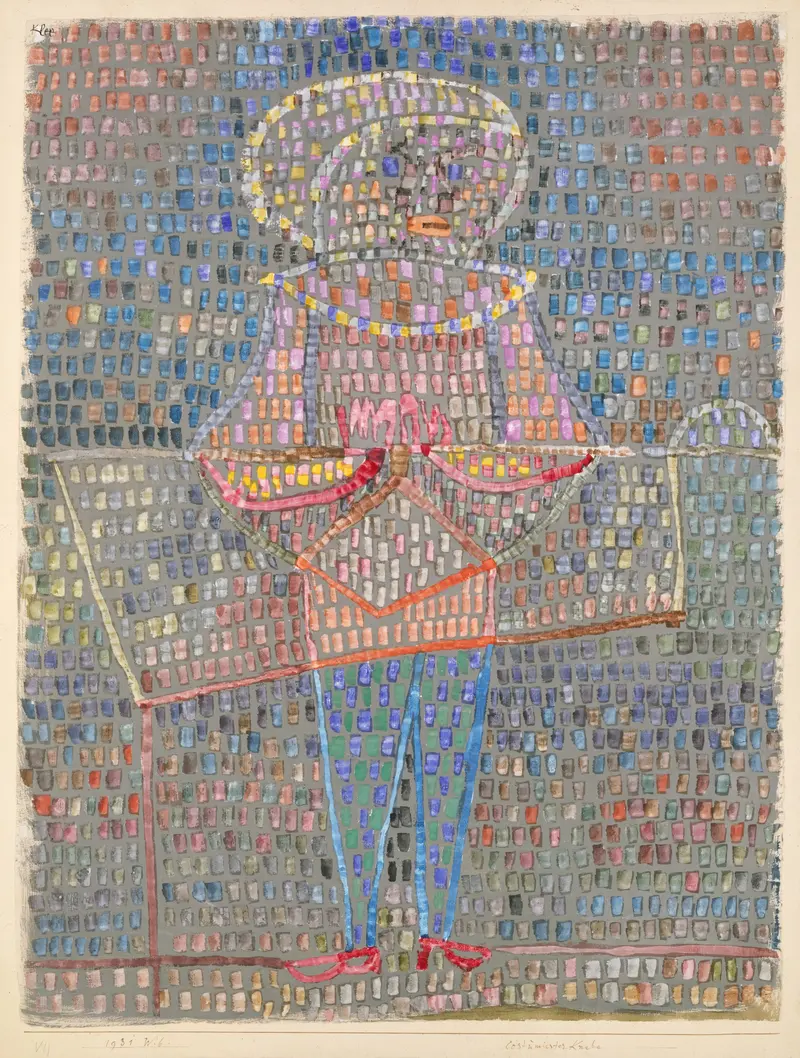
In Felsen Kammern (Rock-Cut Chambers), Paul Klee utilizes a palette of earthy tones, including browns, greens, and muted yellows. The composition features abstract forms that suggest rock formations and chambers, evoking a sense of depth and structure. The interplay of shapes creates a rhythmic quality, drawing the viewer's eye across the canvas.
Overall, the painting presents an imaginative interpretation of architecture within a natural landscape. The painting is characterized by Klee's signature use of line and color, which creates a sense of movement and harmony. The forms are simplified yet dynamic, typical of his Modernist style. Viewers can observe how Klee blends abstraction with representational elements, allowing for multiple interpretations.
The work is executed in oil on canvas, a medium that enhances the richness of the colors. Paul Klee was a key figure in the development of Modernism and is known for his unique approach to color and form. Felsen Kammern reflects his interest in the relationship between nature and architecture. An interesting fact about this work is that it exemplifies Klee's fascination with the idea of hidden spaces and chambers, which he often explored in his art.
This painting invites viewers to consider the unseen structures that exist within the natural world.