Discover insights about this artwork
Femme Nue Debout — History & Facts
In Femme Nue Debout, we see a standing nude woman, her form captured with soft, flowing lines. The palette is dominated by warm tones, including shades of peach, cream, and hints of green. The background is somewhat abstract, allowing the figure to stand out prominently.
Cézanne’s brushwork creates a sense of volume and solidity in the figure. The painting is executed in oil on canvas, showcasing Cézanne's characteristic brushstroke technique. The dimensions are approximately 90 x 130 cm, making it a sizable work that commands attention. The use of color is both bold and subtle, typical of Cézanne's style during this period.
The composition emphasizes the figure's presence while maintaining a balance with the background. Paul Cézanne was a pivotal figure in the transition from 19th-century Impressionism to 20th-century Modernism. Femme Nue Debout reflects his exploration of form and color, focusing on the human figure. Interestingly, this work is part of a private collection, which adds an element of exclusivity to its appreciation.
Cézanne's approach to the nude was groundbreaking, as he sought to depict the human body in a way that was both realistic and abstract.
More Artworks by Paul Cézanne
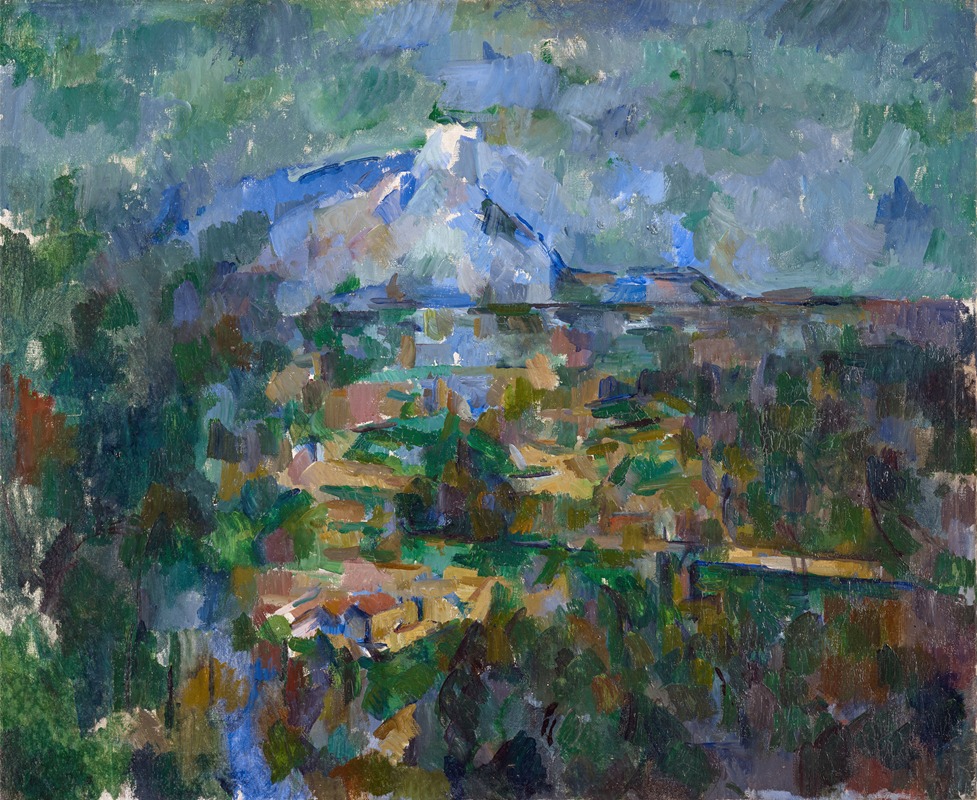
The Mont Sainte-Victoire Seen From Les Lauves
Paul Cézanne
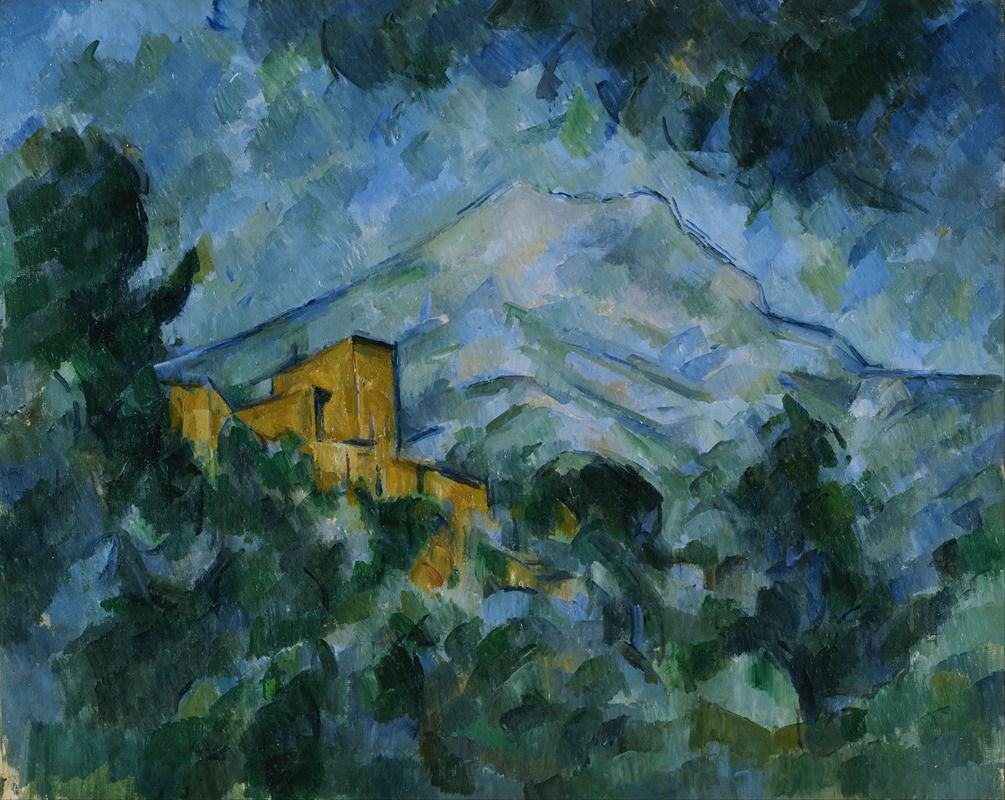
Mont Sainte-Victoire and Château Noir
Paul Cézanne
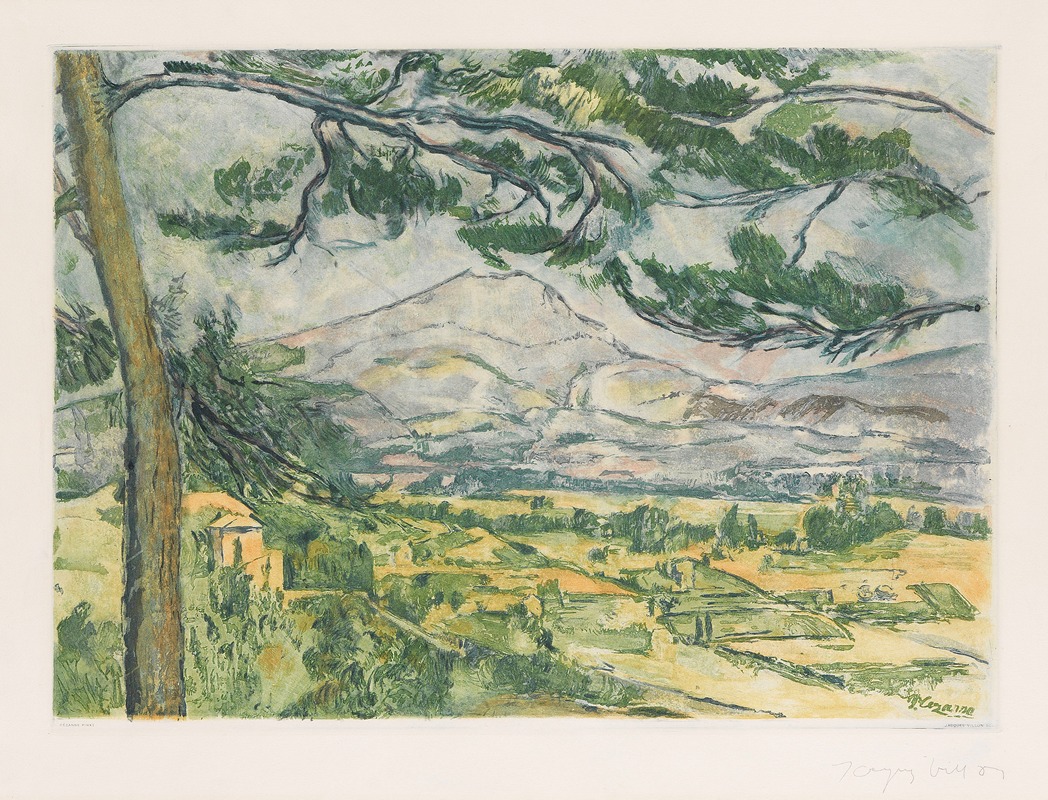
La Montagne Sainte-Victoire
Paul Cézanne
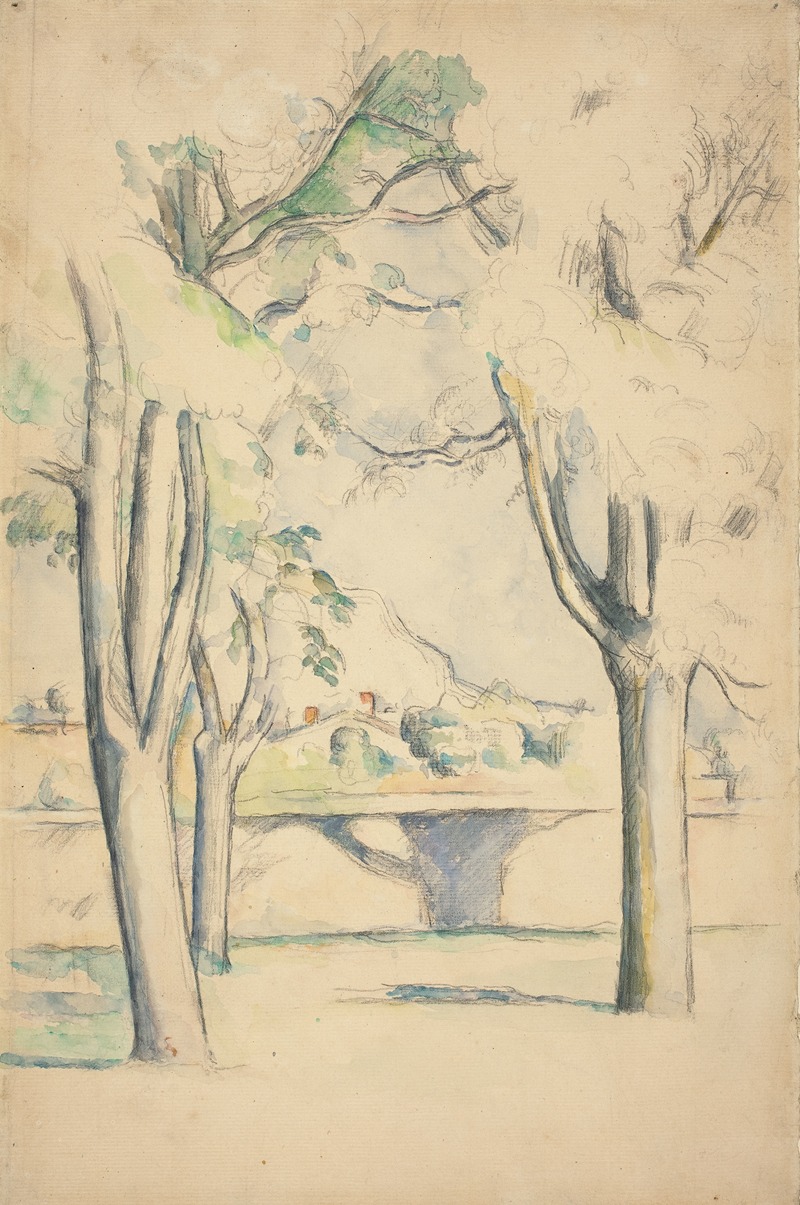
Mont Sainte-Victoire Seen beyond the Wall of the Jas de Bouffan
Paul Cézanne
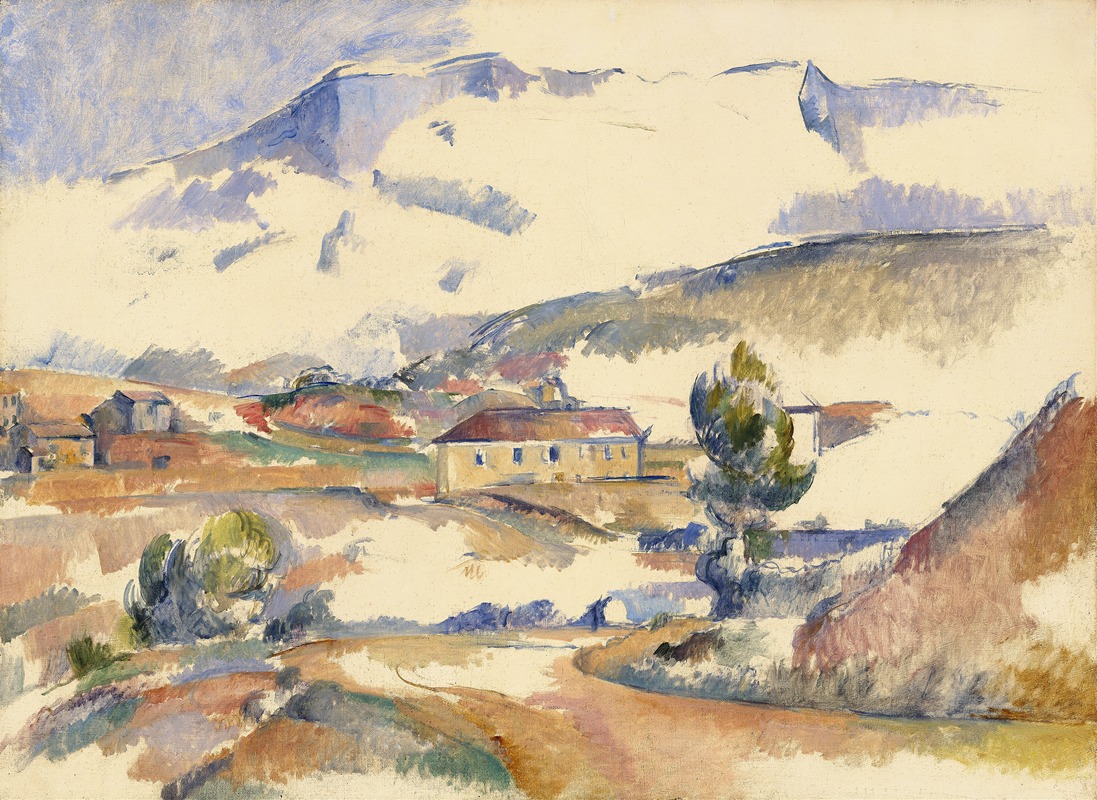
Montagne Sainte-Victoire,from near Gardanne
Paul Cézanne
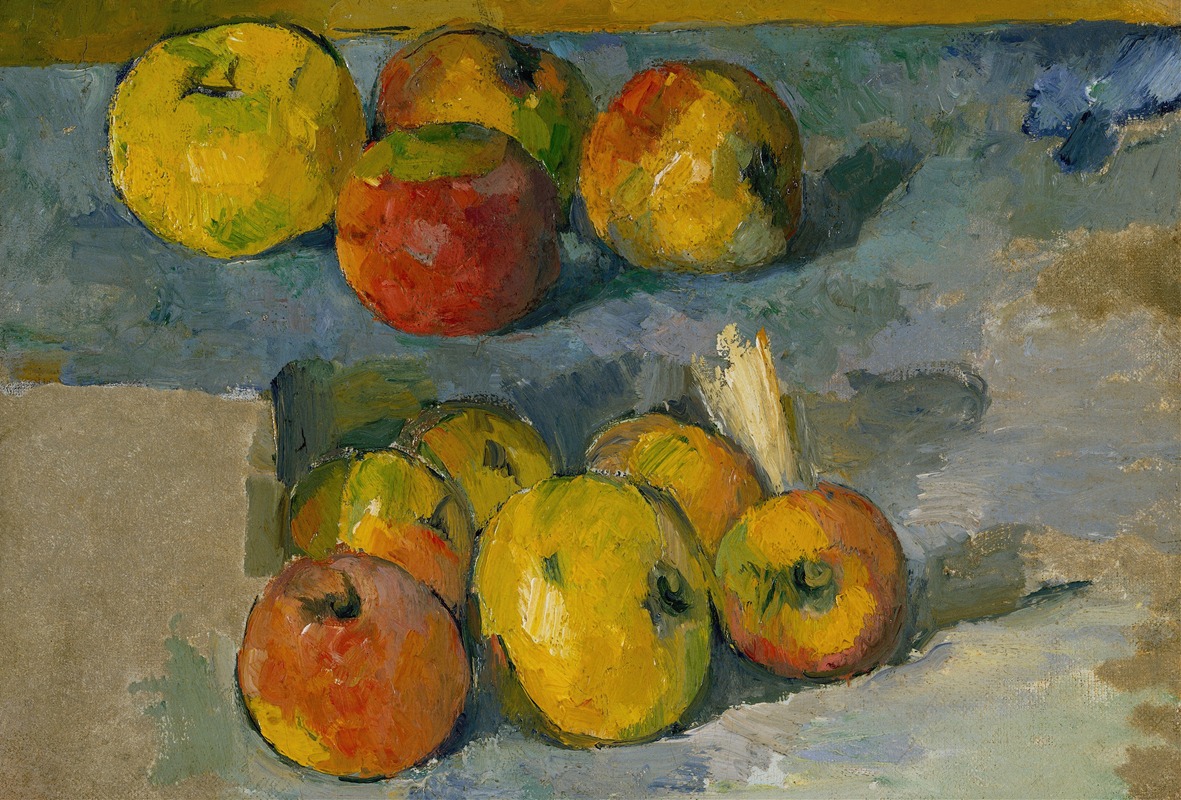
Apples
Paul Cézanne
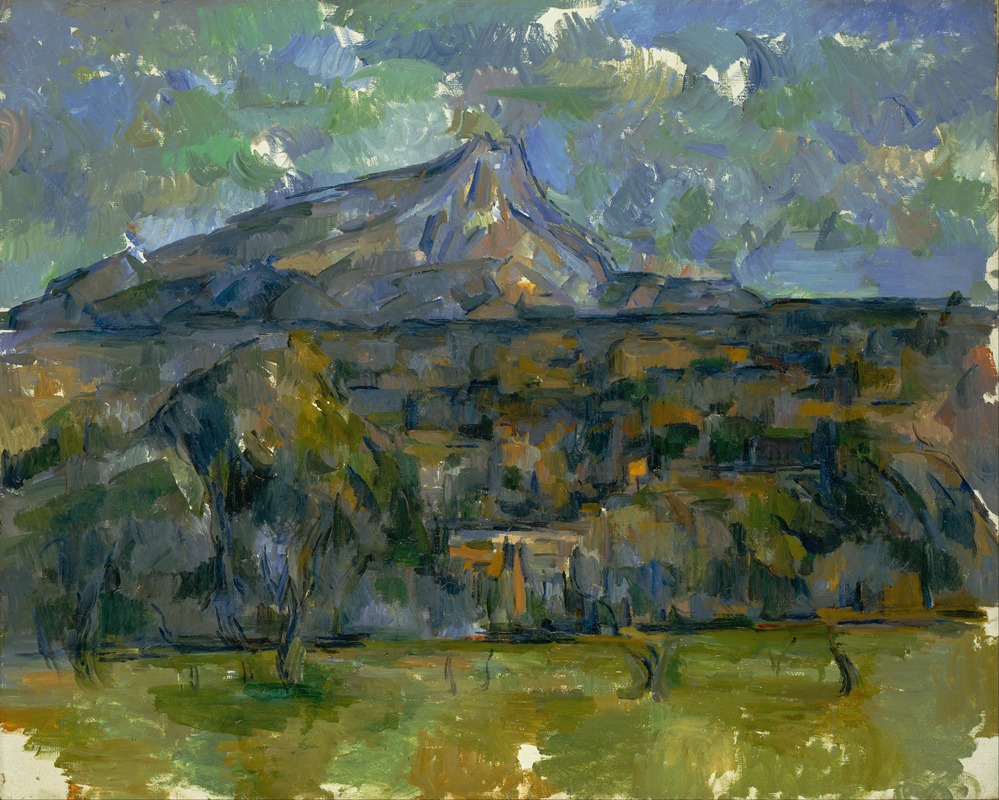
Mont Sainte-Victoire
Paul Cézanne
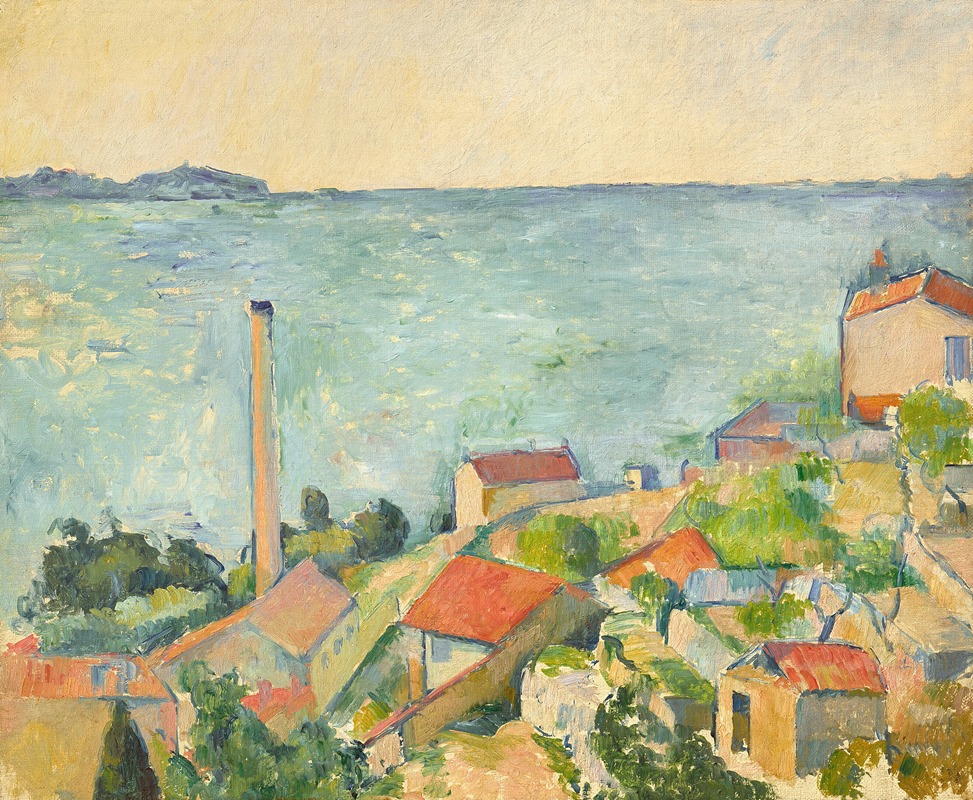
La mer à l’Estaque
Paul Cézanne
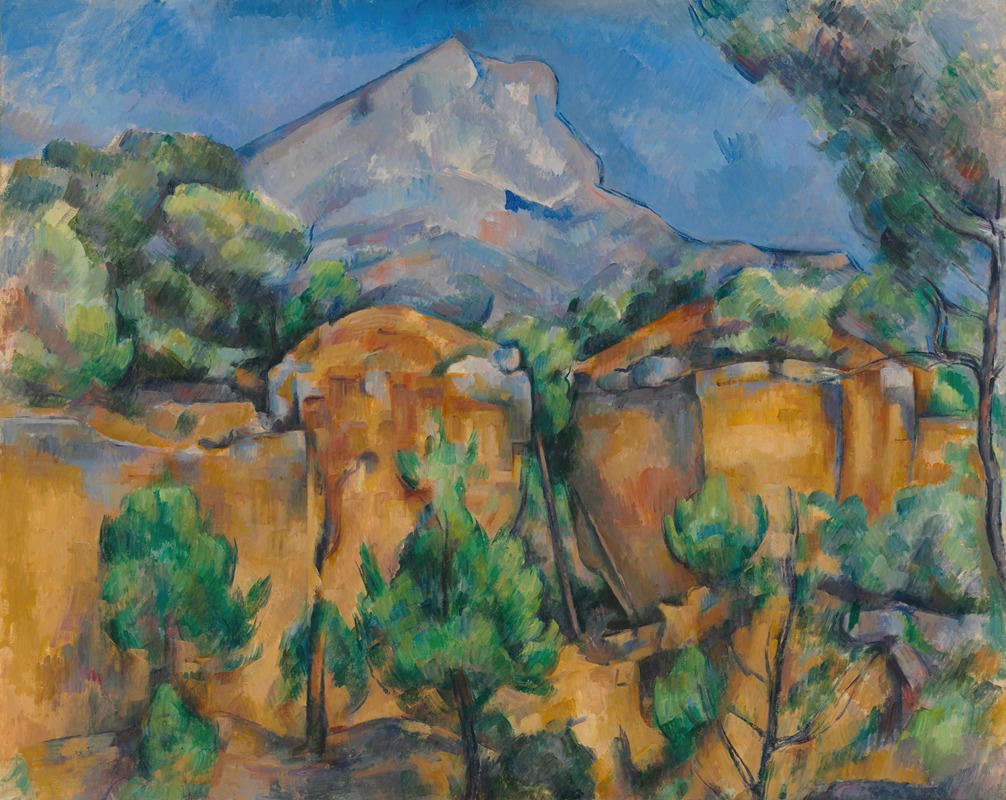
La Montagne Sainte-Victoire vue de la carrière Bibémus
Paul Cézanne
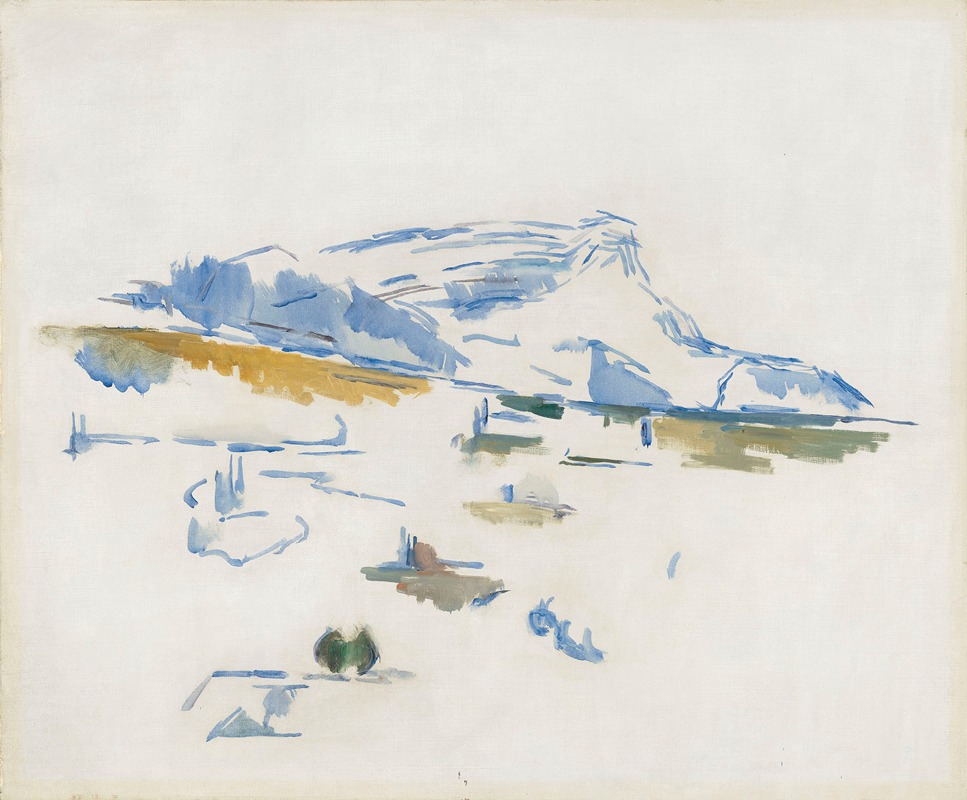
La Montagne Sainte-Victoire vue des Lauves
Paul Cézanne