
Fenaison — History & Facts
Did the painter know this moment would outlive them? In Fenaison, we find a pastoral scene imbued with a sense of divine tranquility, where the earth and sky seem to dance in harmonious celebration. Look to the center, where golden wheat sways gently in the breeze, each stalk a testament to the labor of the hands that nurtured it. The warm, sunlit hues of ochre and amber radiate a soothing warmth, while the sky above transitions from deep cerulean to soft lavender as dusk approaches. The careful brushwork evokes a sense of movement, capturing the essence of both time and labor, encapsulating the spirit of the season in a single moment. Yet beyond the pastoral beauty lies a profound contrast.
The laborers, appearing almost ethereal against the rich landscape, represent the intersection of humanity and nature’s bounty, hinting at the divine relationship between creation and creator. The fleeting shadows cast by the setting sun suggest the inevitable passage of time, and the sense of peace emanating from the scene holds a poignant reminder of life’s transience amid the cycle of harvest. Montézin painted this piece during a time when the art world was shifting towards Impressionism, capturing everyday life with a sense of immediacy. His works often reflected the changing seasons and the rhythms of rural existence, influenced by the natural beauty surrounding him.
Working in France, his approach marked a departure from traditional depictions, embracing a more intimate connection with the divine rhythms of nature through his brush.
More Artworks by Pierre-Eugène Montézin
Browse all →
Chaumières aux fenêtres et volets tourquoises
Pierre-Eugène Montézin

Quai à Saint-Mammes
Pierre-Eugène Montézin
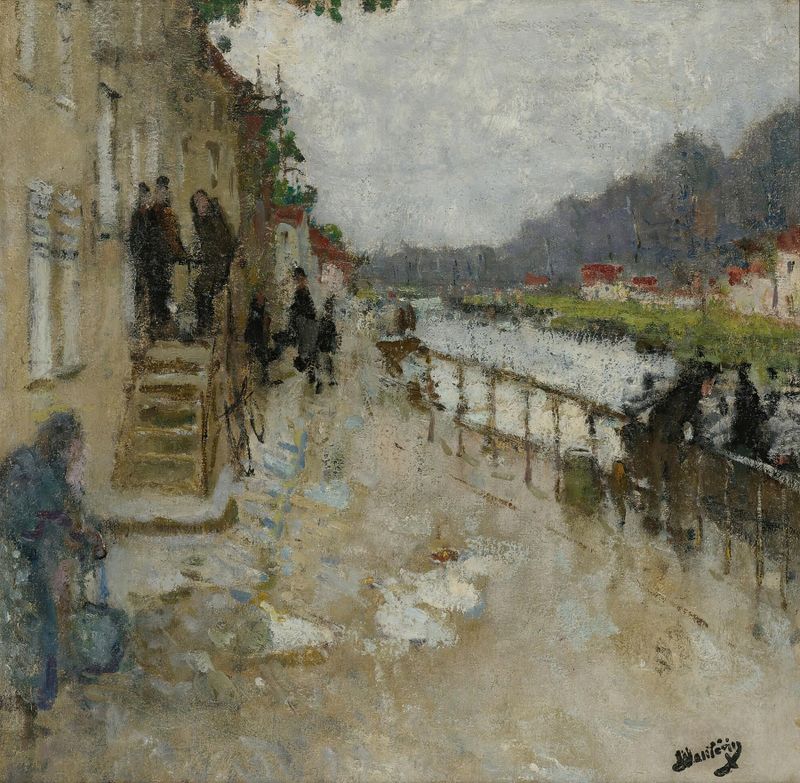
Bord De Canal À Saint-Mammès
Pierre-Eugène Montézin
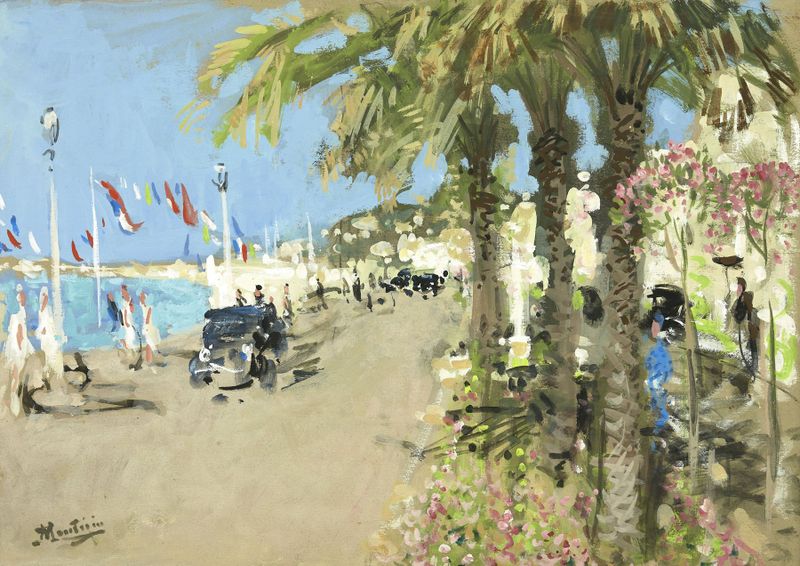
La promenade des Anglais, Nice
Pierre-Eugène Montézin
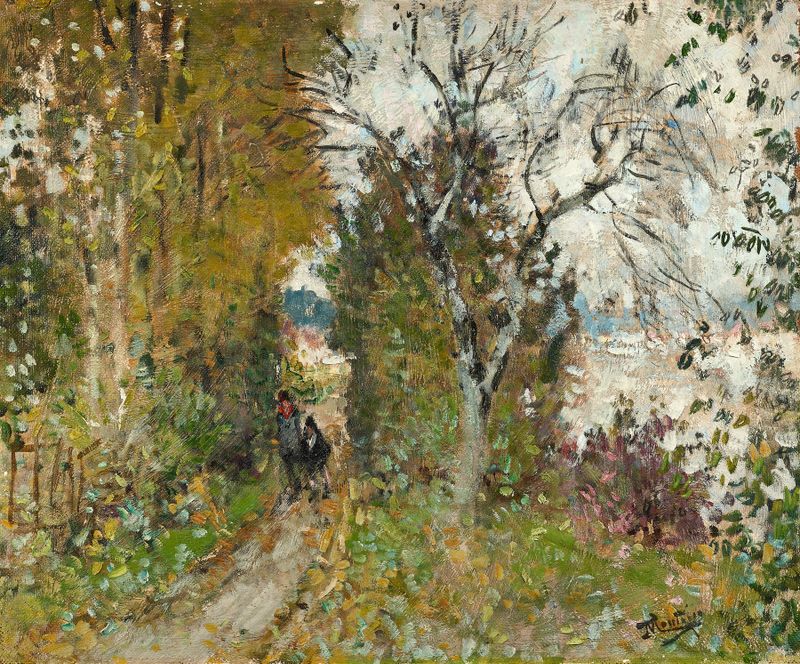
Promenade au bord de l’eau
Pierre-Eugène Montézin

Verger en fleurs
Pierre-Eugène Montézin

Misy Sur Yonne
Pierre-Eugène Montézin
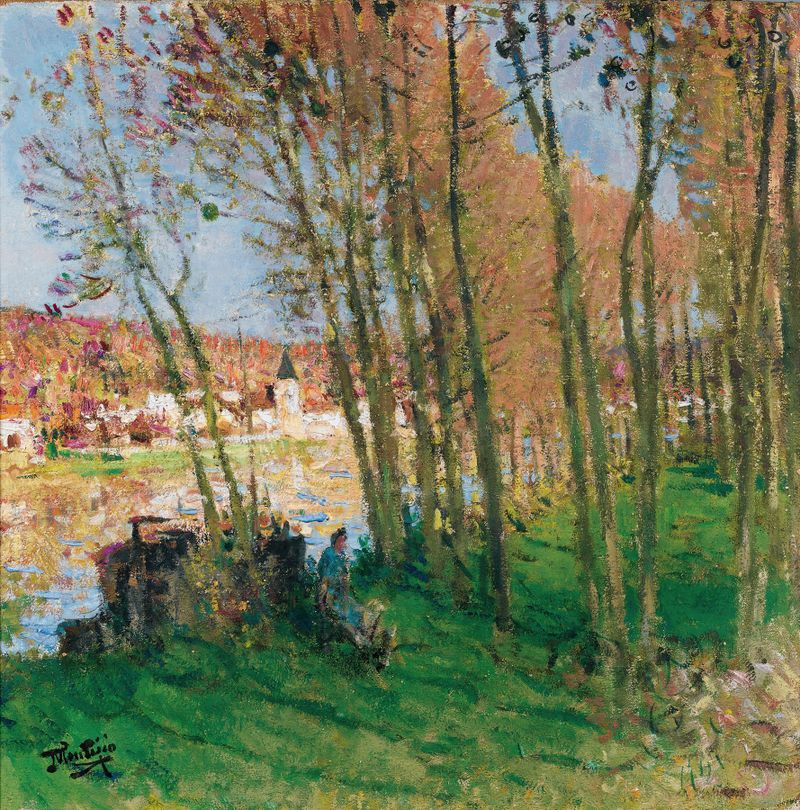
Bord De L’eau
Pierre-Eugène Montézin

La Seine à St. Monance
Pierre-Eugène Montézin

L’entrée Du Village
Pierre-Eugène Montézin





