Fermes à Bormes — History & Facts
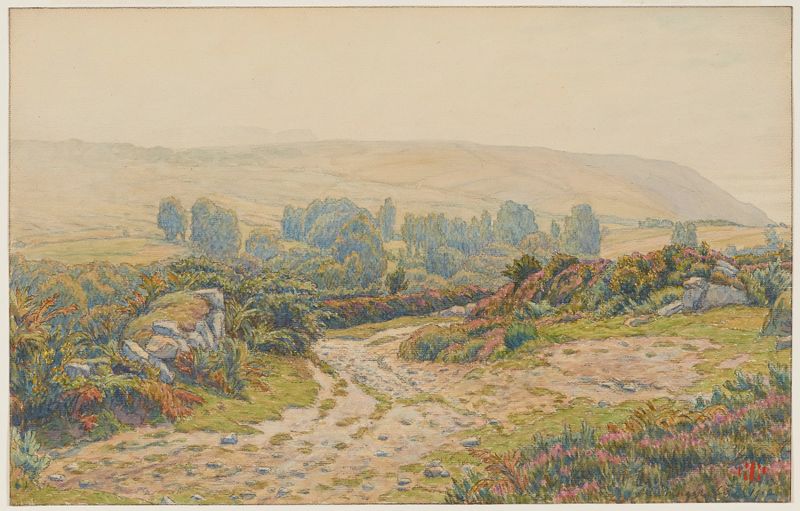
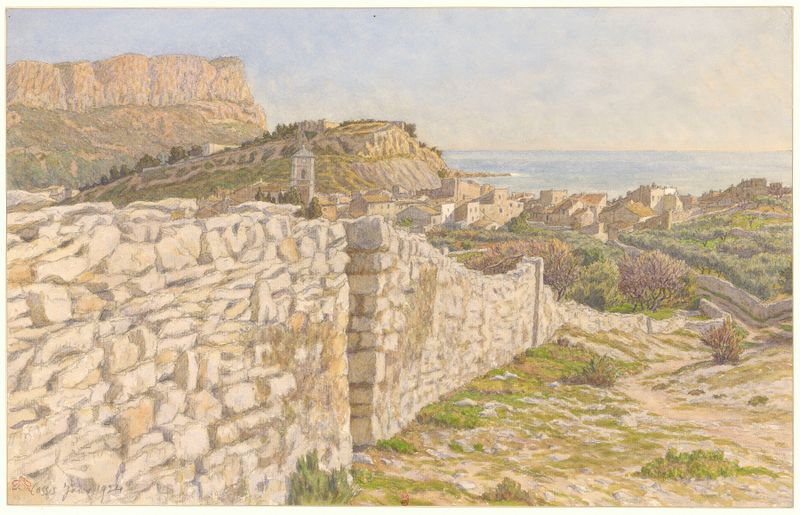
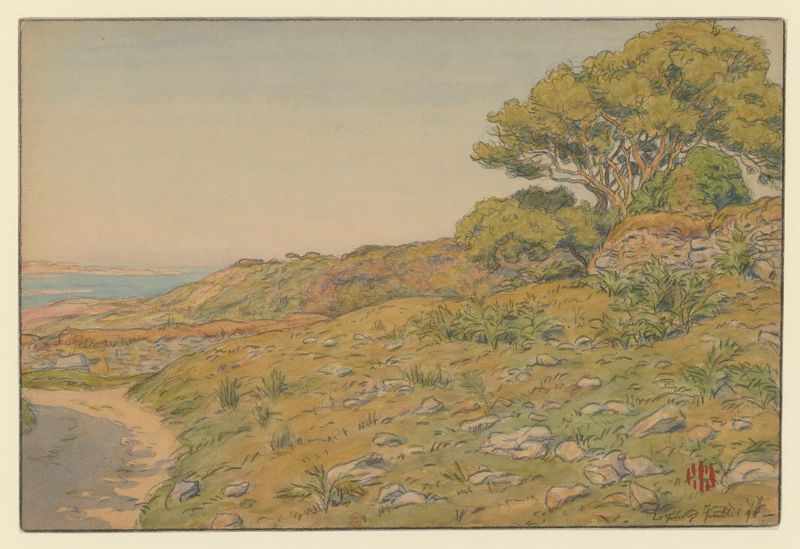
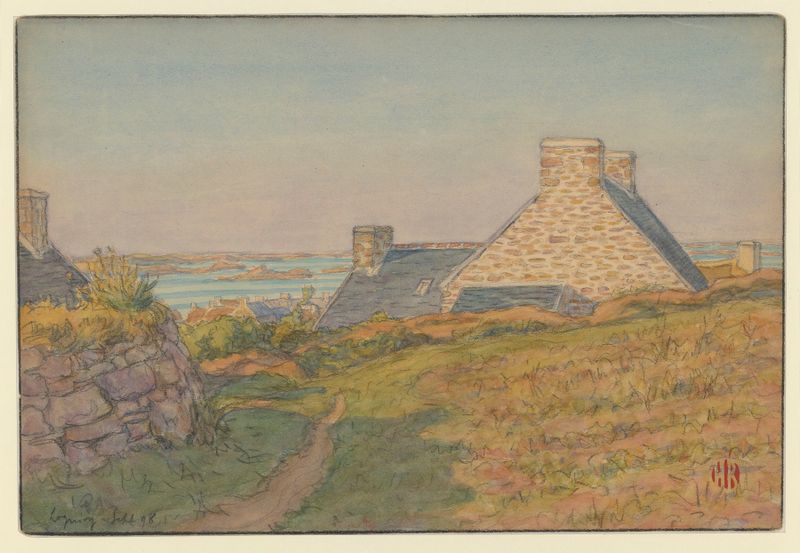
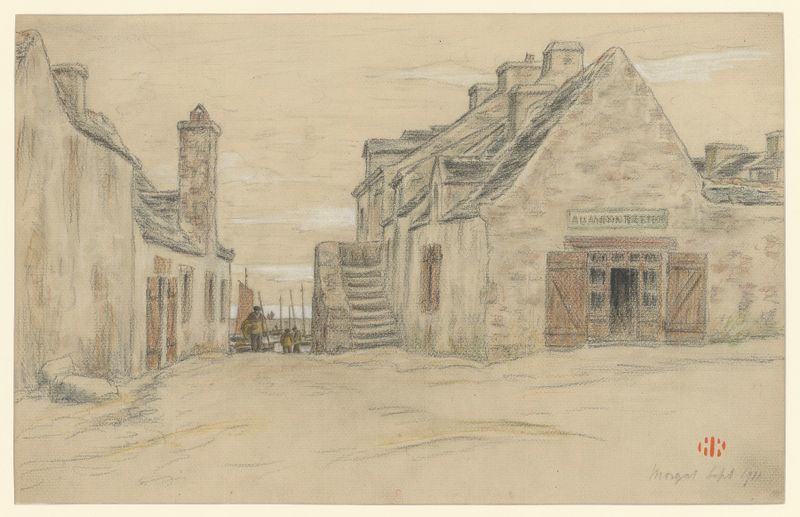
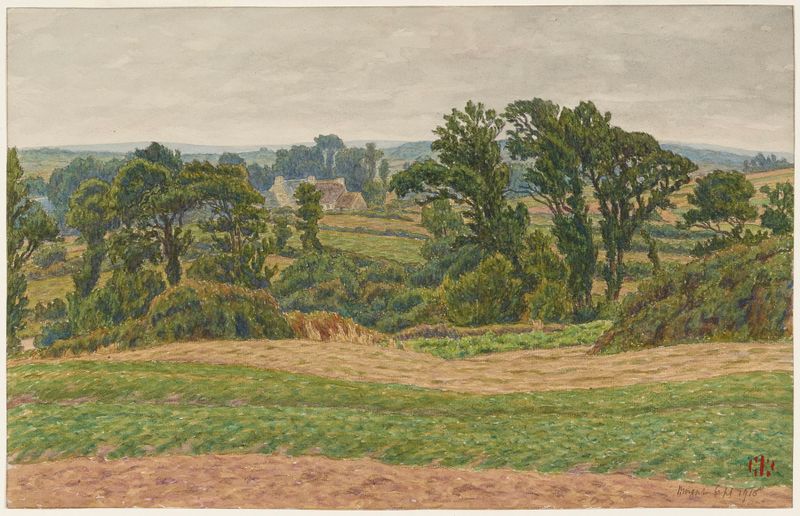
In a world where moments slip away, this artwork captures not just a place but an emotion that lingers, inviting contemplation on the transient beauty of life. Look to the foreground, where gentle lines and soft hues converge, rendering a peaceful village nestled in lush greenery bathed in amber light. The brushstrokes blend harmoniously, creating a textured landscape that feels alive, as if the air itself is infused with the fragrance of blooming flowers. Notice how the distant hills cradle the sky, their muted tones a counterbalance to the vibrant activity in the village, drawing the eye toward a horizon brimming with possibility. As you delve deeper, the painting unfolds layers of meaning.
The interplay between light and shadow suggests the passage of time, indicative of the cycles of life inherent in nature. The quaint structures stand as silent witnesses to the lives unfolding within them, embodying both solitude and community. This duality reflects the artist’s introspection—an acknowledgment of our fleeting existence against the backdrop of enduring beauty. In 1926, Fermes à Bormes emerged from Rivière’s studio, influenced by the post-war zeitgeist and his commitment to capturing the essence of the French countryside.
During this period, he grappled with themes of nostalgia and memory while exploring the interplay between reality and artistic interpretation. His work not only reflects his surroundings but also resonates with a broader cultural movement seeking solace in the simplicity of rural life amid the complexities of modernity.