
Field Near Cofton — History & Facts
When did color learn to lie? The hues of this landscape whisper of something beyond the earthly, beckoning us to consider the divine hidden within the mundane. Focus first on the vibrant greens that dominate the canvas, where the brushstrokes create a rhythmic undulation, inviting you into a world alive with possibility. Notice how the light dances across the field, illuminating patches of wildflowers that burst forth in unexpected splashes of color. The delicate interplay between shadow and sunlight not only defines the contours of the terrain but also infuses the scene with a sense of transcendence, as if nature itself is a living testament to a higher power. Beneath the surface, the artwork resonates with a deeper interplay of humanity and divinity, challenging the viewer to ponder the harmony present in the chaos of life.
The gentle slope of the land suggests a journey, while the clouds above loom like silent witnesses, hovering between the seen and the unseen. The subtle contrasts—between light and dark, bold and soft—evoke a tension that encapsulates both the beauty and fragility of existence. Elijah Walton painted this piece in the latter half of the 19th century, a time when the Romantic movement was giving way to Impressionism. Working in England during a period of industrial change, Walton sought solace in nature, capturing its essence as a means of refuge.
His focus on the divine elements within ordinary landscapes reveals a yearning for connection in a rapidly evolving world, a theme that resonates through much of his work.
More Artworks by Elijah Walton
Browse all →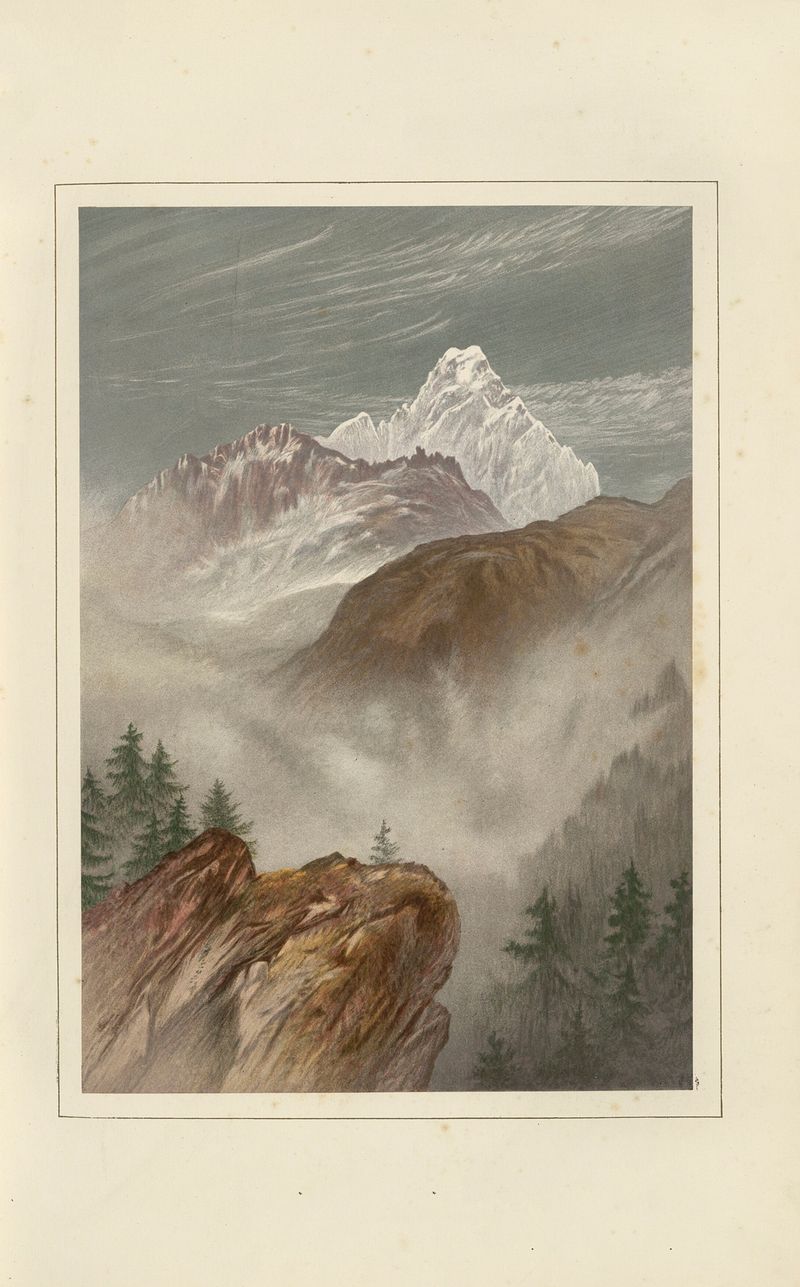
Monte Viso, from the south
Elijah Walton

The Matterhorn
Elijah Walton

The Gorner glacier
Elijah Walton

The Cascade de Roget and the Pointe de Salles
Elijah Walton
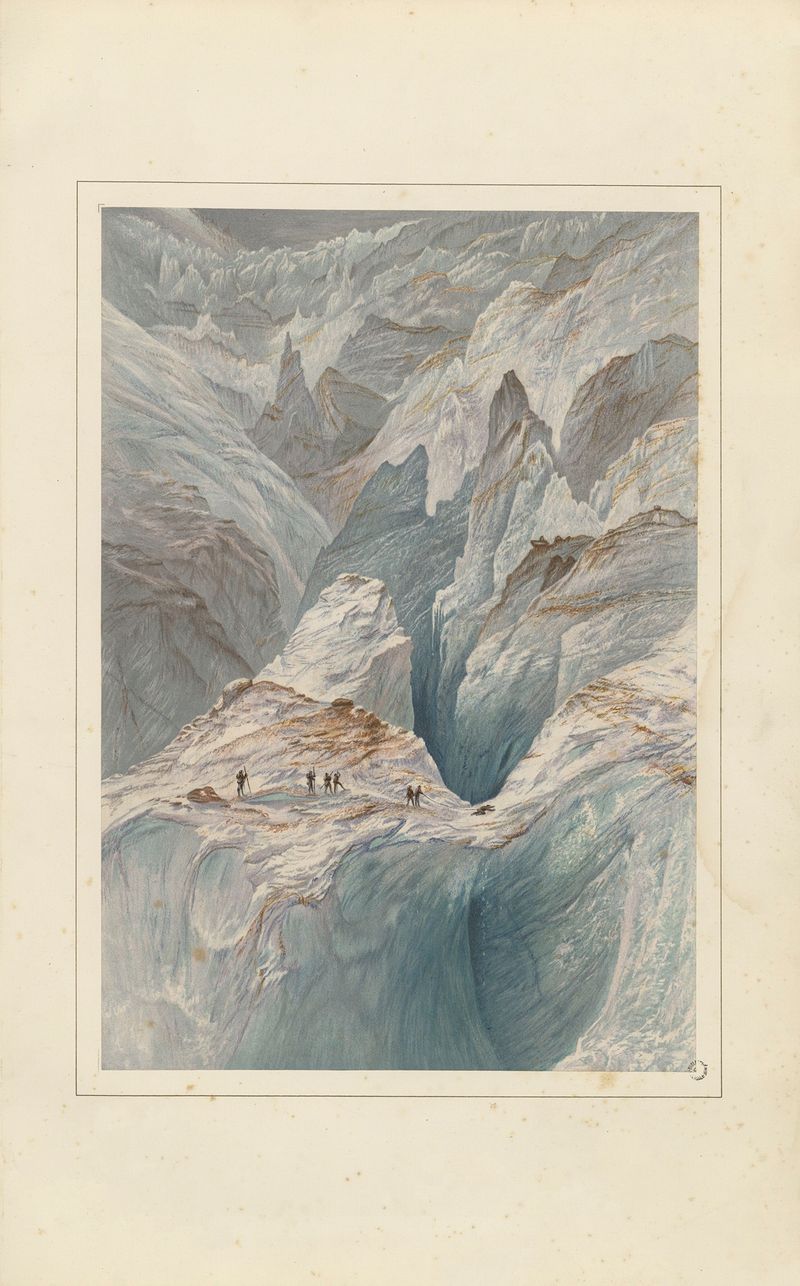
Crevasses on the Mer de Glace
Elijah Walton
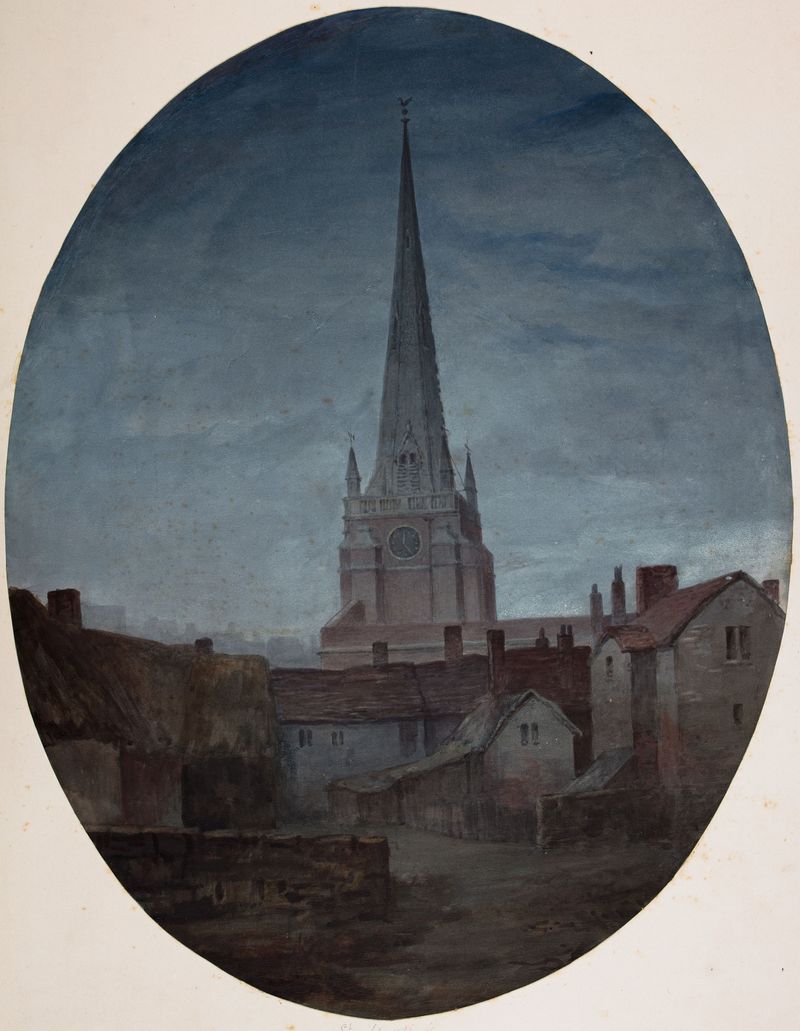
St Martin’s Church Birmingham, By Night
Elijah Walton

The Weisshorn, from near St. Niklaus
Elijah Walton

Monte Viso, from the Col de La Croix
Elijah Walton
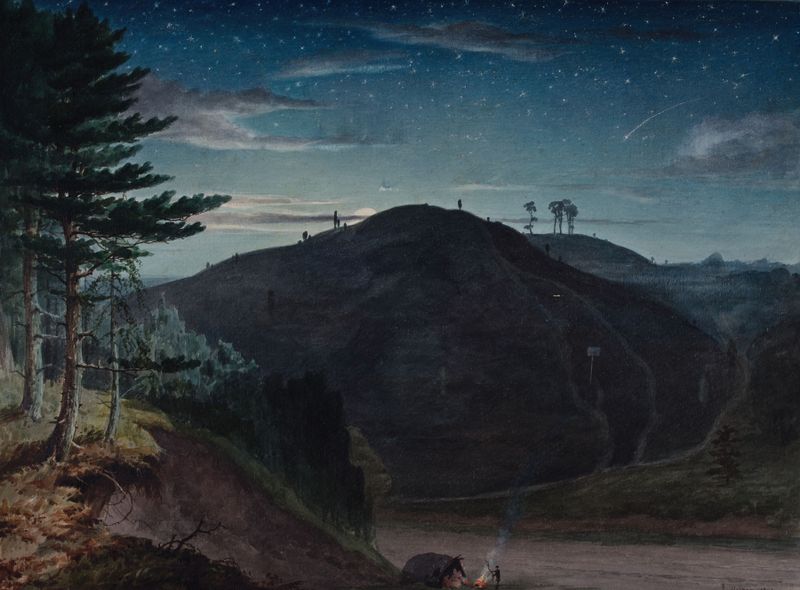
Cofton From Rednal, Moonlight
Elijah Walton
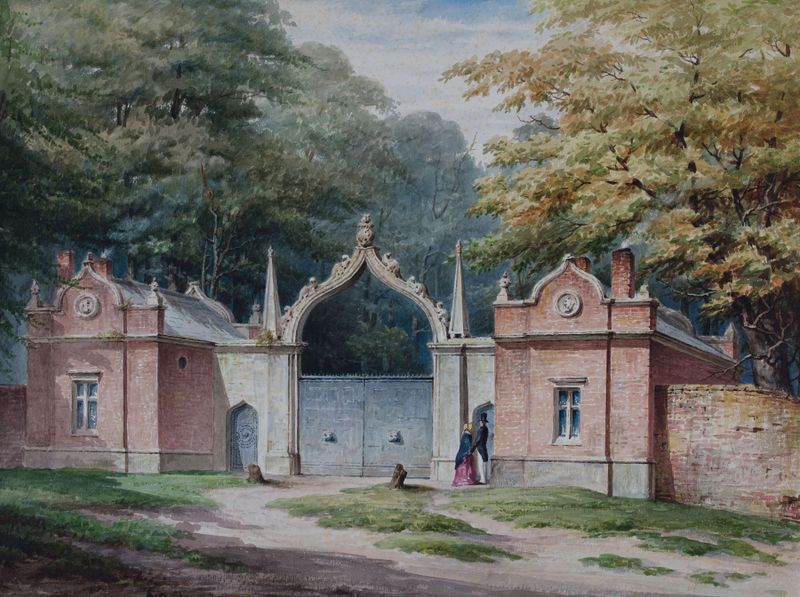
Lodge Gates, Entrance To Aston Hall
Elijah Walton





