
Figure Studies — History & Facts
No single sheet by John Linnell has sparked more scholarly curiosity than Figure Studies, a work whose date and medium remain elusive. What makes this drawing remarkable is its role as a window into the rigorous academic training of early nineteenth-century British artists, a period when the Royal Academy demanded relentless practice from its students. Linnell, who entered the Academy Schools at just sixteen, likely produced this piece during his formative years, when long hours were spent sketching from life and antique casts.
The absence of a finished composition suggests a work intended not for exhibition, but for the artist’s own development—a rare survival from a period when such studies were often discarded or painted over. The figures, rendered with swift, searching lines, capture a moment of intense observation: a model shifts weight from one foot to the other, an arm is extended as if to grasp something just beyond reach. Linnell’s attention to musculature and proportion reveals his preoccupation with anatomical accuracy, a hallmark of the academic tradition. Unlike the idealized forms of Michelangelo or the dramatic chiaroscuro of Géricault, Linnell’s studies are grounded in the everyday reality of the studio, where the play of natural light across bare limbs was both a technical challenge and a source of inspiration.
The lack of narrative or setting focuses the viewer’s gaze on the act of seeing itself—the artist’s hand searching for truth in flesh and bone. The subsequent journey of Figure Studies is difficult to trace, reflecting the fate of many such works, which often passed quietly through private collections or remained in the artist’s family. Linnell, later celebrated for his landscapes and portraits, rarely exhibited his academic drawings, and only in recent decades have museums and collectors begun to recognize their value as insights into his process. Today, Figure Studies stands as a testament to Linnell’s early discipline and the broader culture of artistic training in Regency England.
Its presence in an online gallery allows viewers to appreciate not only Linnell’s technical skill, but also the hidden labor that underpinned his later achievements.
More Artworks by John Linnell

A View Near Hampstead
John Linnell
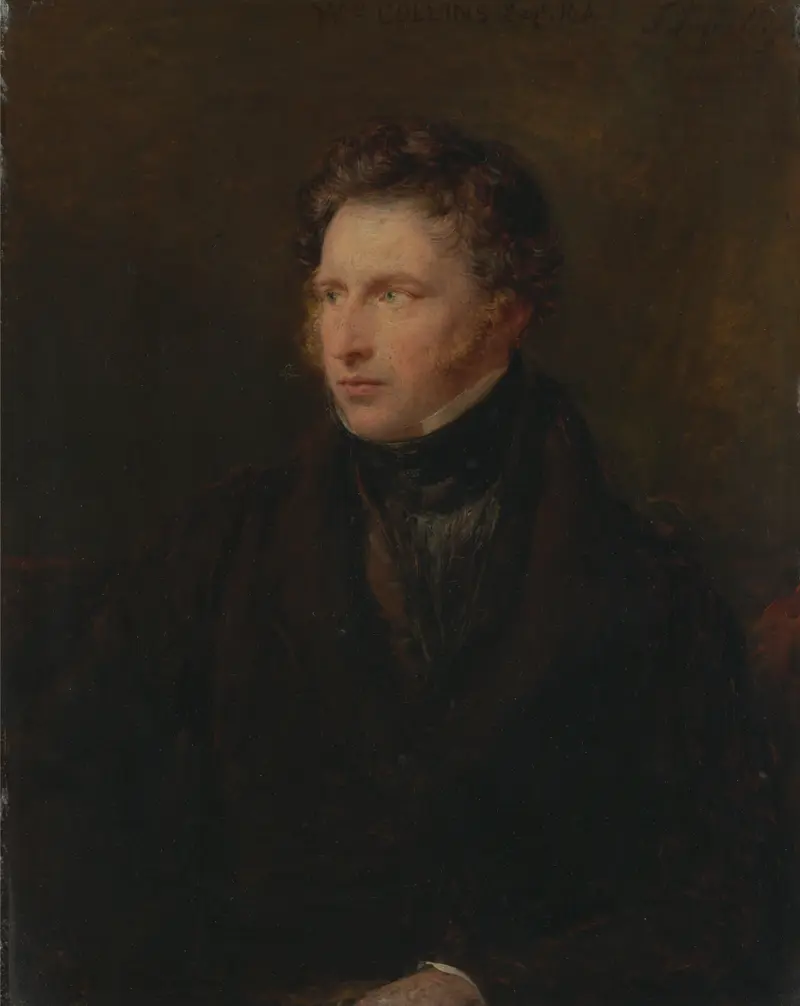
William Collins, R.A.
John Linnell
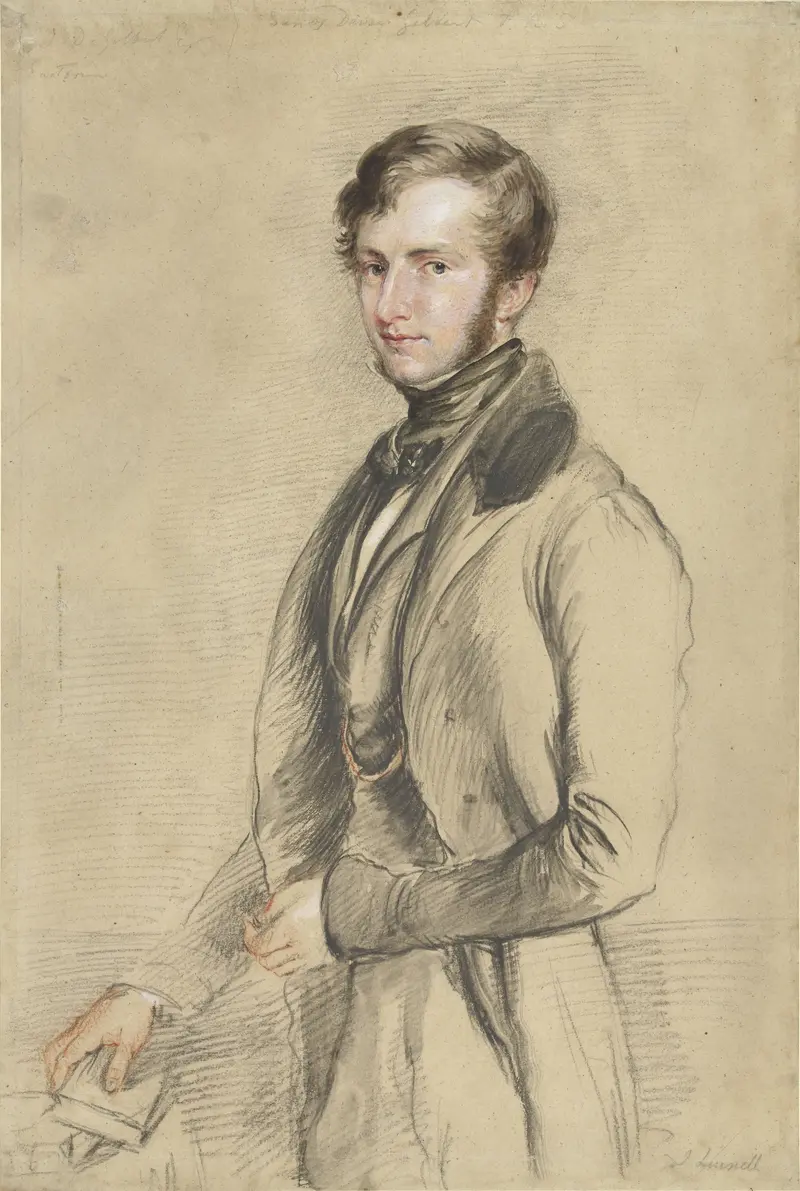
Portrait of John Davies Gilbert
John Linnell
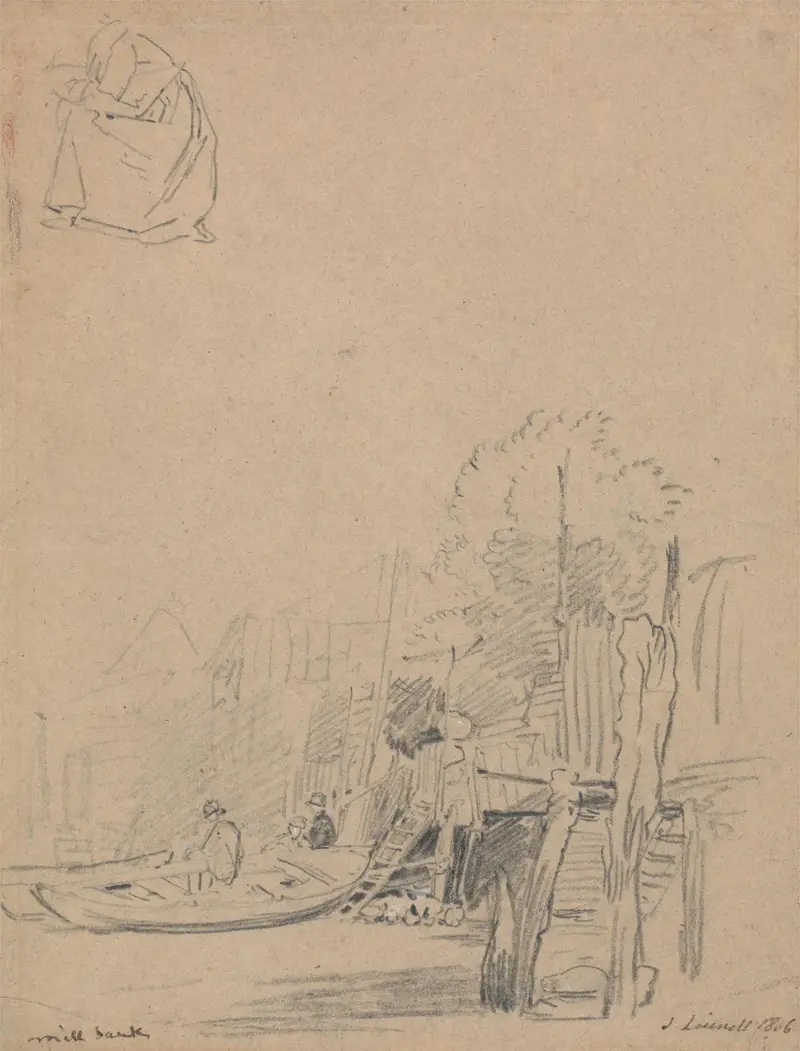
Millbank
John Linnell
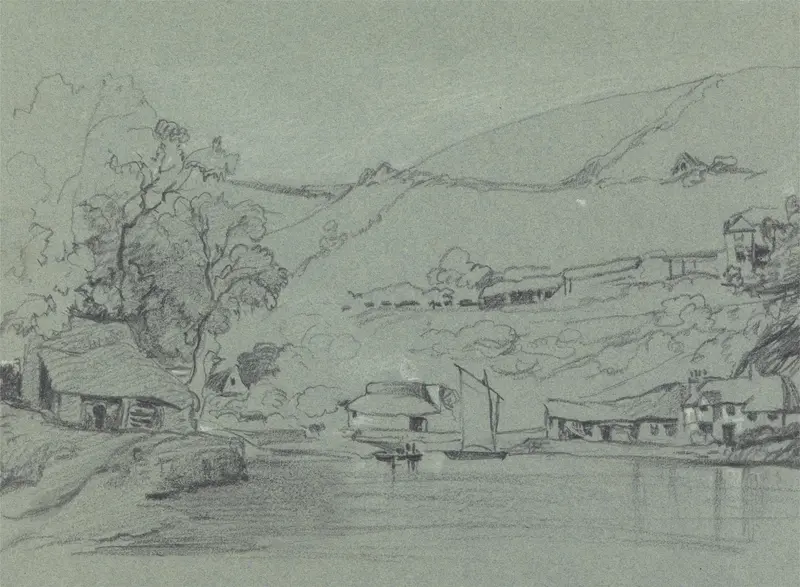
Scene in Kent
John Linnell
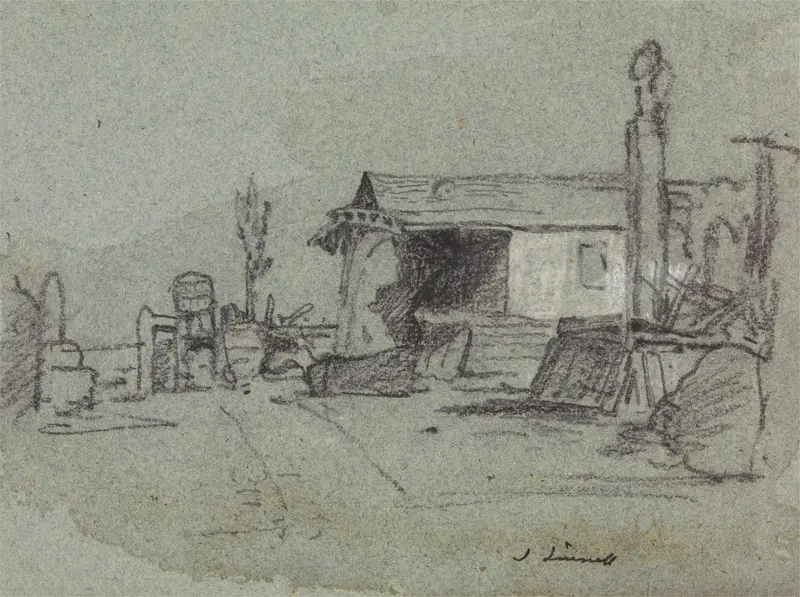
A Scene in the Edgware Road, London
John Linnell
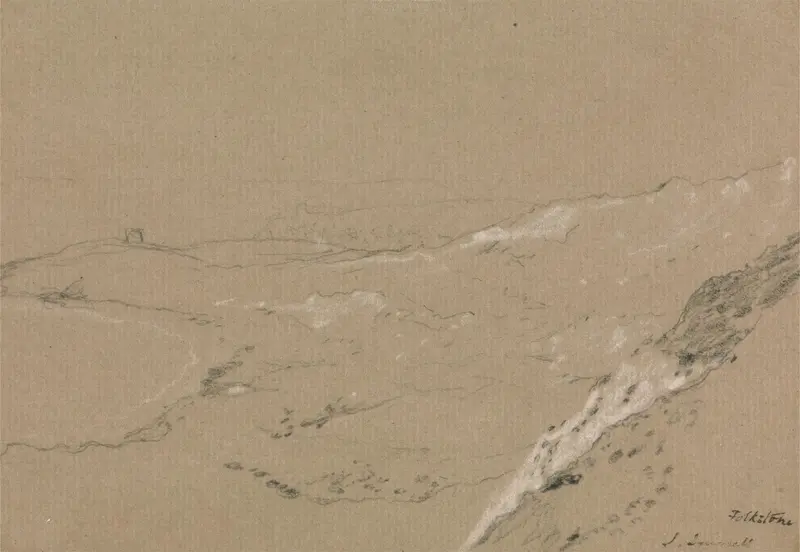
Folkestone
John Linnell
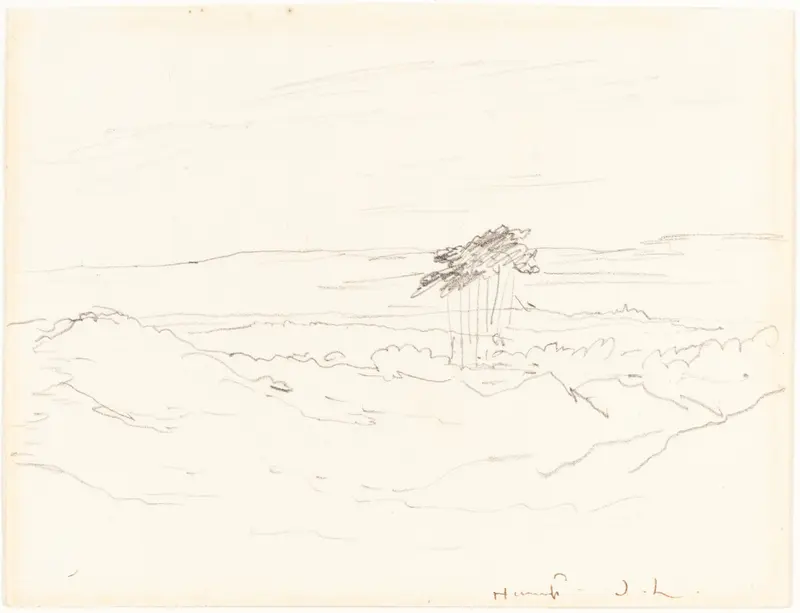
Hampstead Heath
John Linnell
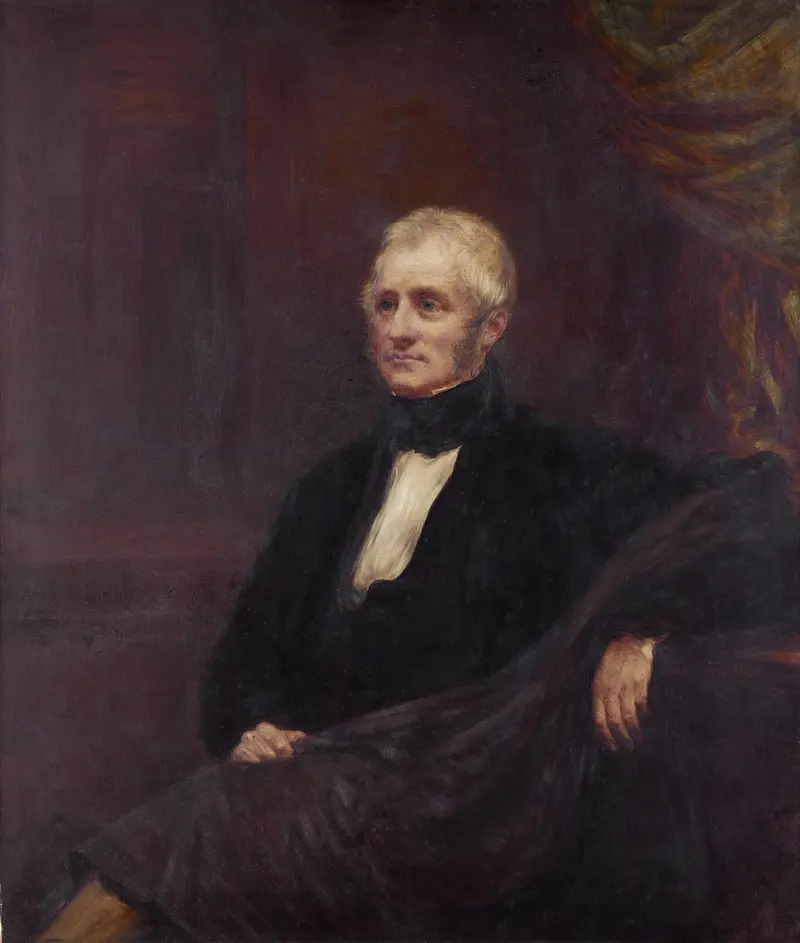
Henry Stephen Fox-Strangways, 3rd Earl Of Ilchester
John Linnell
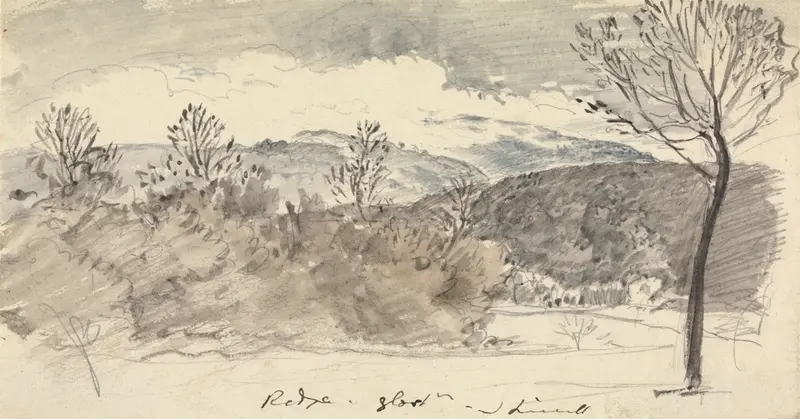
View at Mr. Sheppard’s, The Ridge, Gloucestershire
John Linnell




